



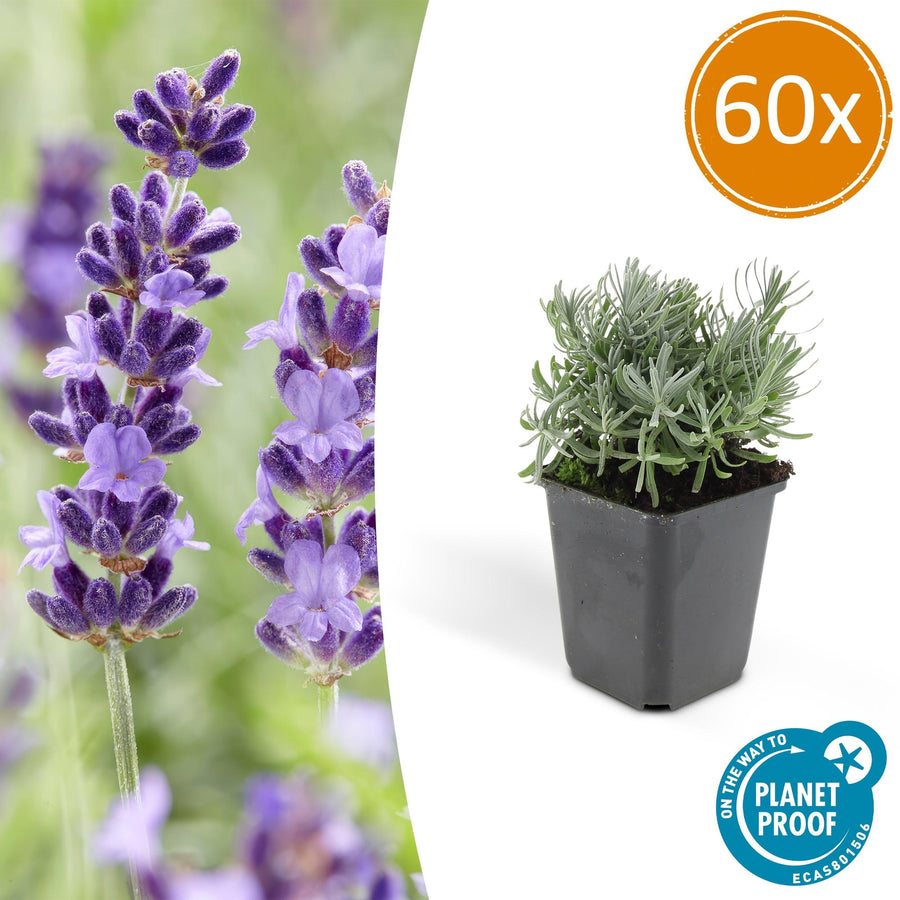
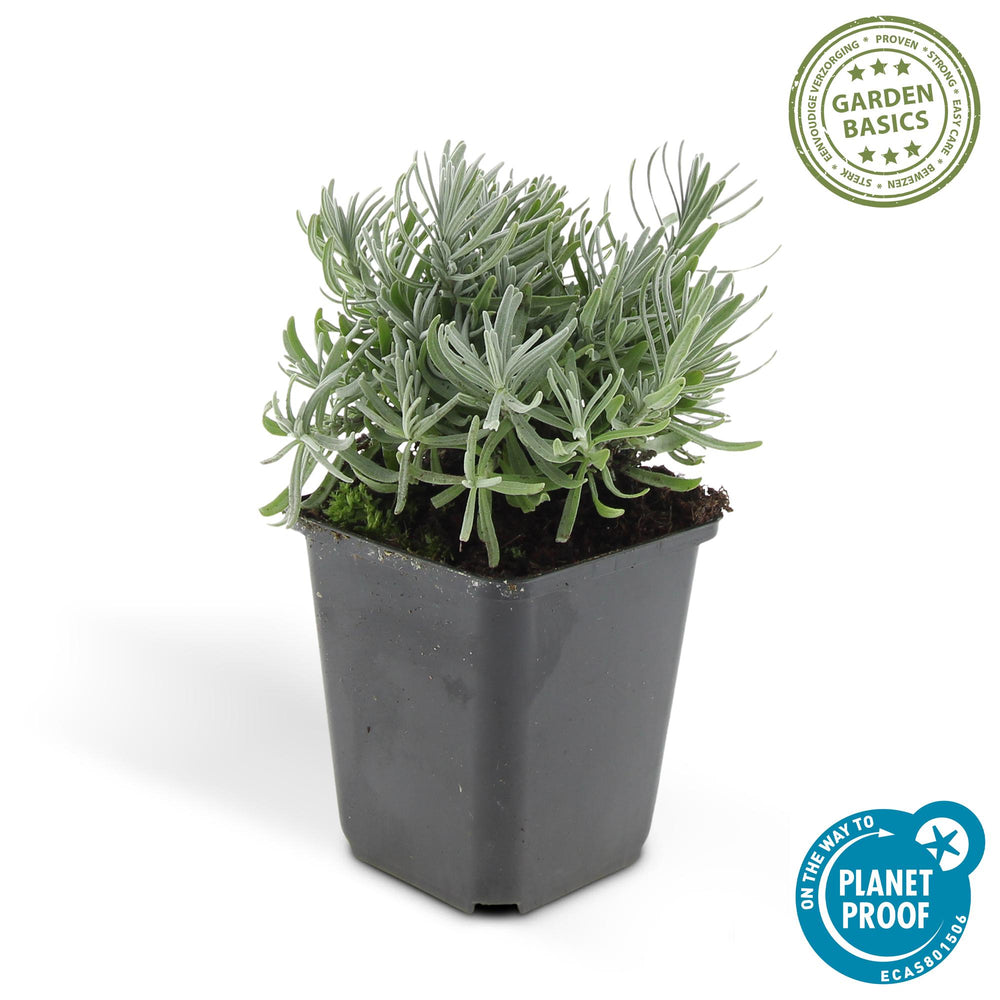
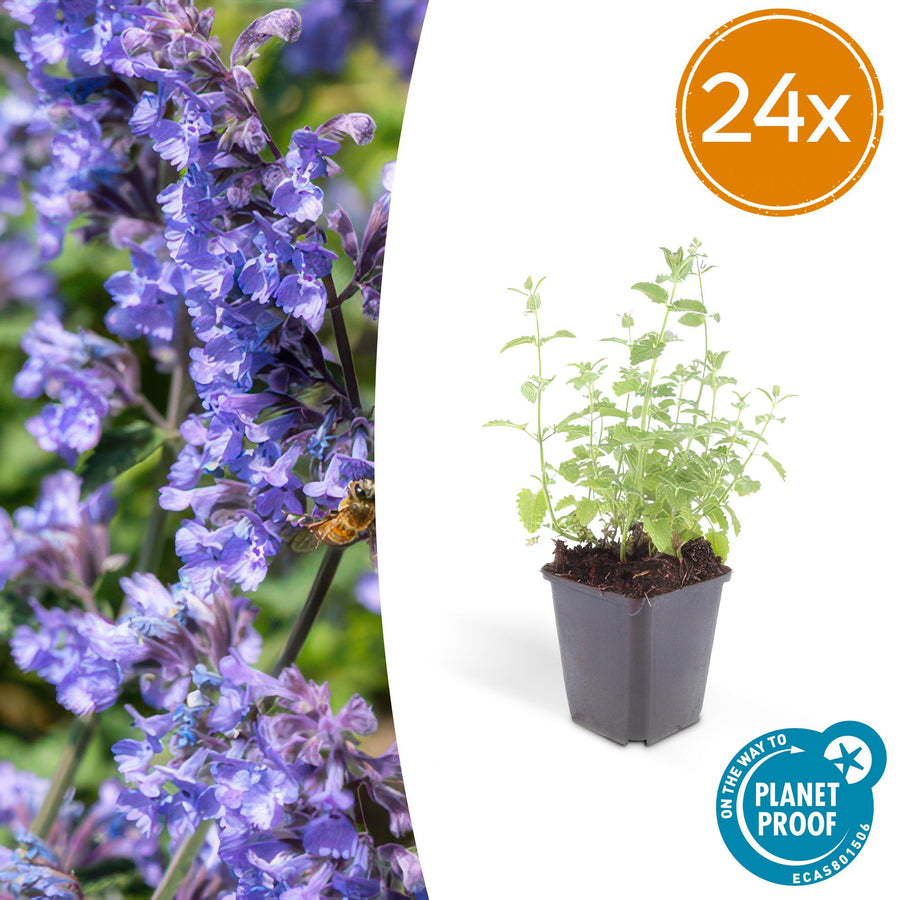
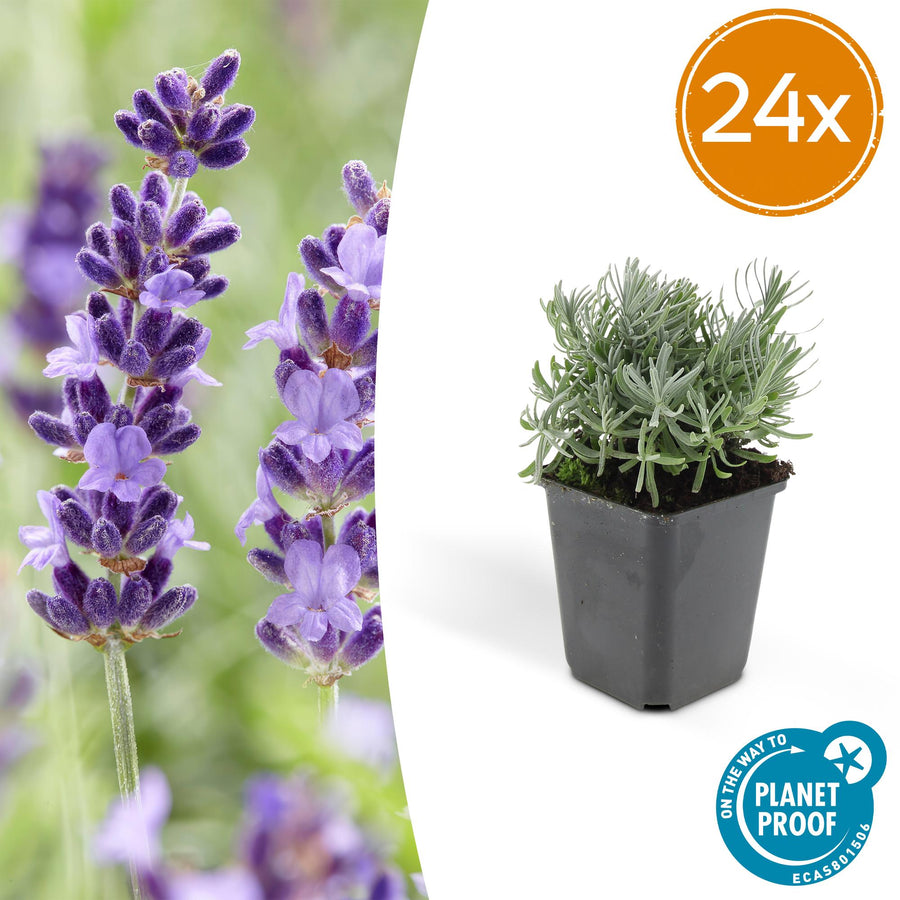
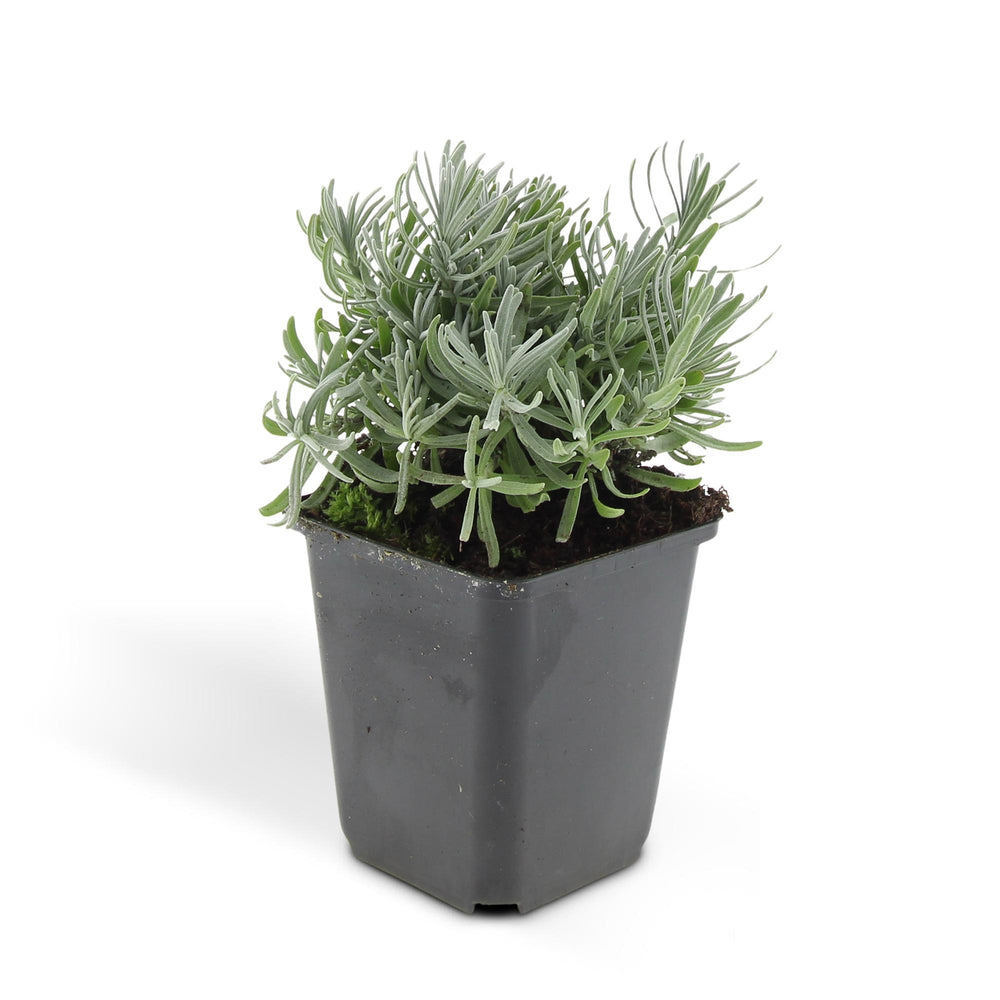
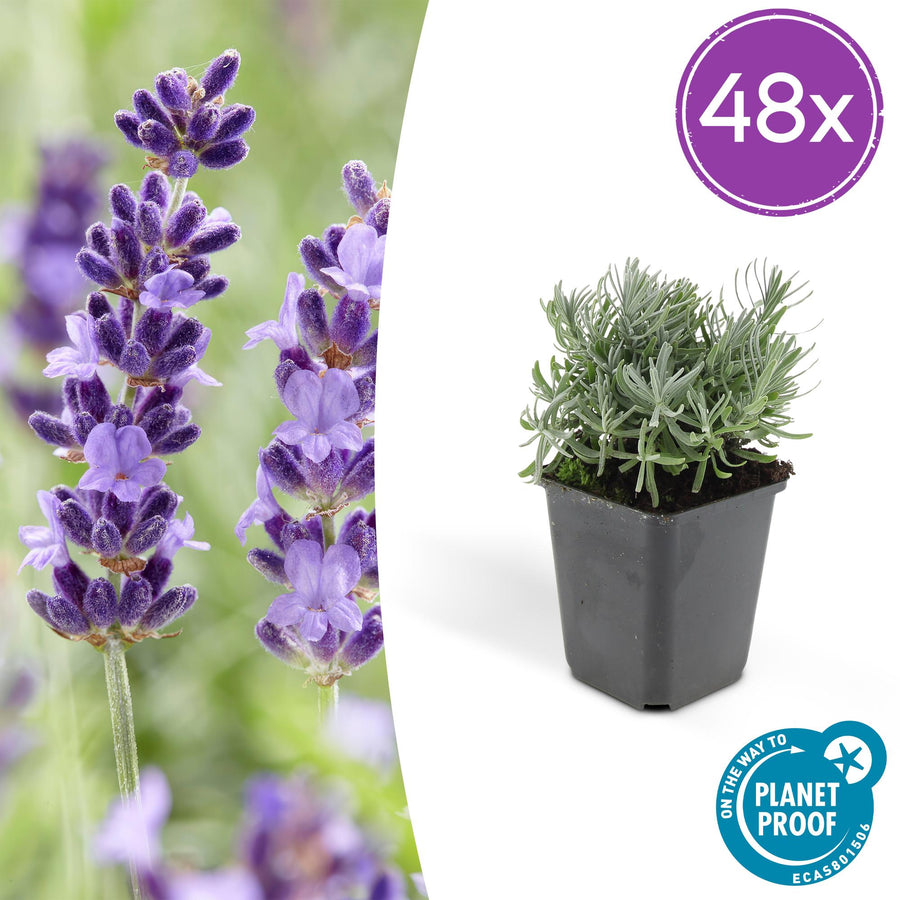
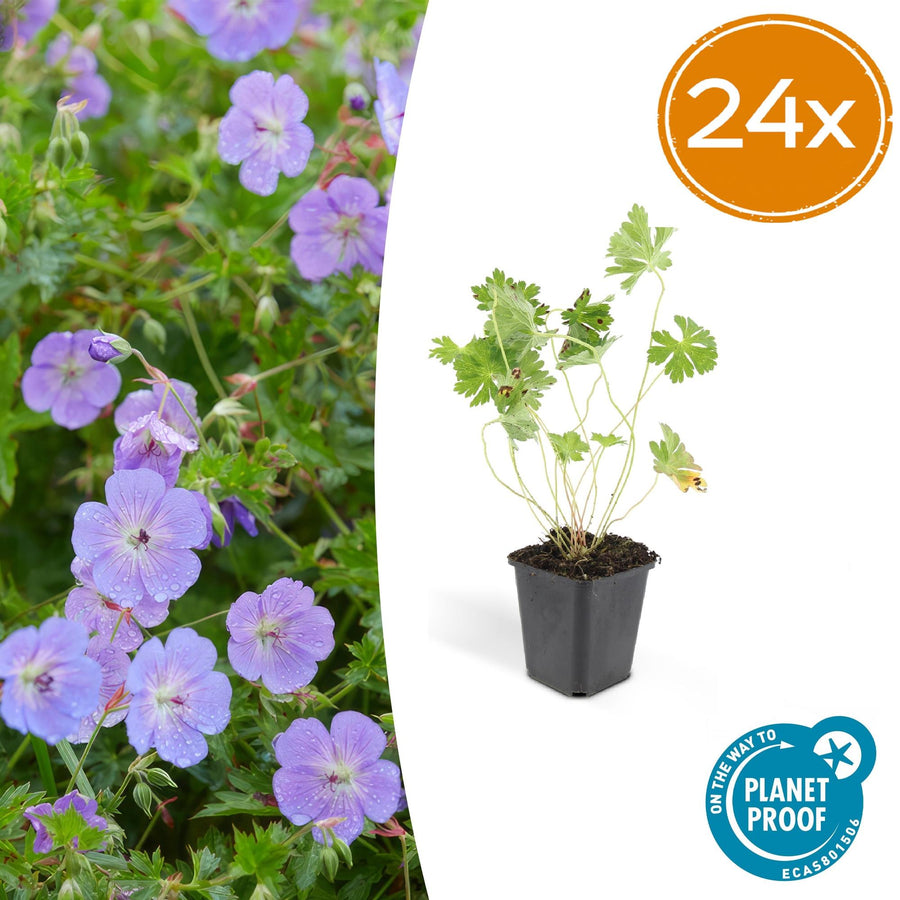
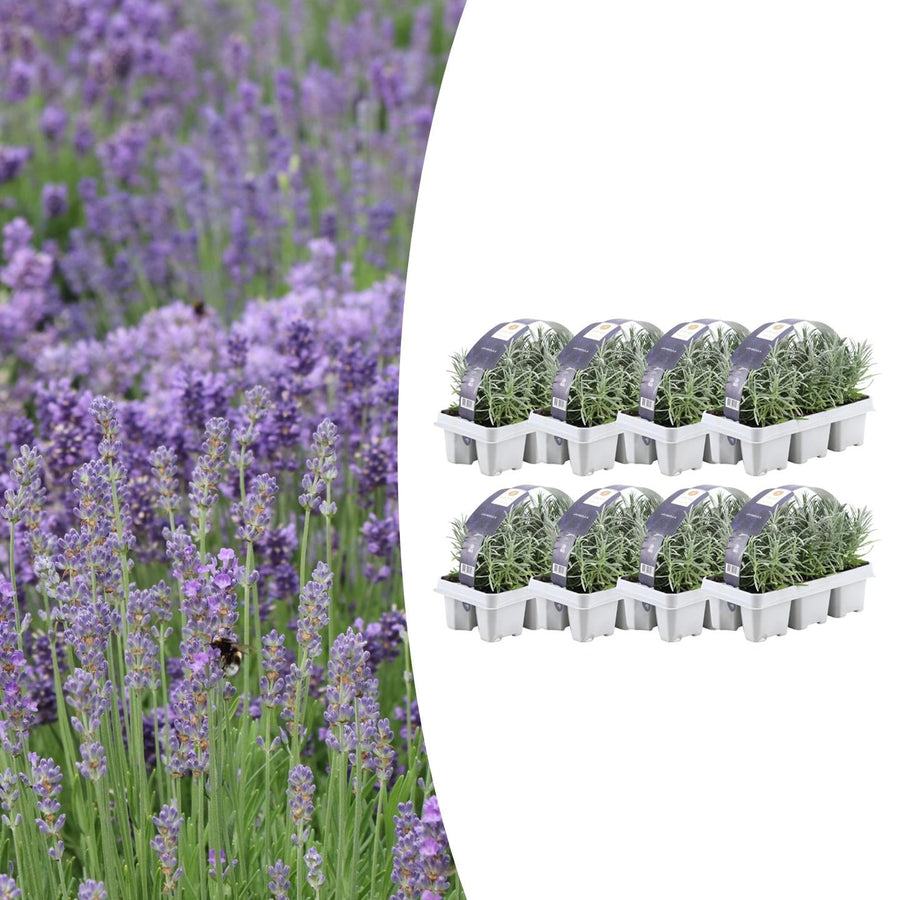
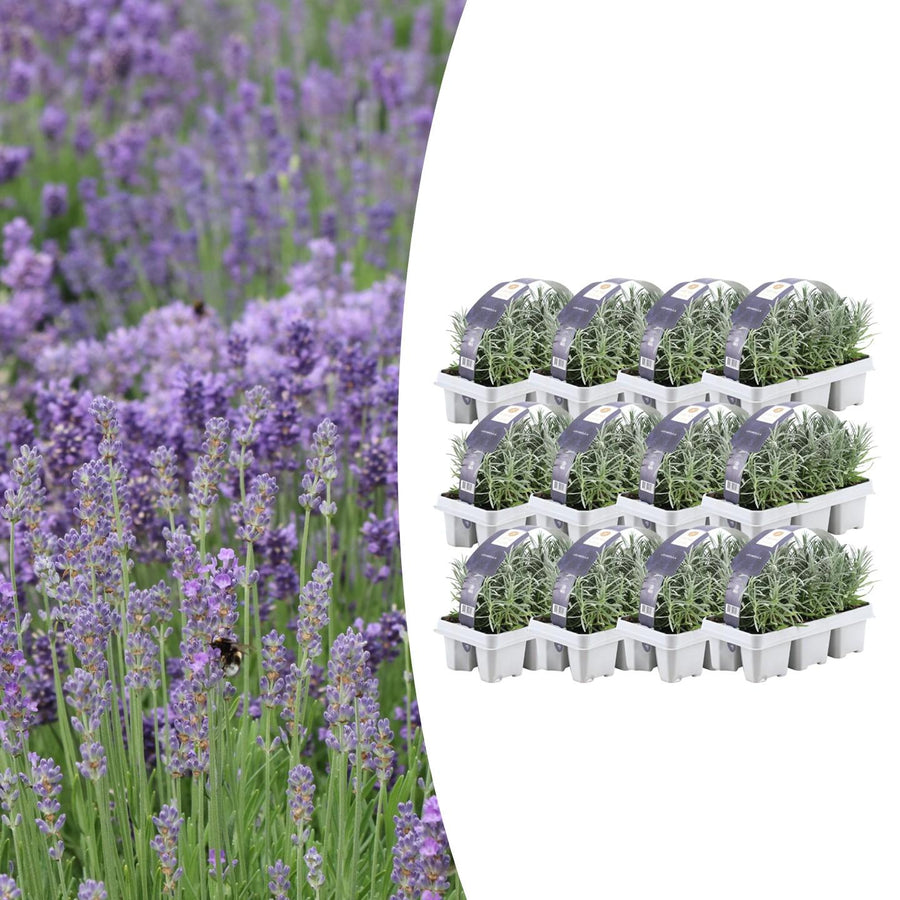
Lavender, thyme, sea thrift, globe thistle, catmint and calamint are among the plants here that the RHS Plant Finder marks as drought tolerant, and they suit a sunny, free-draining gravel bed. Hardy geraniums, bellflowers, alliums and sages round out the range. Available with free tracked delivery to Ireland and 24 more EU countries.




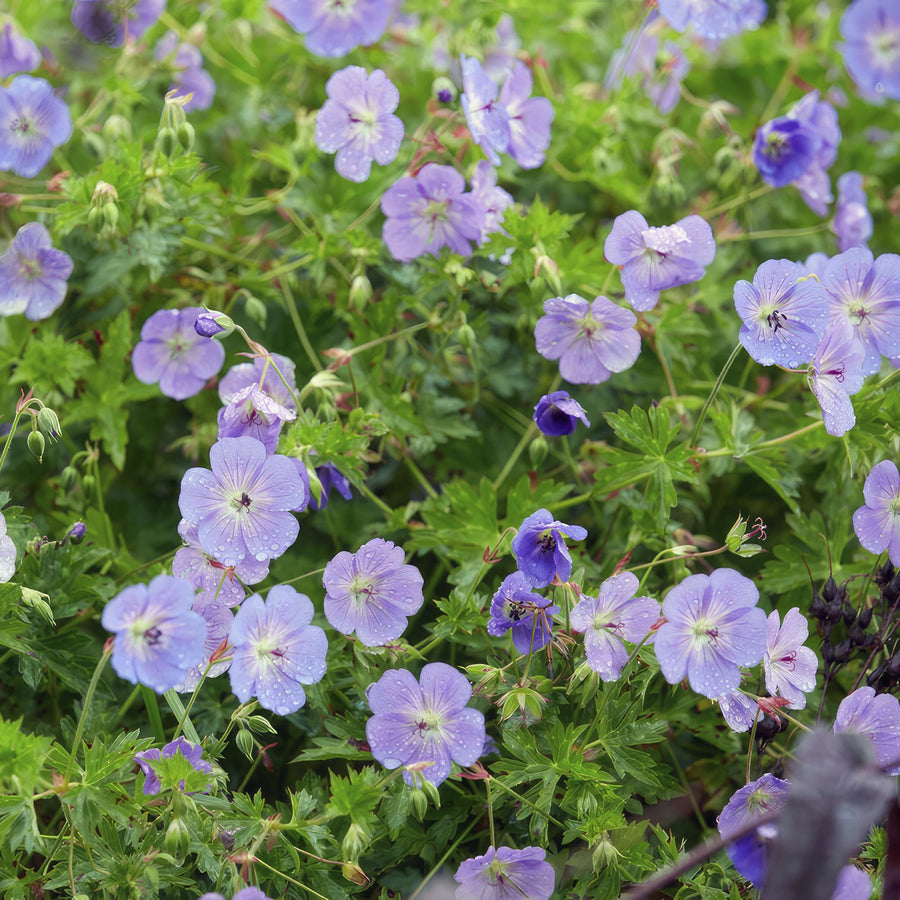
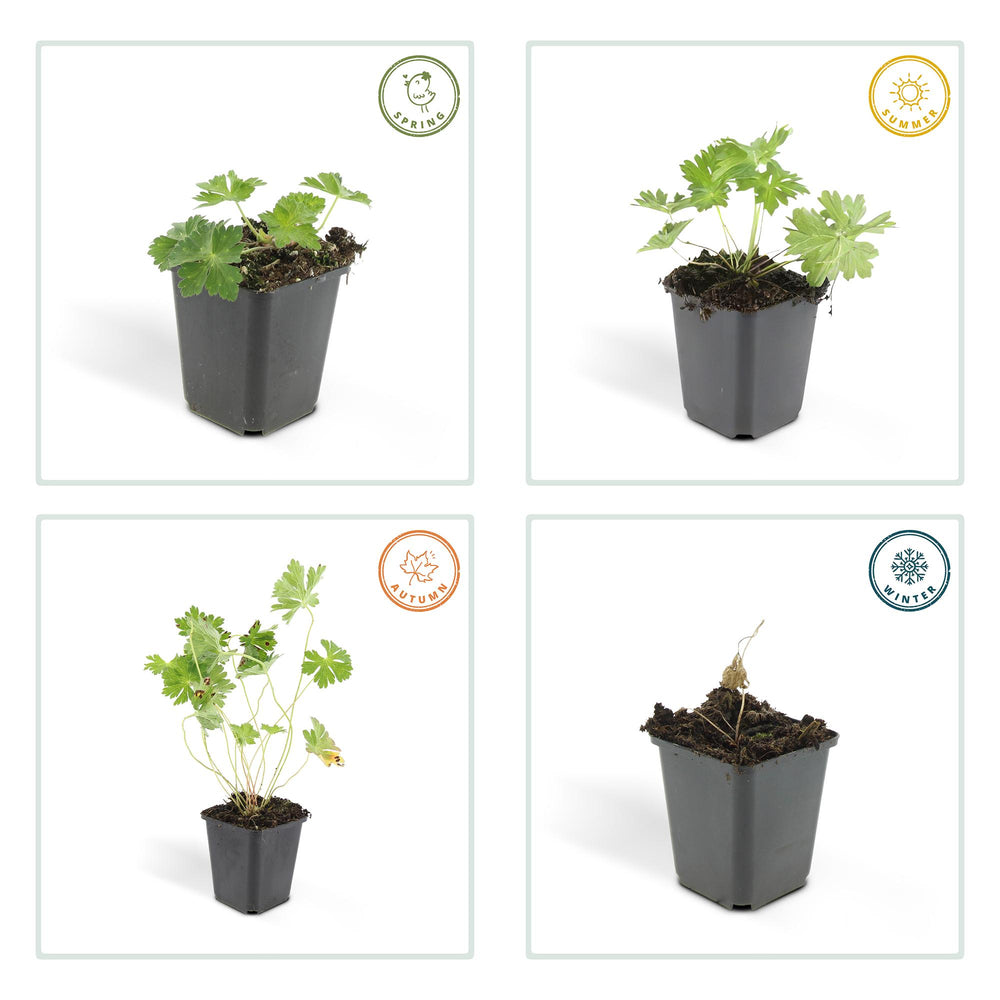




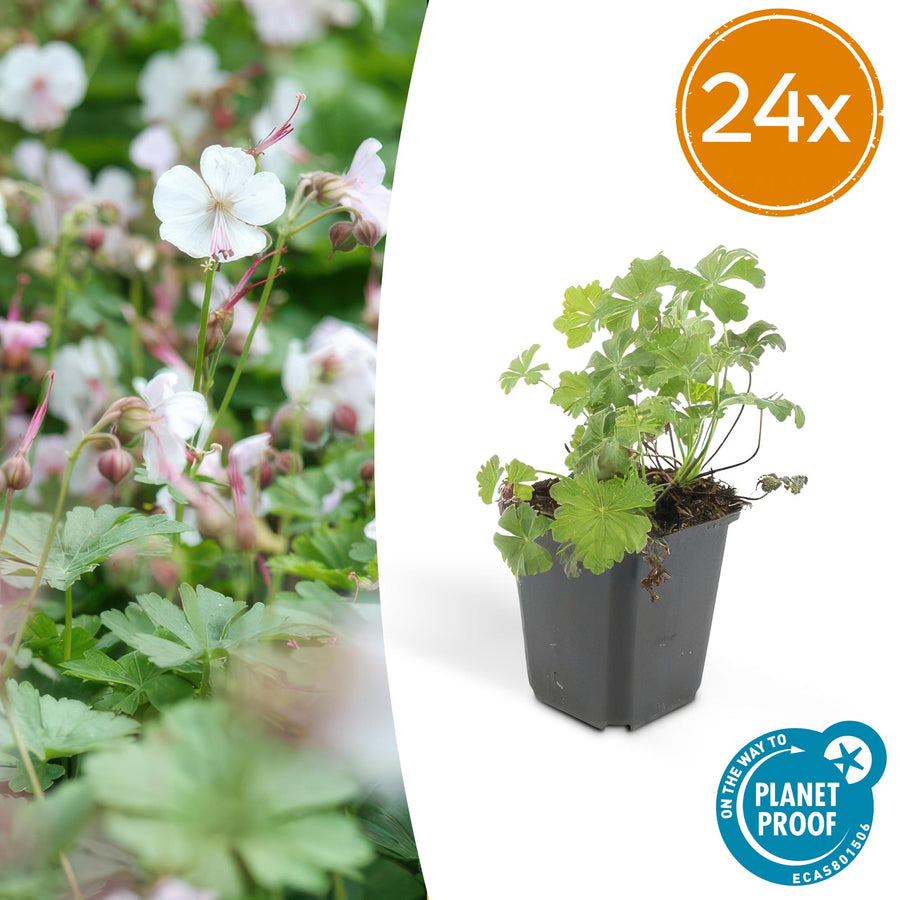
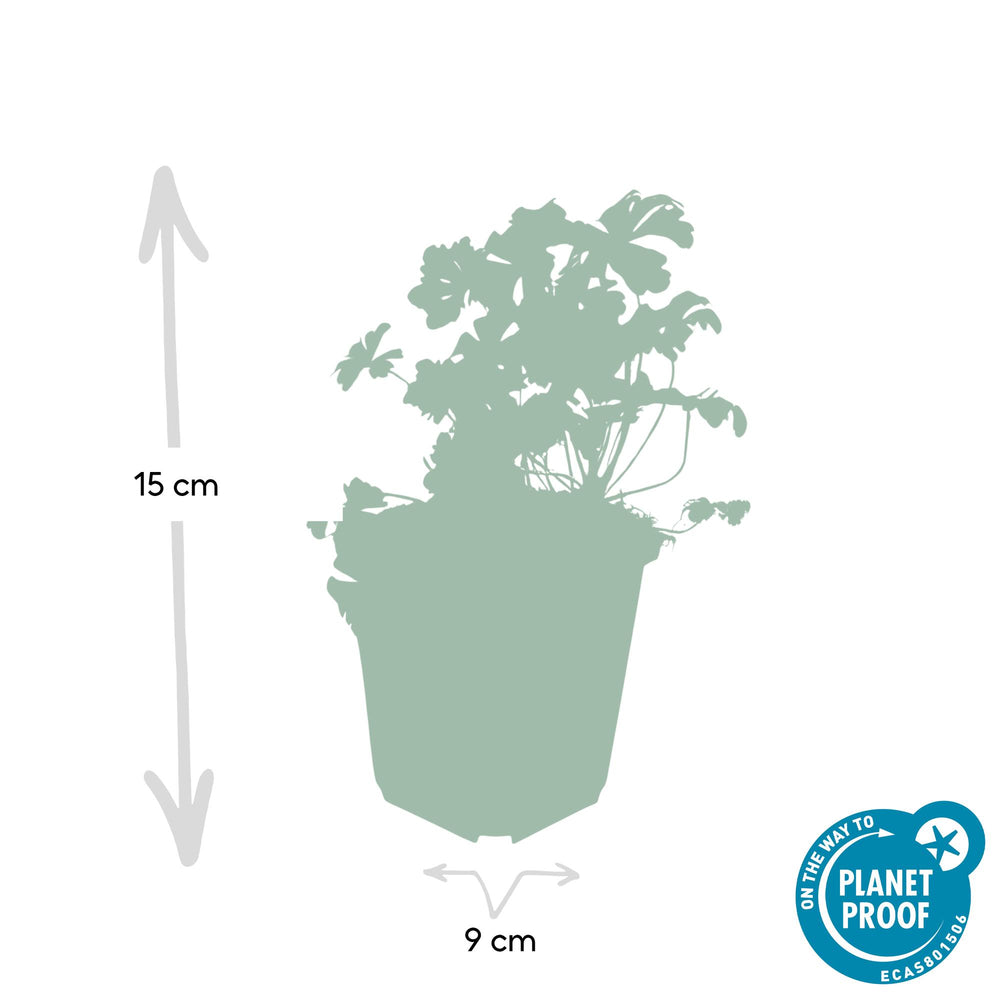
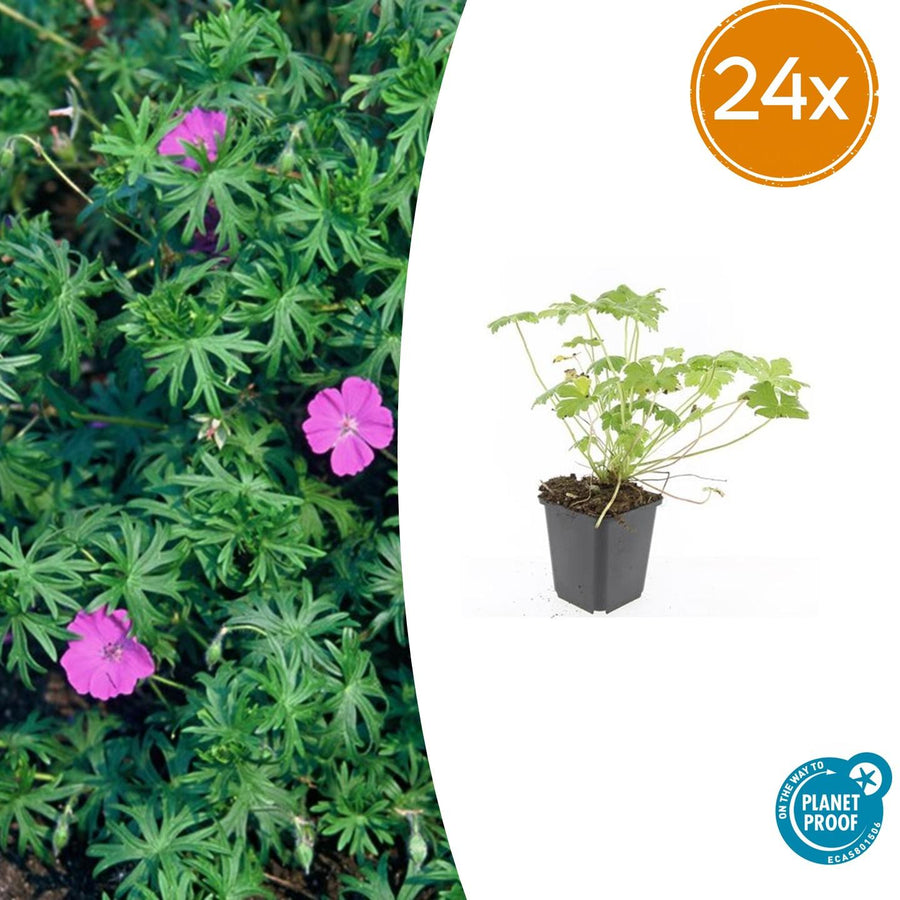
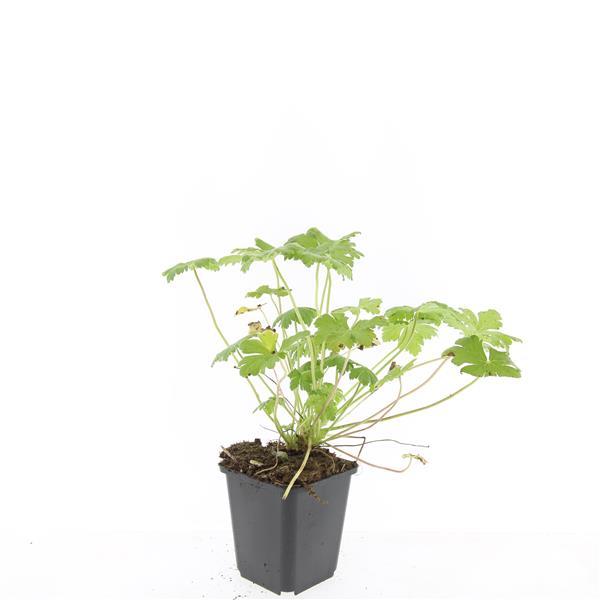
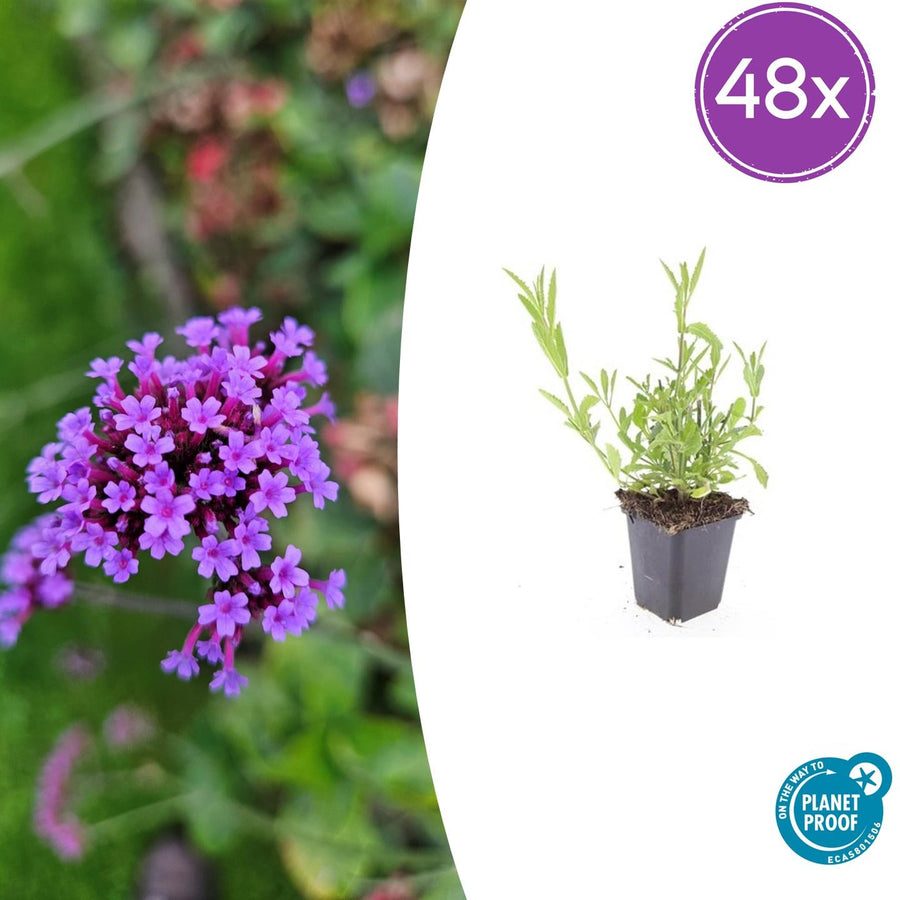
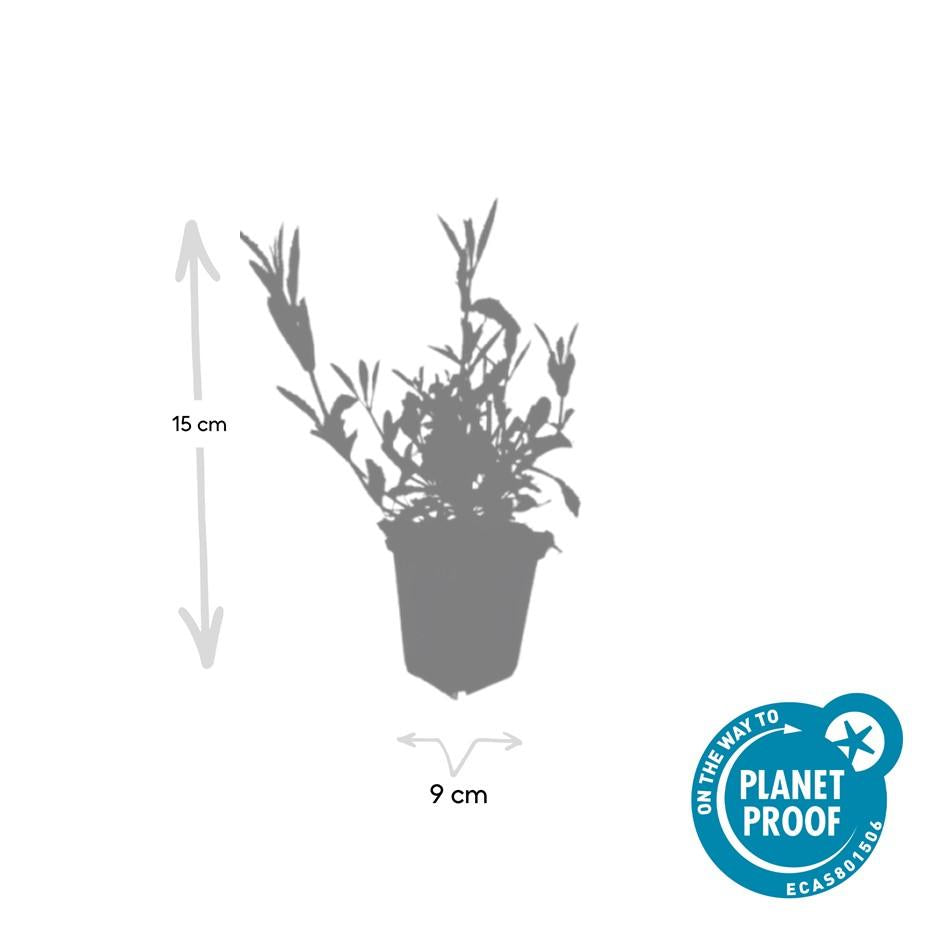








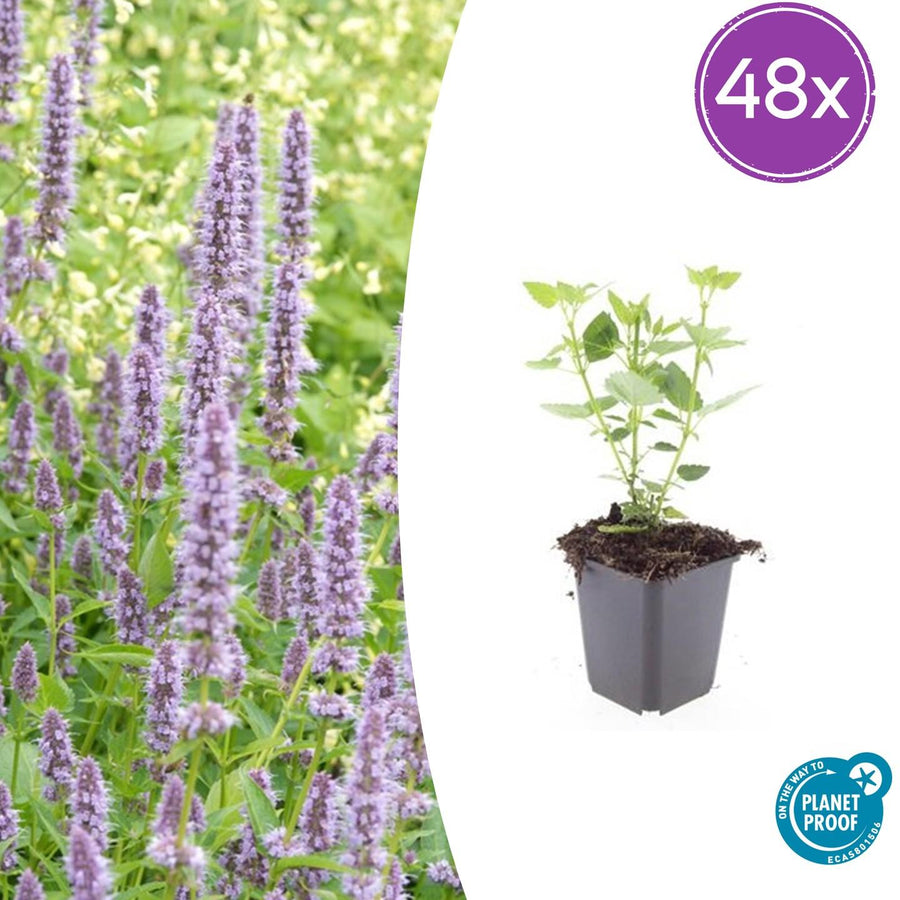
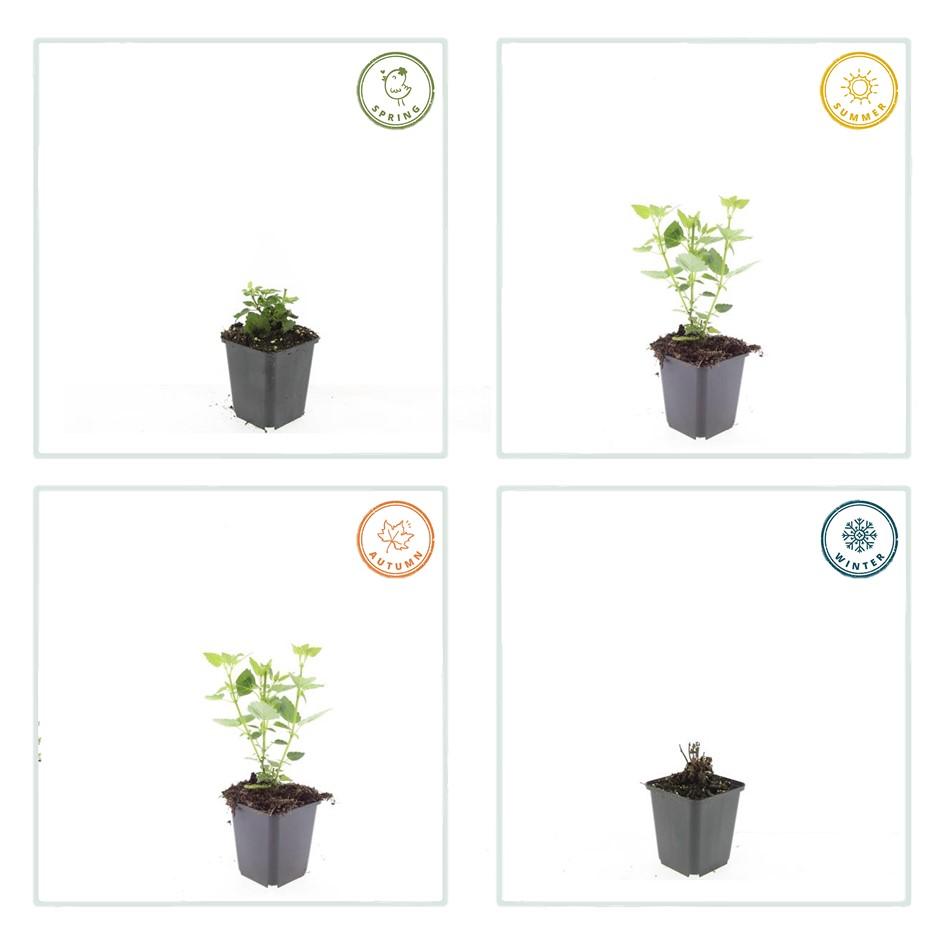
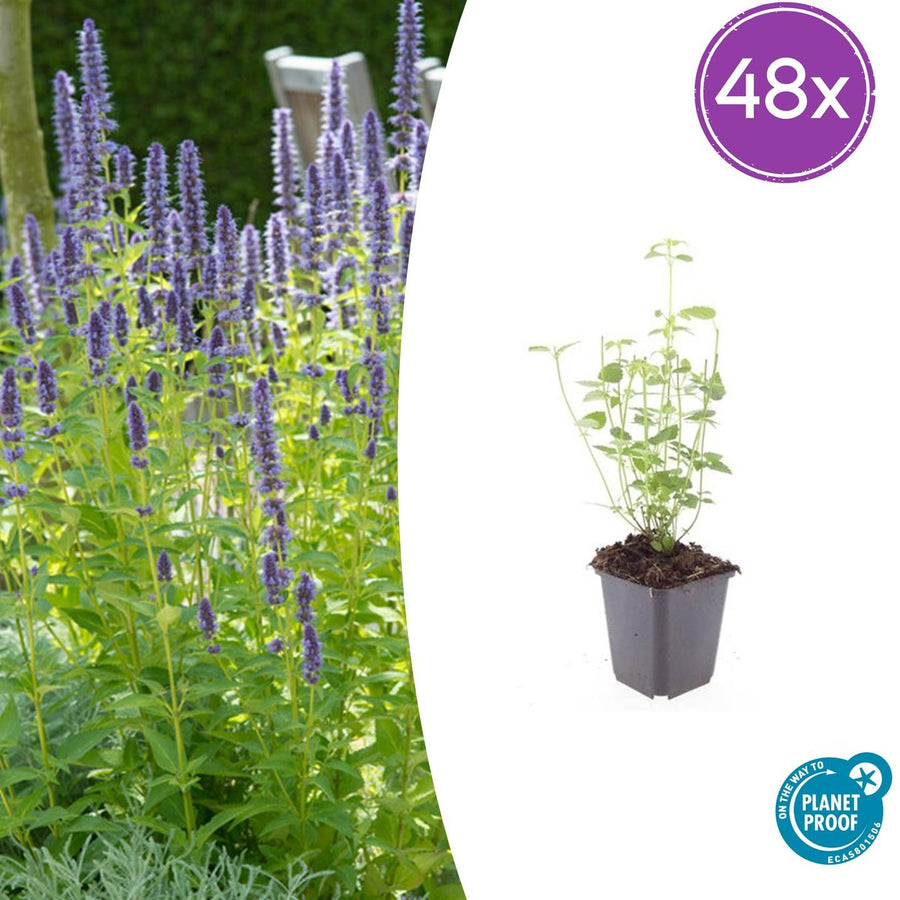
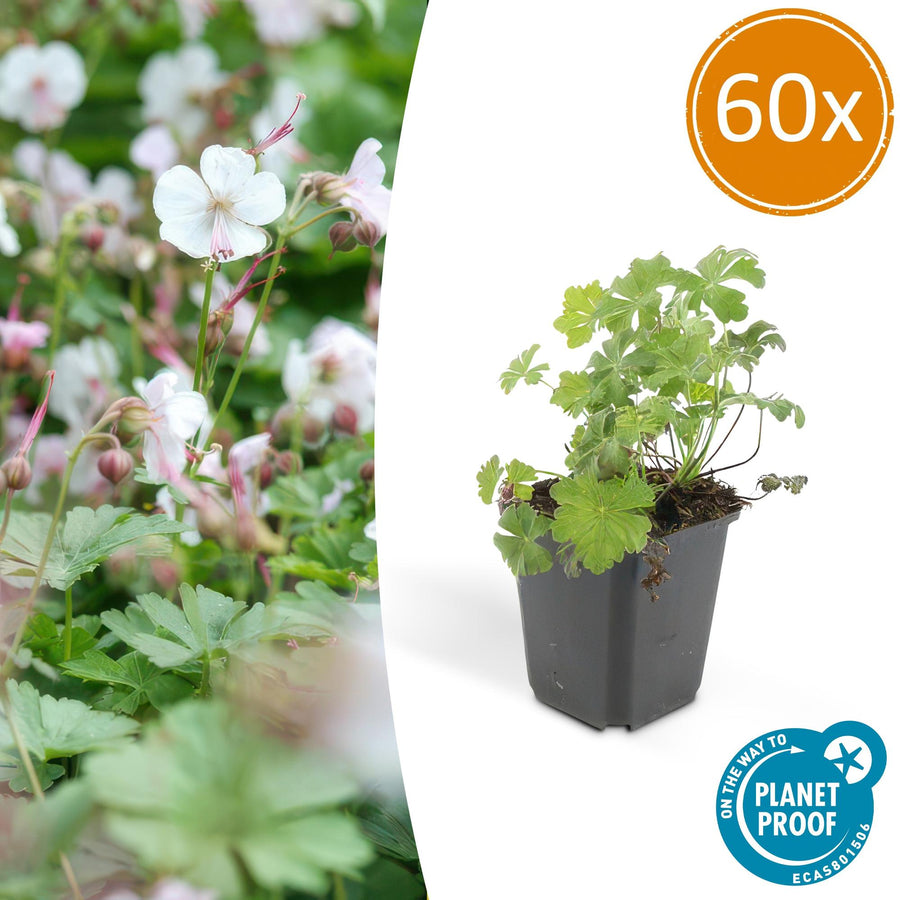
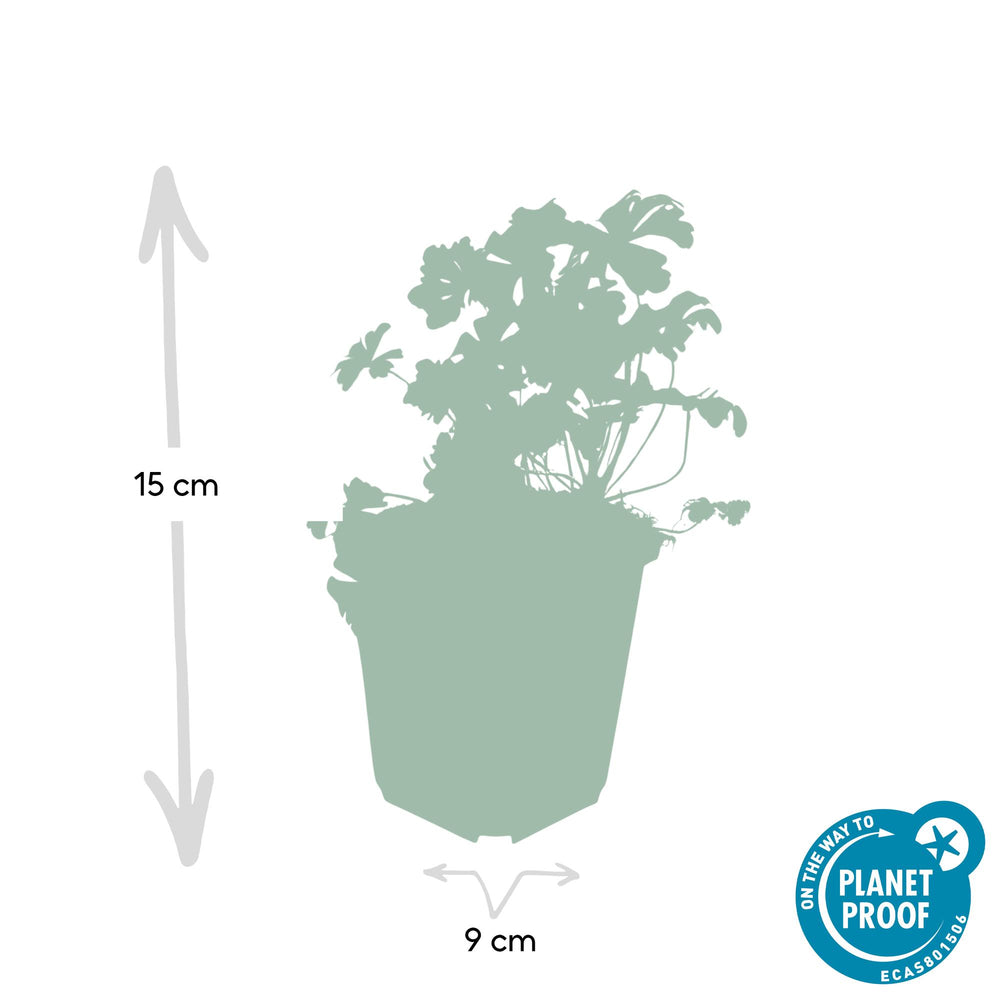
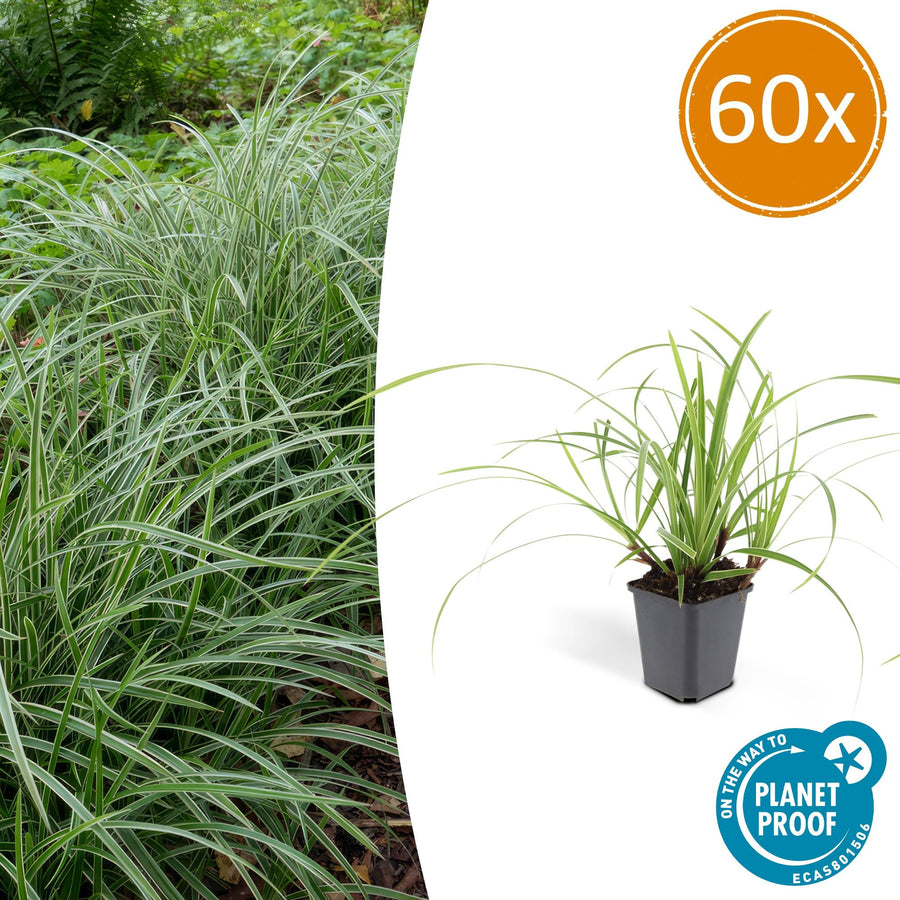
Which plants suit a gravel garden?
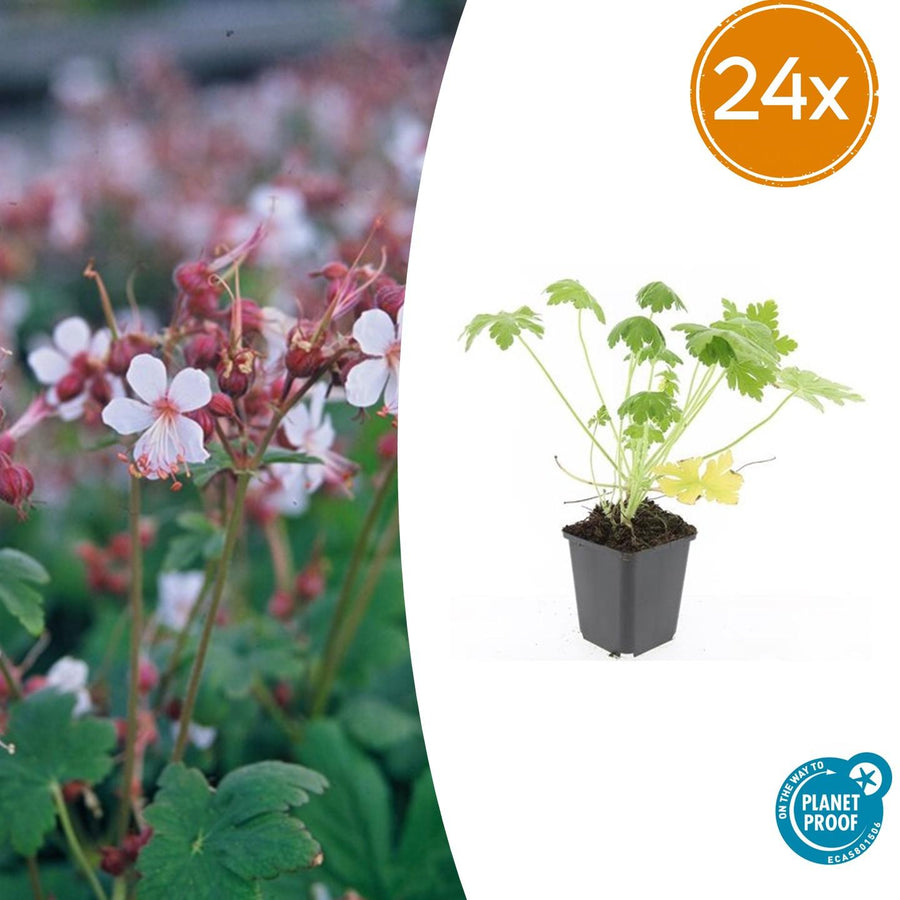
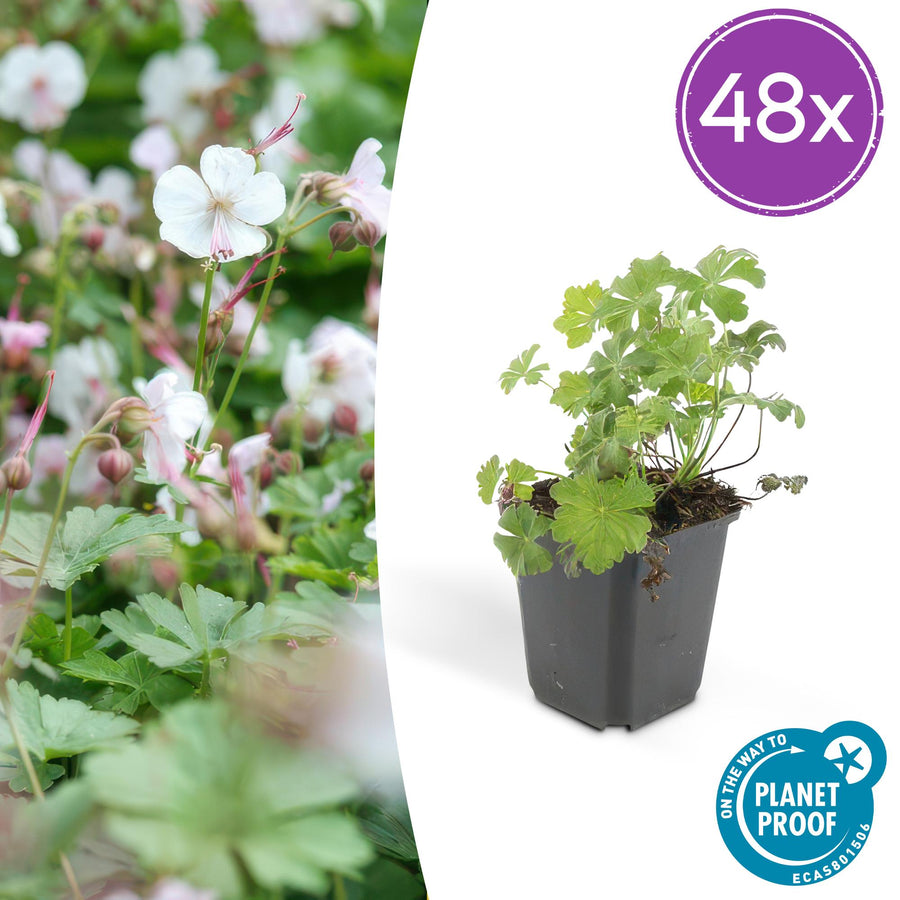
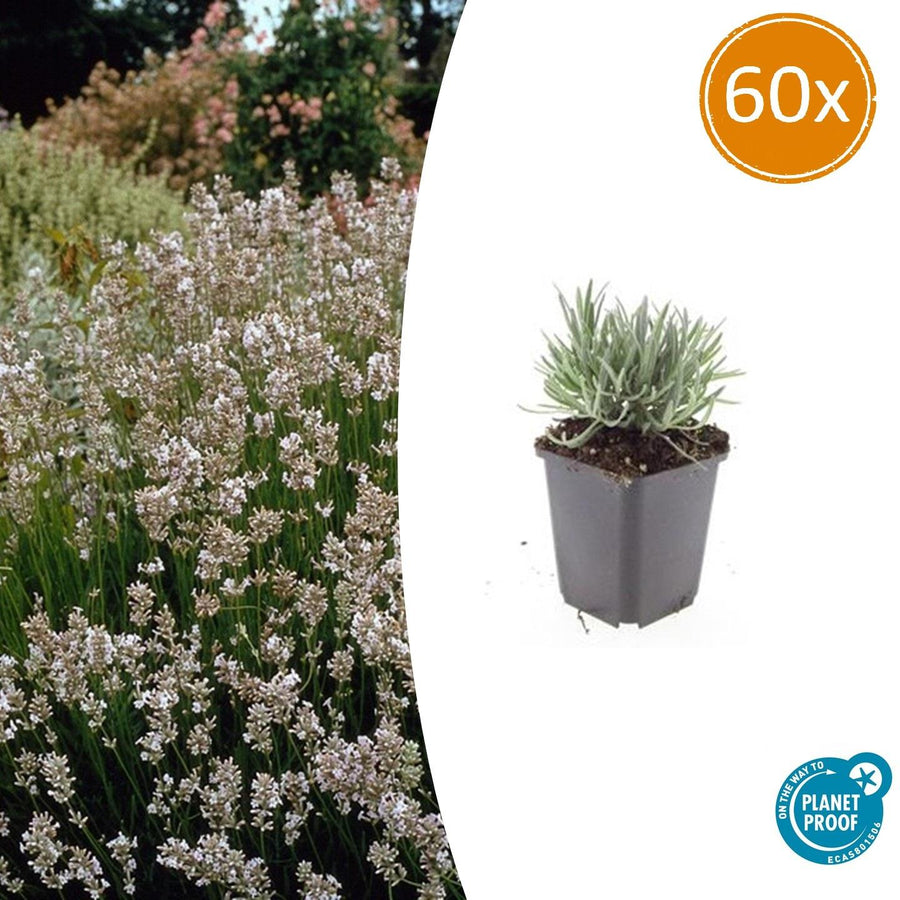
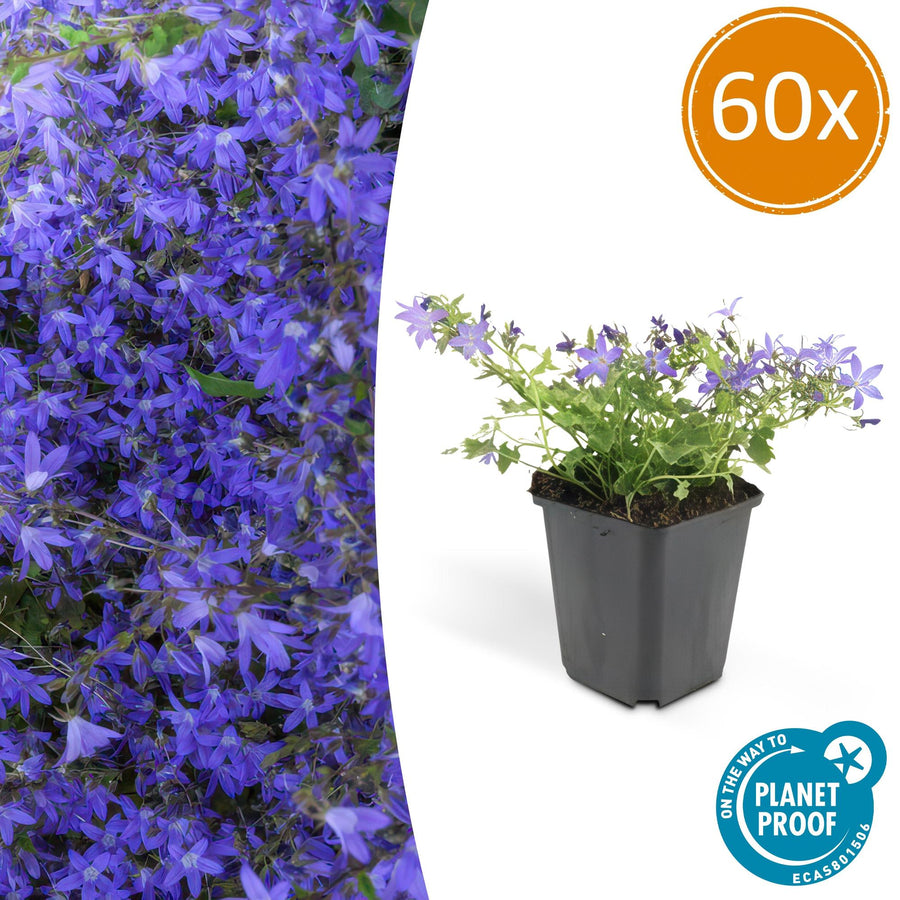
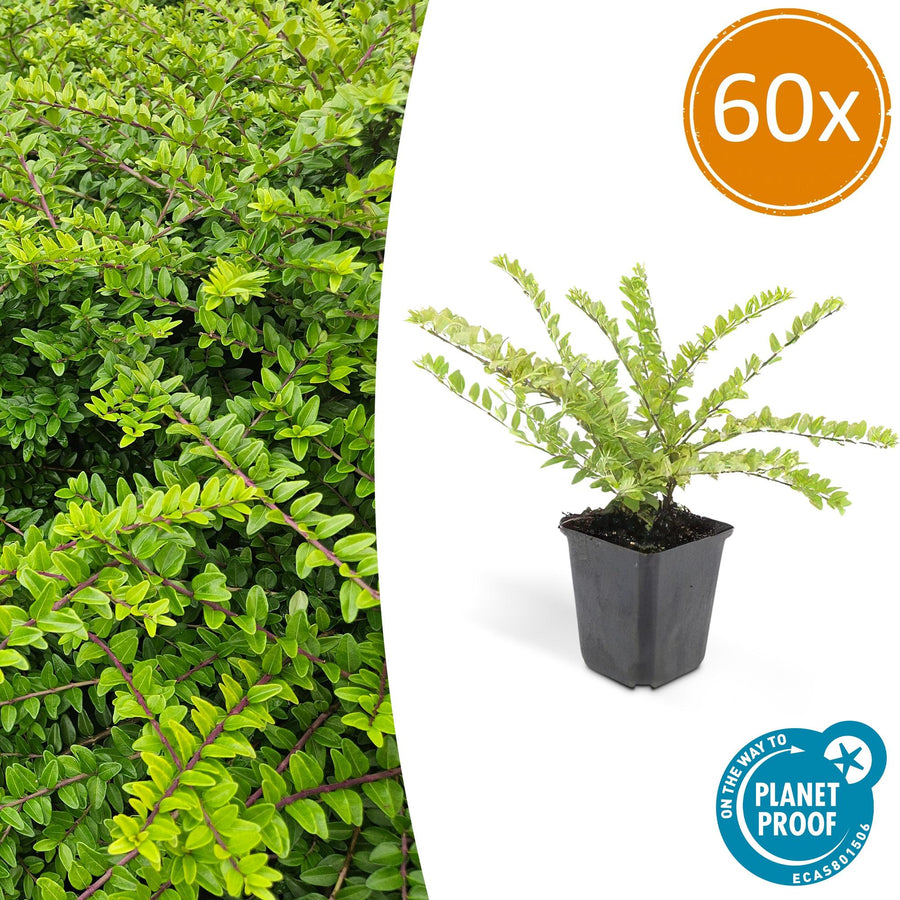
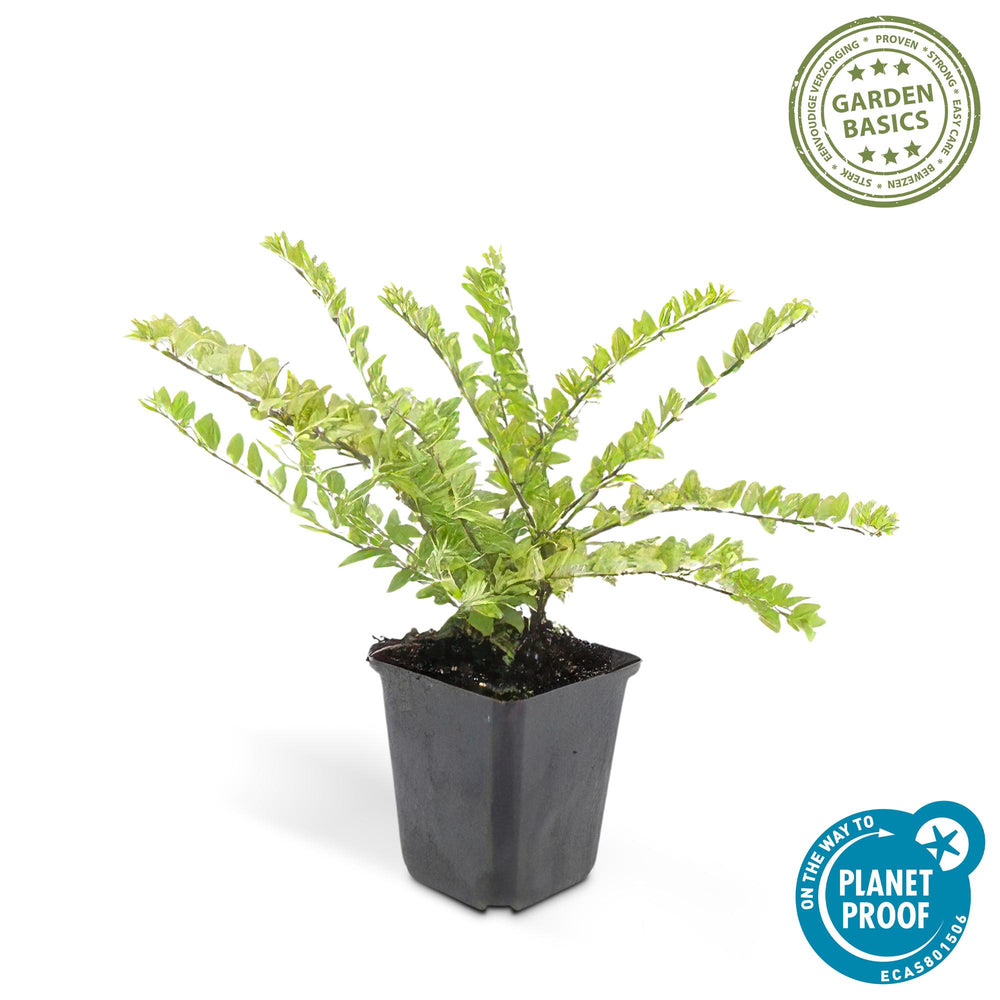
A gravel garden needs sun and free-draining soil, and the plants below are young plants chosen for those conditions; the RHS lists lavender, Verbena and Phlomis among the plants that are ideal for Mediterranean-style drought-tolerant planting, and our data shows which ones the RHS Plant Finder lists as drought tolerant.
| Plant | RHS hardiness | Size (height x spread) | Sun | Good to know |
|---|---|---|---|---|
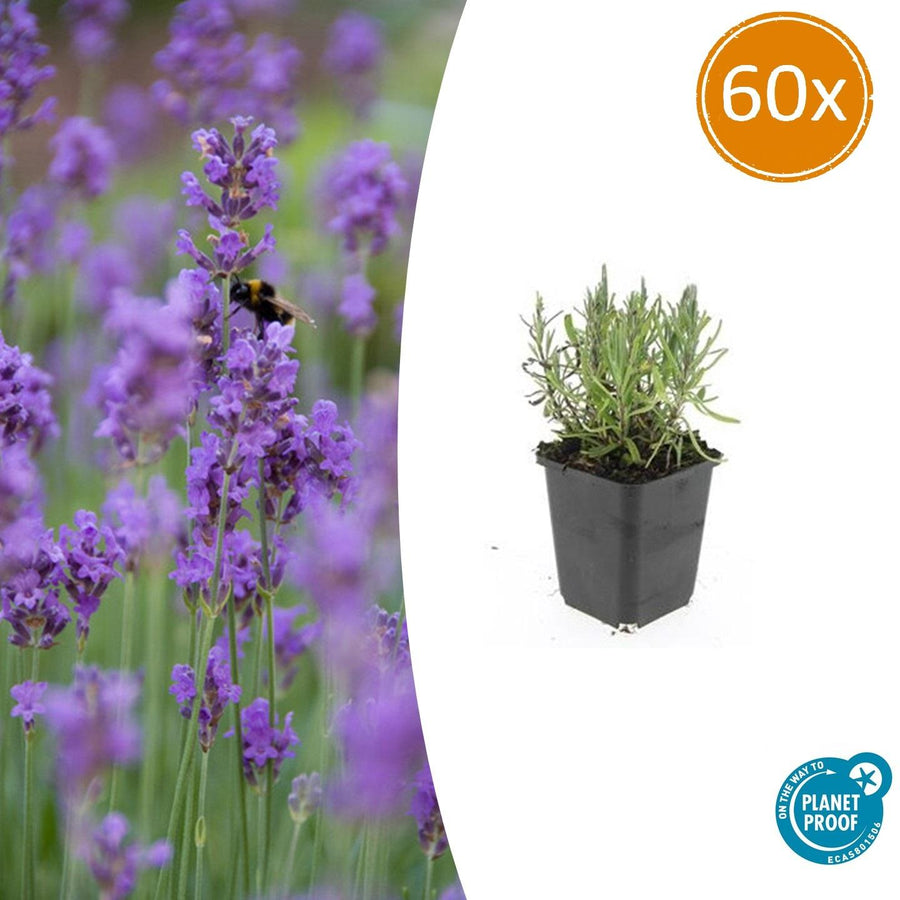
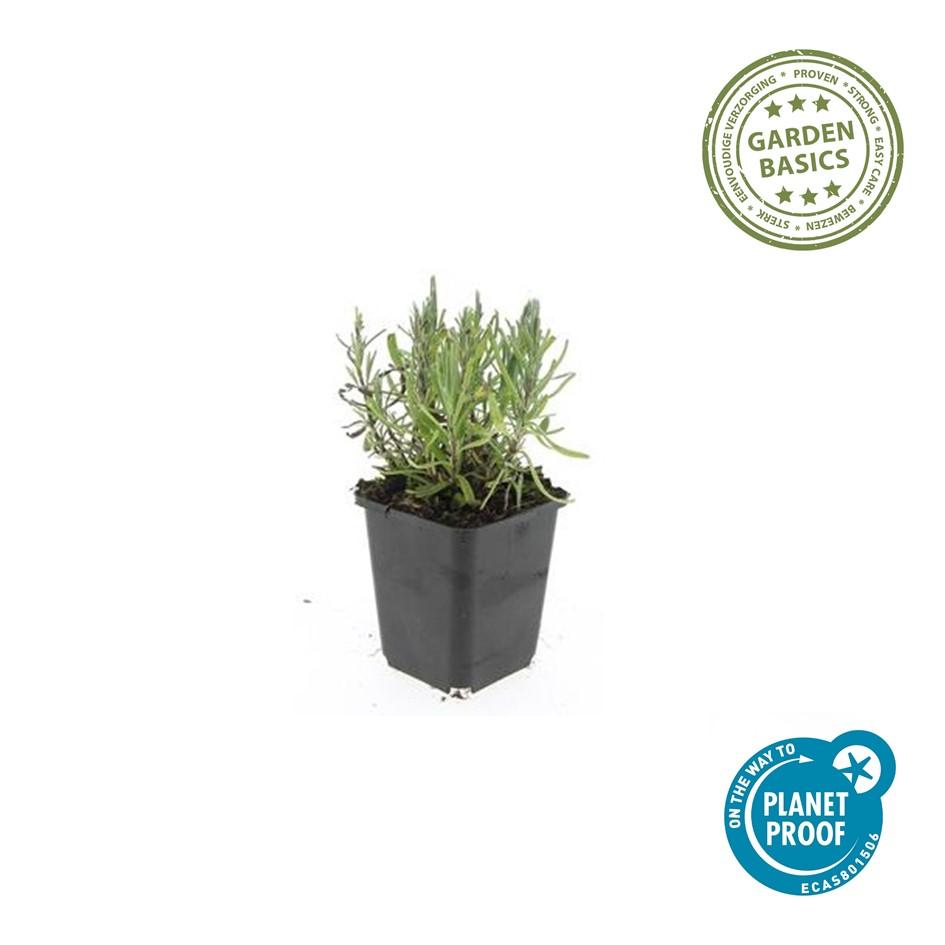
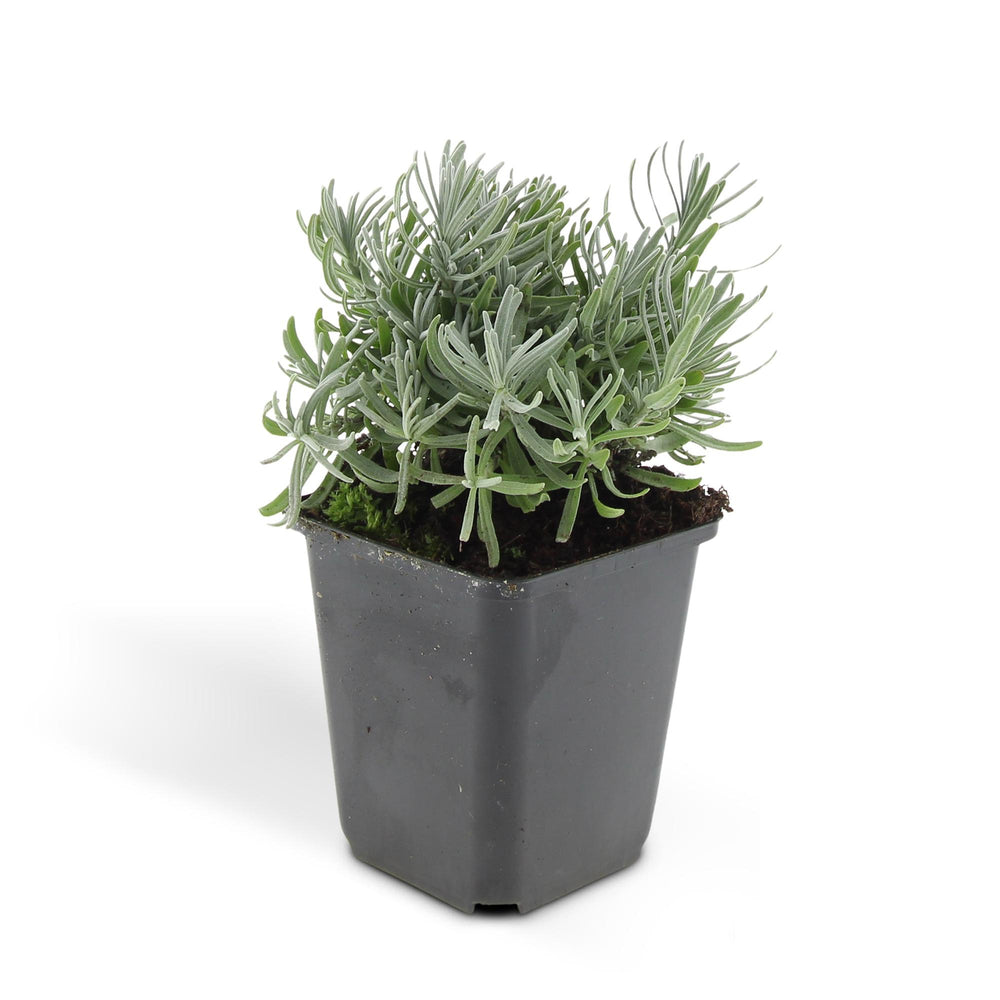
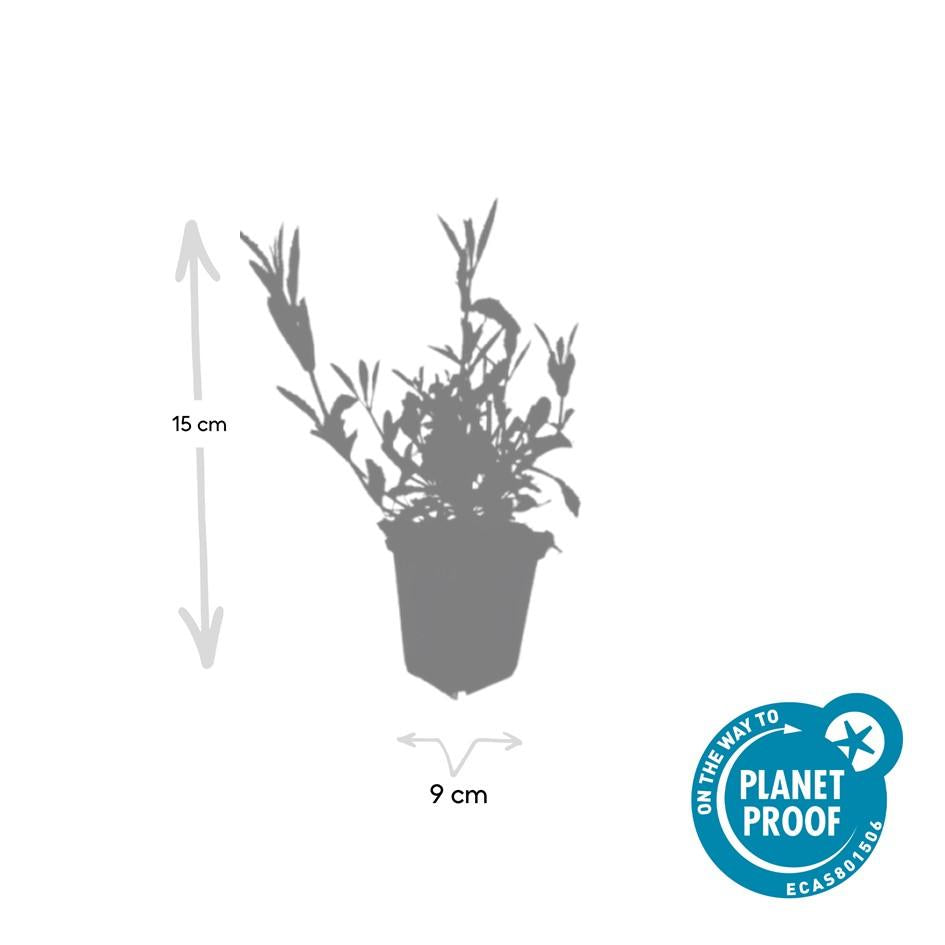
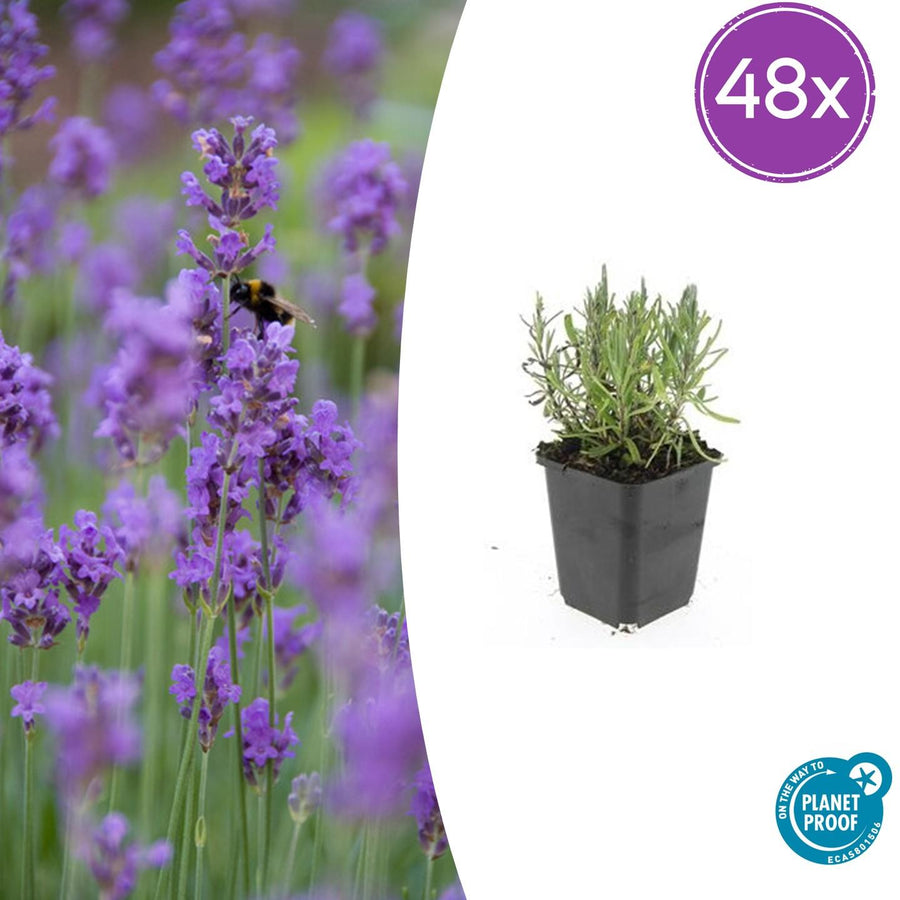
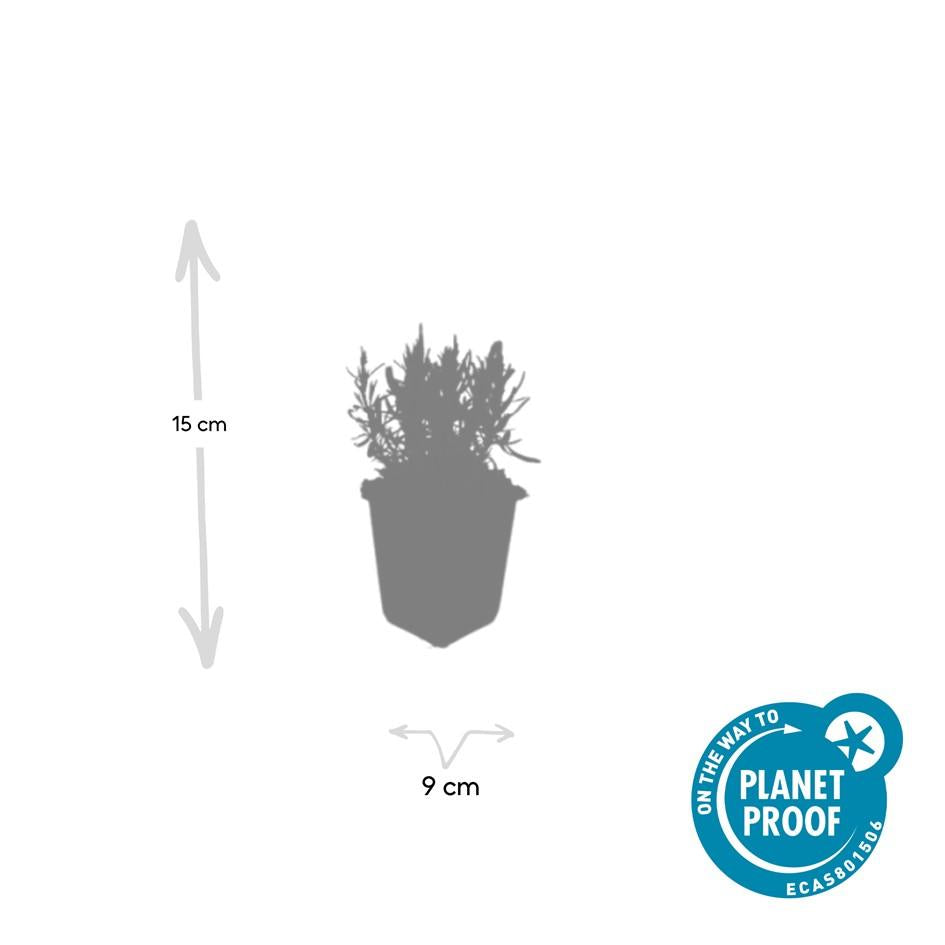
| Lavender (Lavandula) | H5 (to about -10 °C) | 0.1 to 1 m tall, 0.1 to 1.5 m wide | Full sun | Evergreen, summer flowers; listed as drought tolerant |
| Thyme (Thymus) | H4 to H5 (to about -5 °C or -10 °C) | Up to 0.5 m tall, 0.1 to 0.5 m wide | Full sun | Evergreen; two of three kinds listed as drought tolerant |
| Sea thrift (Armeria maritima 'Splendens') | H5 (to about -10 °C) | 0.1 to 0.5 m tall and wide | Full sun | Spring and summer flowers; listed as drought tolerant |
| Globe thistle (Echinops ritro) | H7 (to about -20 °C) | 0.5 to 1 m tall, 0.1 to 0.5 m wide | Full sun or partial shade | Summer flowers; listed as drought tolerant |
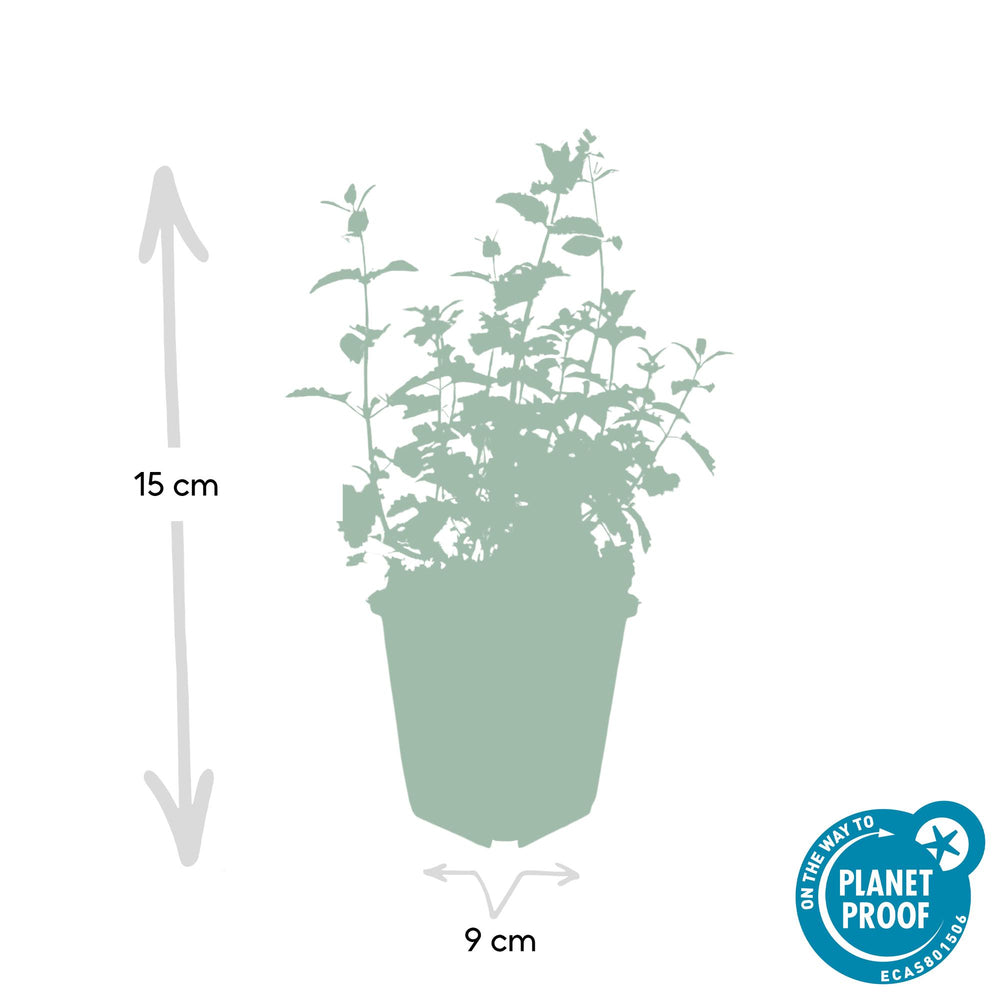
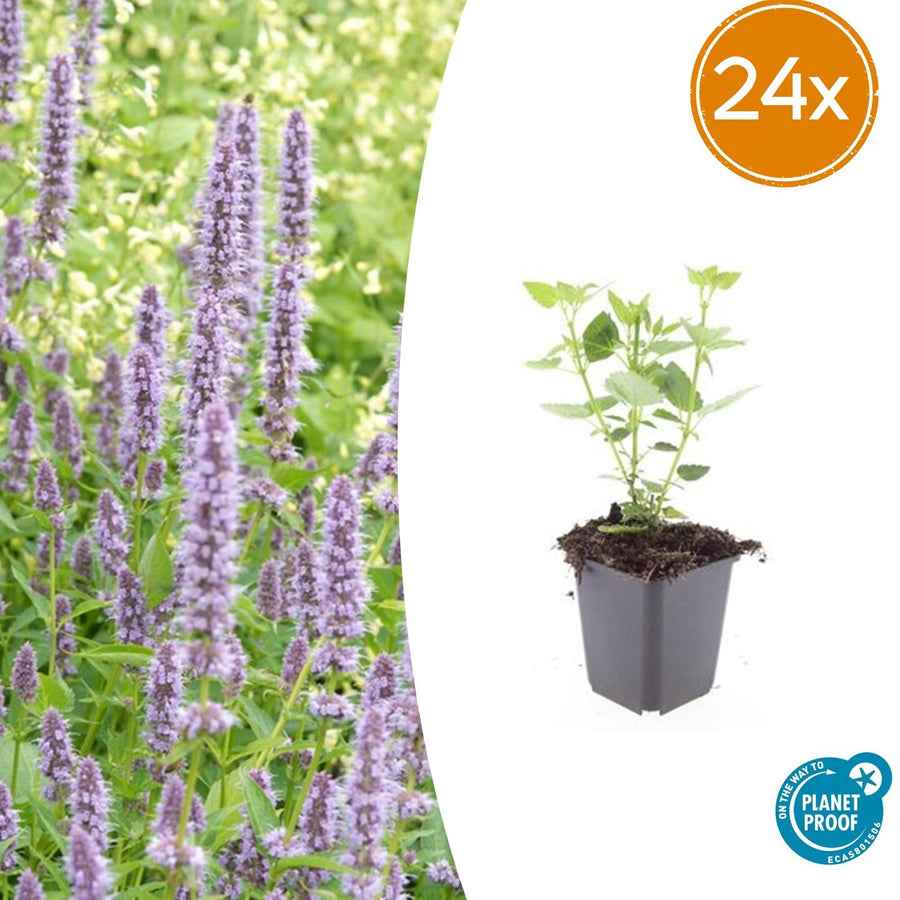
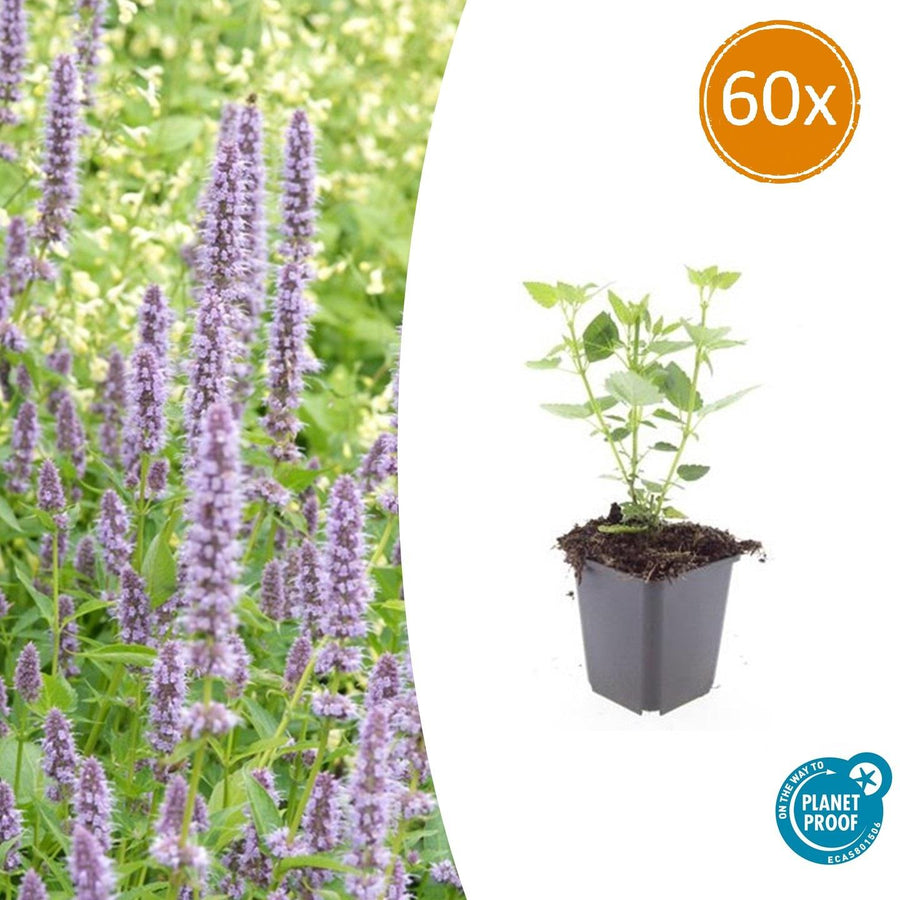
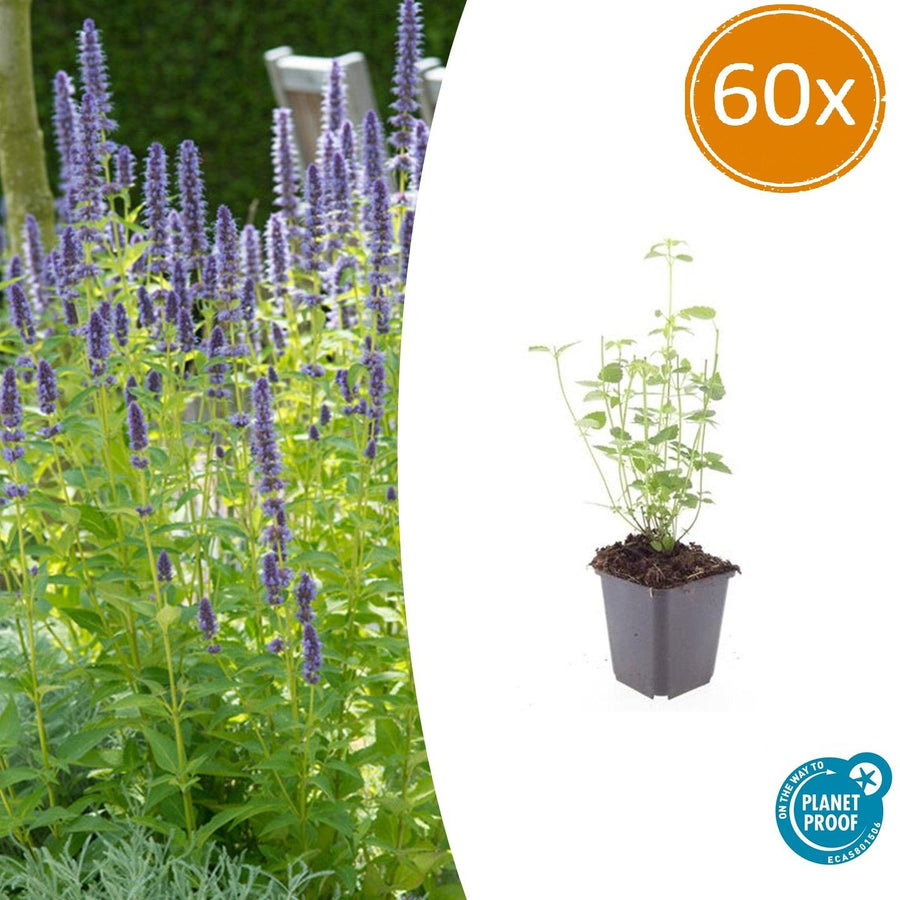
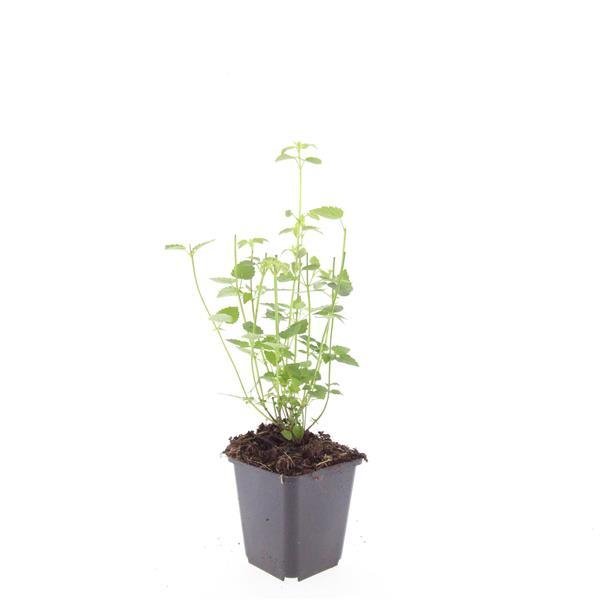
| Catmint (Nepeta 'Six Hills Giant') | H7 (to about -20 °C) | 0.5 to 1 m tall and wide | Full sun or partial shade | Summer flowers; listed as drought tolerant |
| Calamint (Calamintha nepeta) | H5 (to about -10 °C) | 0.1 to 0.5 m tall and wide | Full sun | Summer and autumn flowers; listed as drought tolerant |
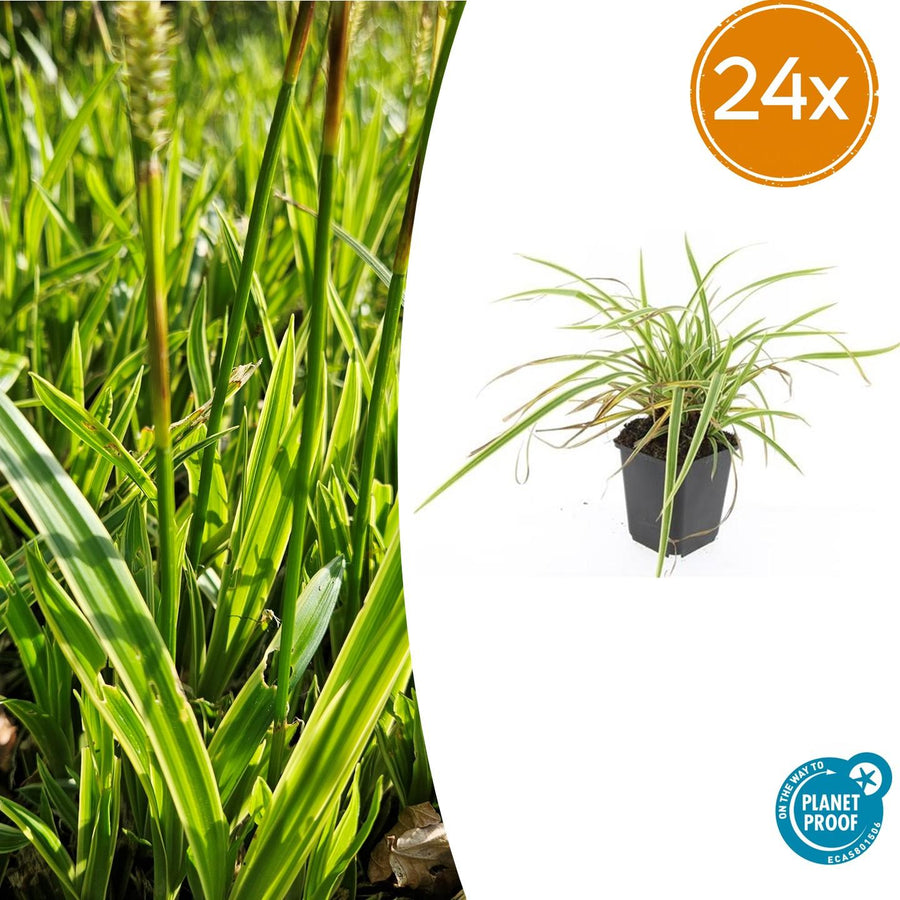
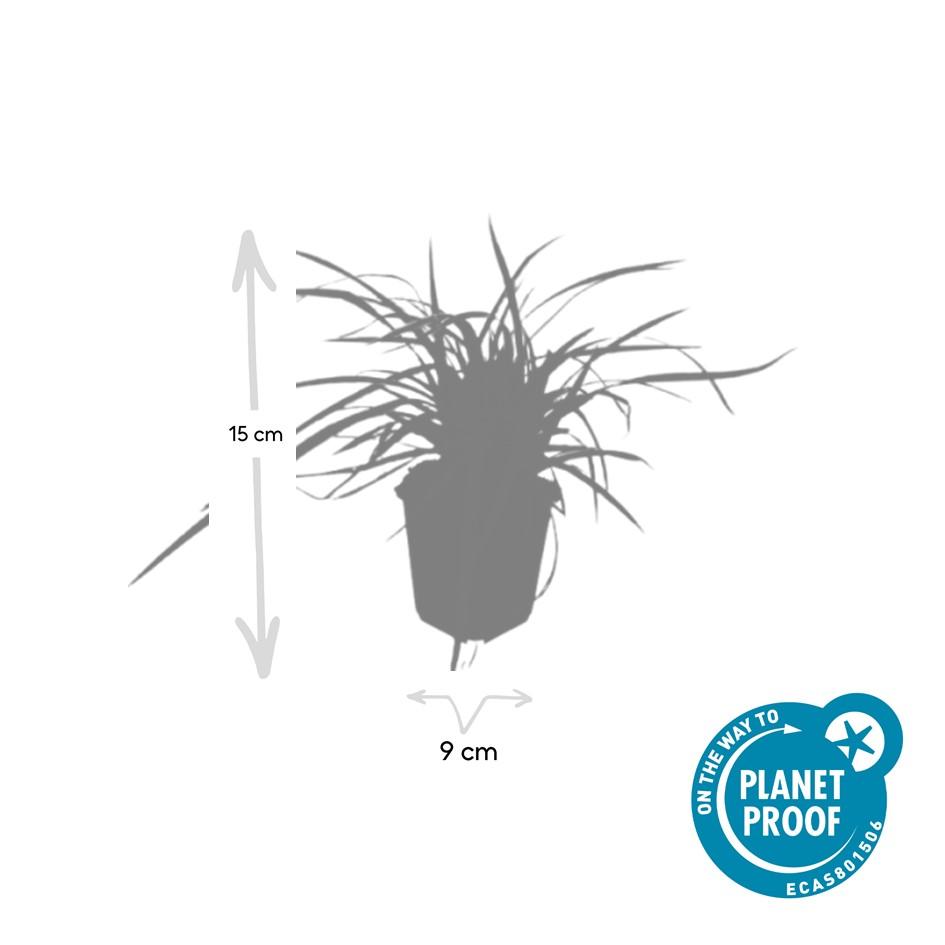
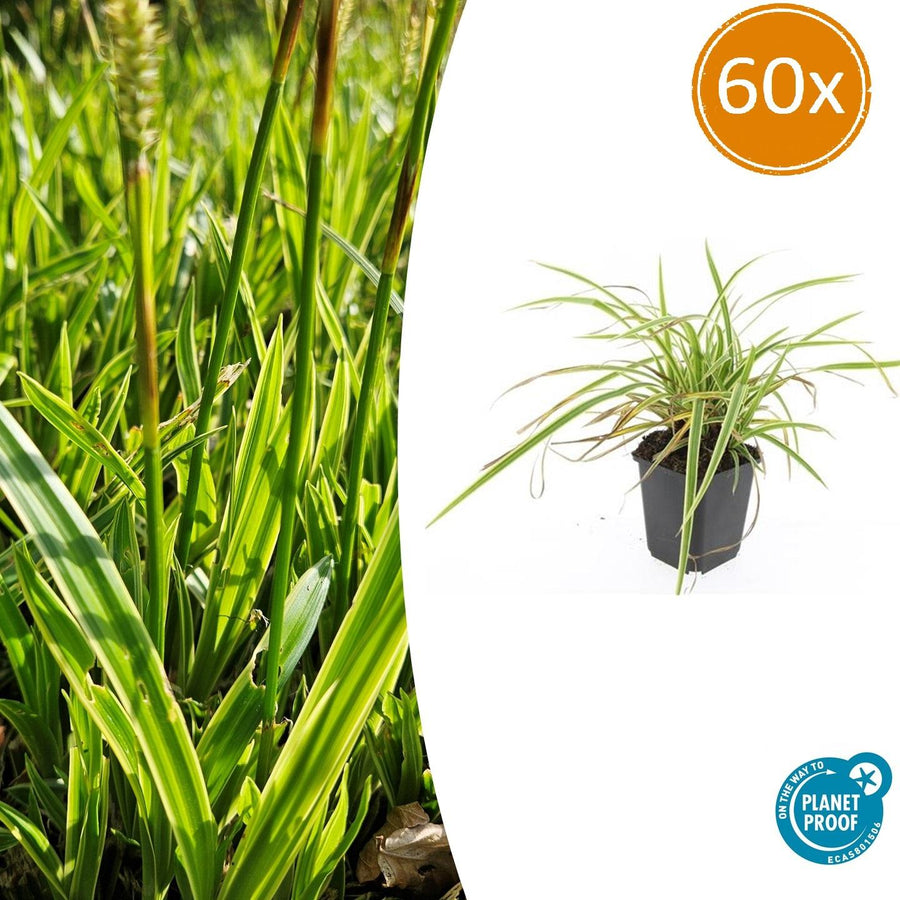
| Fescue (Festuca gautieri) | H5 (to about -10 °C) | 0.1 to 0.5 m tall and wide | Full sun or partial shade | Listed as drought tolerant |
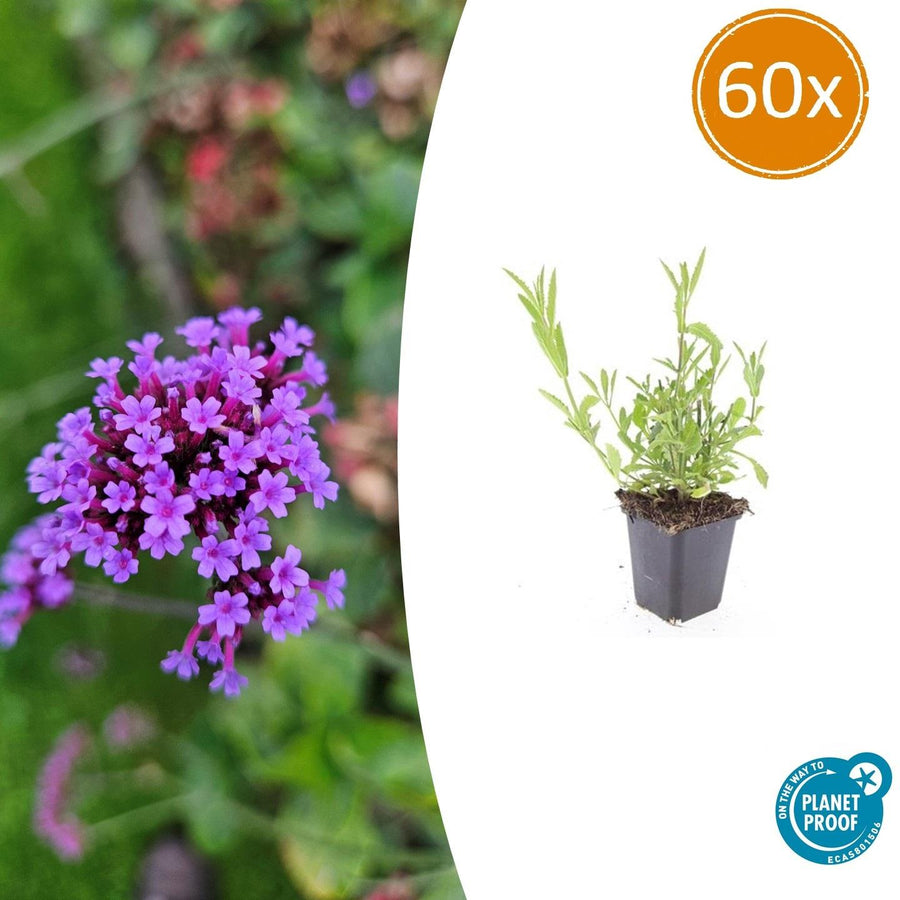
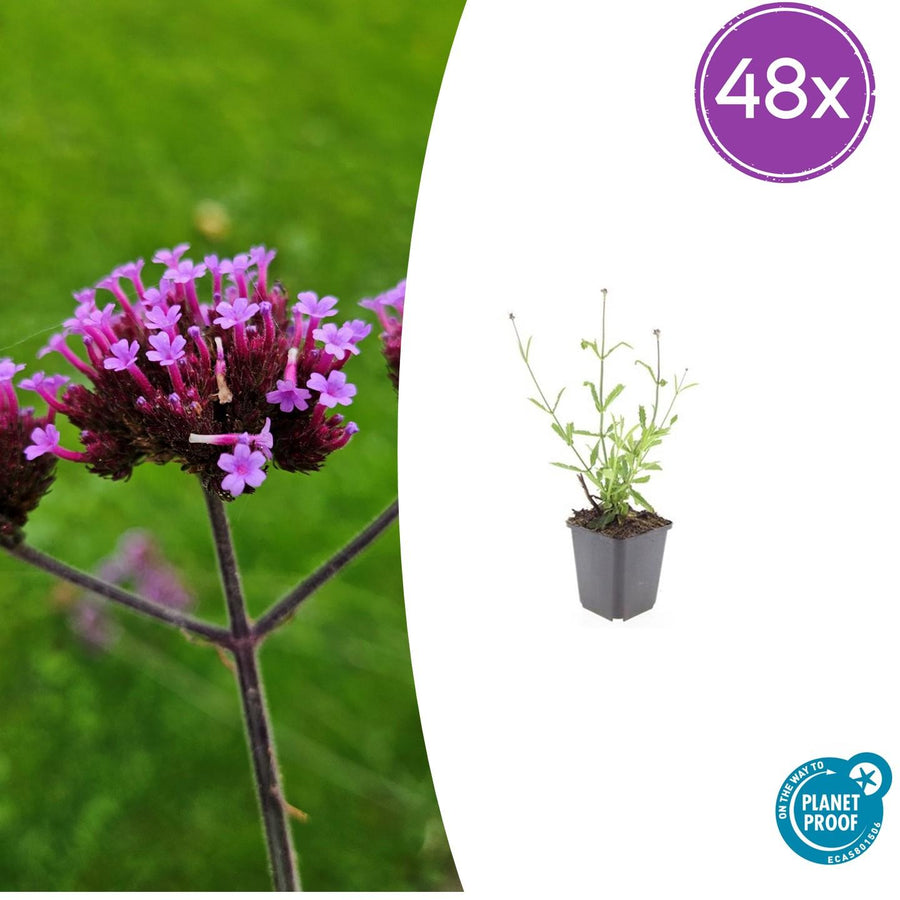
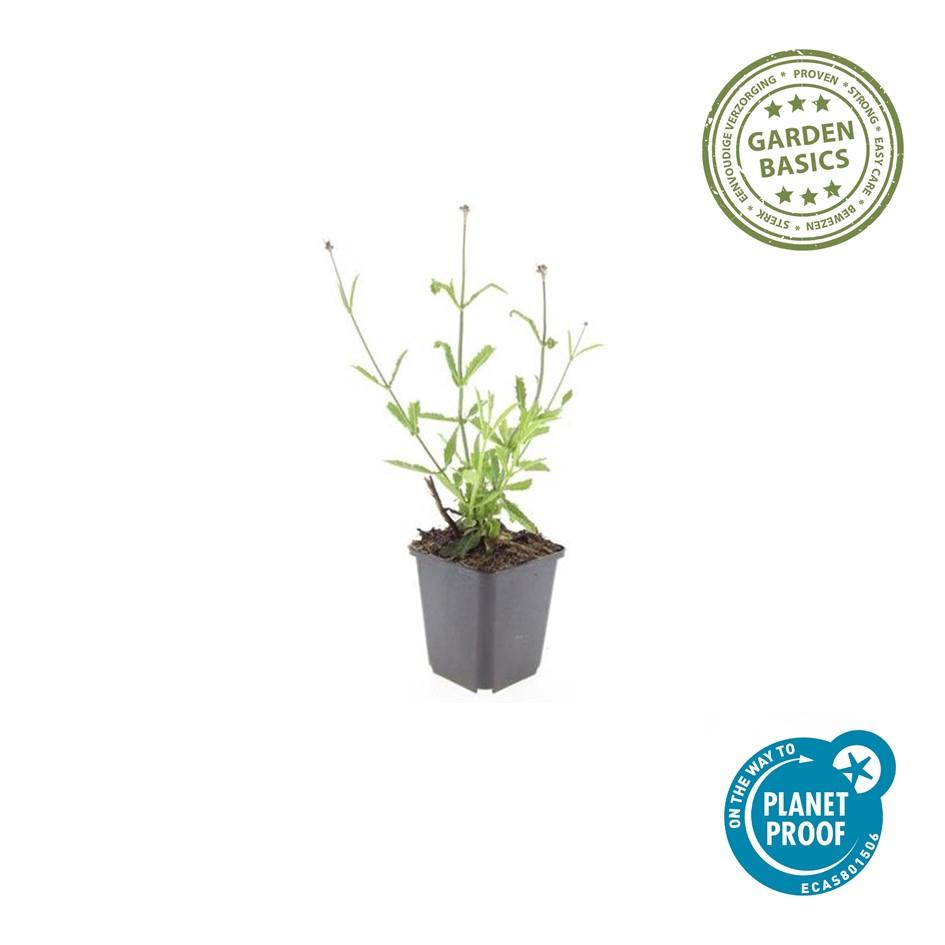
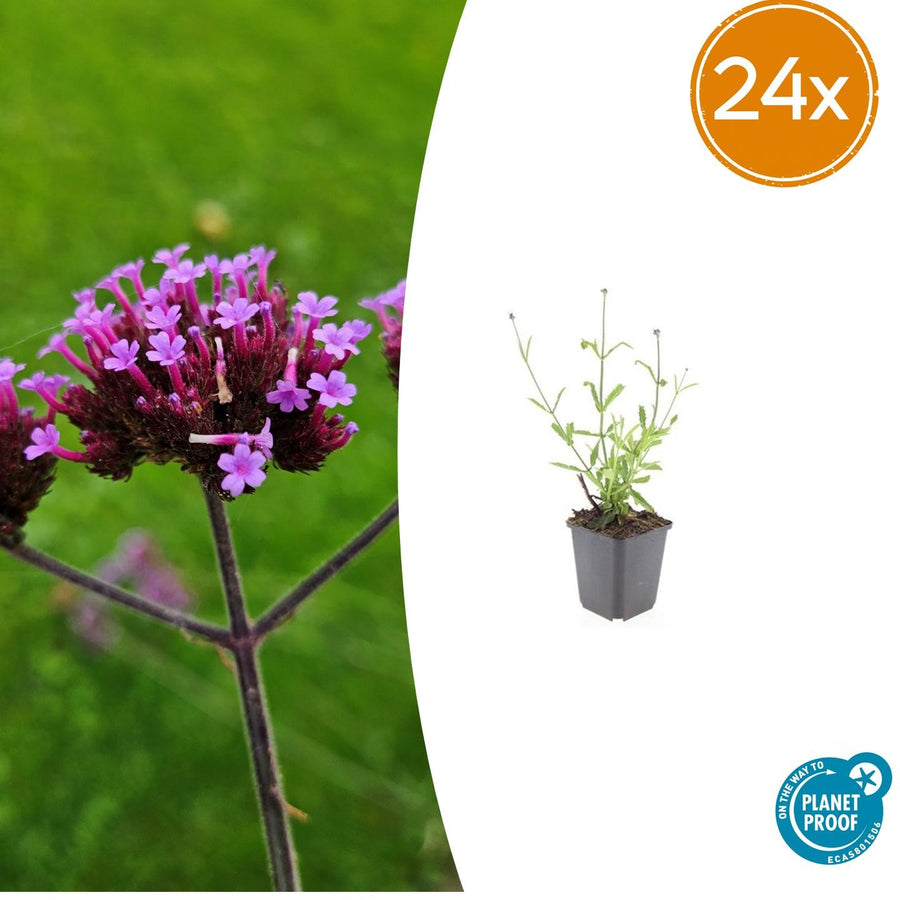
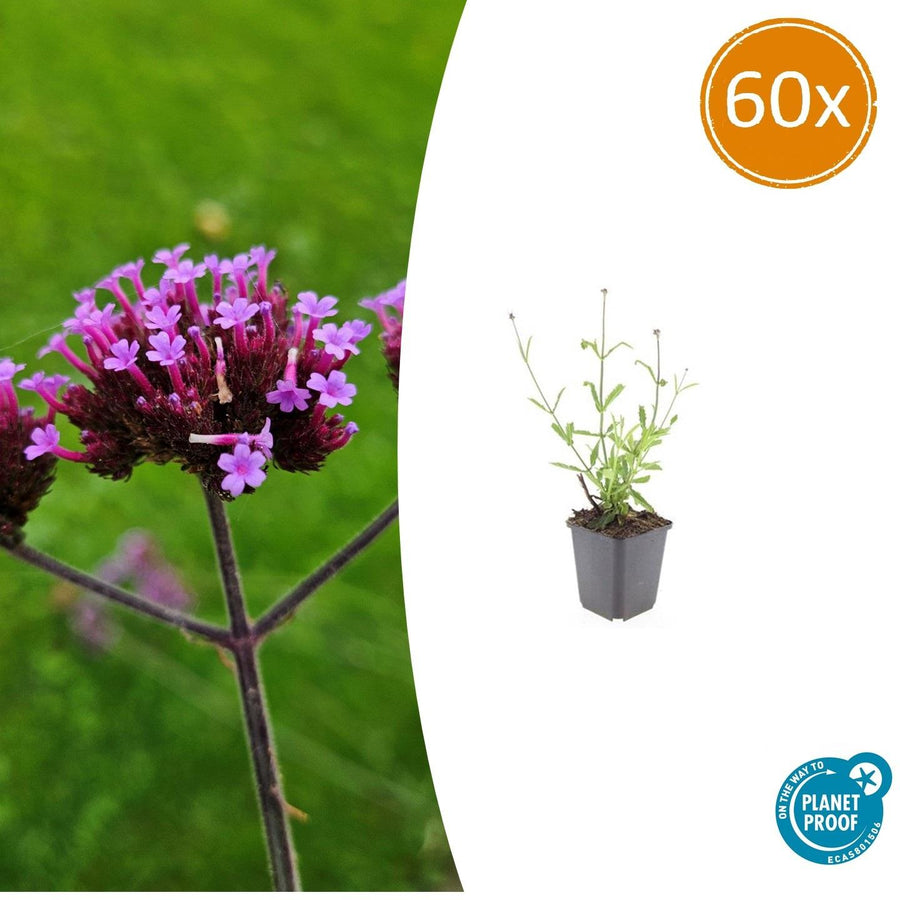
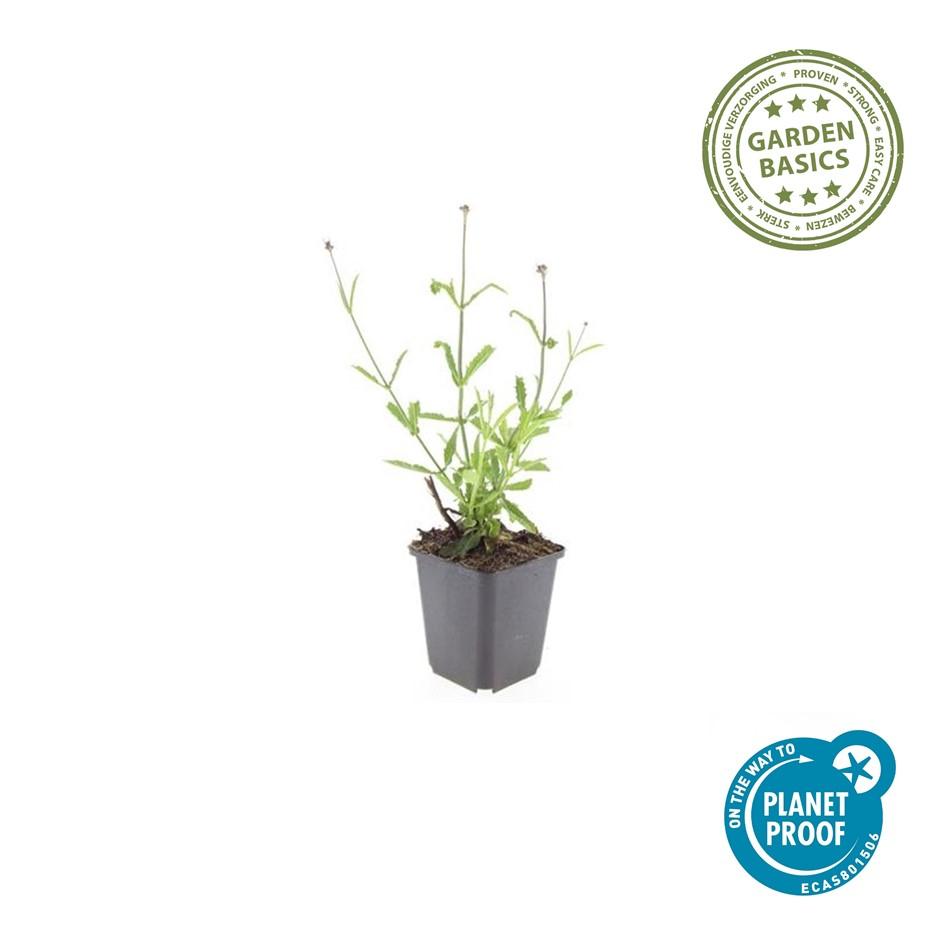
| Verbena (Verbena bonariensis) | H4 (to about -5 °C) | 0.5 to 2.5 m tall, 0.1 to 1 m wide | Full sun | Summer and autumn flowers; not marked drought tolerant |
Hardiness, size and sun come from the RHS Plant Finder. Minimum temperatures are the warm end of each RHS band, so they err on the cautious side.
Making a gravel garden
The RHS says gravel garden plants thrive in unimproved sandy soil with relatively low fertility, in a sunny, well-drained spot. On clay, the RHS suggests working in plenty of organic matter. If the ground is heavy, damp or has a high water table, the RHS advises that gravel garden plants may not thrive and a different style of planting may suit better.
Gravel depth, membrane and weeds
The RHS gives a 25 kg bag of gravel as covering 0.6 square metres to a depth of 5 cm (2 in), and notes that gravel applied thinly can mix with the soil underneath and let weeds through. If you do not want plants to self-seed, the RHS suggests laying landscape fabric first and cutting a cross for each rootball. Without fabric, expect some weeding and self-seeding, which can look natural. Weeding is heaviest in the first few years.
Planting, spacing and watering
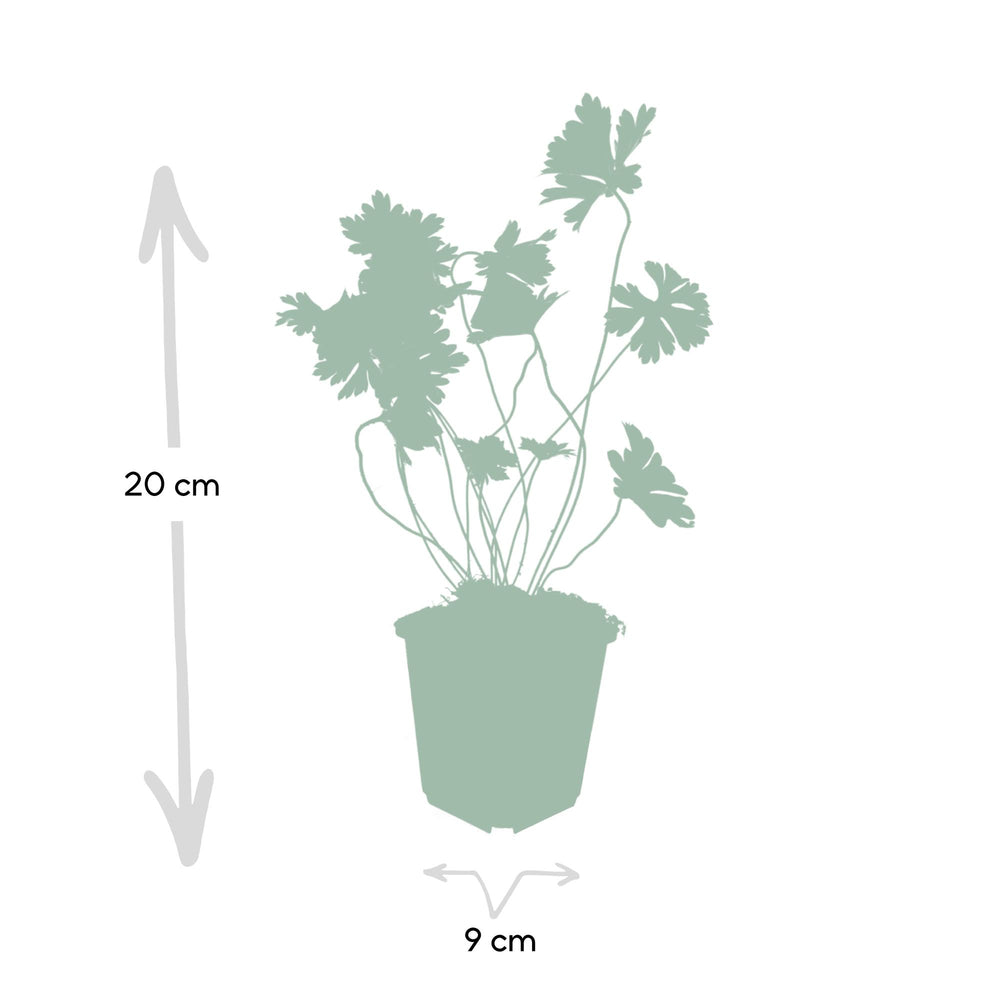
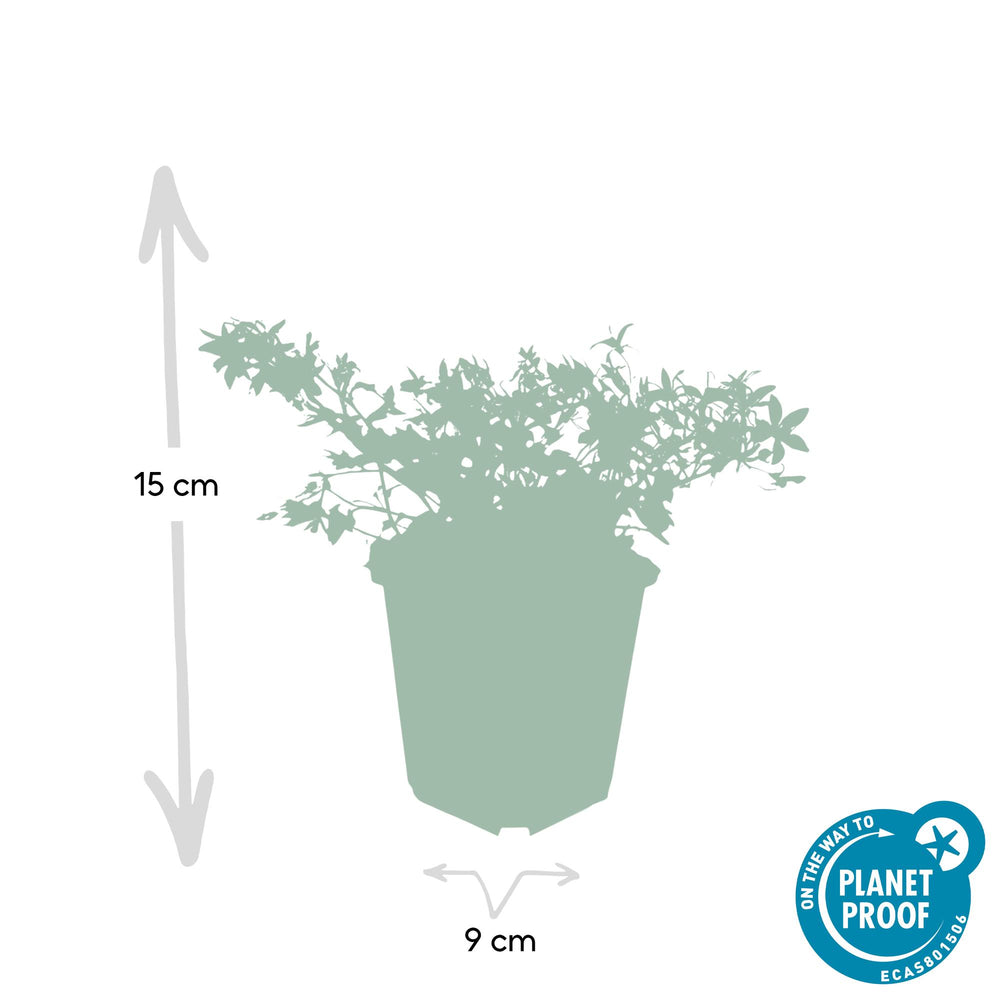
- Spacing: use the spread column above as a guide and leave room for each plant to reach it. Small plants can be swamped by gravel, so the RHS advises planting them on a low mound, slightly above the gravel.
- Timing: in Ireland, plant in autumn (October to November) or in spring (February to April). The RHS notes that young plants establish more quickly.
- Watering: the RHS says newly planted perennials need regular watering in their first year, even if they are described as drought tolerant. After the first year, established perennials usually do not need regular watering.
What this list does and does not mean
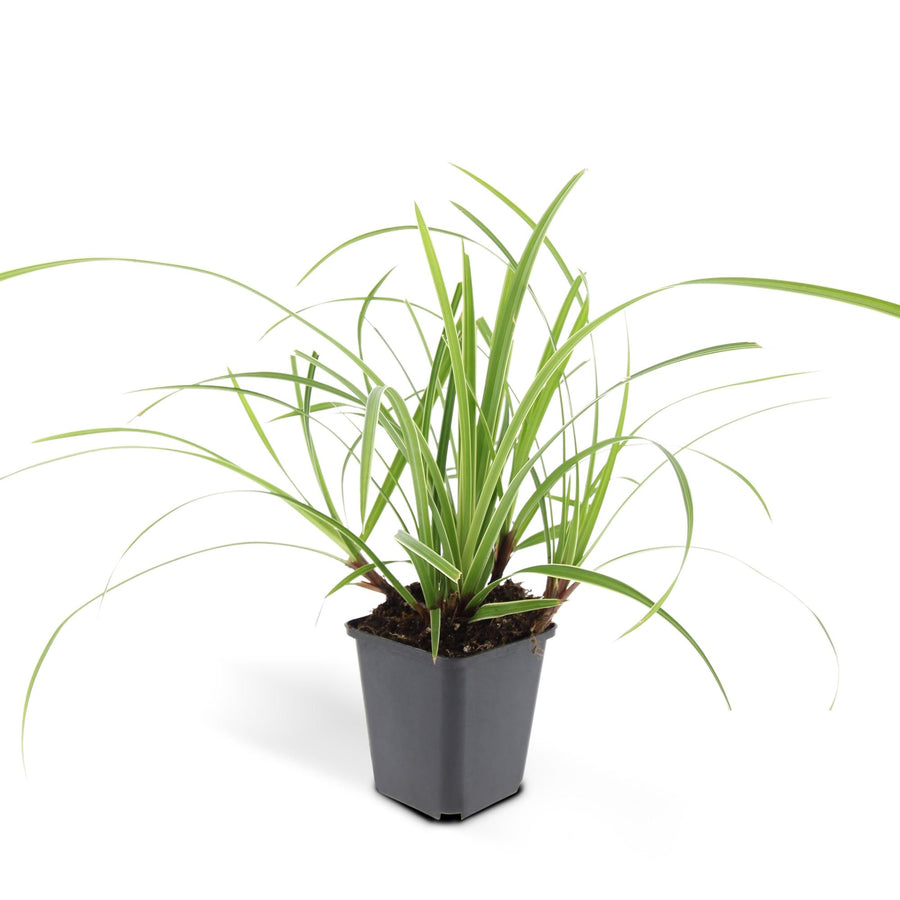
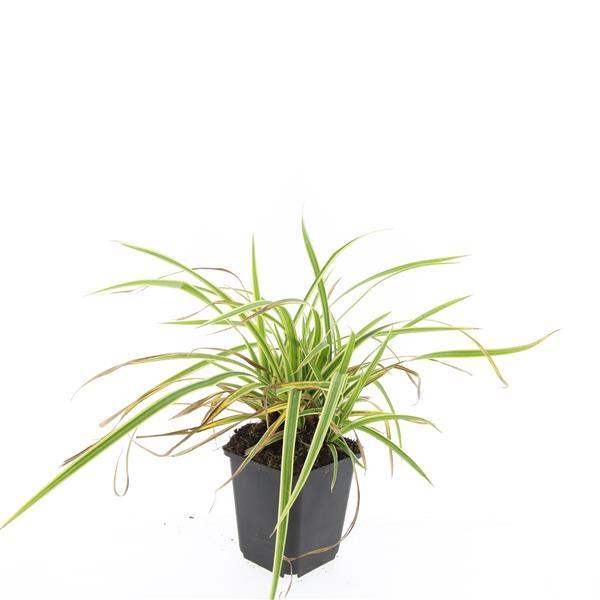
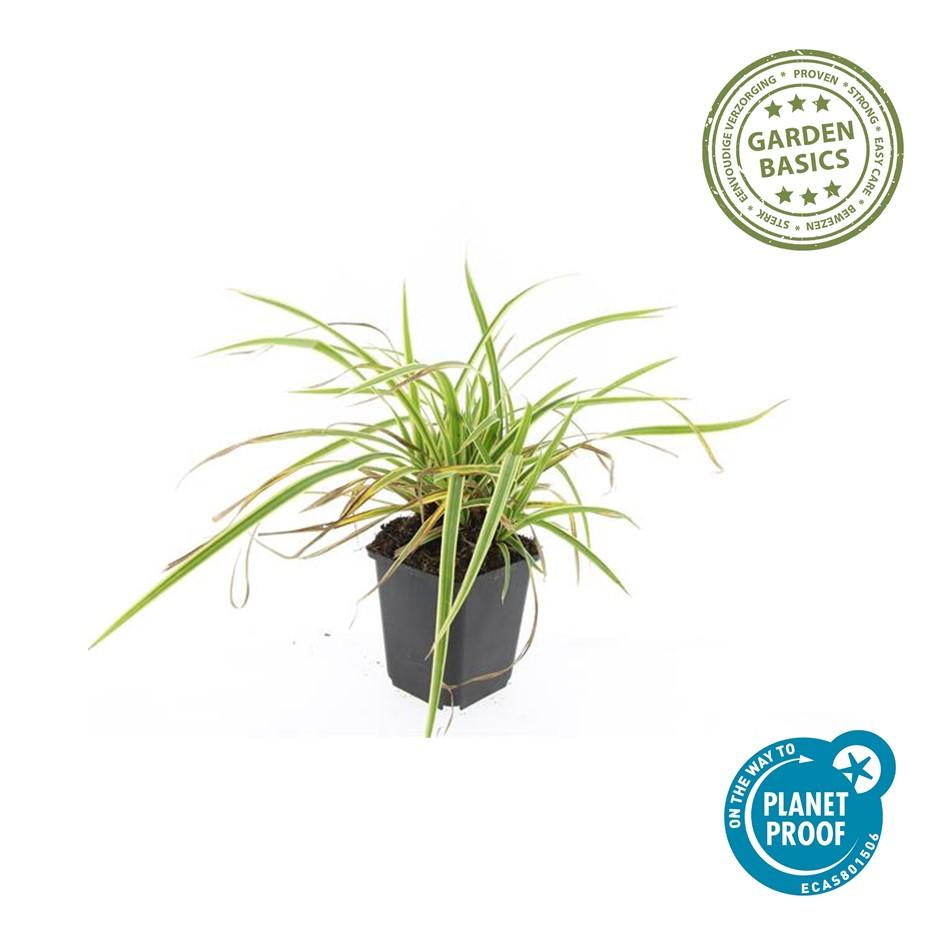
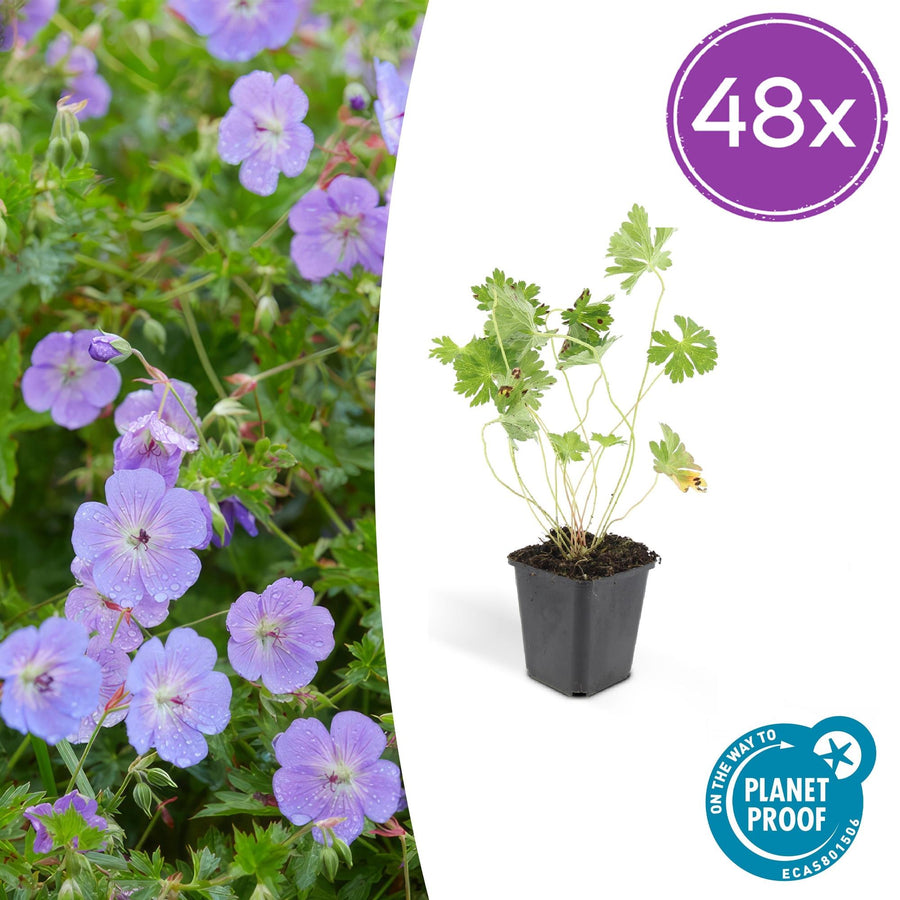
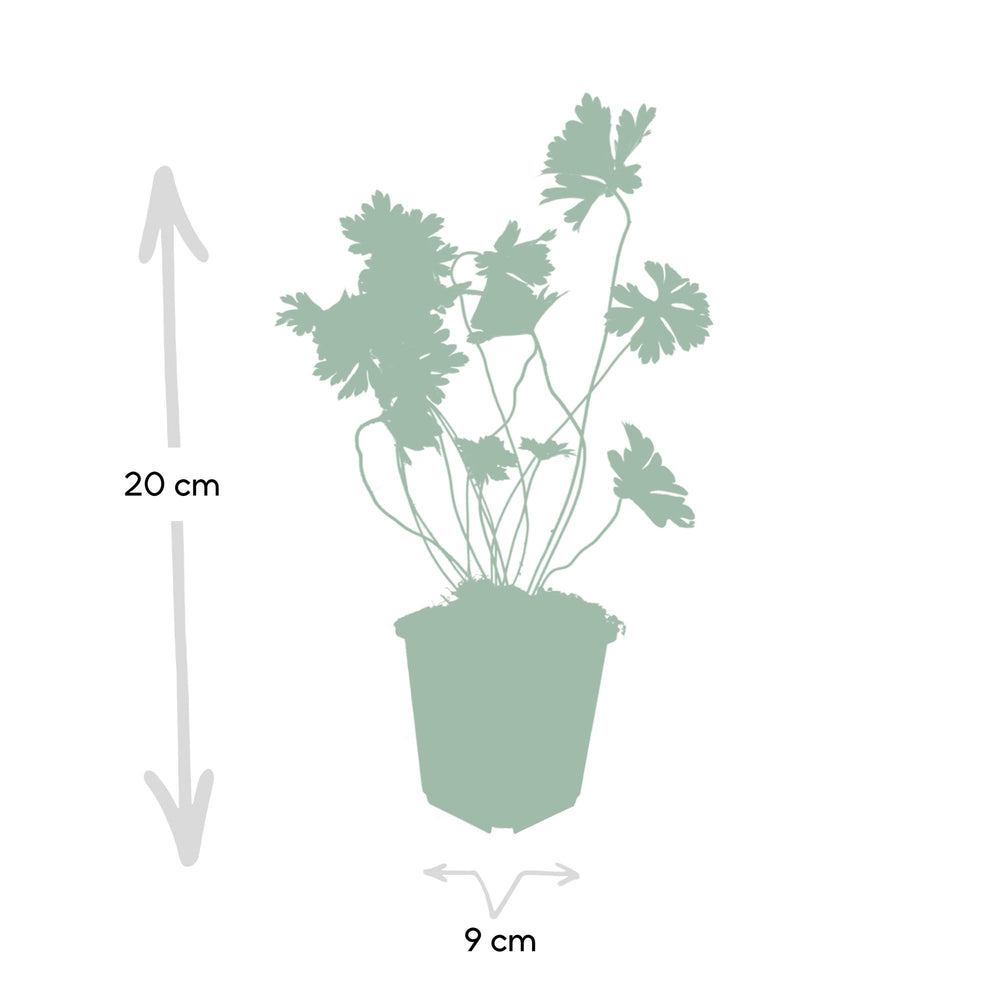
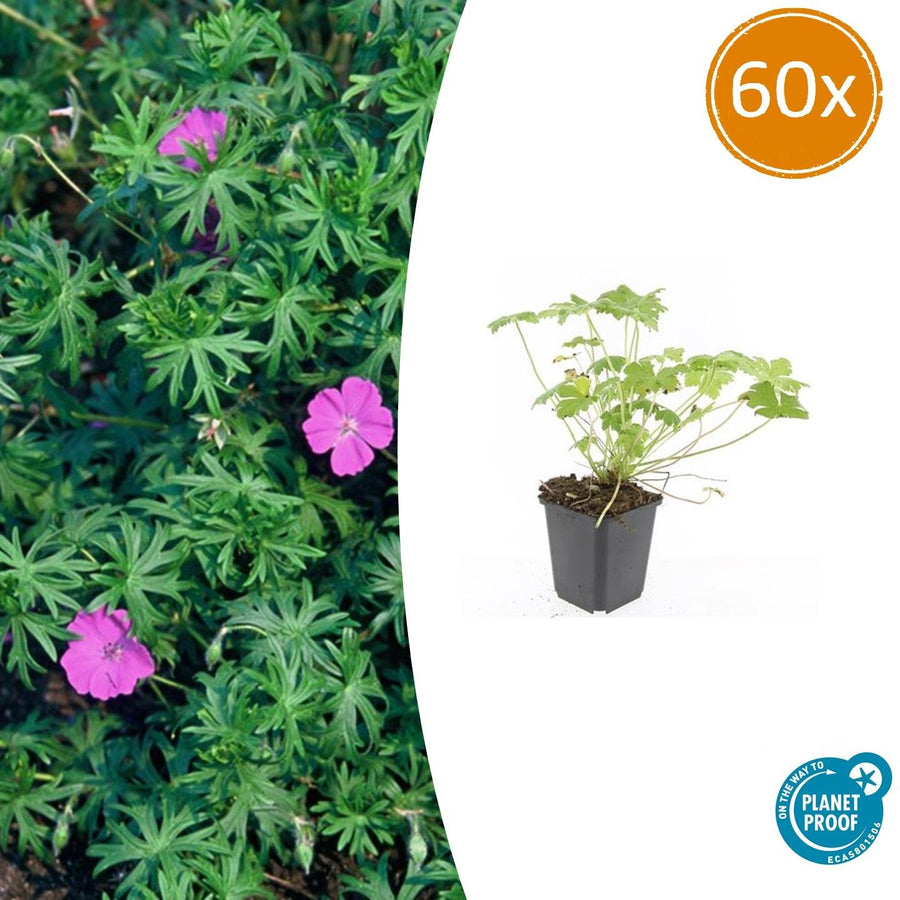
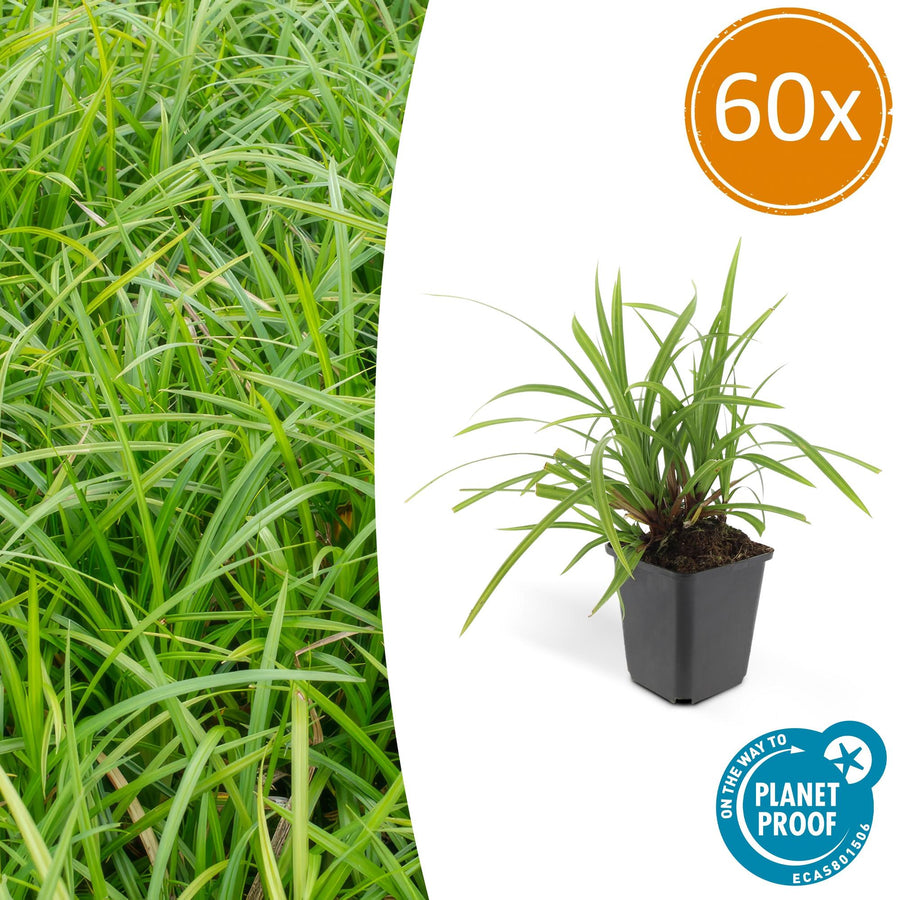
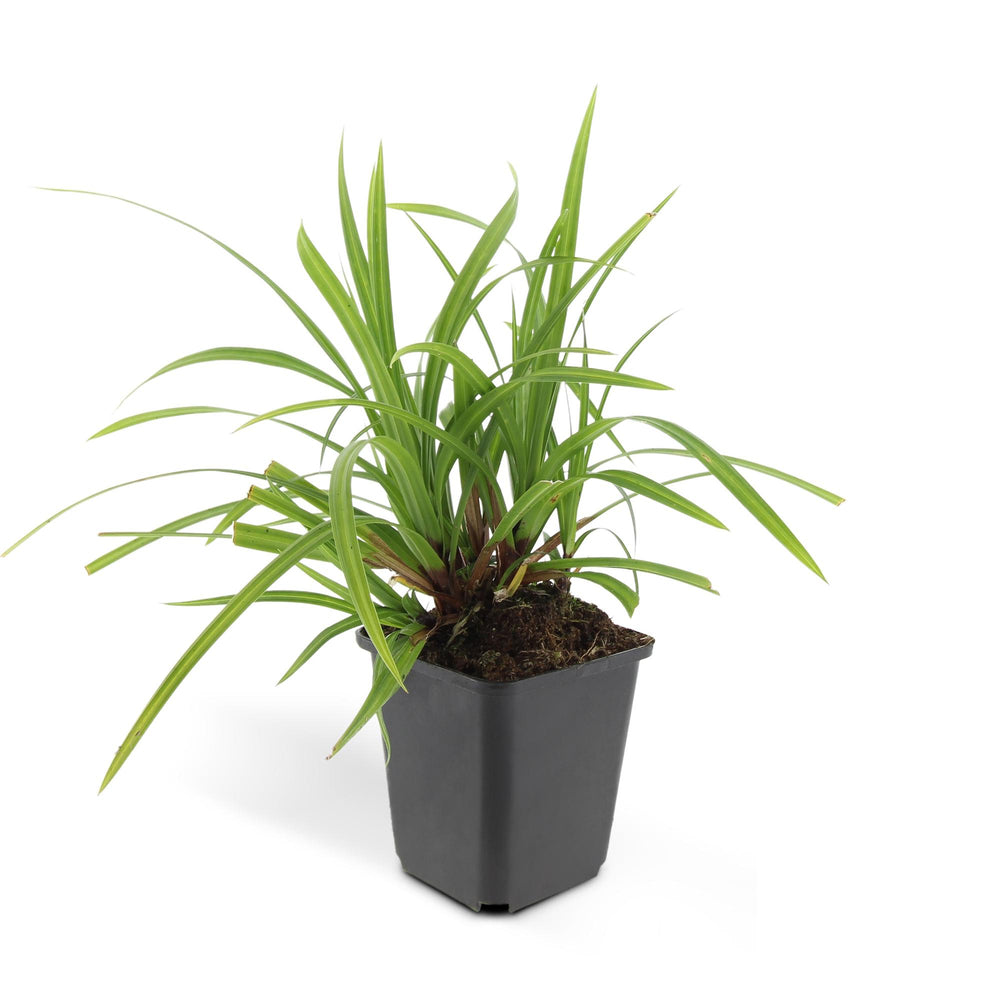
Drought tolerant is not the same as thriving in any conditions. Some plants here are not marked as drought tolerant, and some, such as Carex morrowii, Campanula poscharskyana and Geranium 'Rozanne', are listed by the RHS with moist soil. Give those the less dry parts of the bed. Plant data comes from the RHS Plant Finder and PFAF, checked October 2026.
Frequently asked questions
What is the best soil for a gravel garden?
The RHS says gravel garden plants thrive in unimproved, low-fertility sandy soil in a sunny, well-drained spot. Heavy, damp ground may not suit them.
How deep should gravel be?
The RHS figure is about 5 cm (2 in). Thin gravel can mix into the soil and allow weeds to come through.
Do I need weed membrane?
Only if you do not want self-seeding. The RHS suggests landscape fabric laid before planting, with a cross cut for each rootball. Without it, expect some weeding.
Do drought-tolerant plants need watering?
Yes, at first. The RHS advises regular watering through the first year, even for plants described as drought tolerant.
What else should I read before planting?
See our collections of drought-tolerant plants, plants for sandy soil, plants for banks and slopes and patio and container plants.