



Bee- and butterfly-friendly plants for Irish gardens: nectar-rich perennials, early bulbs and ready-made pollinator borders, chosen to give flowers from early spring into autumn. Free tracked delivery across Ireland and 24 more EU countries.










What makes a plant good for pollinators?
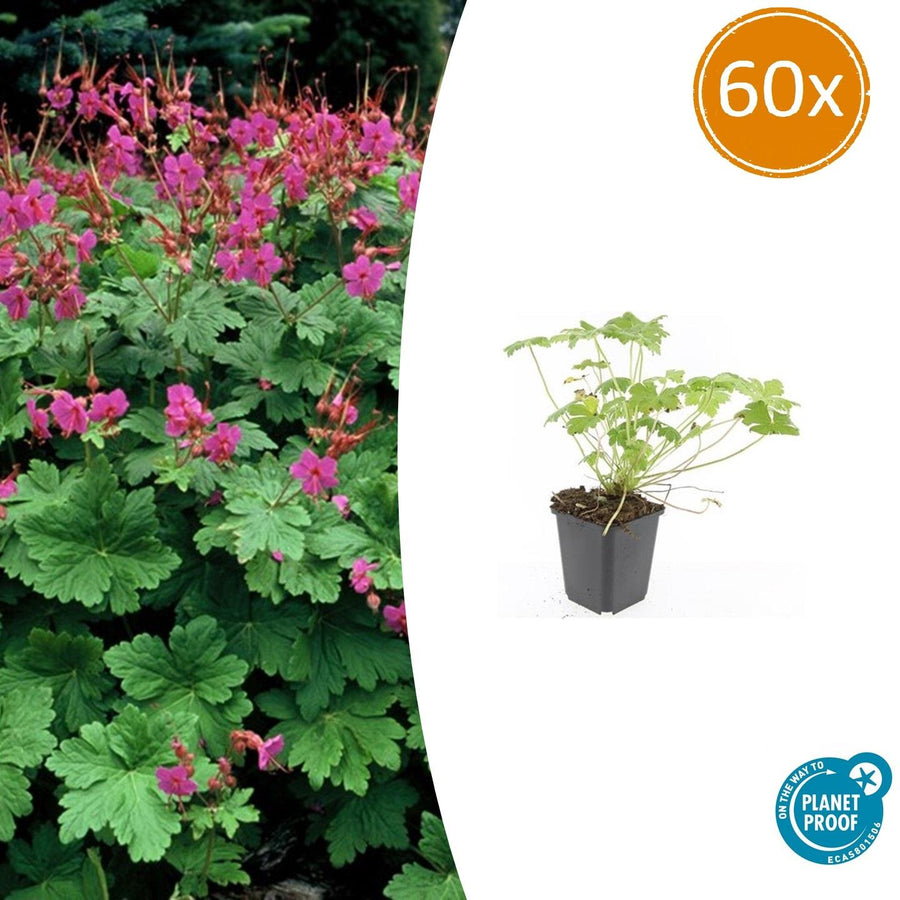
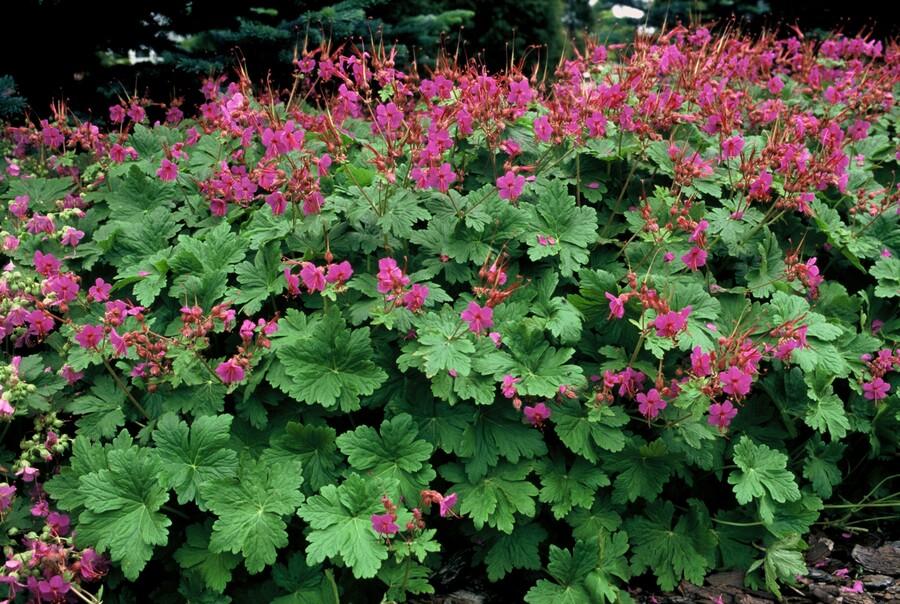
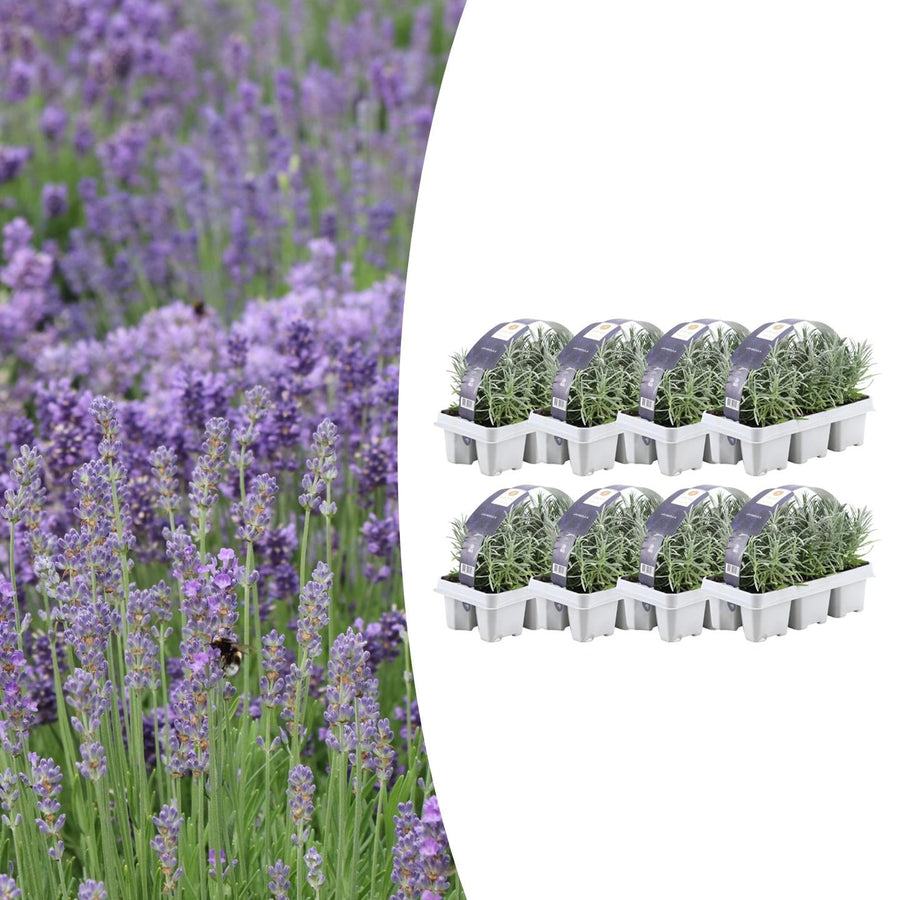
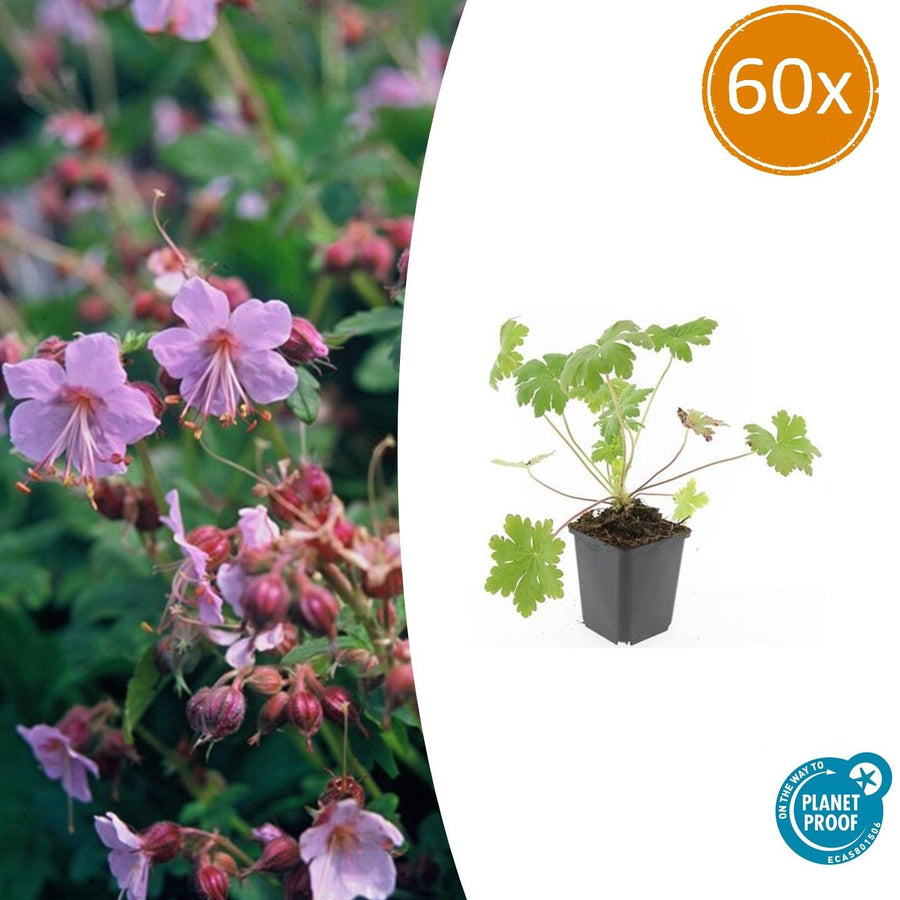
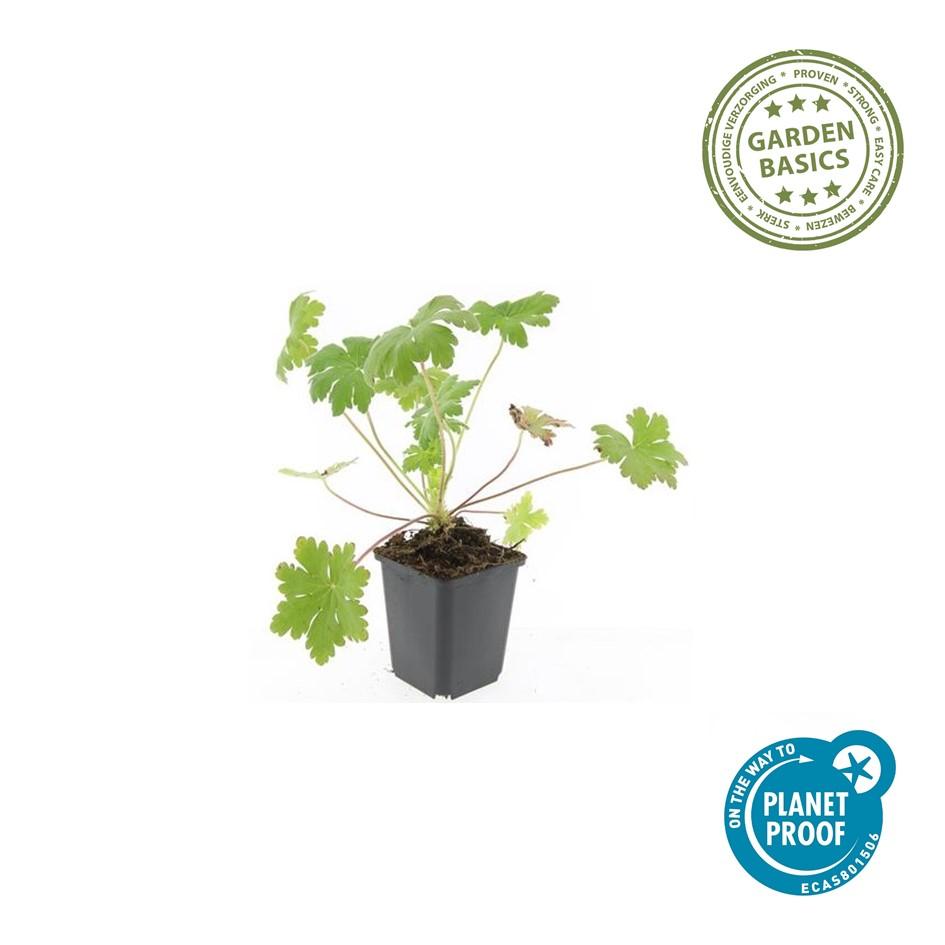
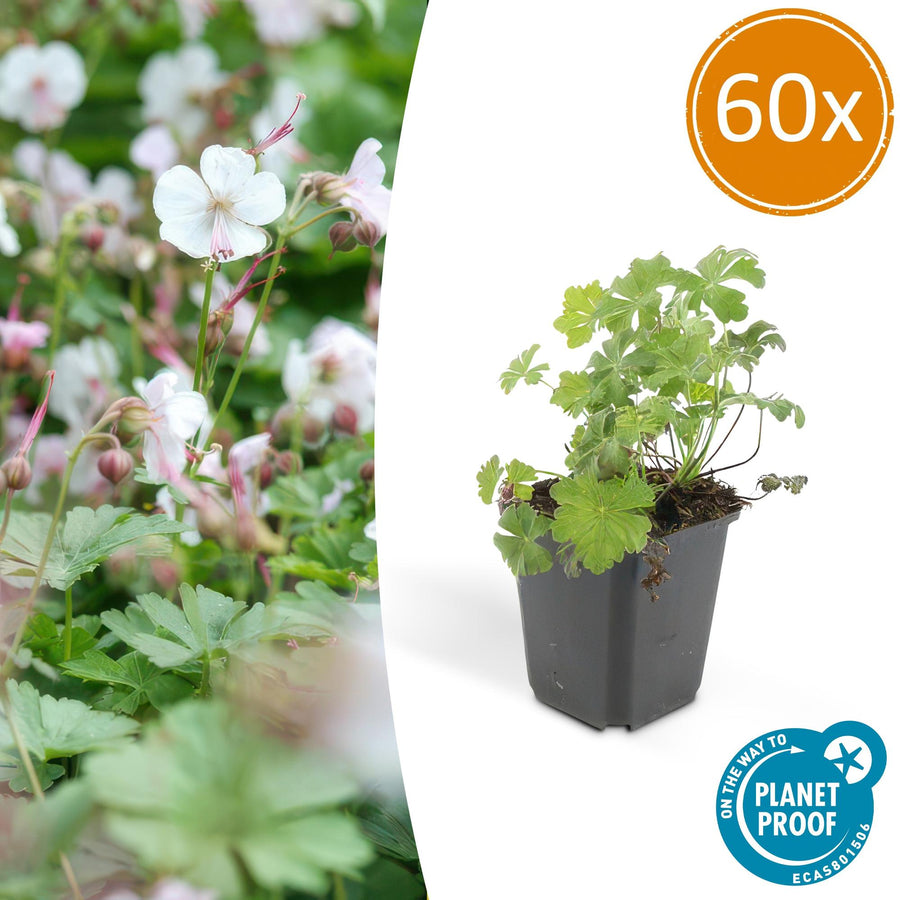
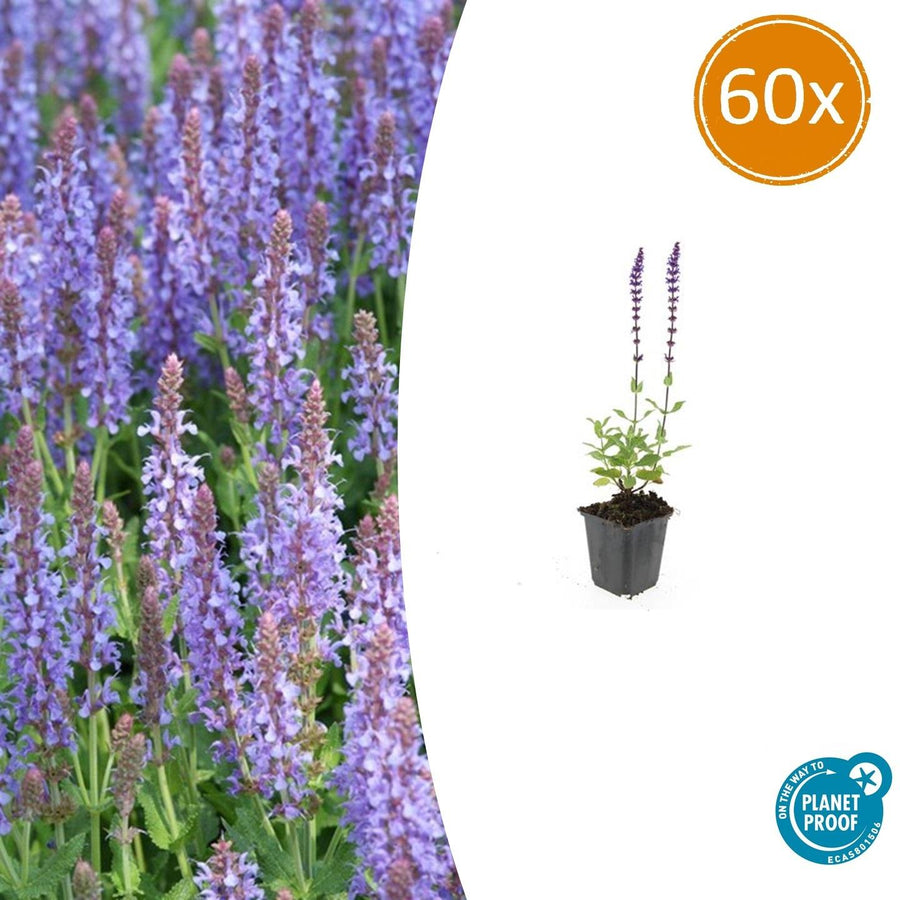
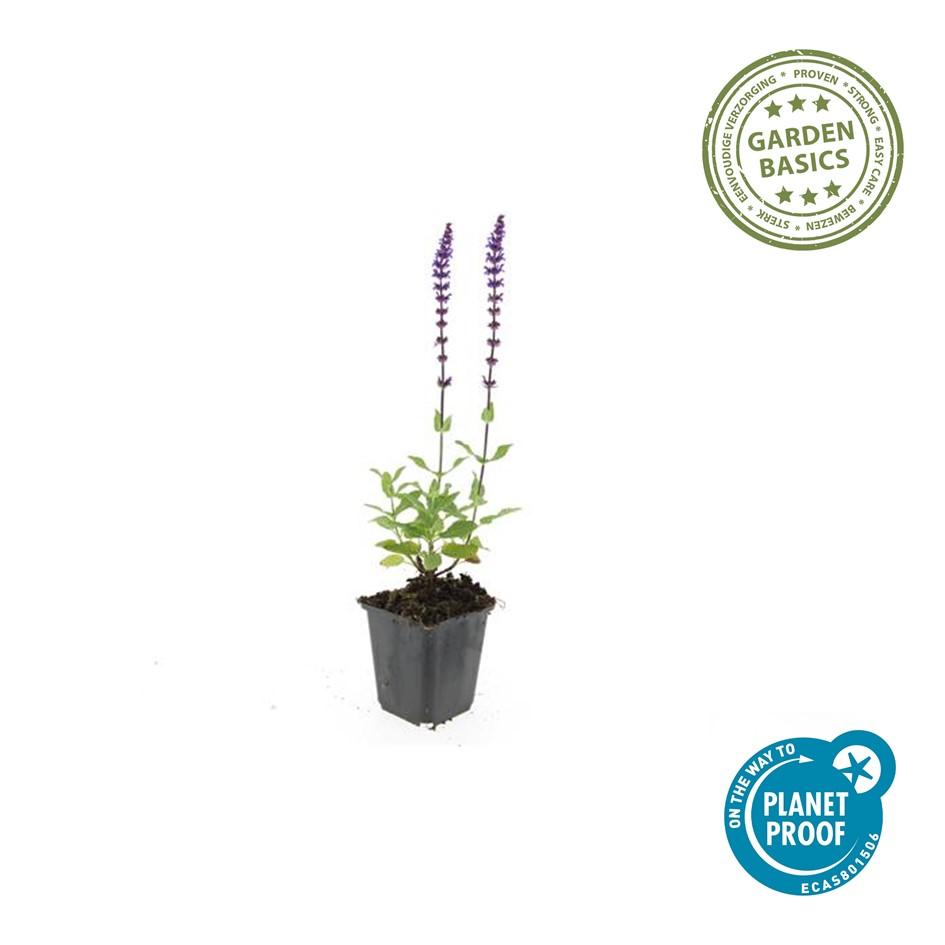
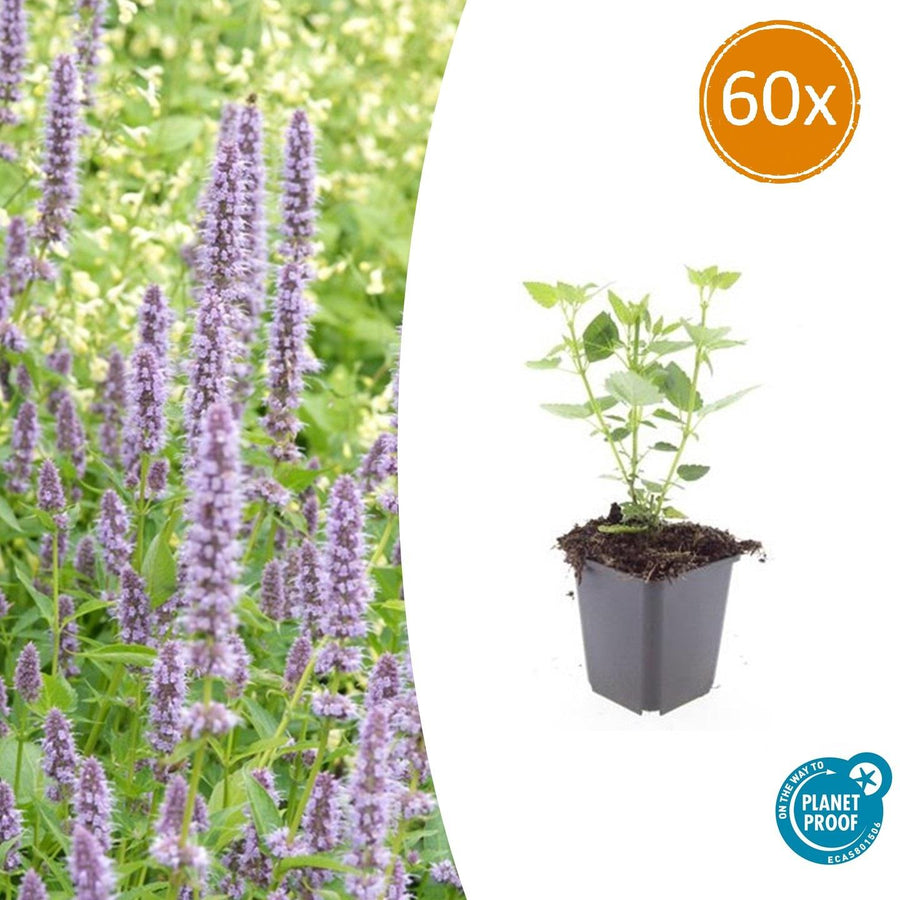
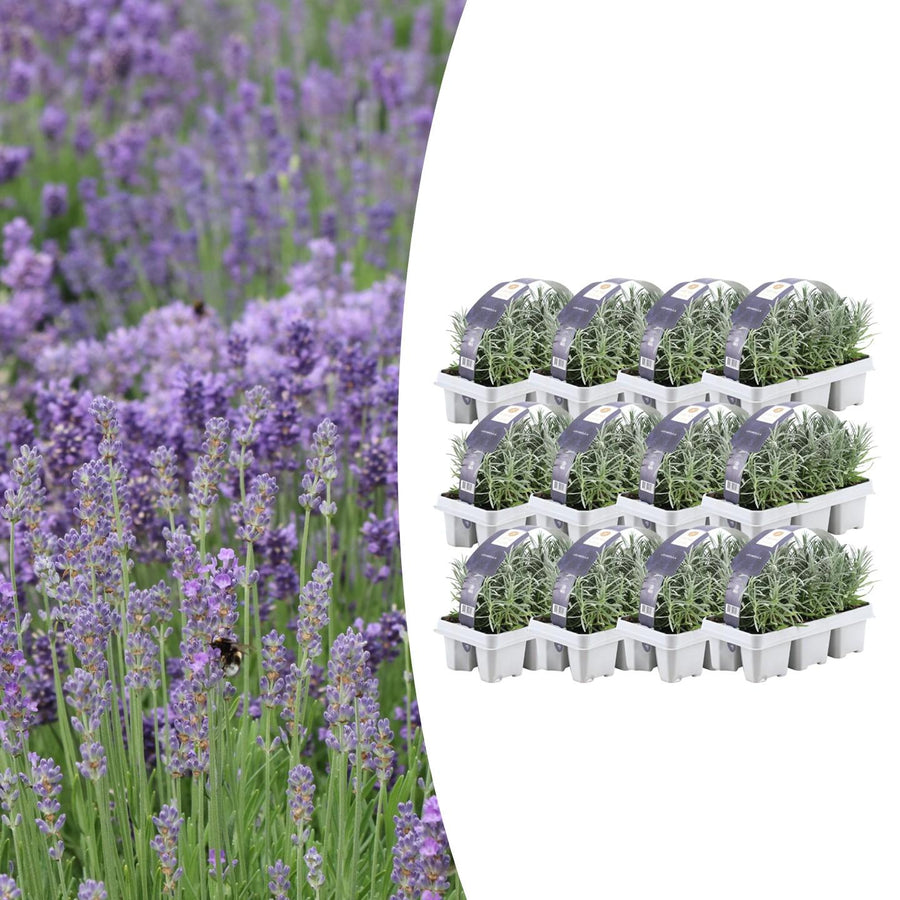
The best pollinator plants have open, single flowers with easy-to-reach nectar and pollen, and they flower when bees need them most. Lavender, catmint, salvia, thyme, hardy geraniums, agastache and echinacea are all reliable, as are early bulbs such as crocus, snowdrops and grape hyacinths. Double-flowered varieties look lavish but often offer little or nothing to bees.
Ireland has around 100 species of wild bee, and the All-Ireland Pollinator Plan reports that about a third of them are threatened with extinction. Gardens make a real difference, especially when they provide food through the whole season, not just in midsummer.
Plan for flowers from spring to autumn
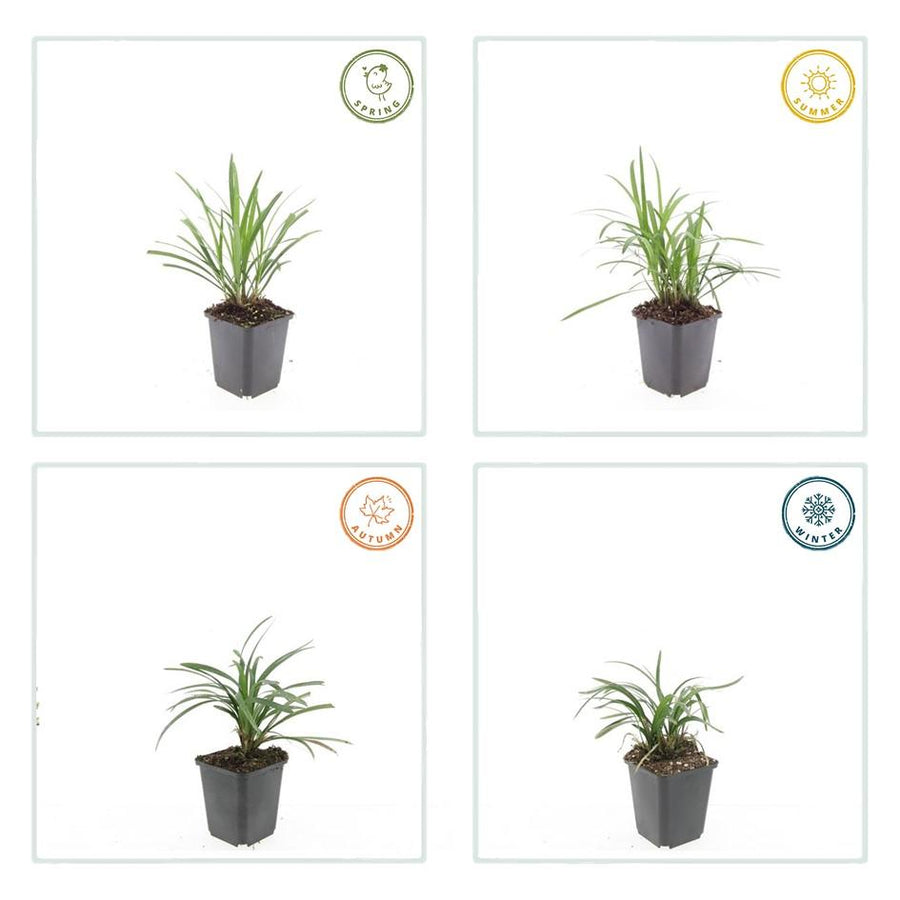
Queen bumblebees emerge hungry in late winter, and late-flying bees still need food in October. Use the season filters above to fill gaps in your garden.
| Season | Good choices | Why it matters |
|---|---|---|
| Late winter–spring (Feb–May) | Crocus, snowdrop (Galanthus), winter aconite (Eranthis), grape hyacinth (Muscari), hellebore | Food for queen bumblebees coming out of hibernation |
| Early summer (May–July) | Hardy geranium, catmint (Nepeta), salvia, thyme, alliums, foxglove | Peak activity for bumblebees and solitary bees |
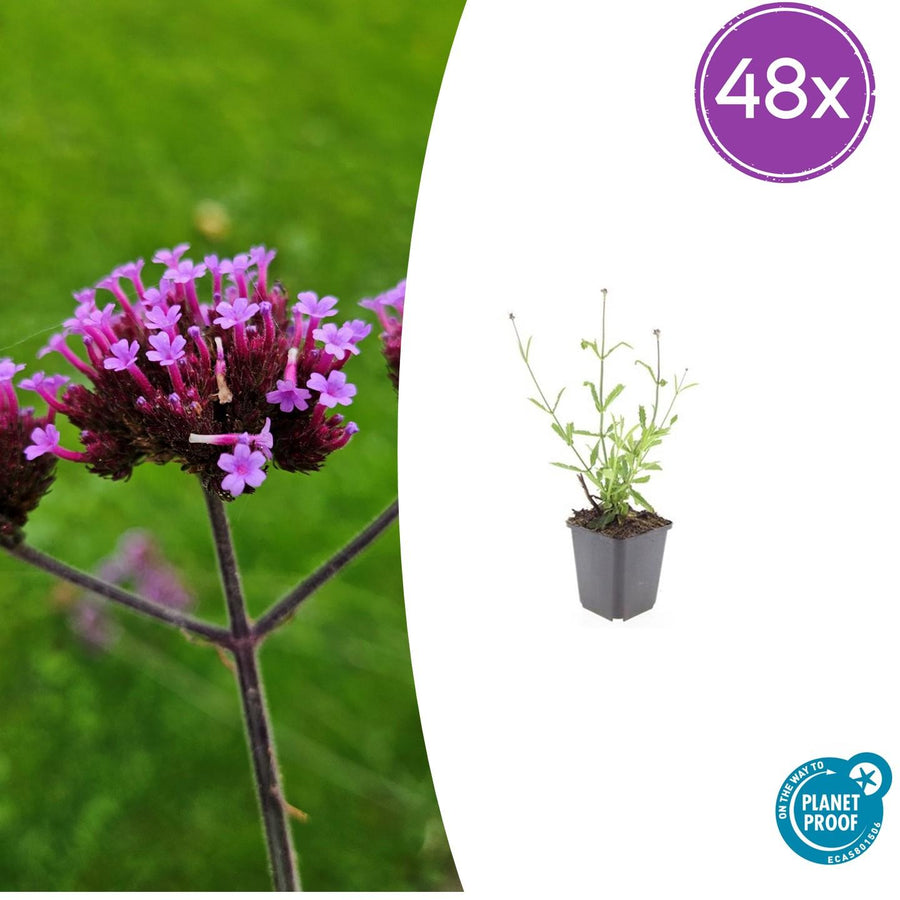
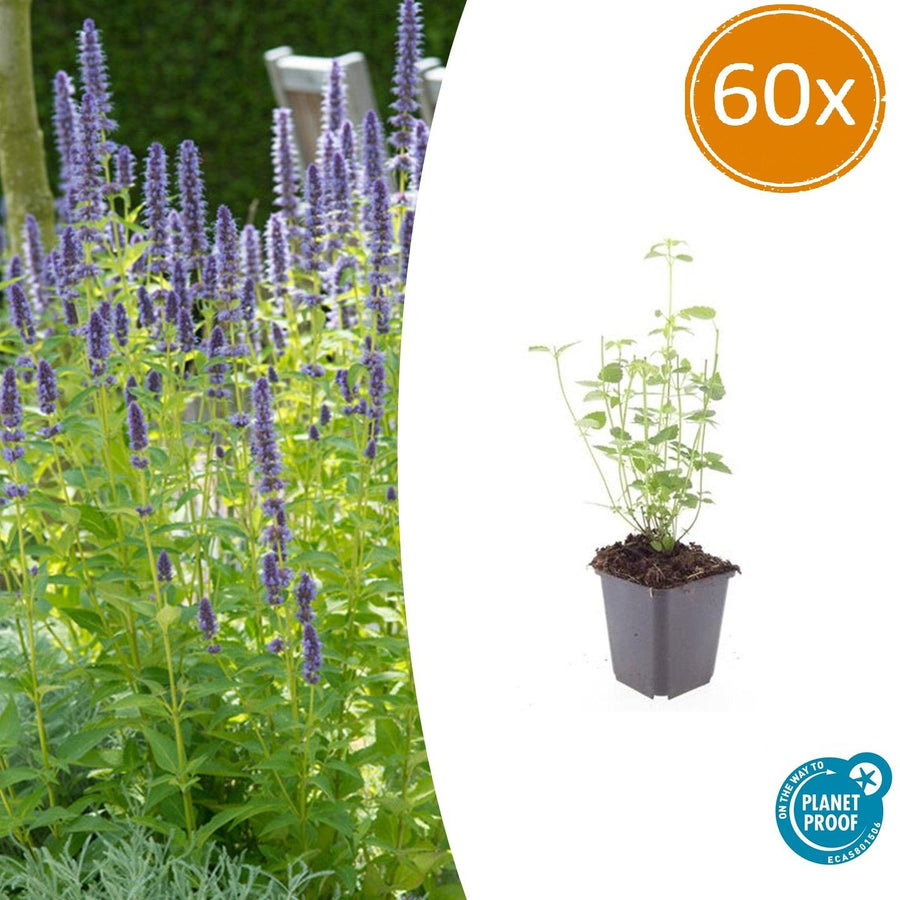
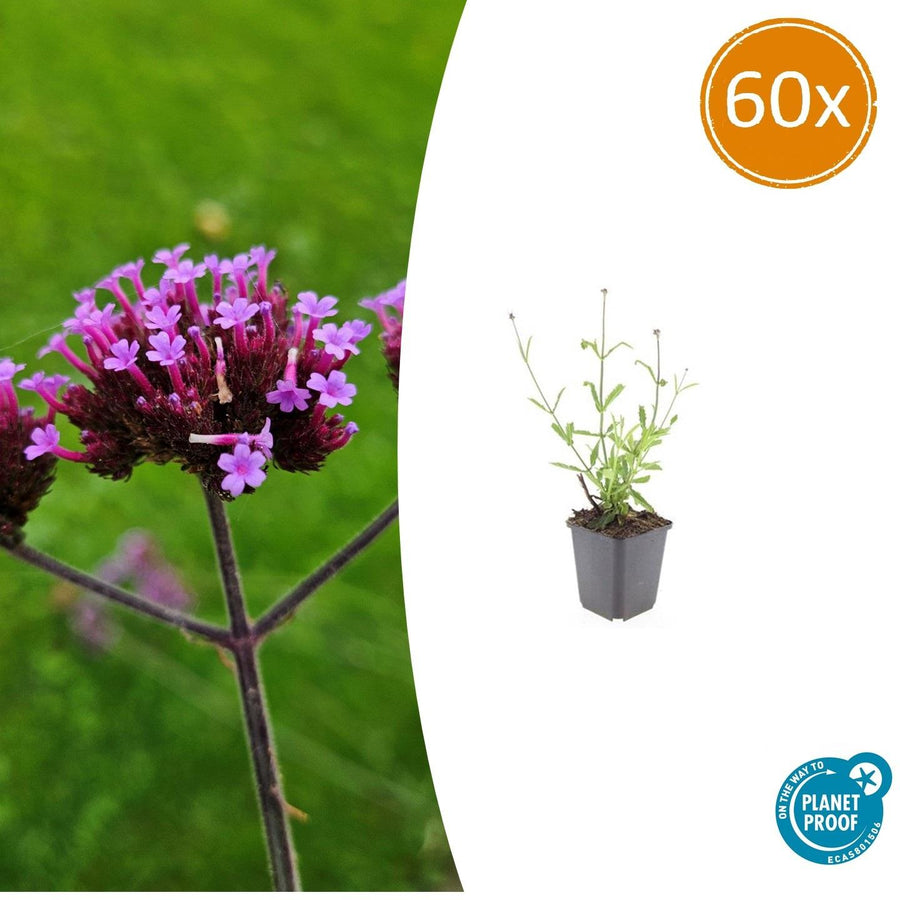
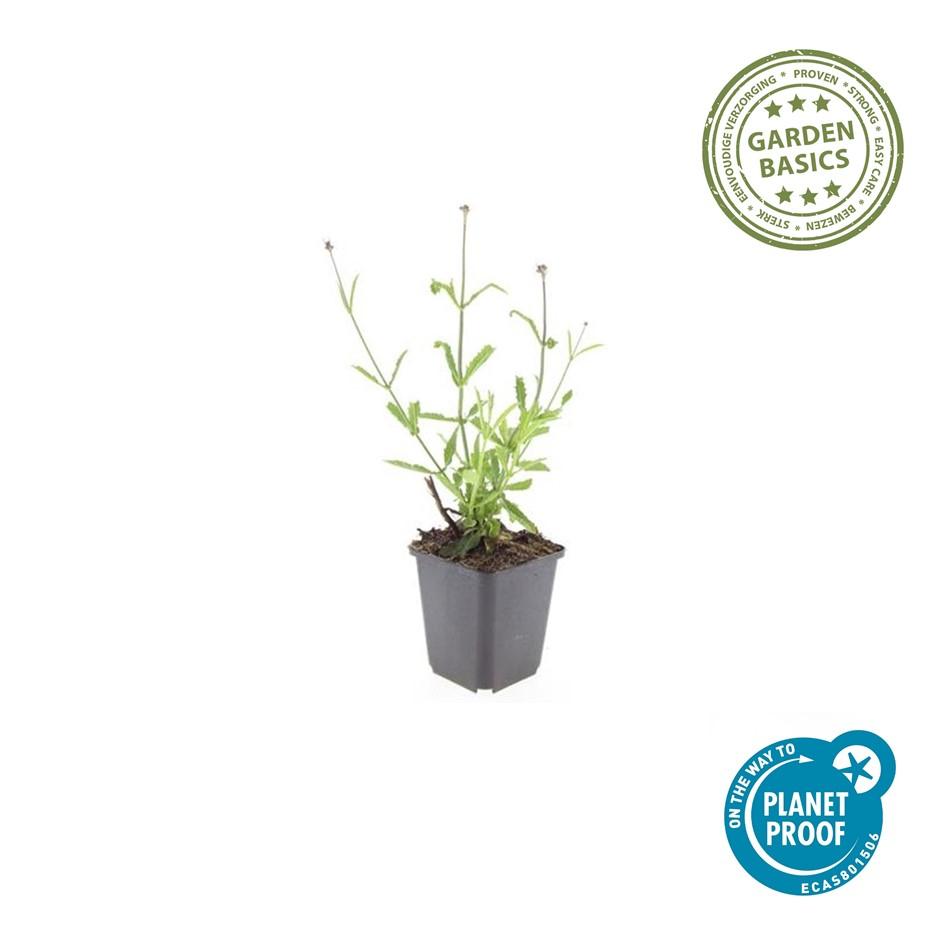
| High summer (July–August) | Lavender (Lavandula angustifolia), agastache, oregano, knautia, Verbena bonariensis | Long flowering that also draws butterflies and hoverflies |
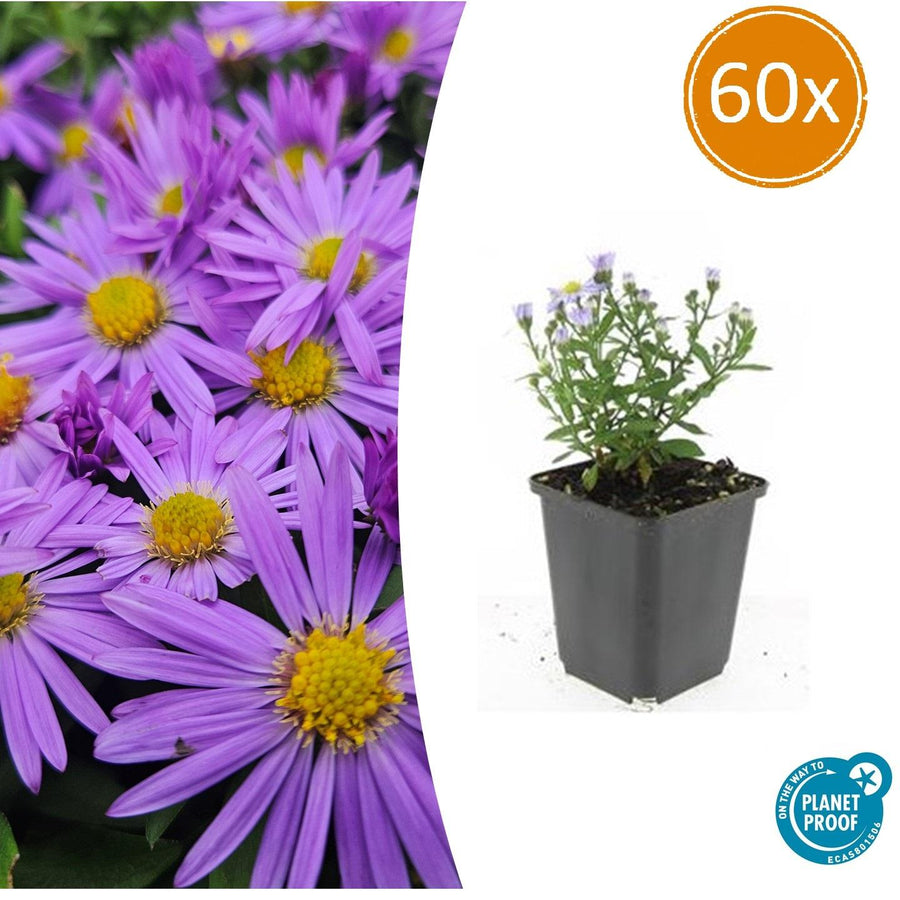
| Late summer–autumn (Aug–Oct) | Echinacea, rudbeckia, sedum, asters, persicaria | Food for late bees and for butterflies before winter |
How to plant for pollinators
- Plant in groups. Drifts of five or more of the same plant are easier for bees to find and work than single plants dotted about.
- Choose sunny spots for most nectar plants. Lavender, thyme, salvia and oregano flower best in full sun and free-draining soil.
- Leave some room for nesting. Many solitary bees nest in bare soil or short grass, so a sunny patch left unmulched helps.
- Go easy on pesticides. Avoid spraying open flowers.
Frequently asked questions
What are the best plants for bees in Ireland?
Crocus and snowdrops for early spring, then hardy geraniums, catmint, salvia, thyme and lavender through summer, with echinacea, sedum and asters into autumn. A mix across the seasons does more good than lots of one plant.
Why don't you sell buddleja?
Butterfly bush (Buddleja davidii) is popular with butterflies, but it spreads into the wild in Ireland and is listed as an invasive species. We'd rather recommend plants that feed pollinators without escaping into hedgerows and waste ground.
Can I help pollinators on a balcony or patio?
Yes. Pots of lavender, thyme, oregano and catmint in a sunny spot are visited by bees even in towns, and spring bulbs such as crocus and grape hyacinths grow well in containers.
More ideas: garden perennials · spring bulbs · perennial border packages · native plants and pollinator-friendly gardens in Ireland
Shortlists: Best Perennials for Pollinators · Best Plants for Wildlife Gardens