



Indoor palm plants, from compact parlour palms for desks to statement kentia and areca palms for living rooms, hallways and offices. Free tracked delivery across Ireland and 24 more EU countries.










Which indoor palm is best?
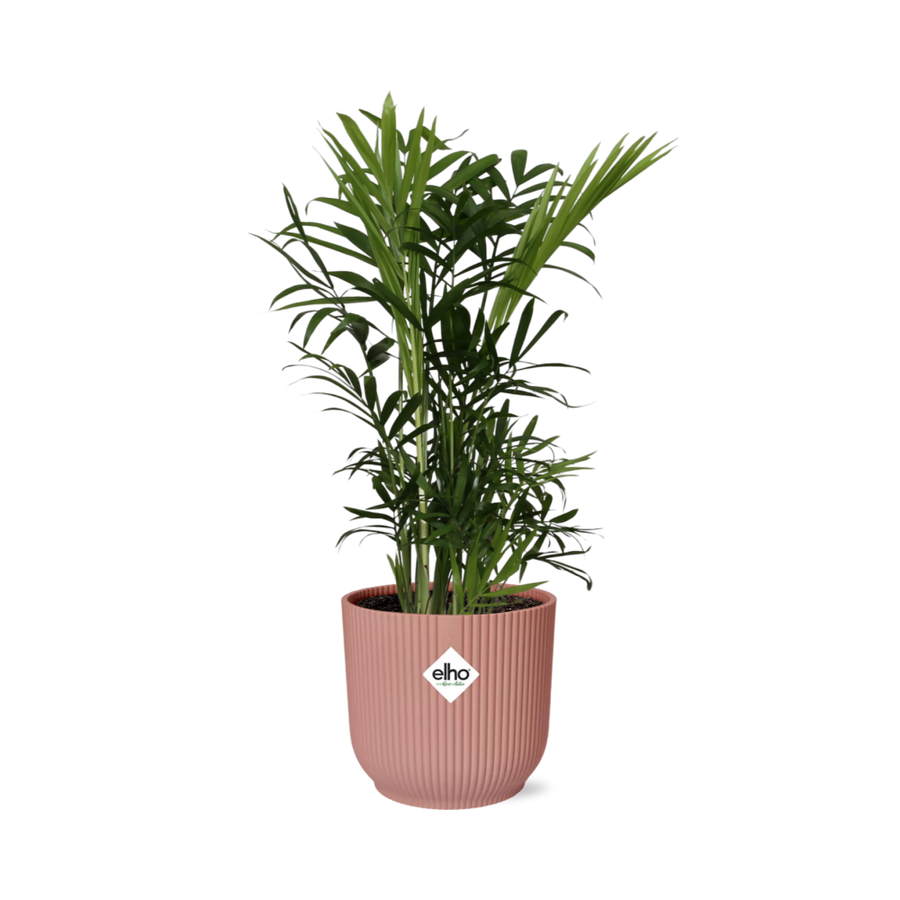
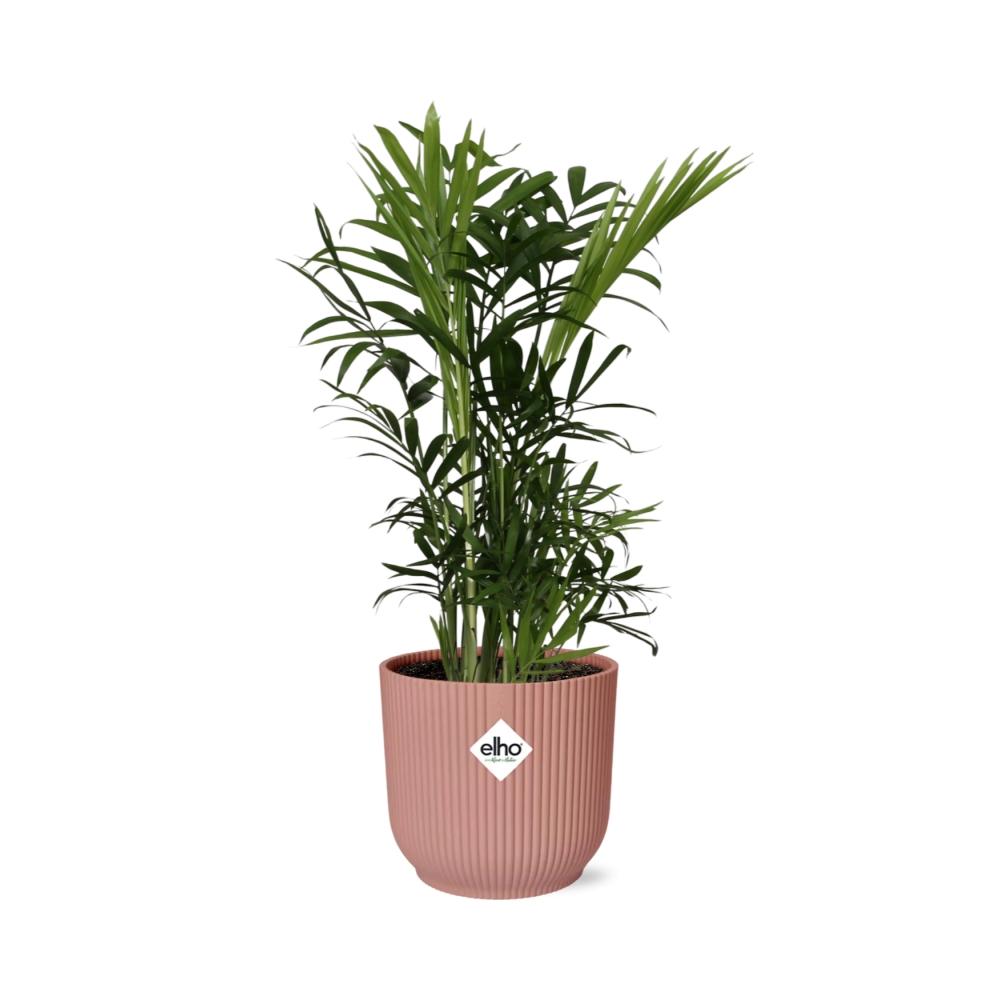
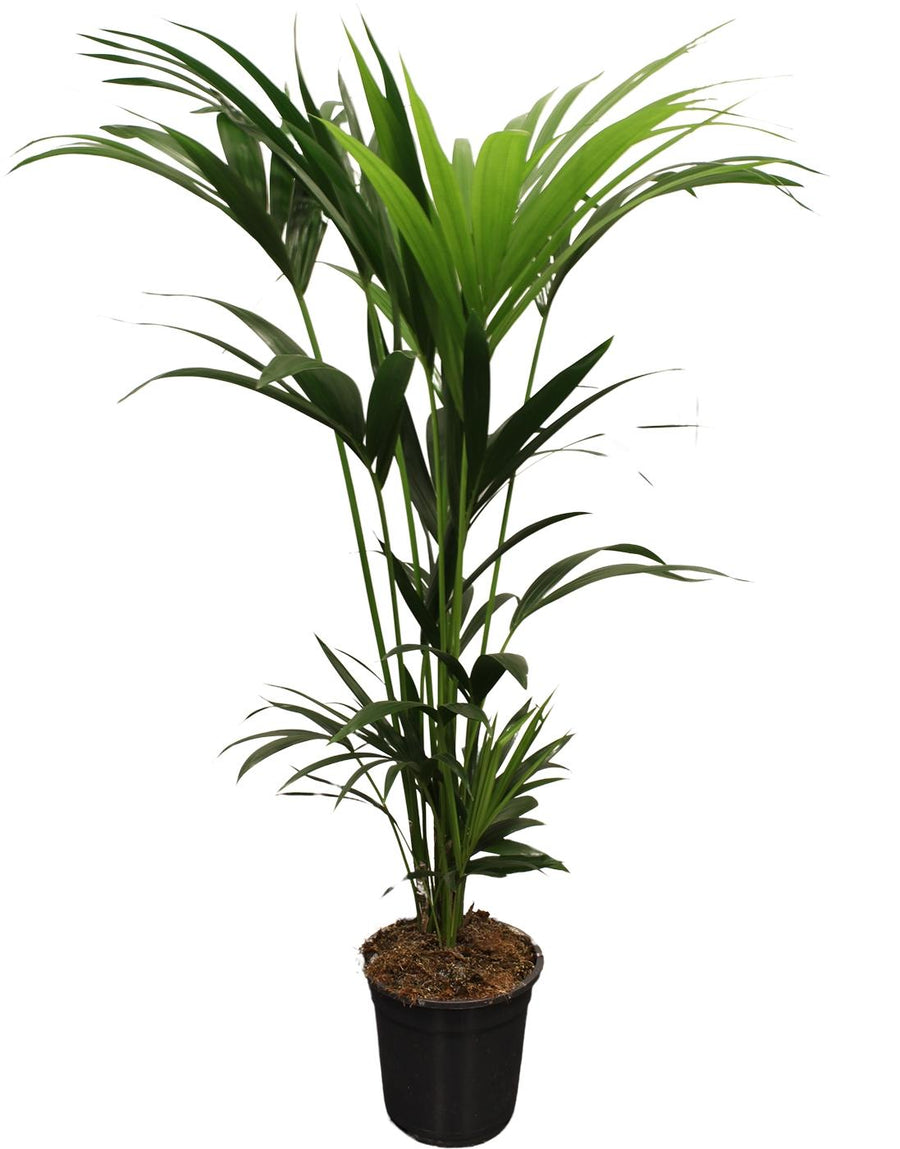
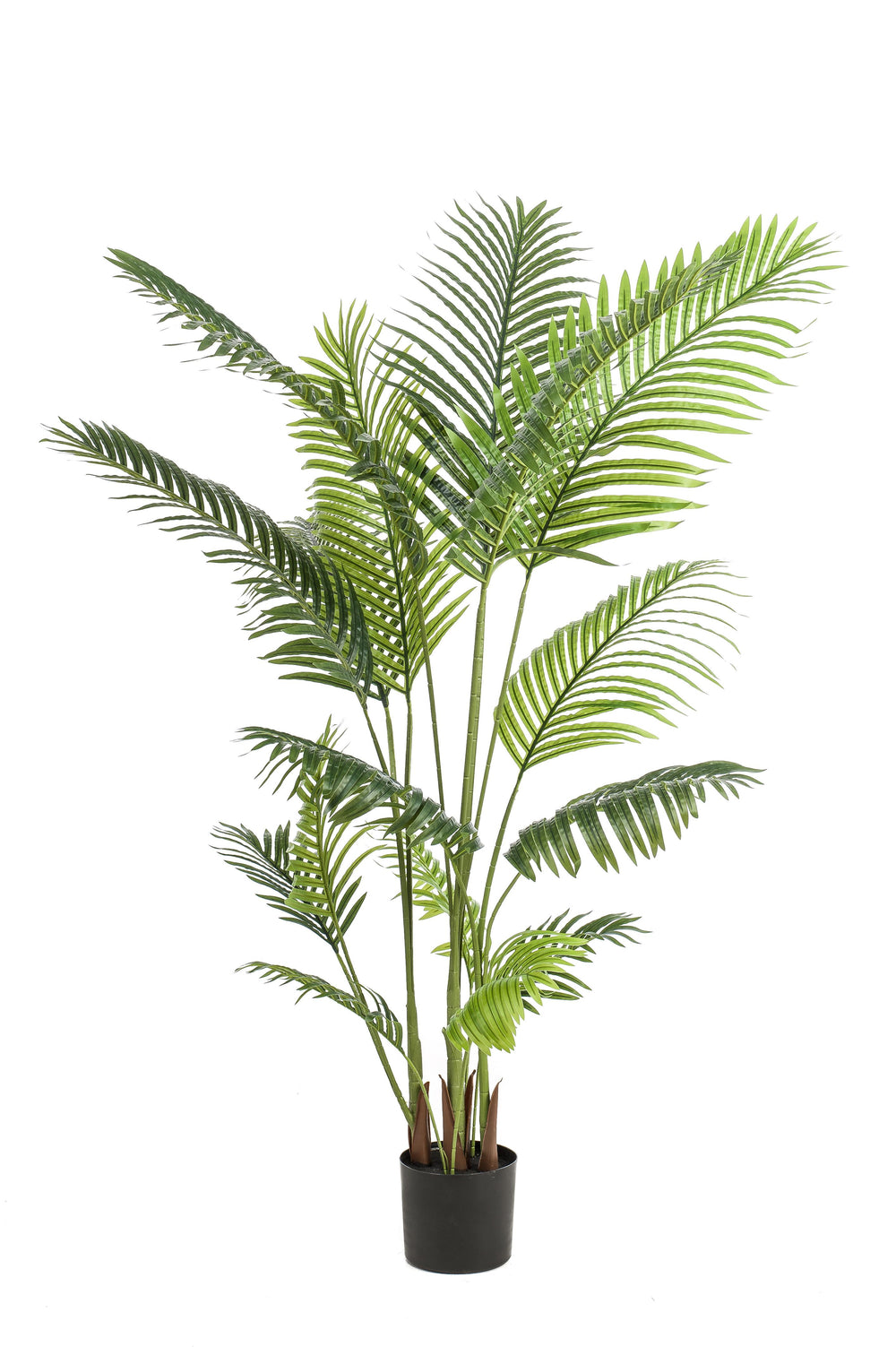
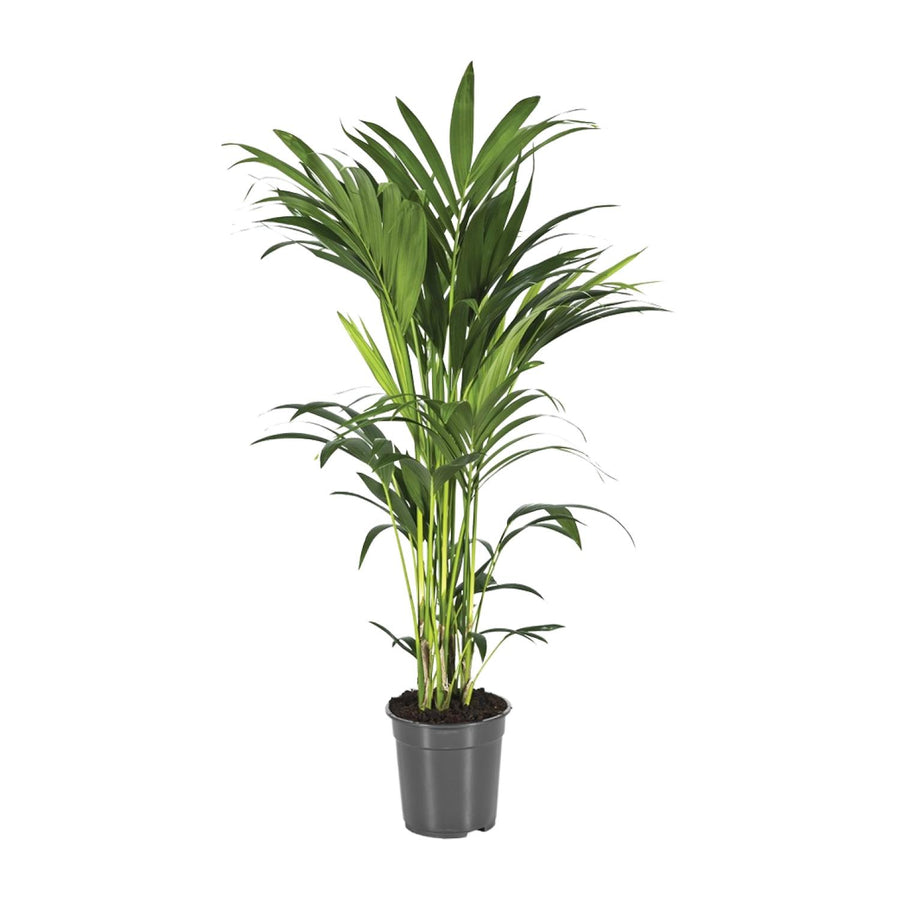
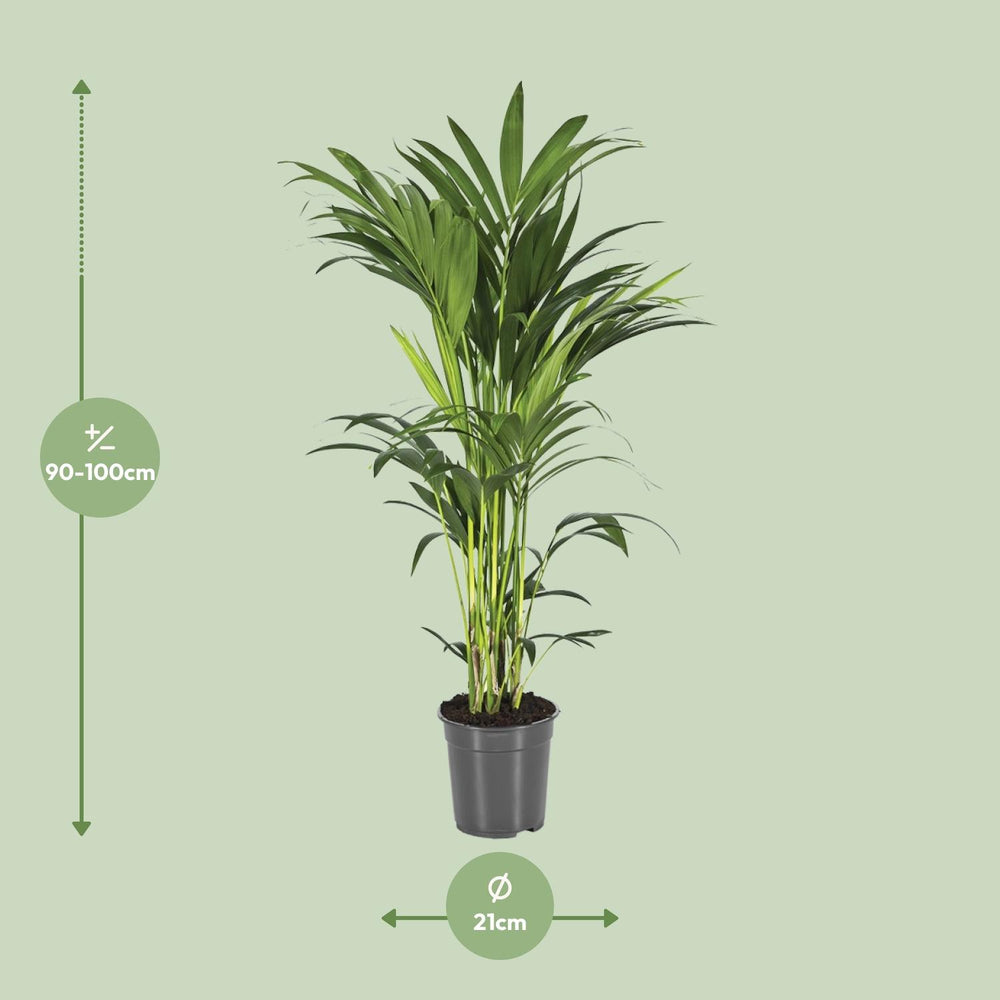
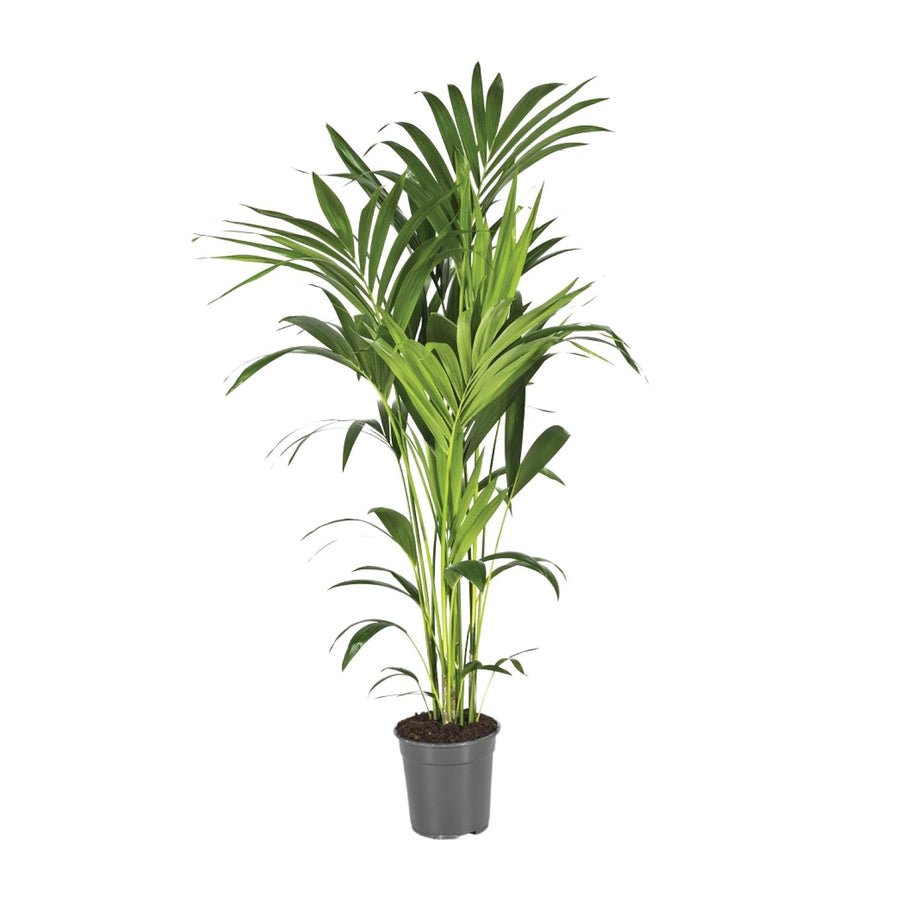
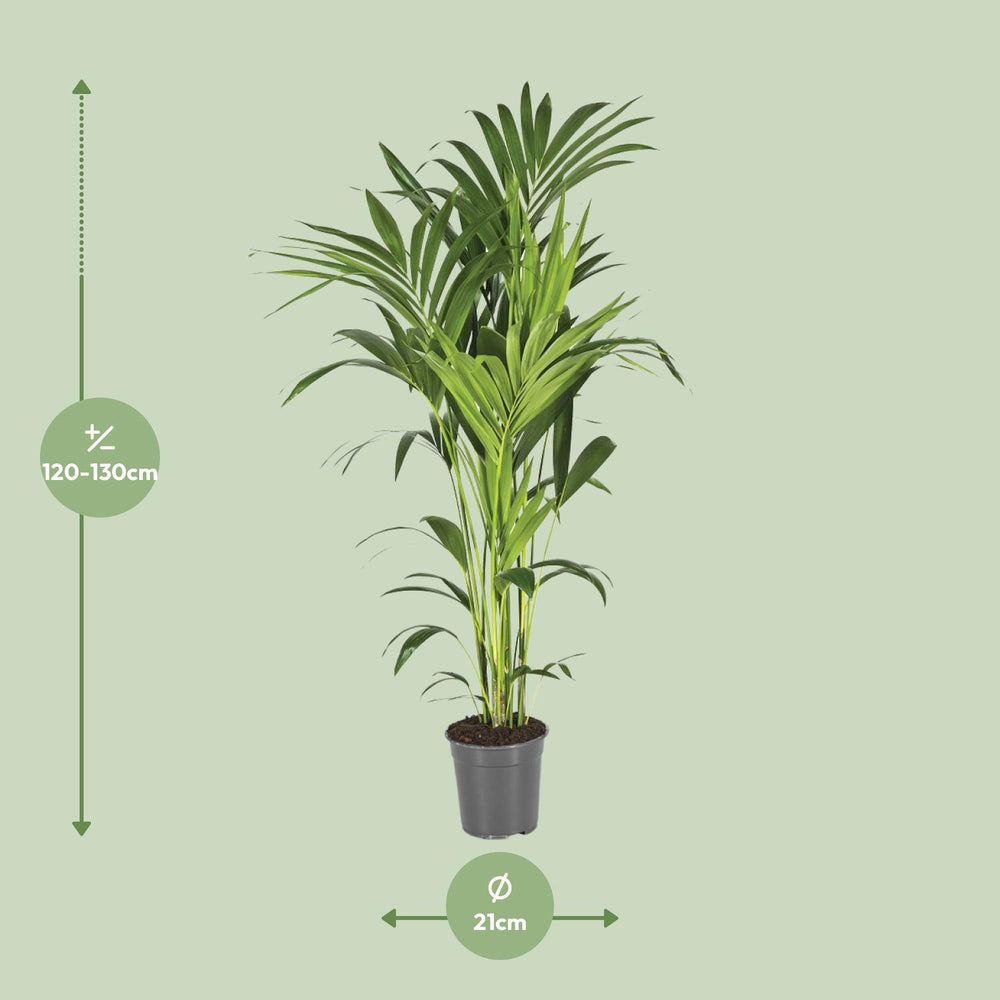
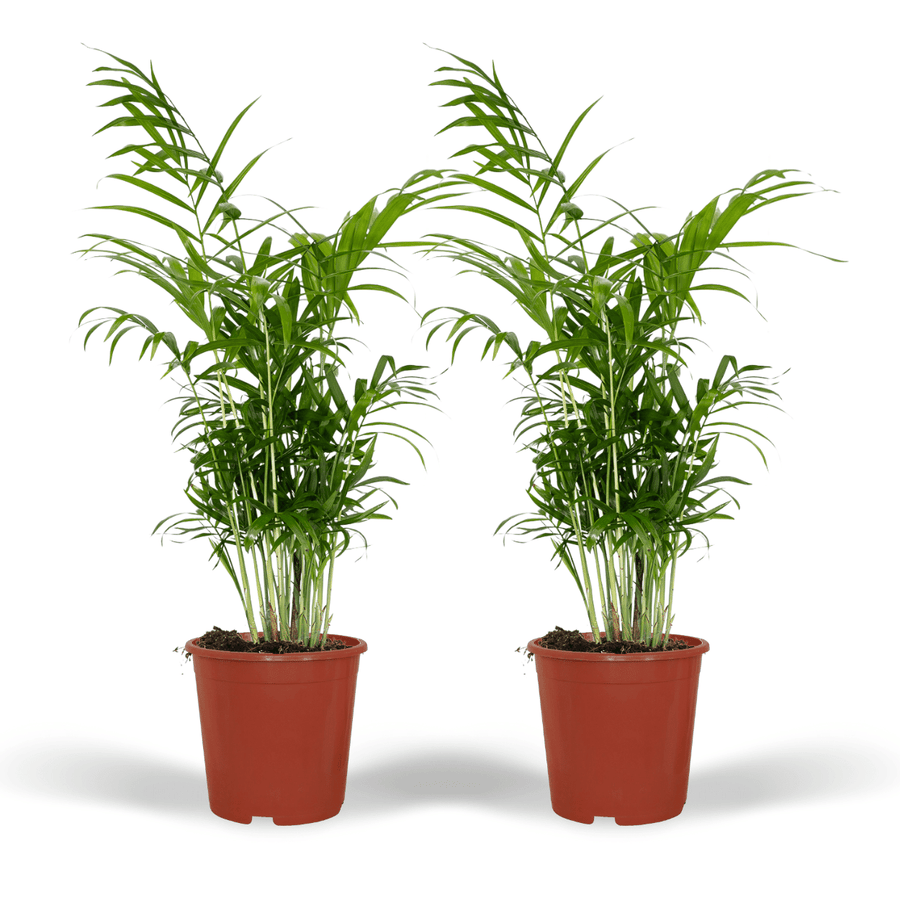
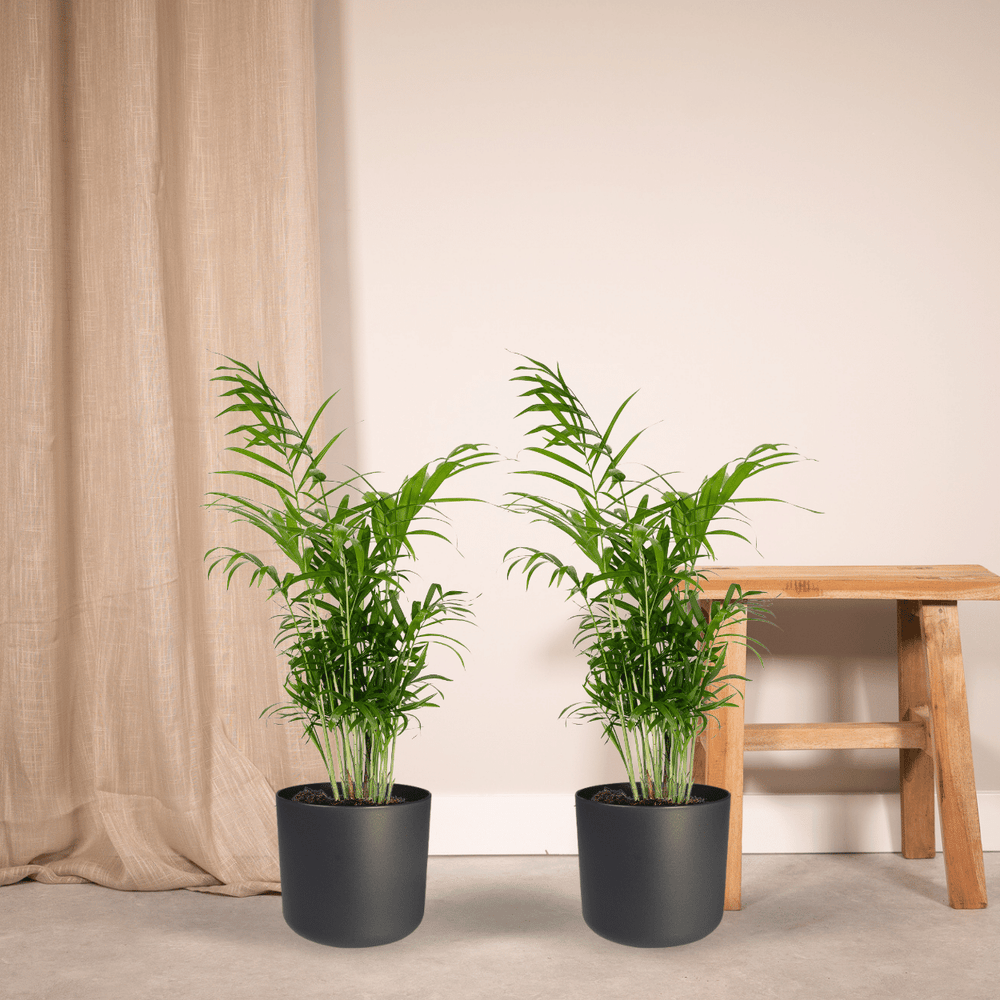
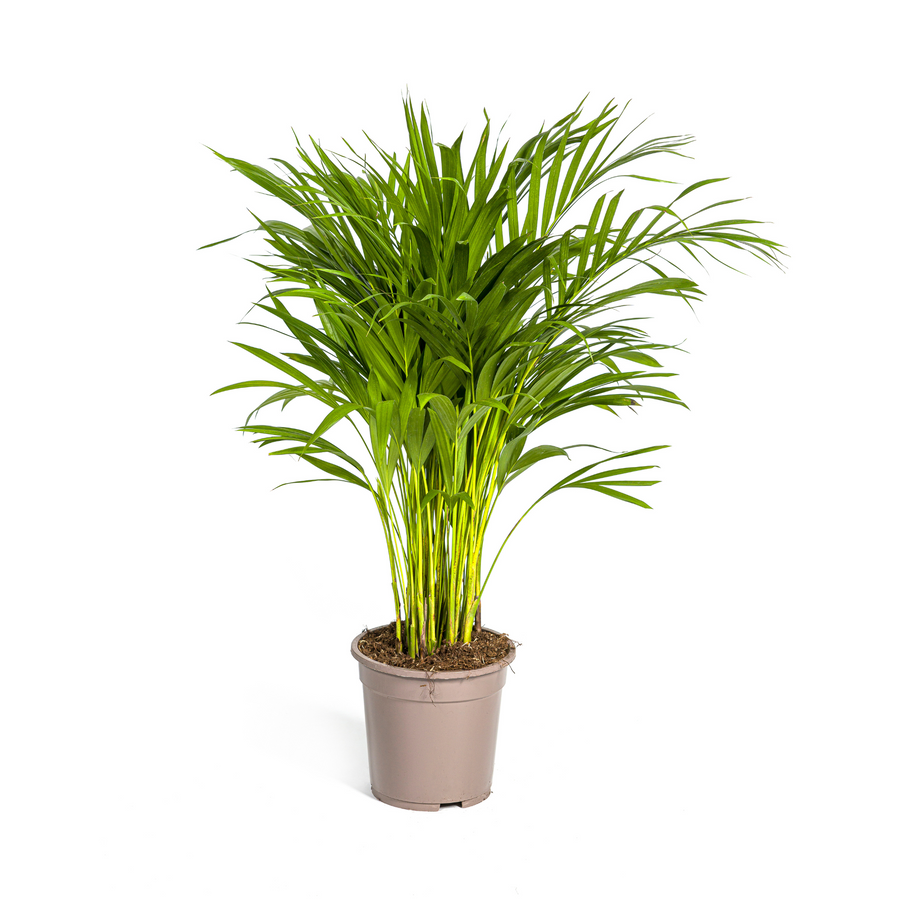
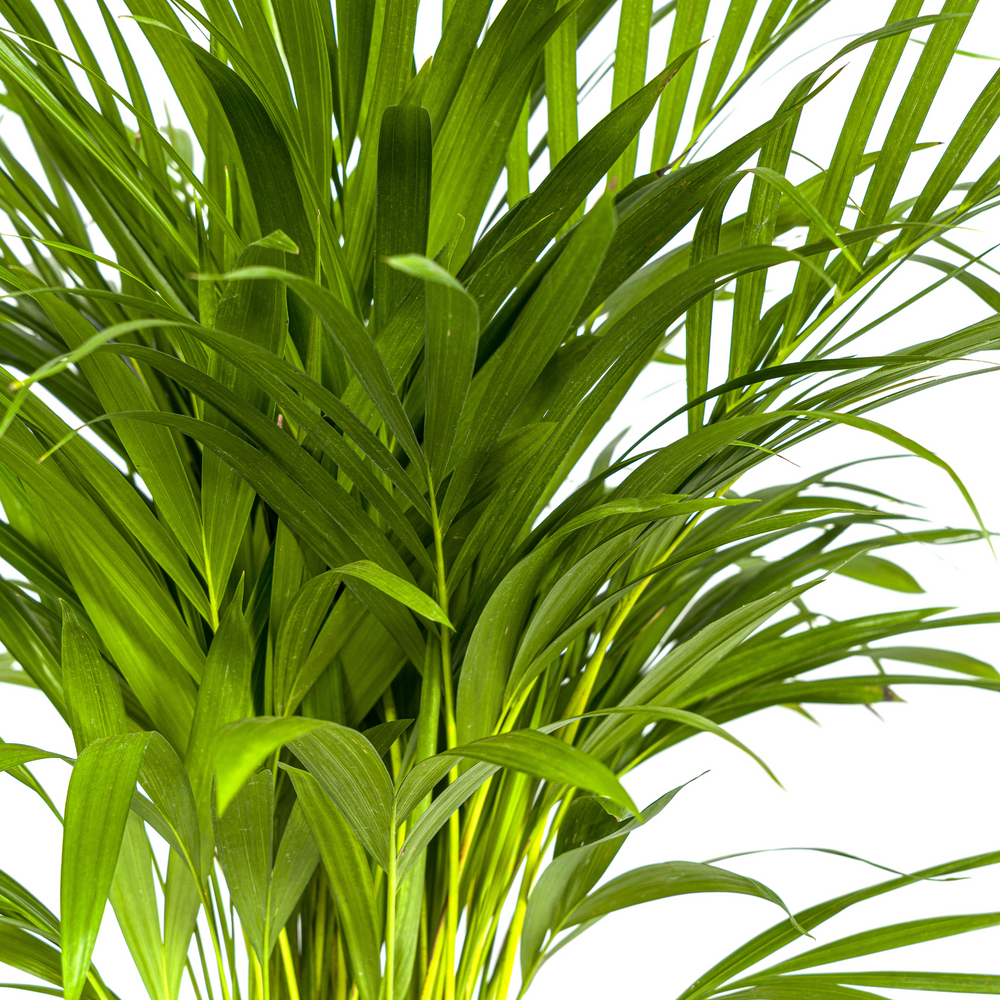
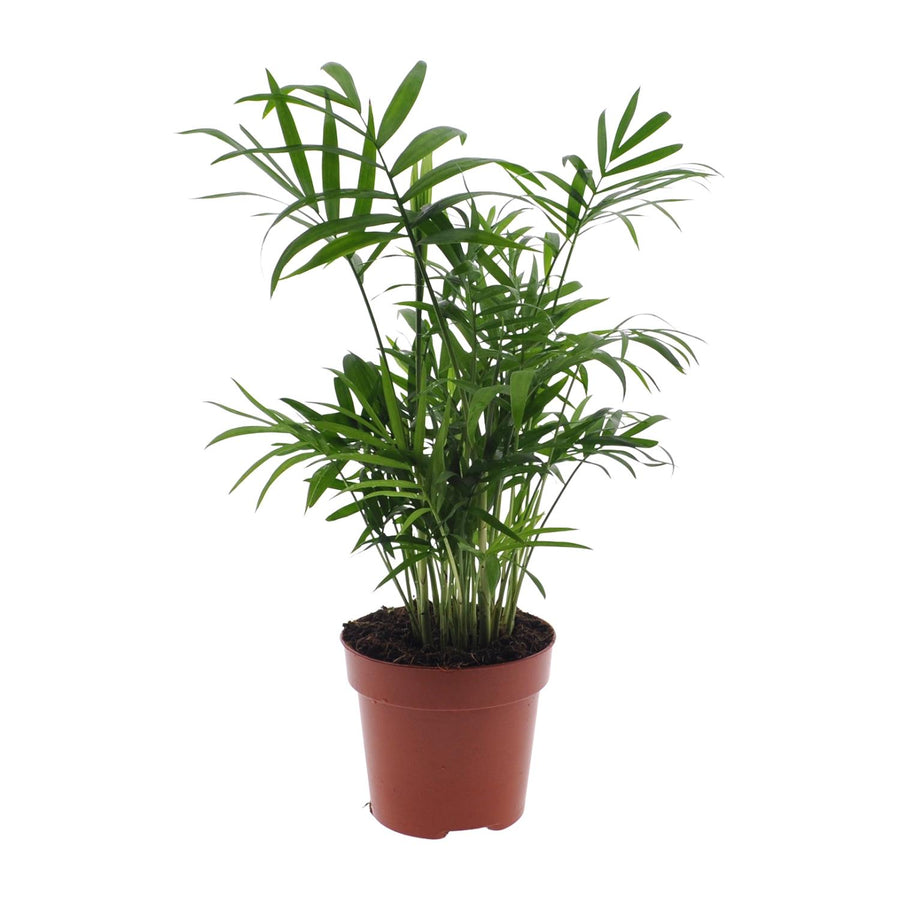
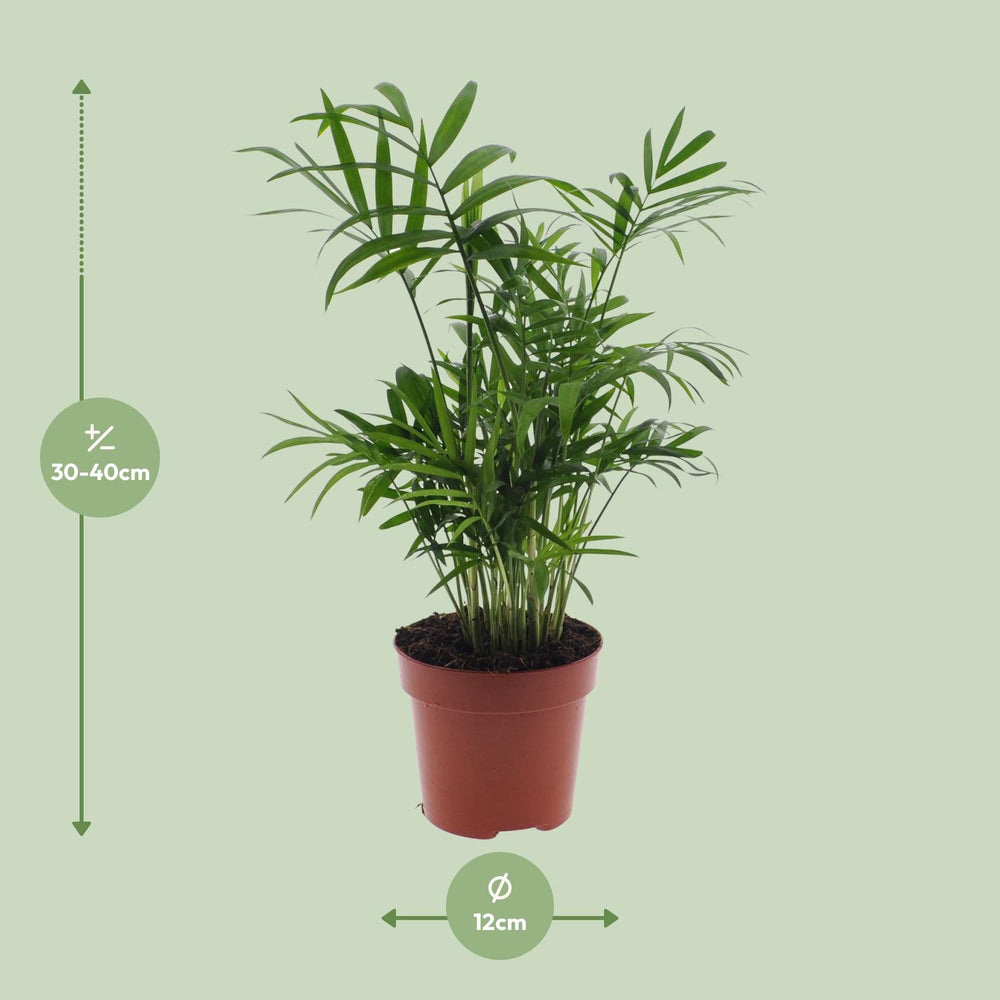
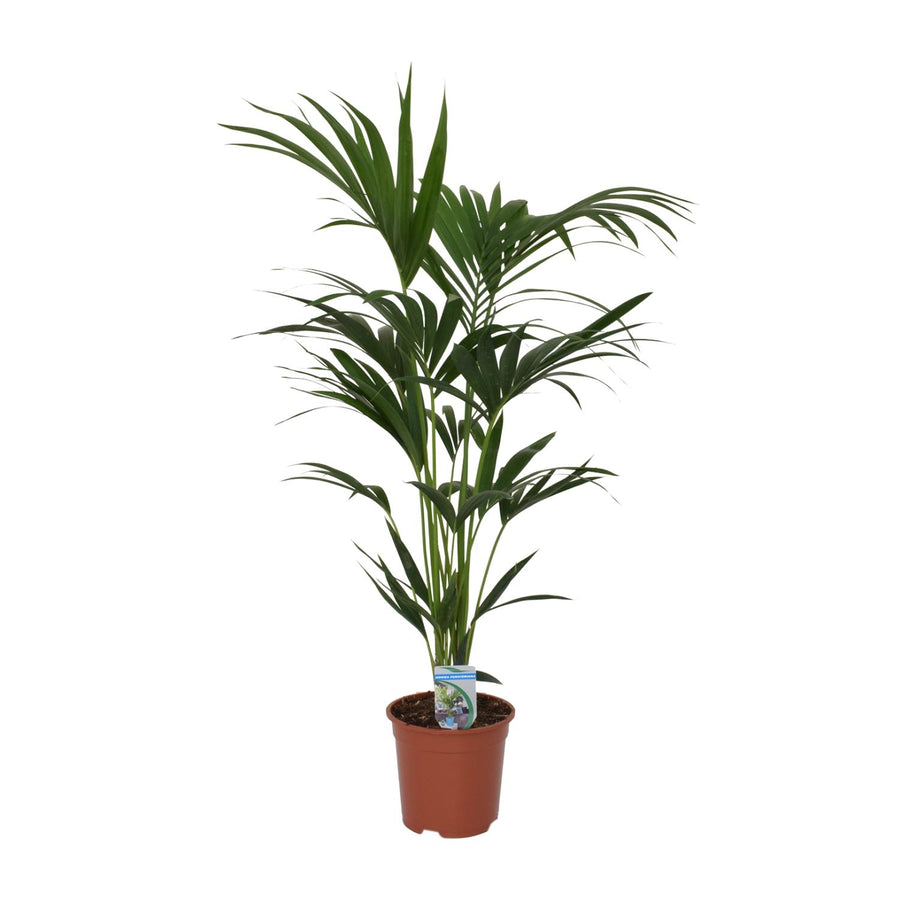
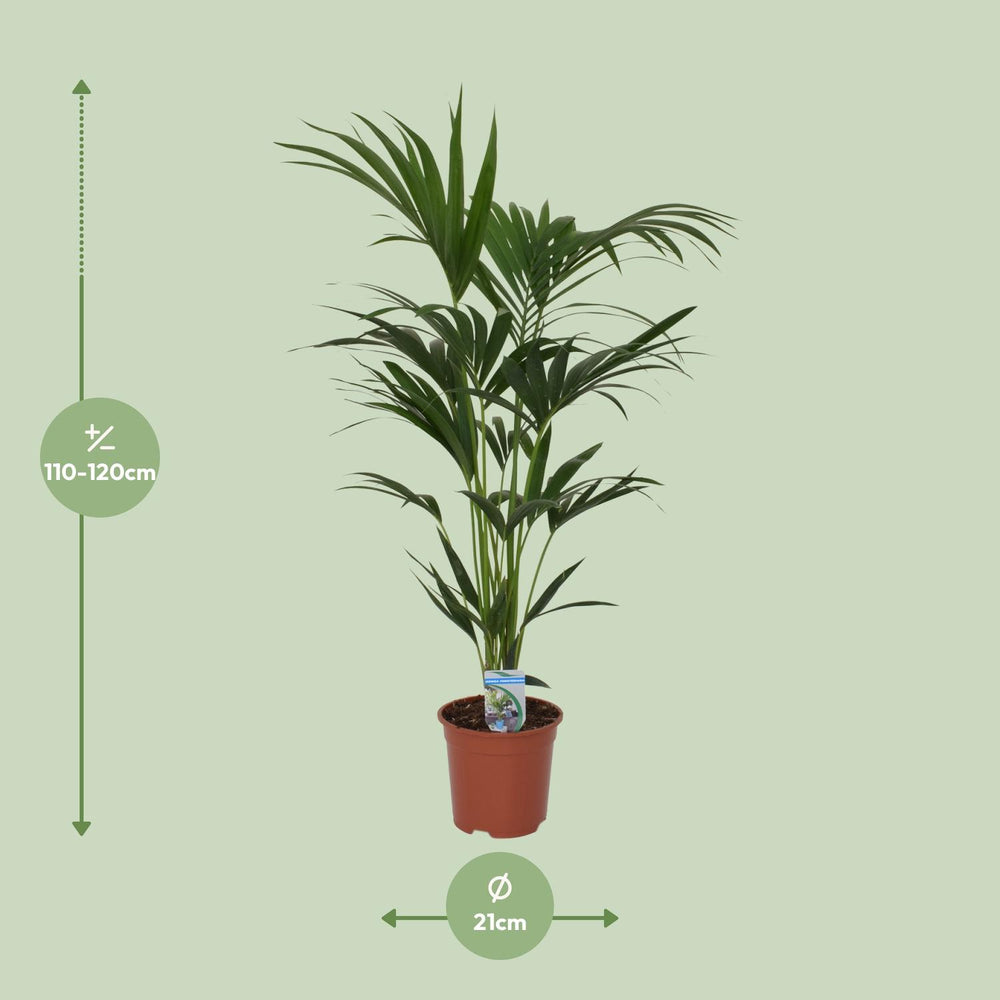
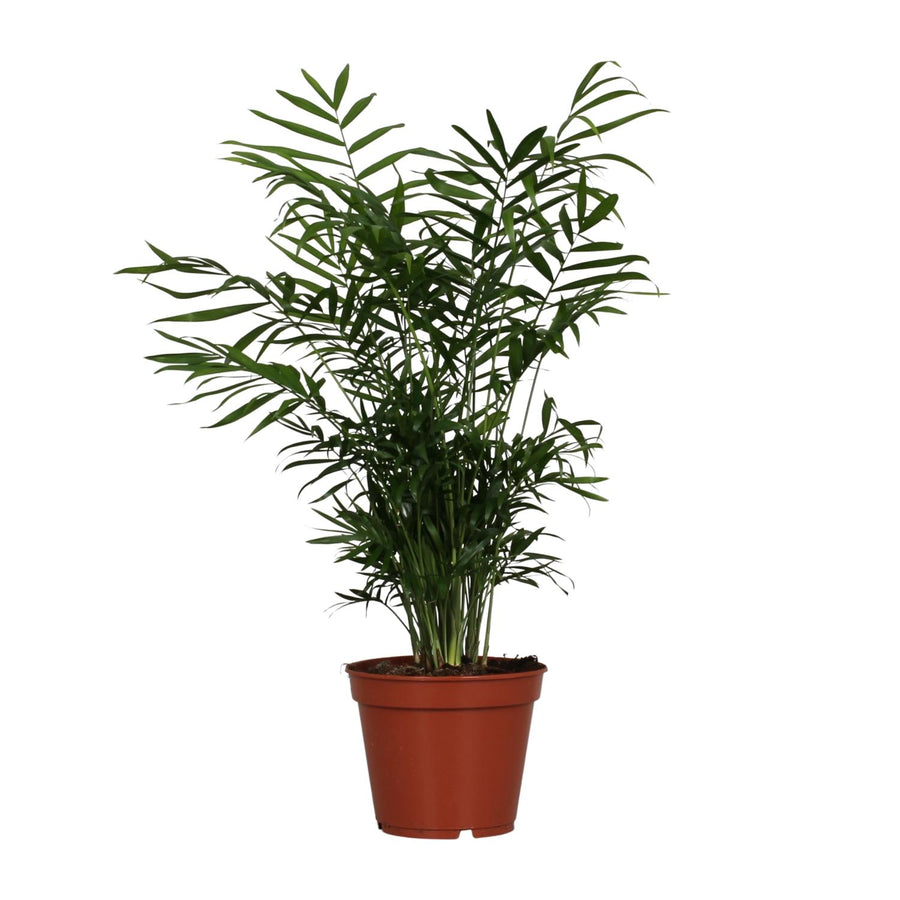
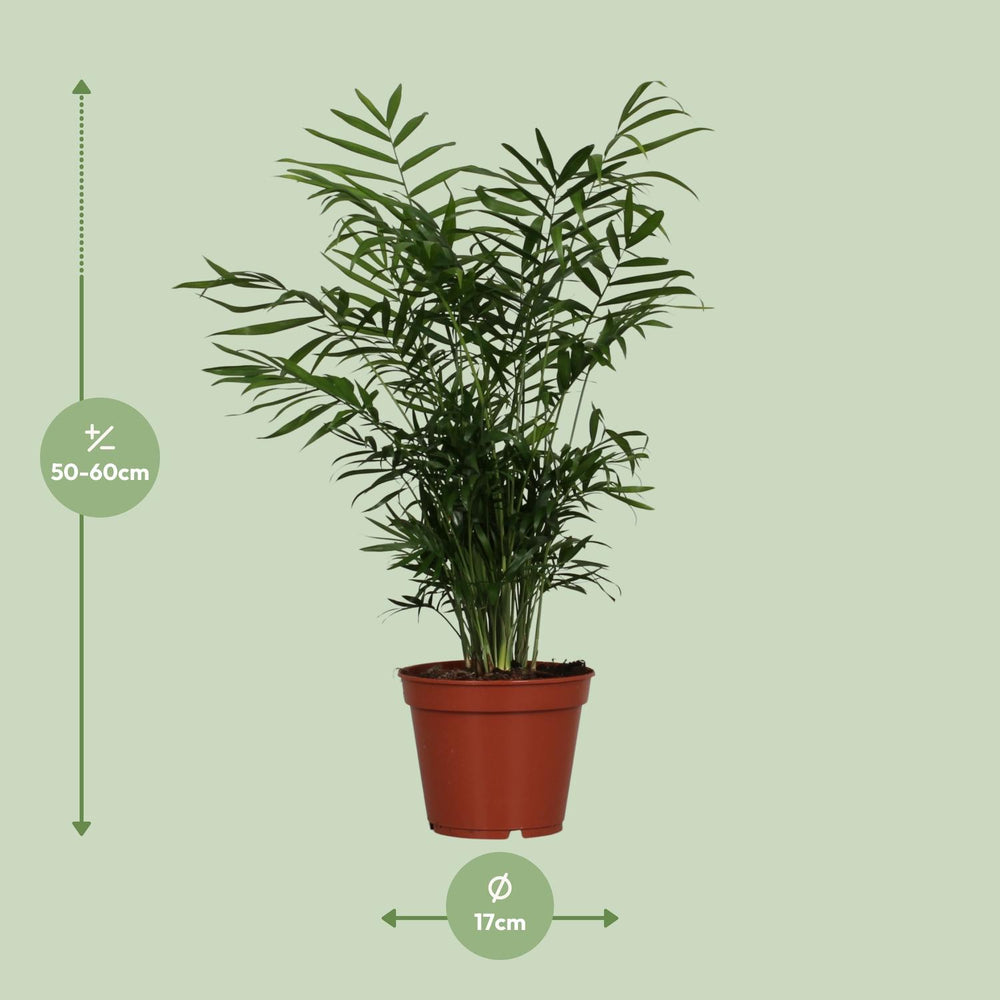
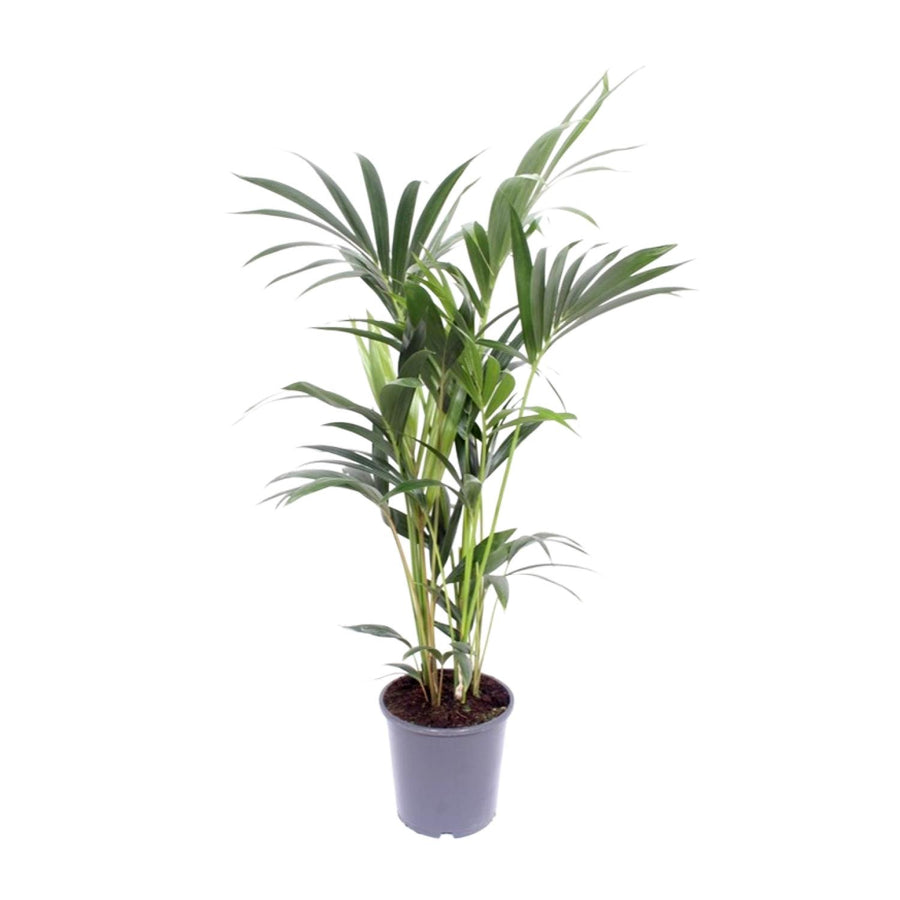
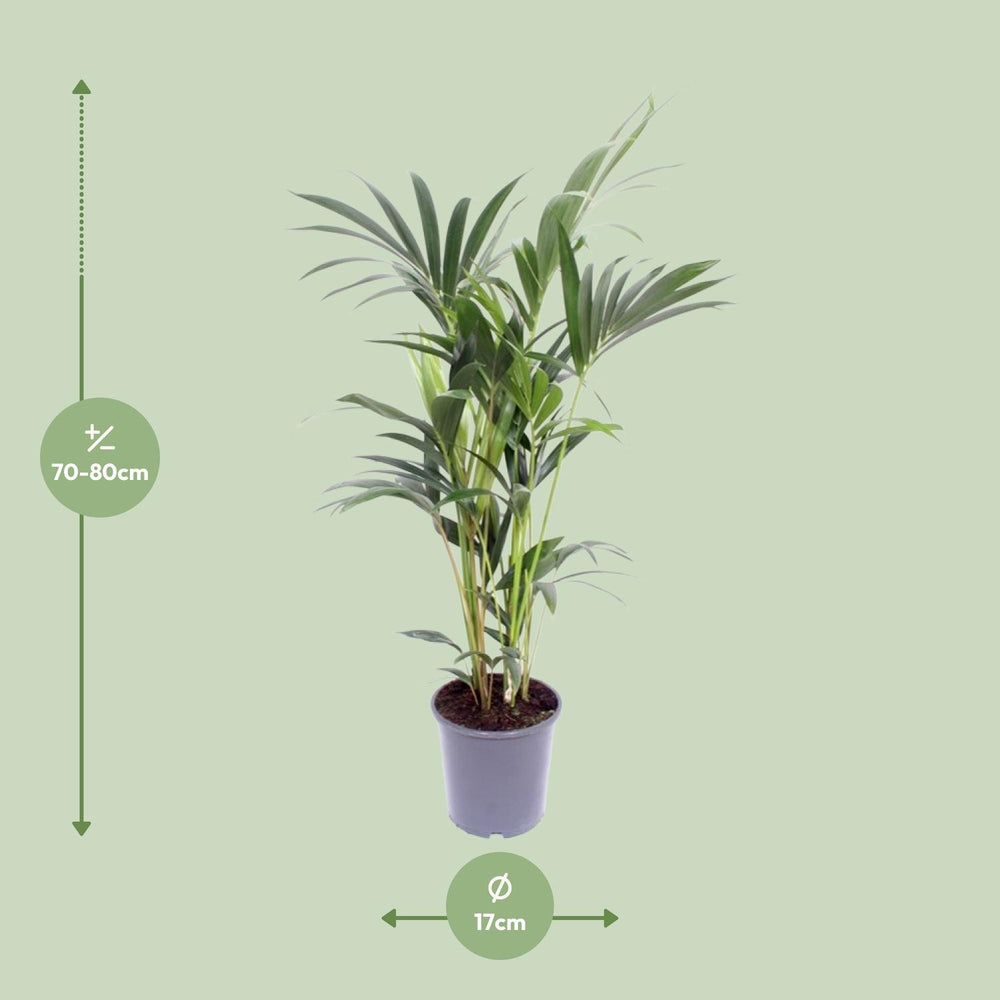
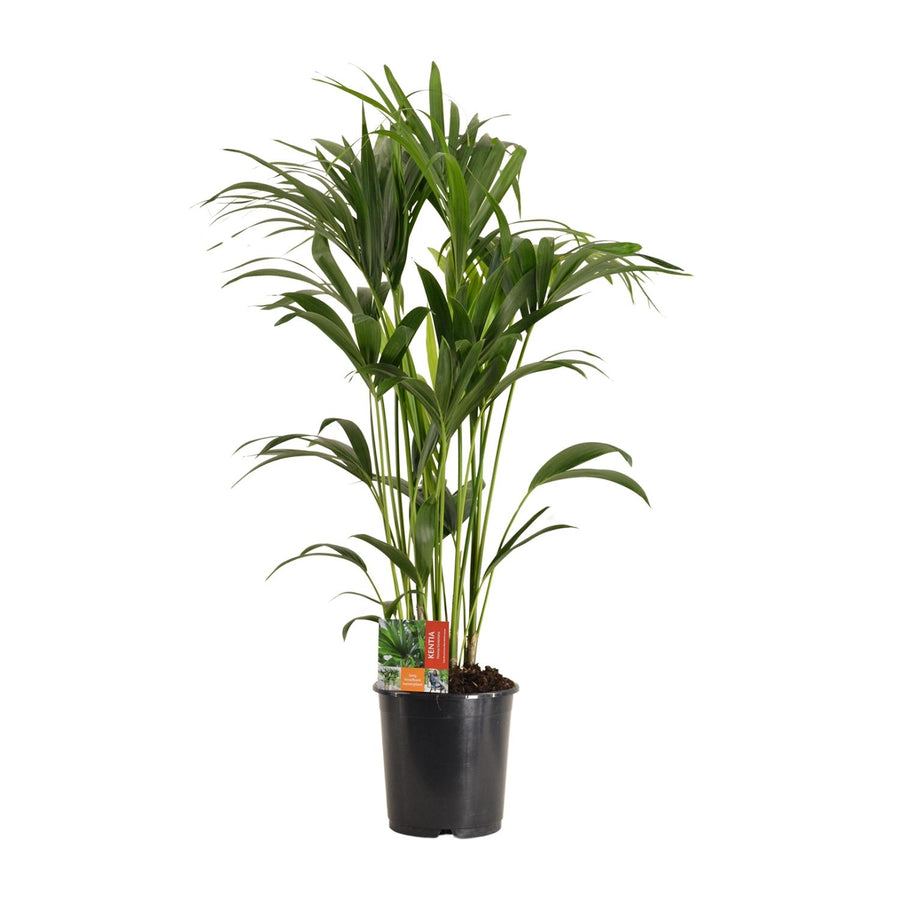
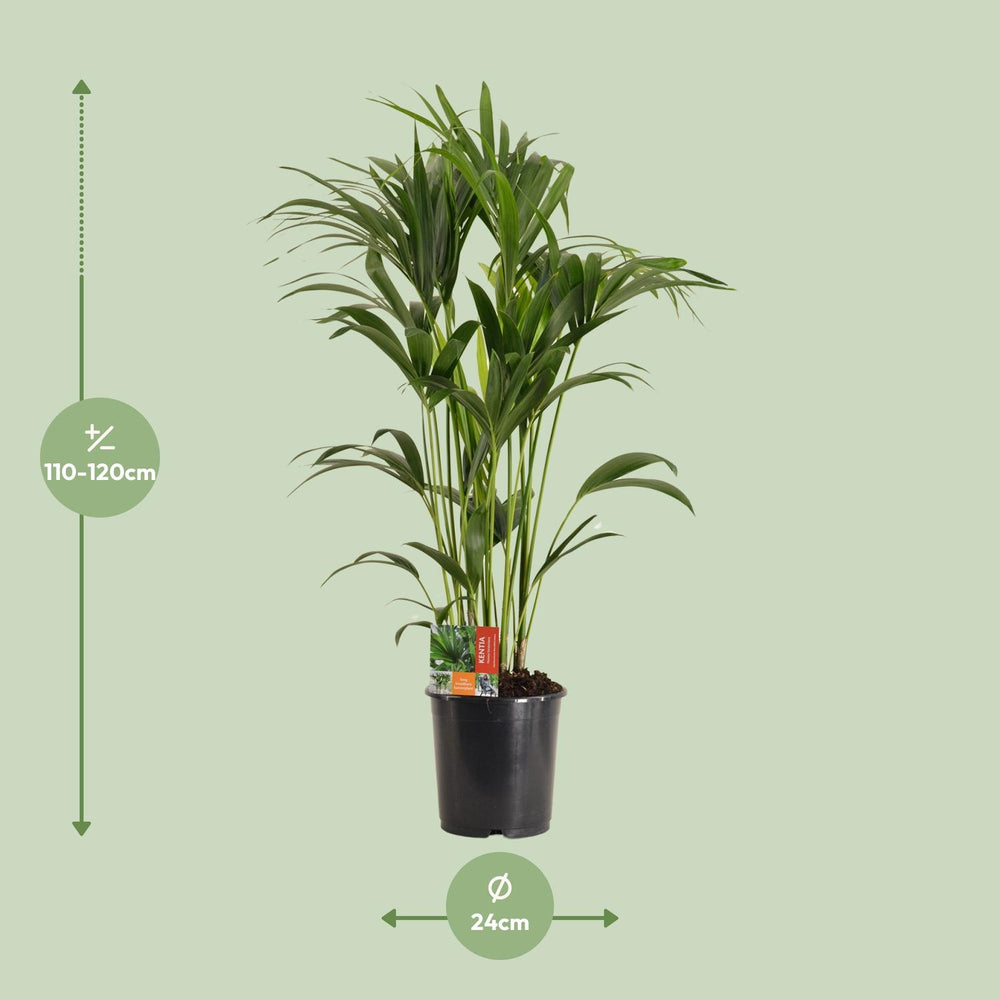
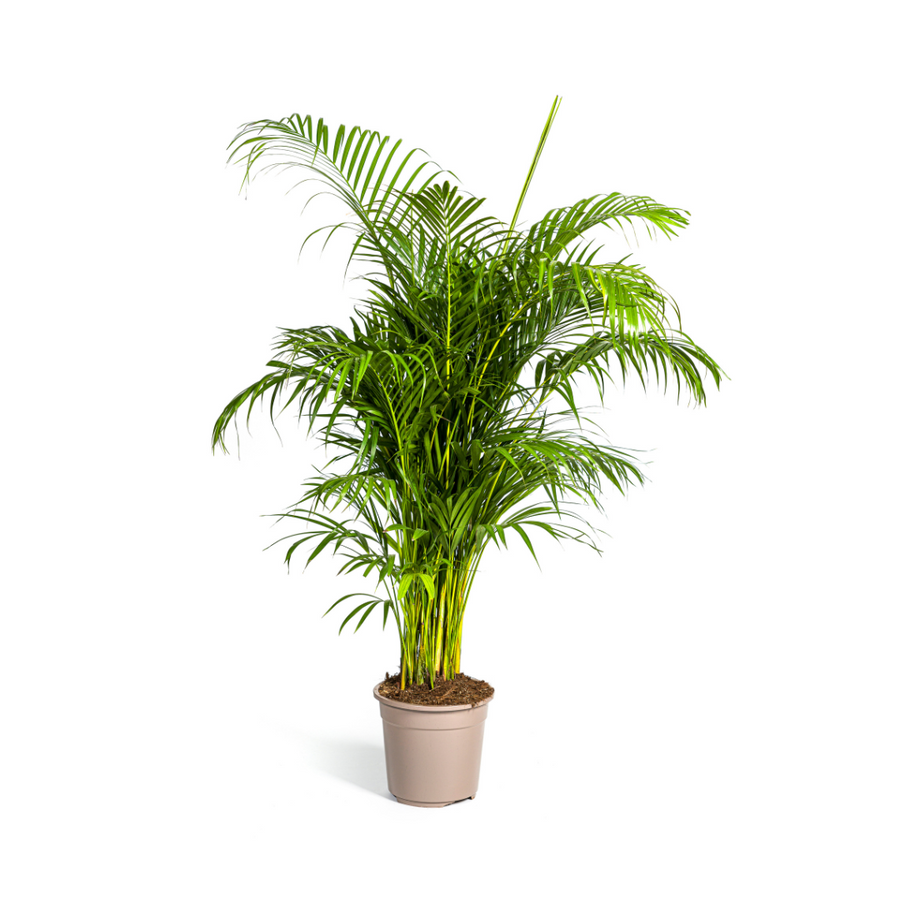
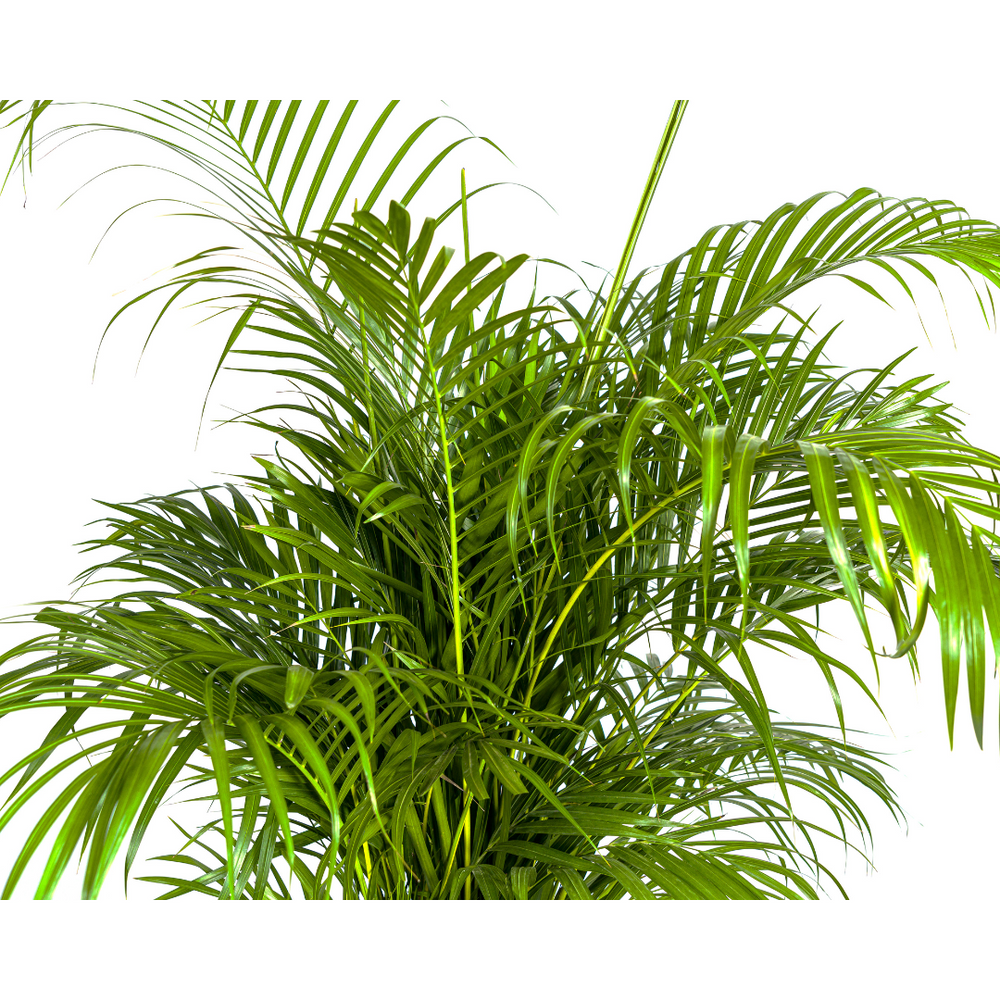
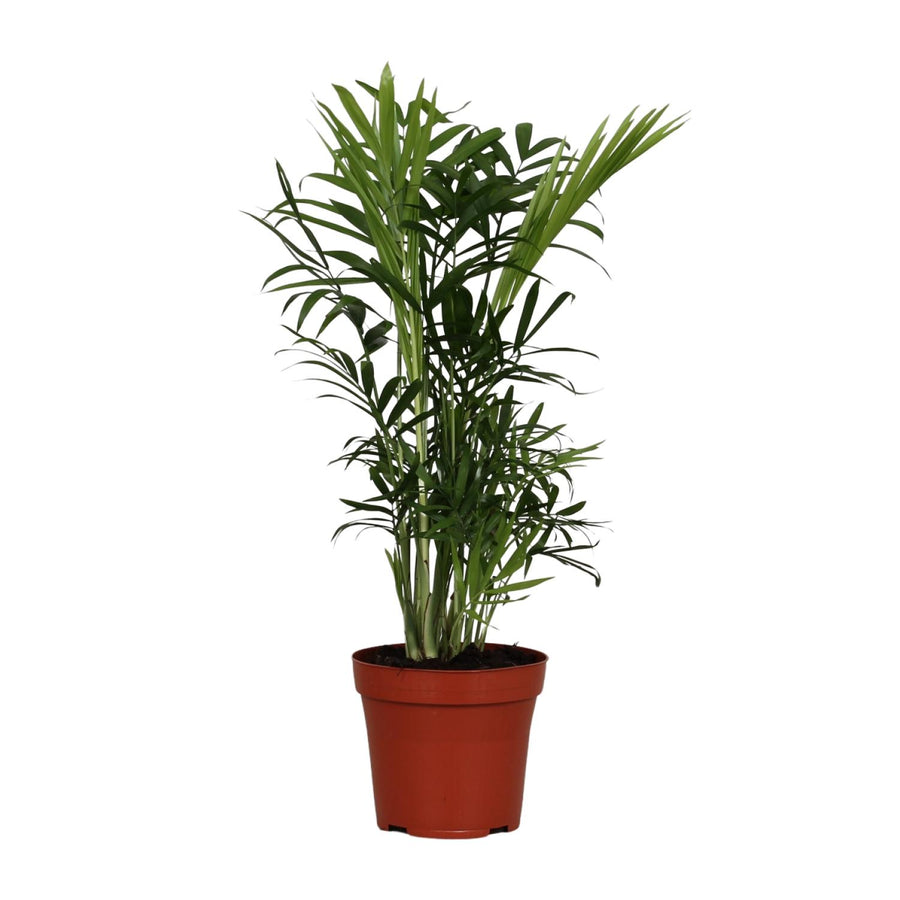
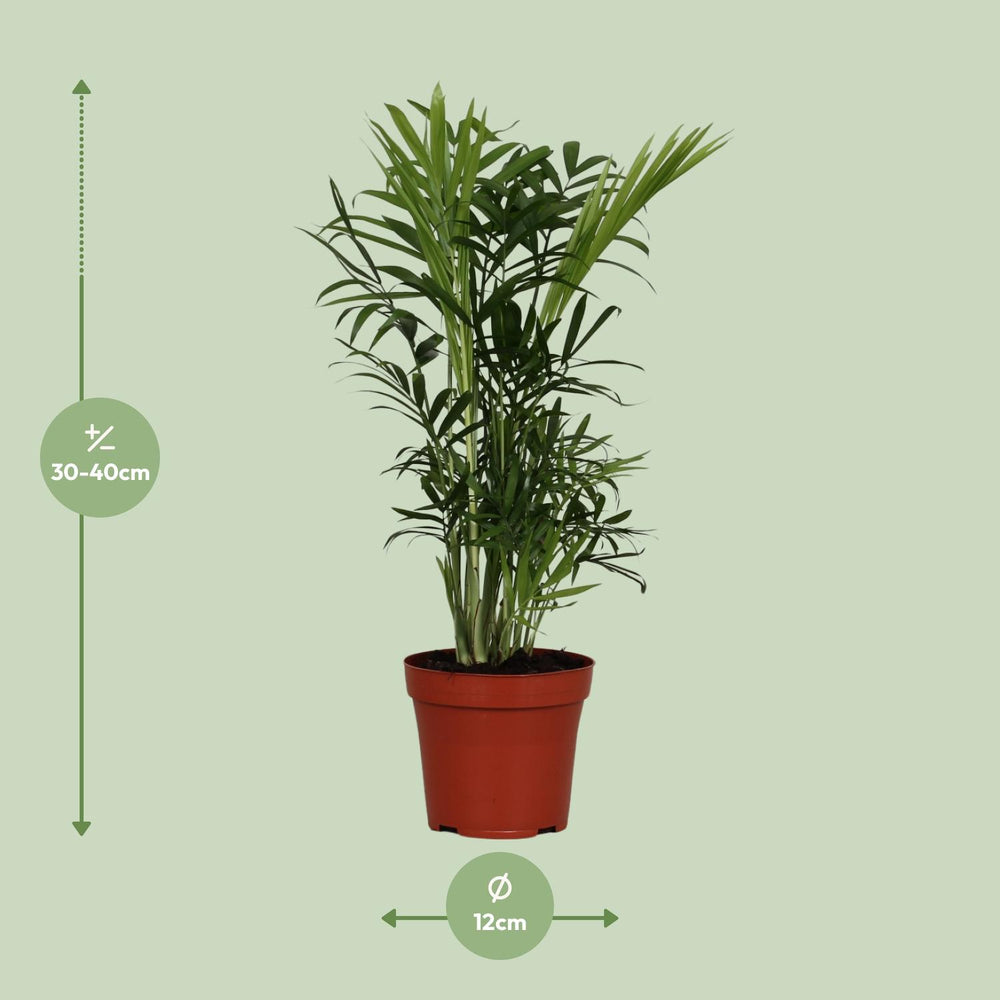
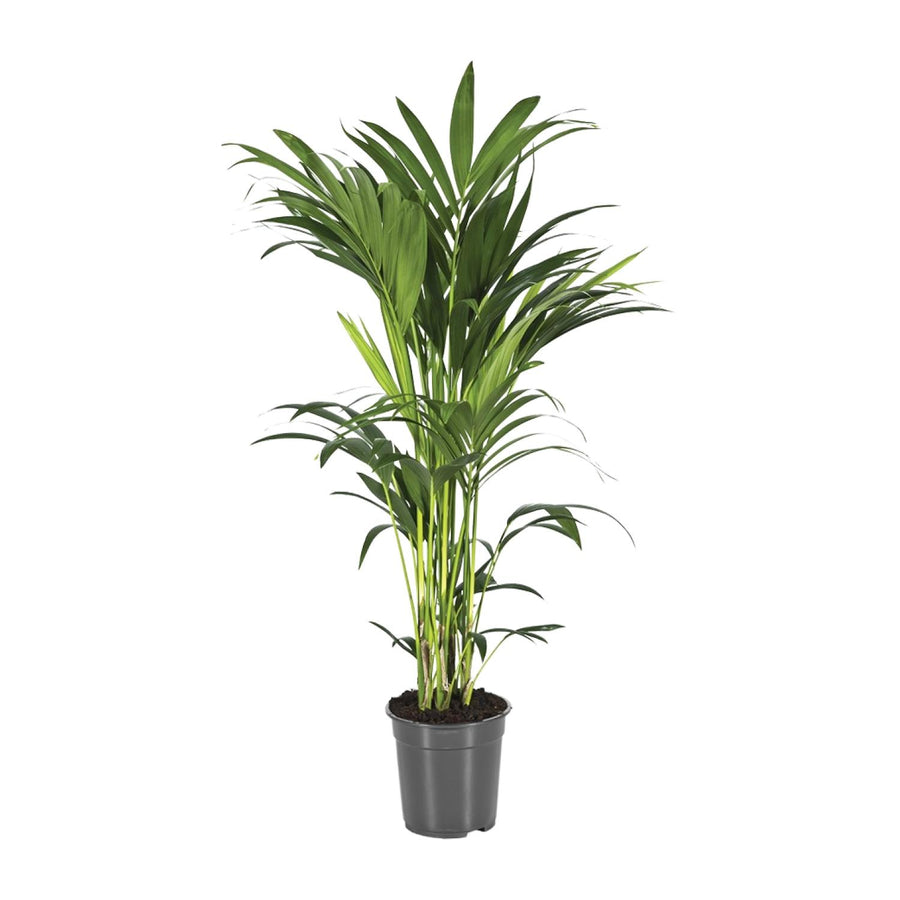
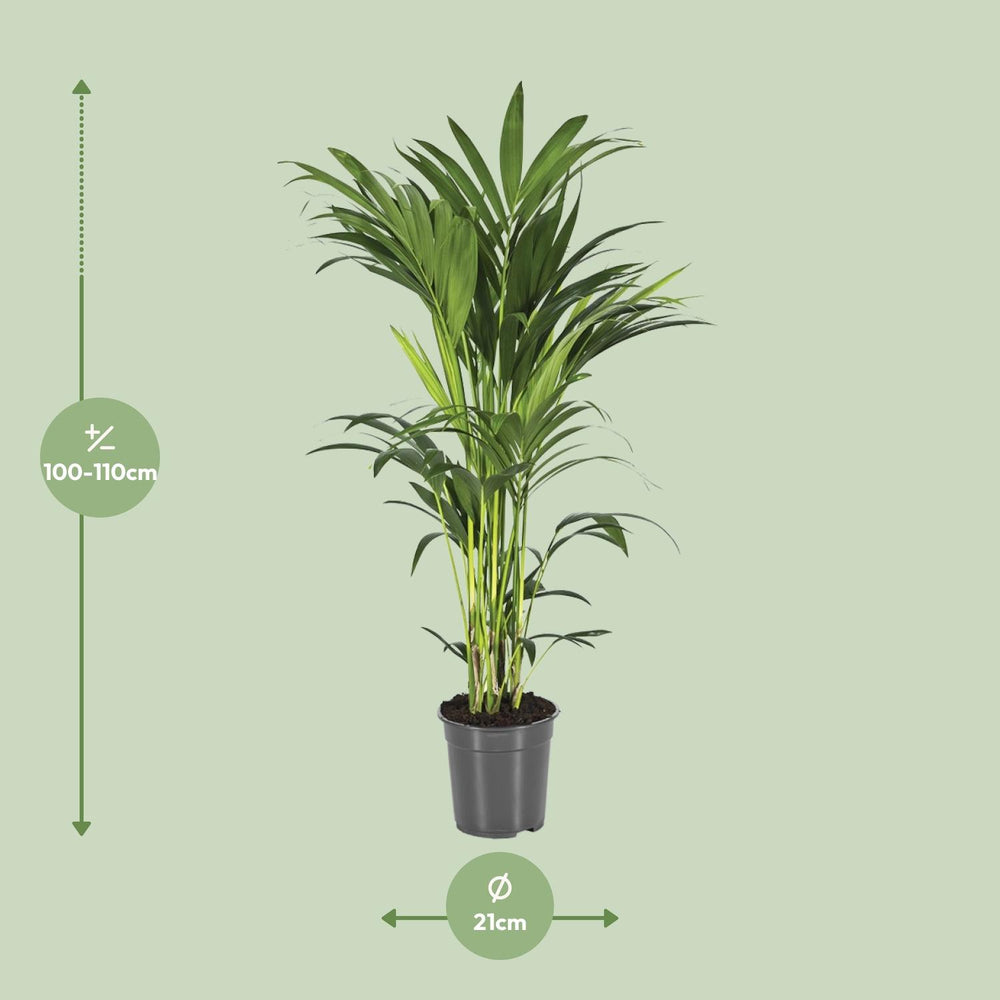
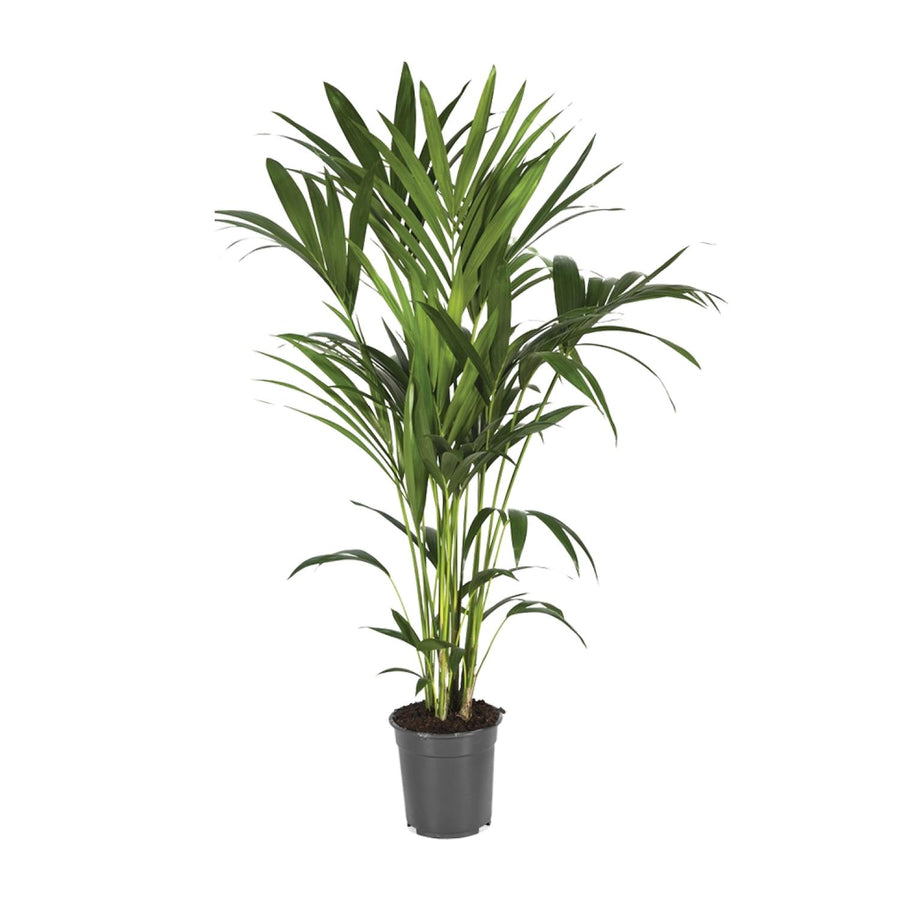
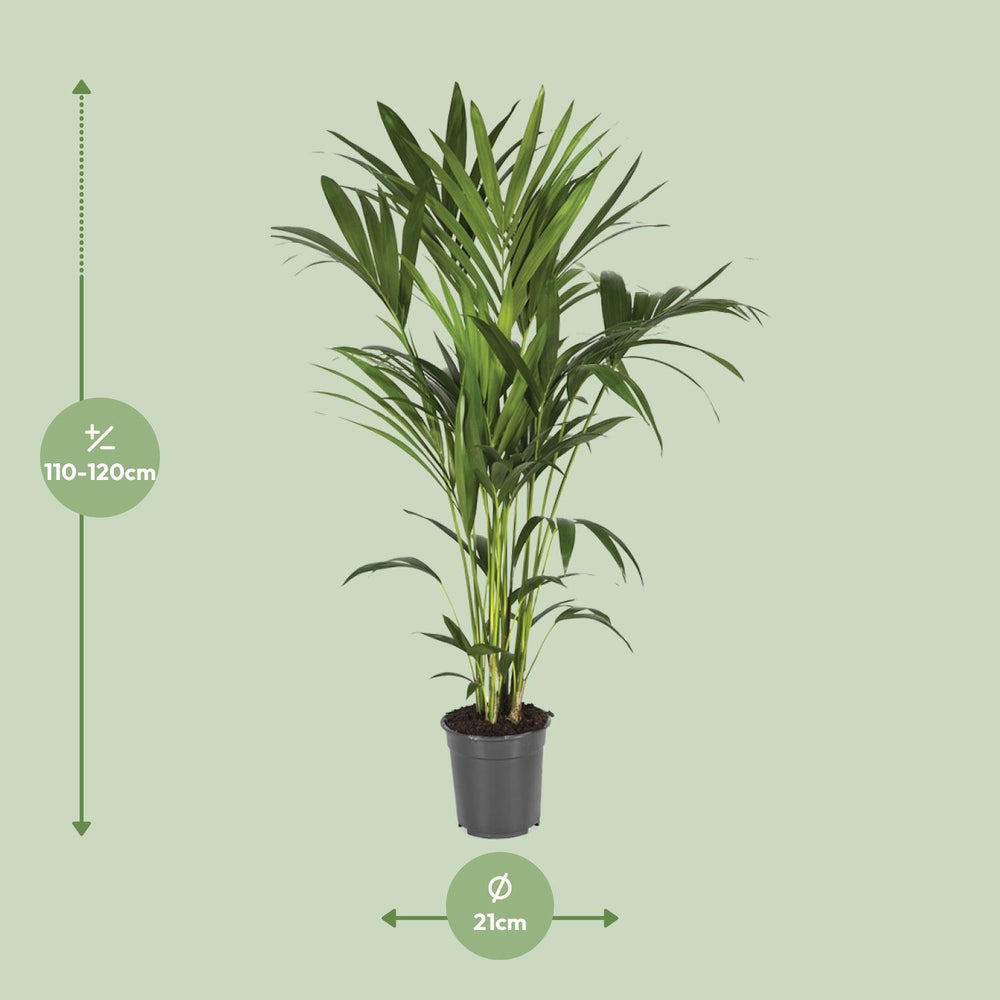
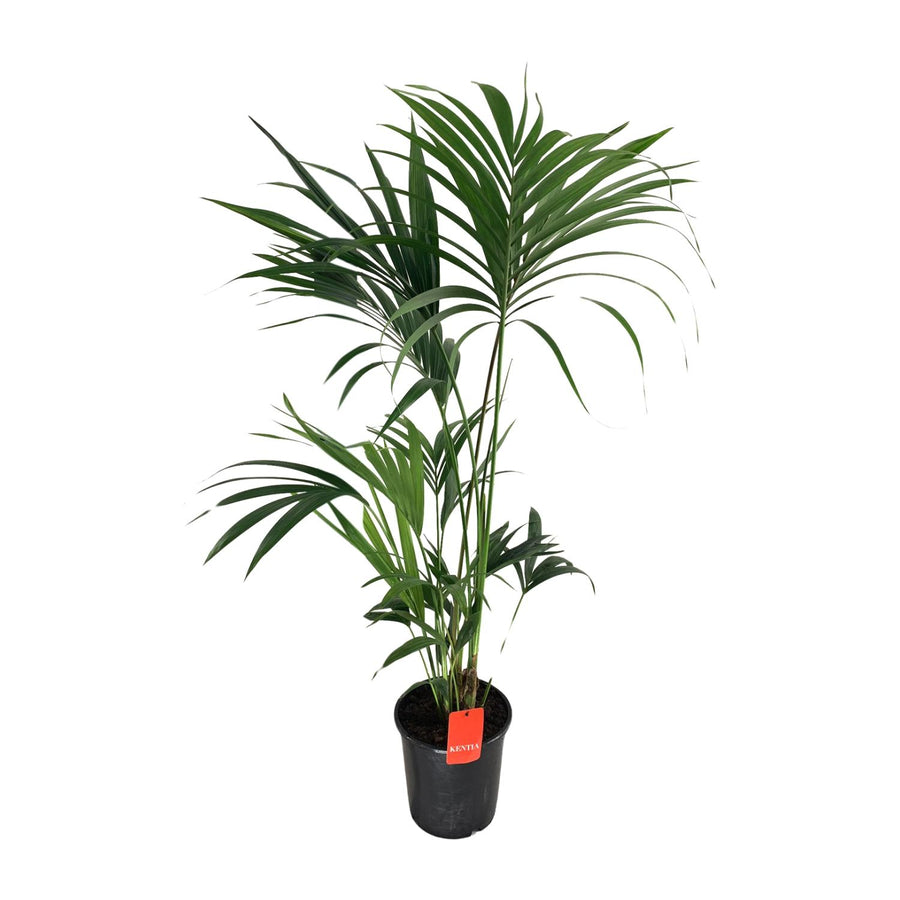
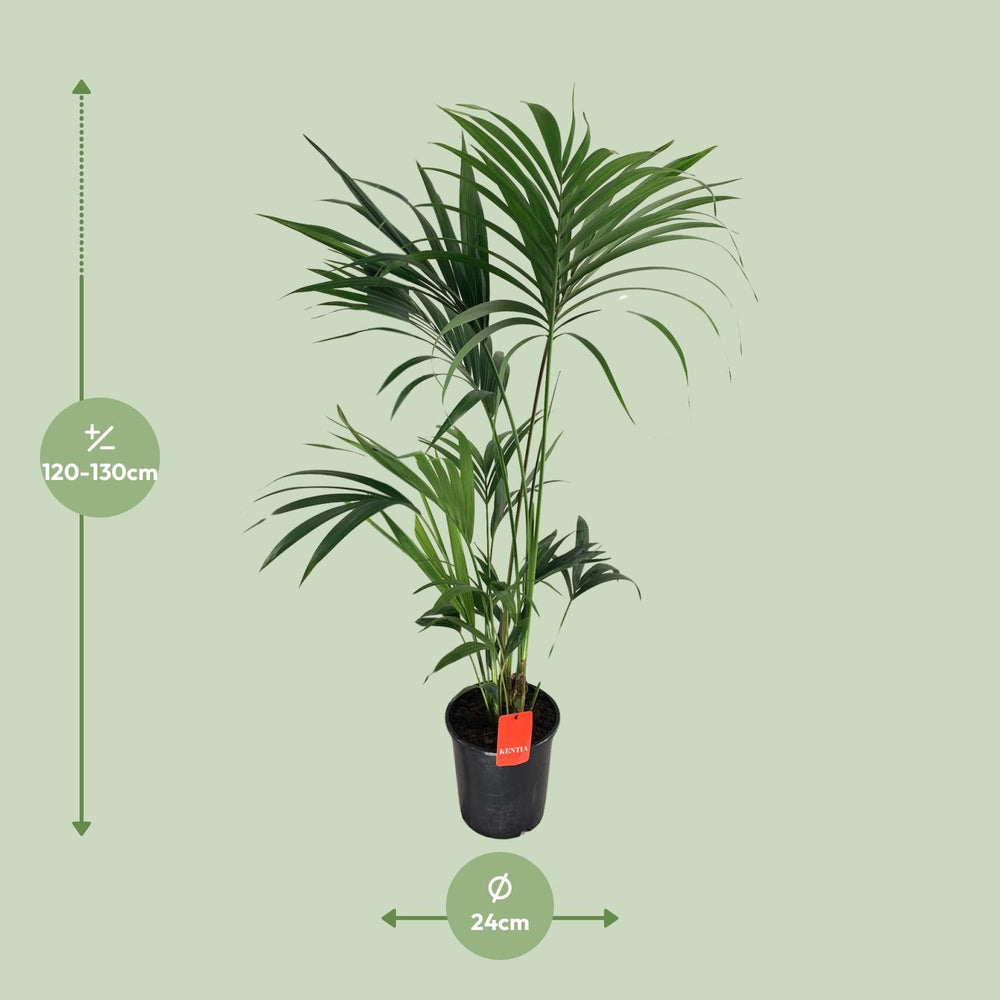
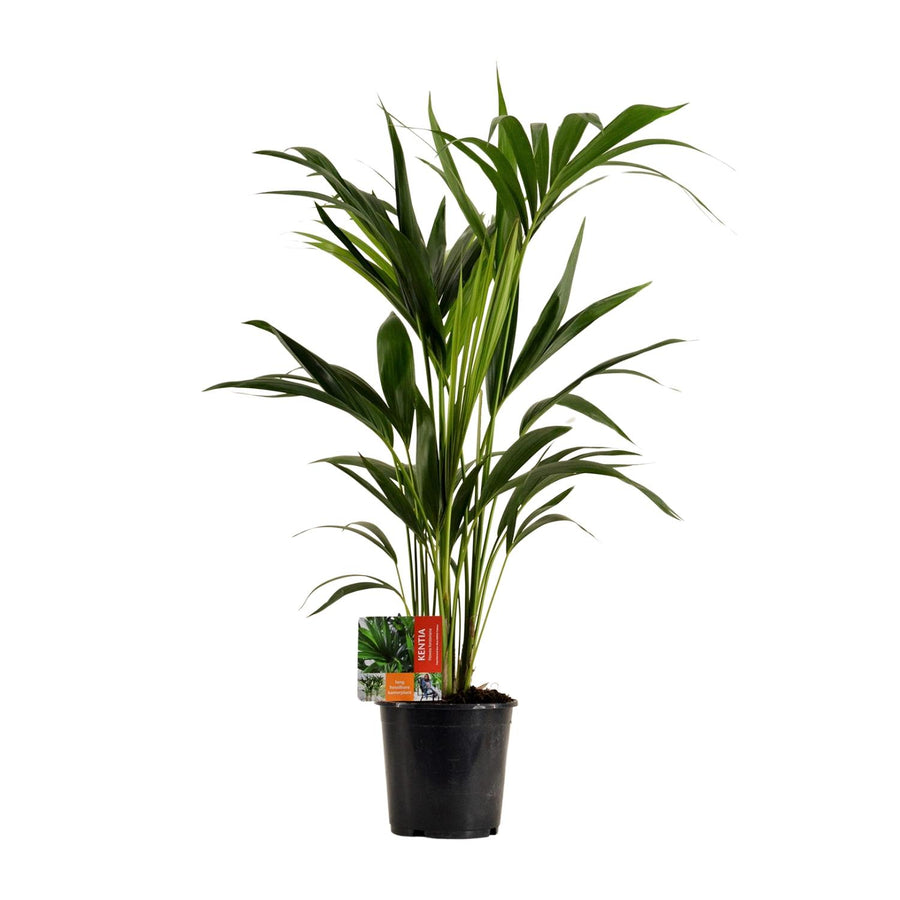
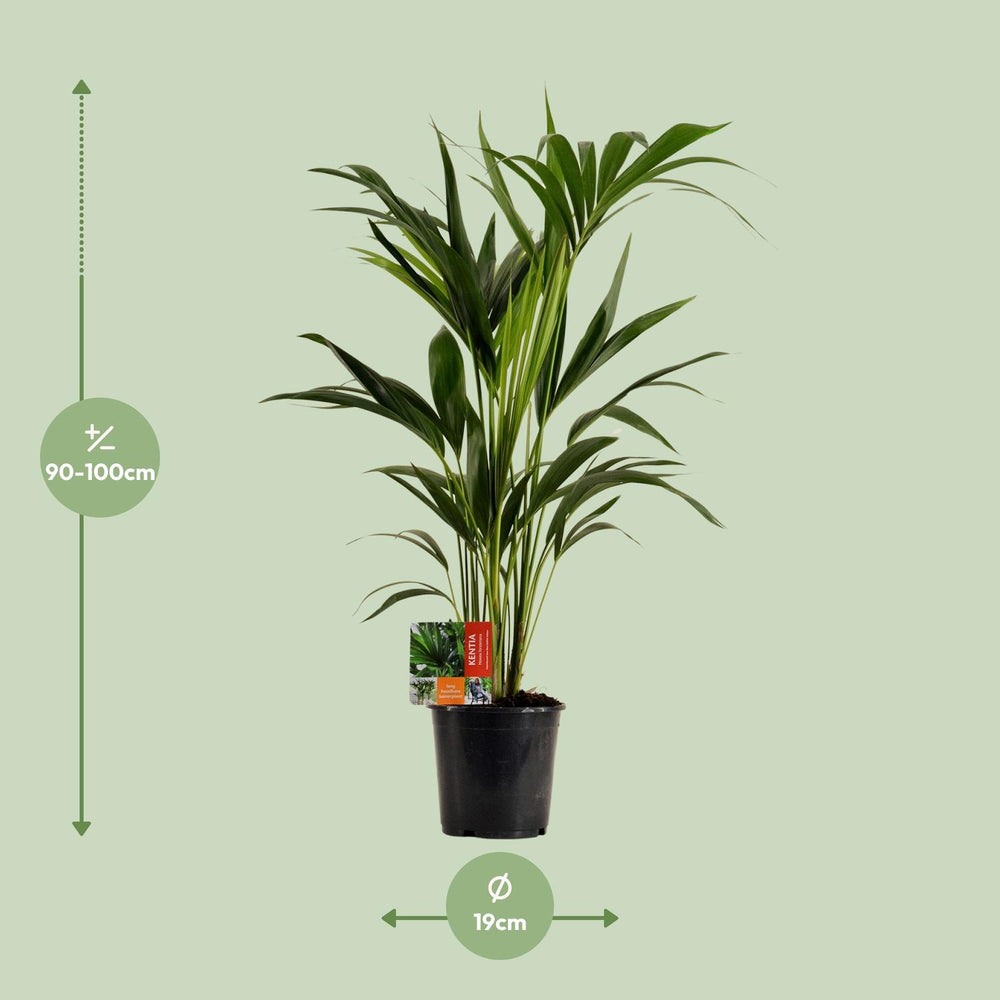
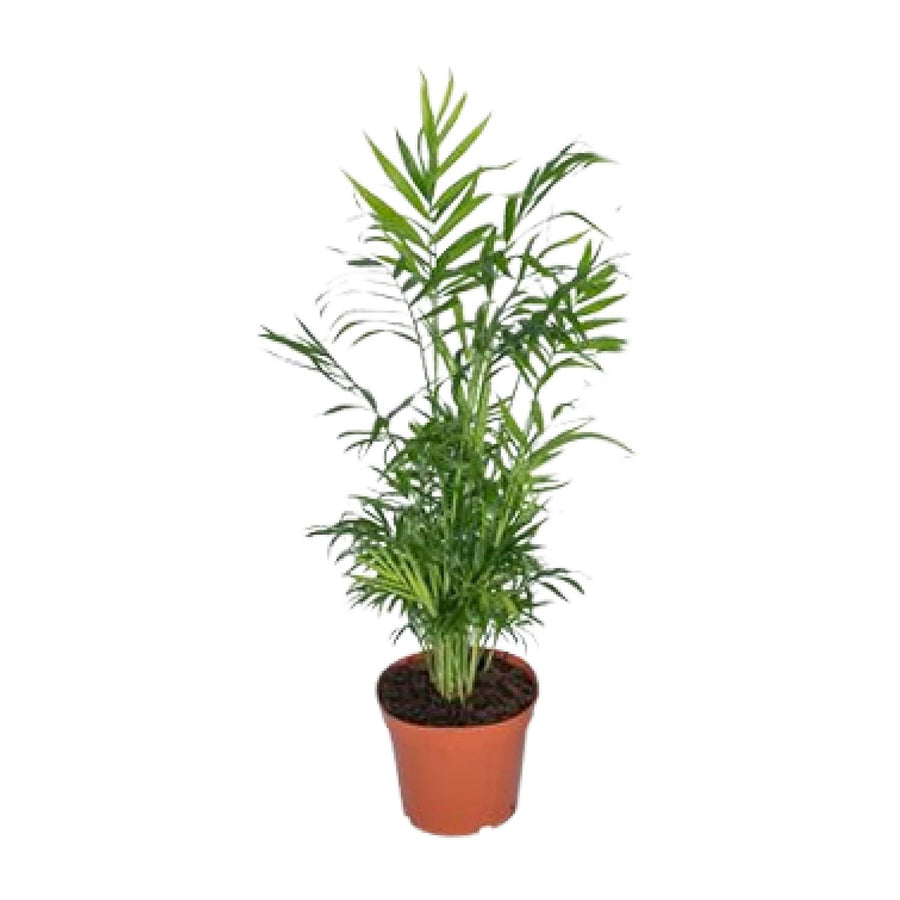
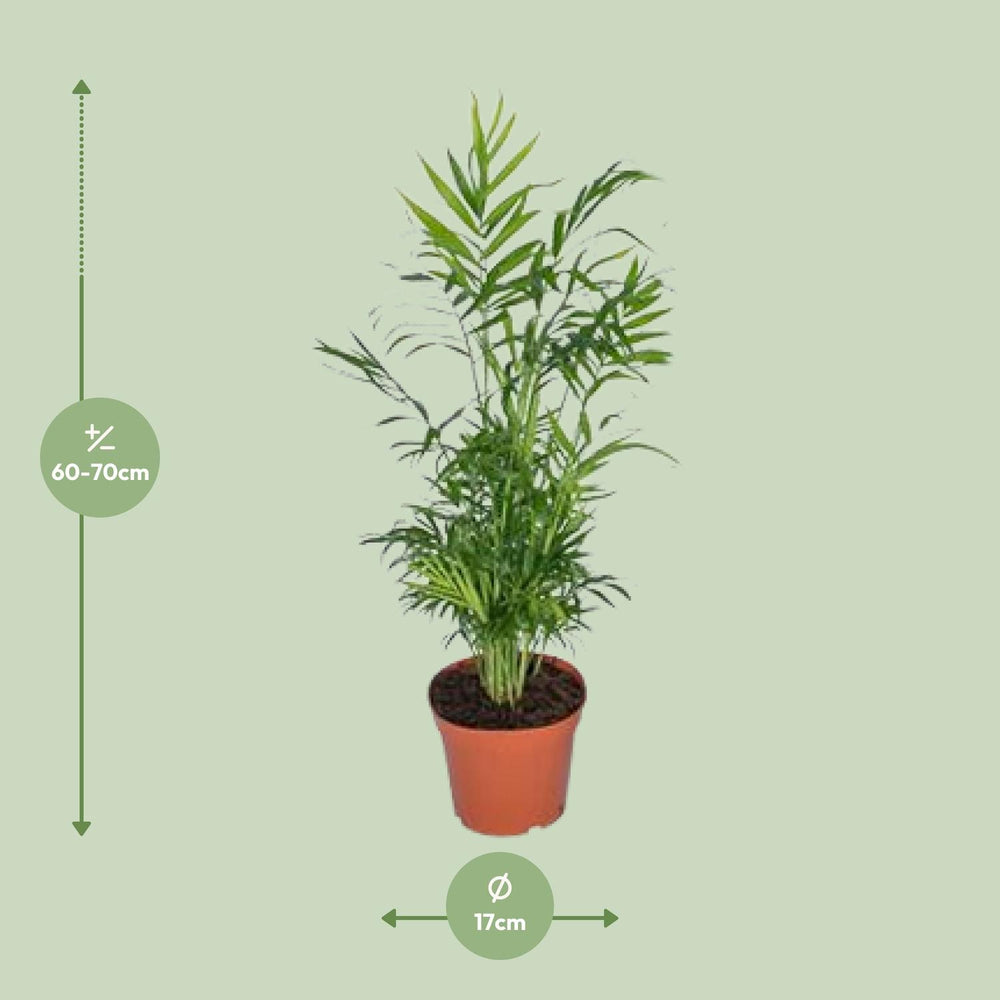
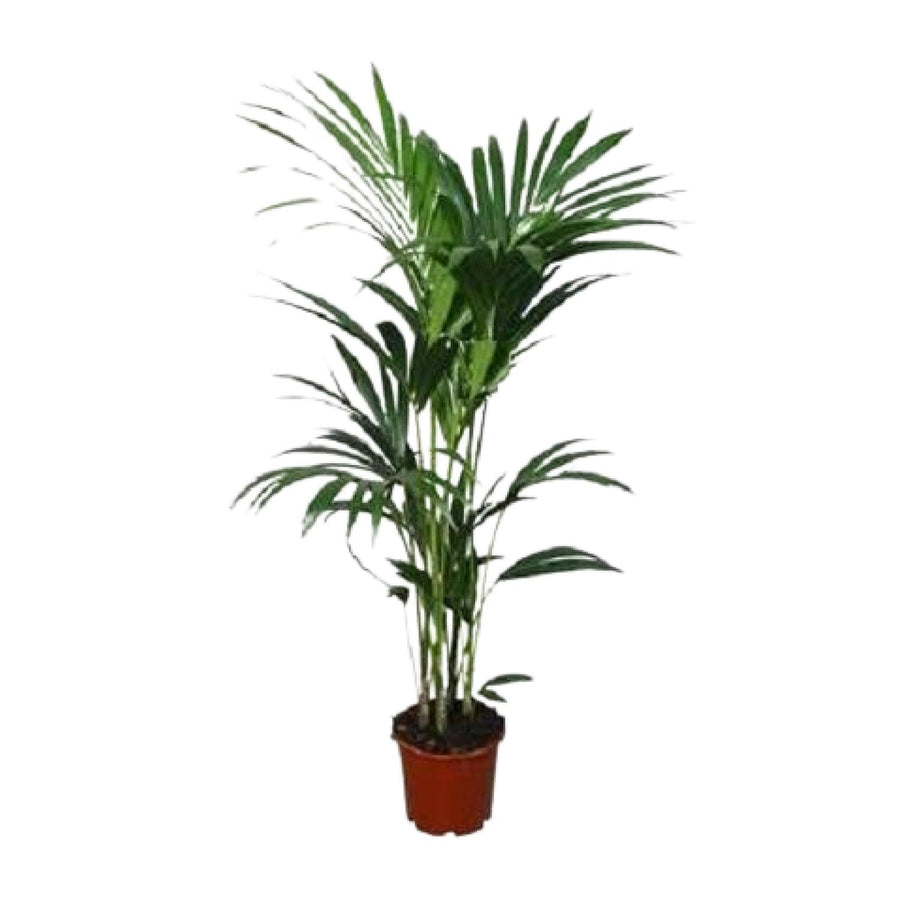
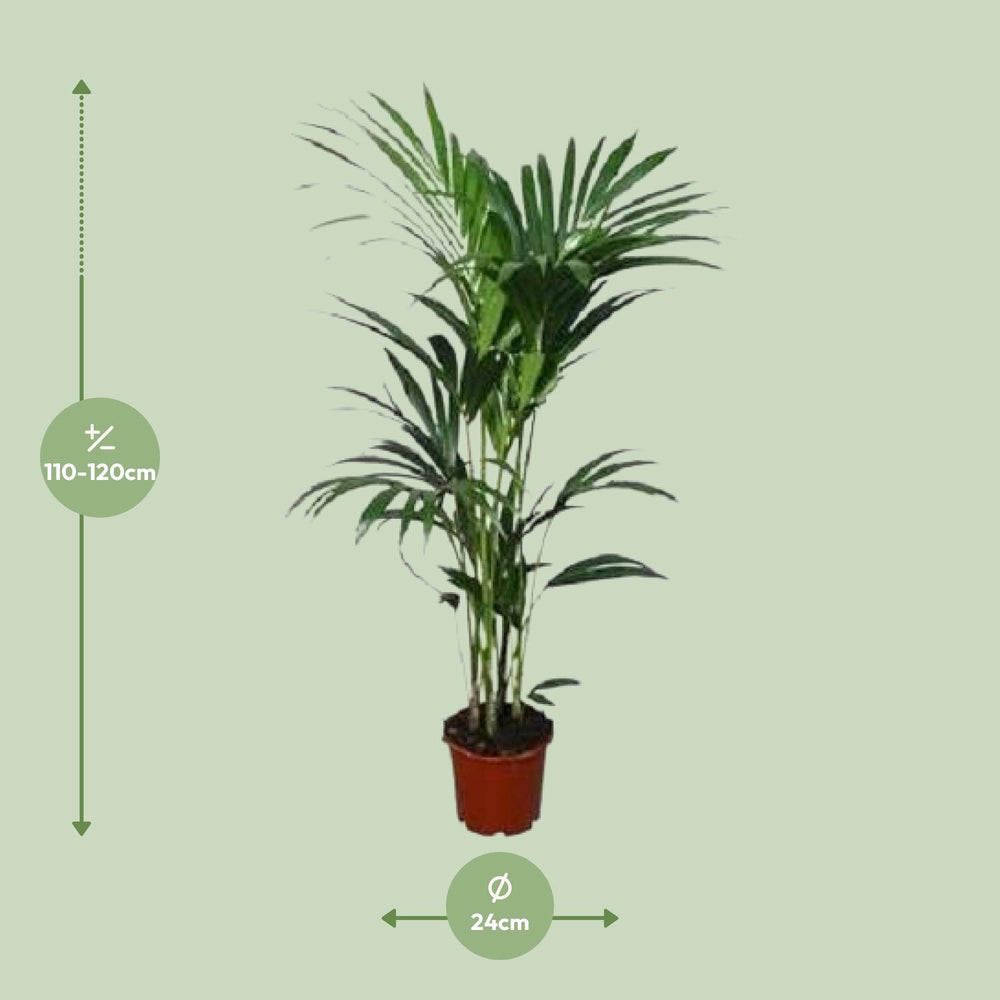
For most homes the kentia palm (Howea forsteriana) is the best indoor palm: slow-growing, tolerant of lower light and forgiving of the odd missed watering. Choose an areca palm (Dypsis lutescens) for a fuller, faster-growing plant in a bright room, or a parlour palm (Chamaedorea elegans) for desks, shelves and small spaces. All three are non-toxic to cats and dogs according to the ASPCA.
| Palm | Light | Growth | Best spot | Pet-safe |
|---|---|---|---|---|
| Kentia palm (Howea forsteriana) | Low to bright indirect | Slow | Floor, living room or hall | Yes |
| Areca palm (Dypsis lutescens) | Bright indirect | Moderate | Floor near a window | Yes |
| Parlour palm (Chamaedorea elegans) | Low to medium | Slow | Desk, shelf | Yes |
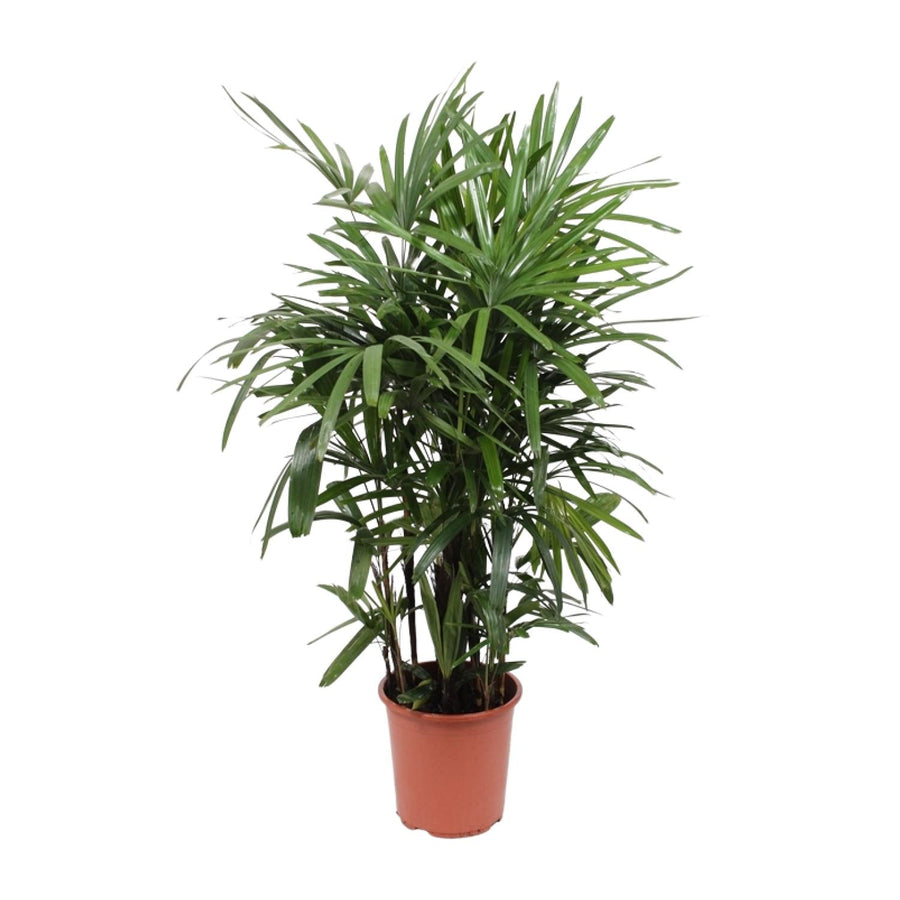
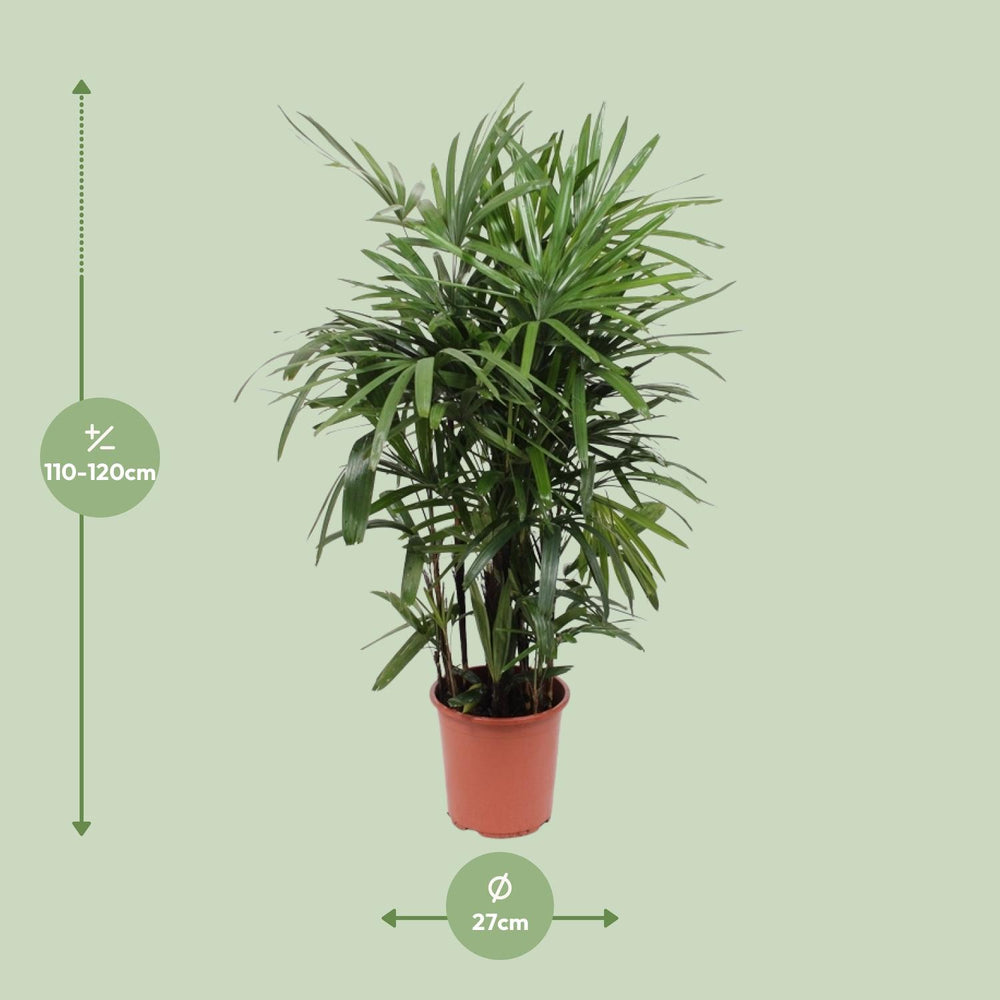
| Lady palm (Rhapis excelsa) | Low to medium | Slow | Floor, office corner | Yes |
| Ponytail palm (Beaucarnea recurvata) | Bright, some direct sun | Very slow | Sunny windowsill or floor | Yes |
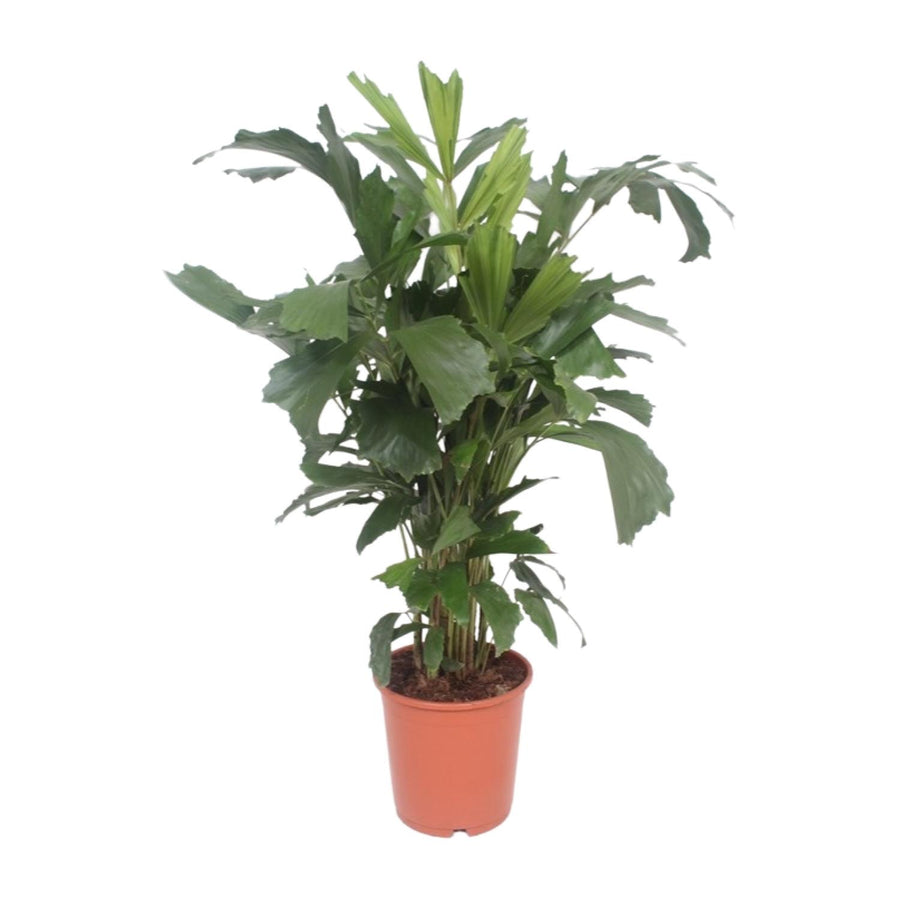
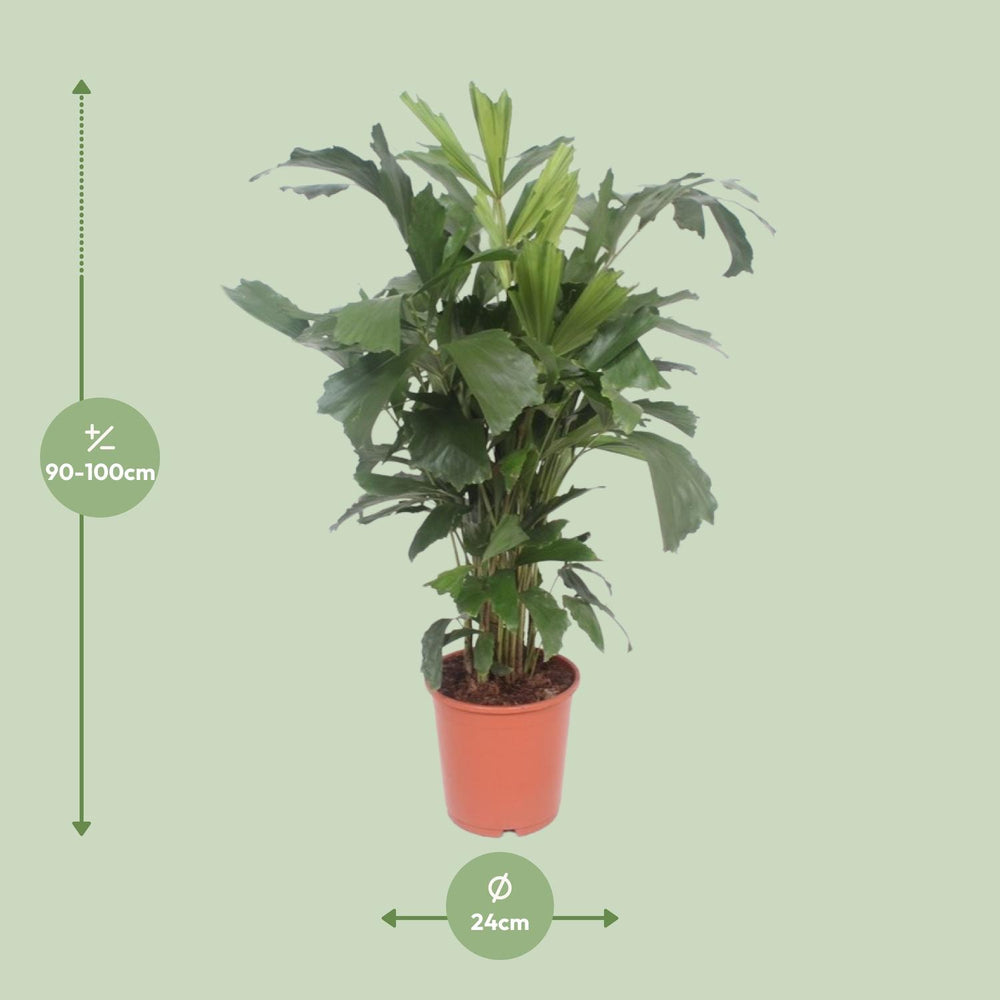
| Chinese fan palm (Livistona chinensis) | Bright, some direct sun | Slow | Floor in a bright room | Not confirmed; keep out of reach |
How to care for an indoor palm
Overwatering is the most common mistake. Water when the top few centimetres of compost are dry, make sure the pot drains freely, and never leave the roots sitting in a full saucer. Keep palms away from radiators and draughty doors, wipe dust off the fronds now and then, and feed monthly from April to September with a balanced or palm-specific liquid feed. Kentia and parlour palms manage a few metres back from a window; areca, ponytail and fan palms want the brightest spot you have.
Frequently asked questions
Are palm plants safe for cats and dogs?
Kentia, areca, parlour and lady palms, and the ponytail palm, are non-toxic according to the ASPCA, though chewing any plant can upset a pet's stomach. Not everything called a palm is safe: sago palm, yucca and dracaena are toxic.
Which palm grows best in low light?
Kentia, parlour and lady palms tolerate lower light better than most, which is why they are common in hallways and offices. They grow more slowly in shade, so water less often there.
Why are my palm leaves turning brown?
Brown tips usually point to dry air from heating, irregular watering or a build-up of salts from tap water. Yellowing lower fronds are more often a sign of overwatering, or simply old fronds dying back naturally.
Explore related: Pet-Safe Plants · Low Light Plants · Office Plants