



Evergreen ivy for walls, fences, banks and ground cover, including native Irish ivy and variegated Hedera helix 'Glacier' and 'Goldheart' for shady corners of Irish and northern European gardens. Free tracked delivery across Ireland and 24 more EU countries.
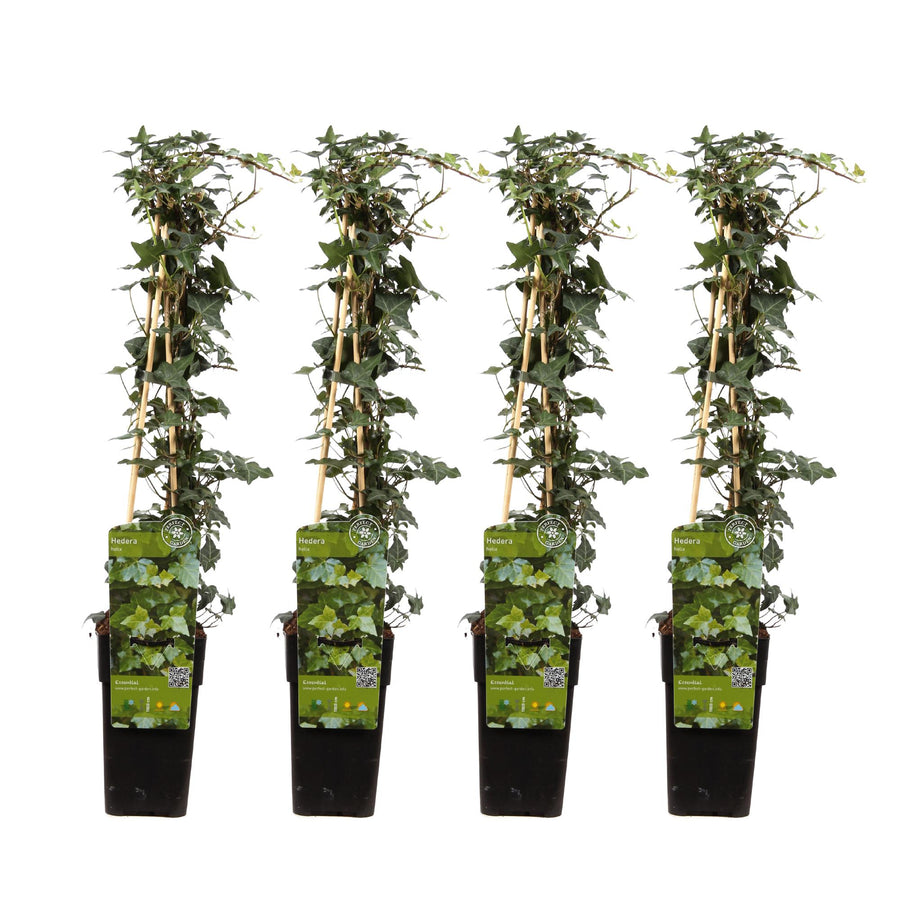


Which ivy should I choose?
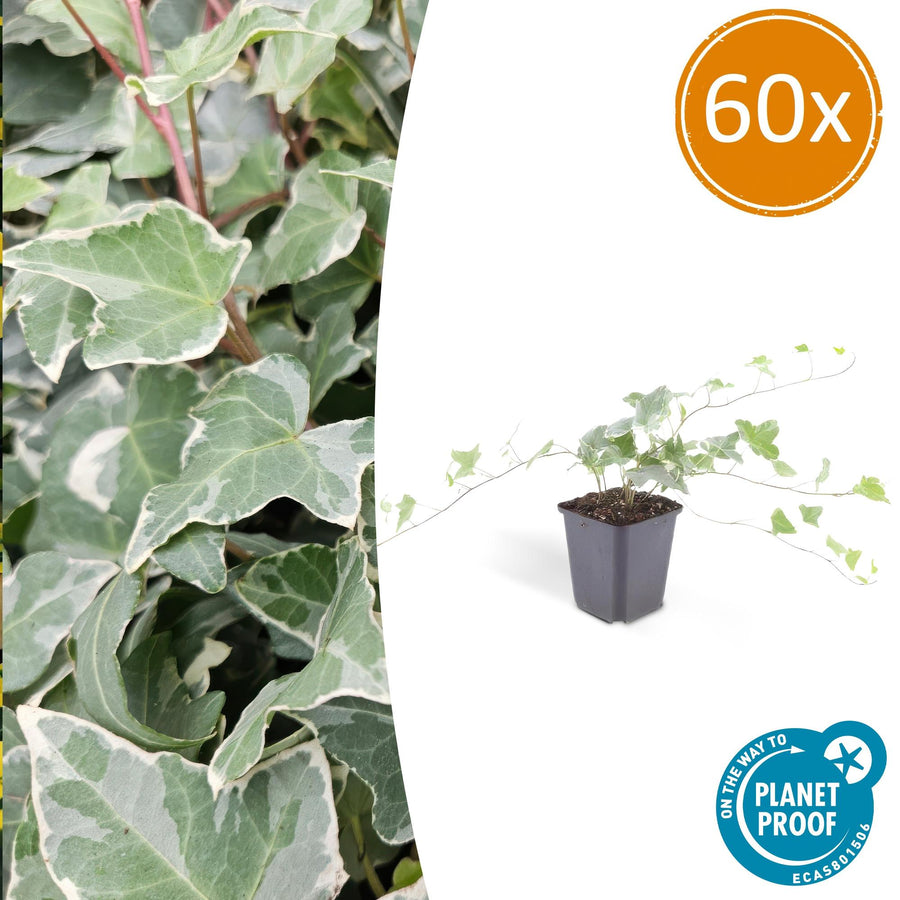
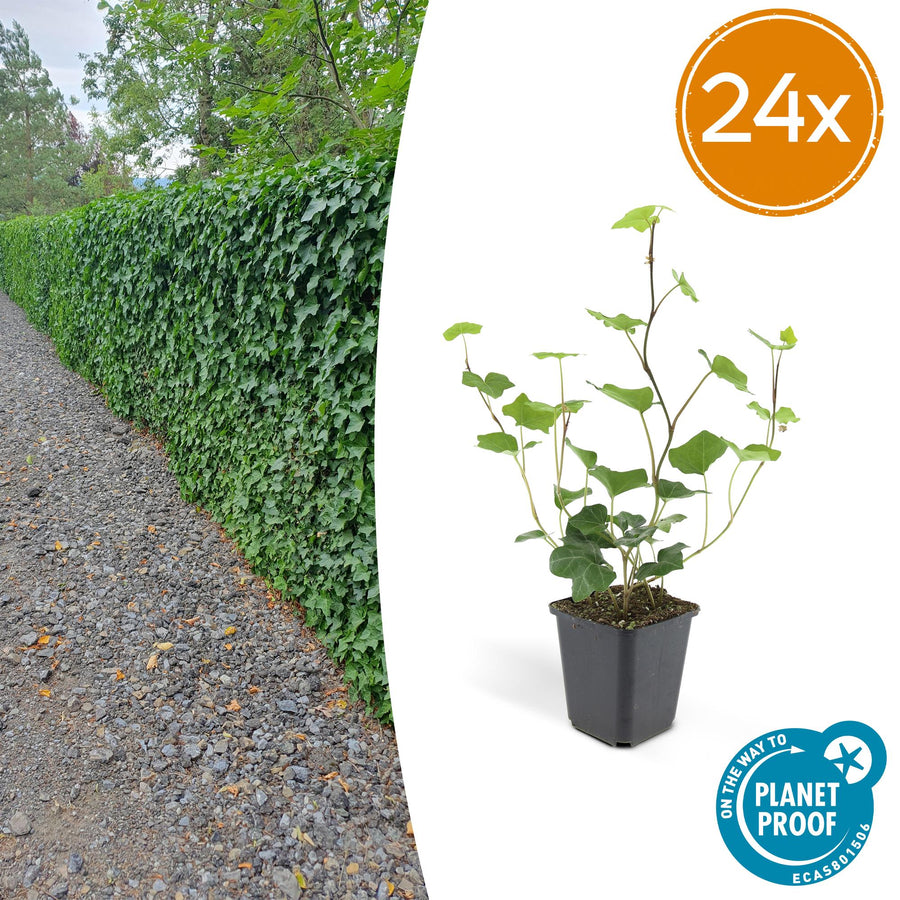
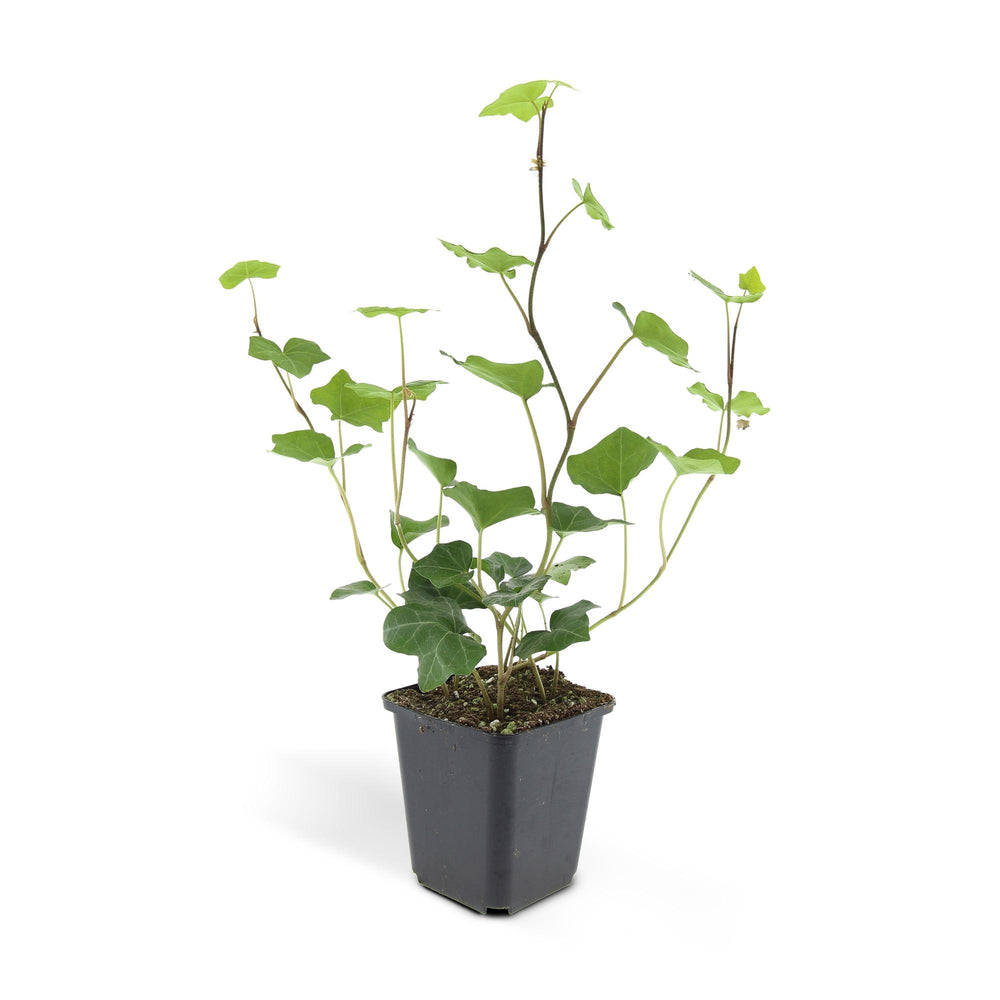
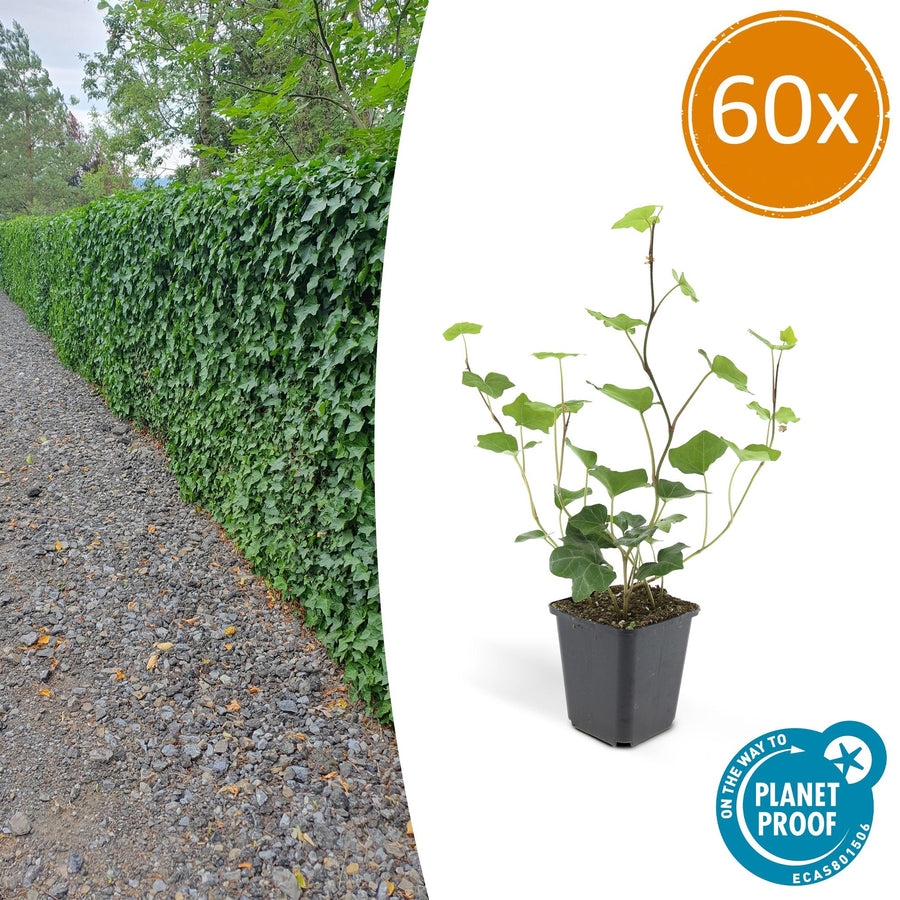
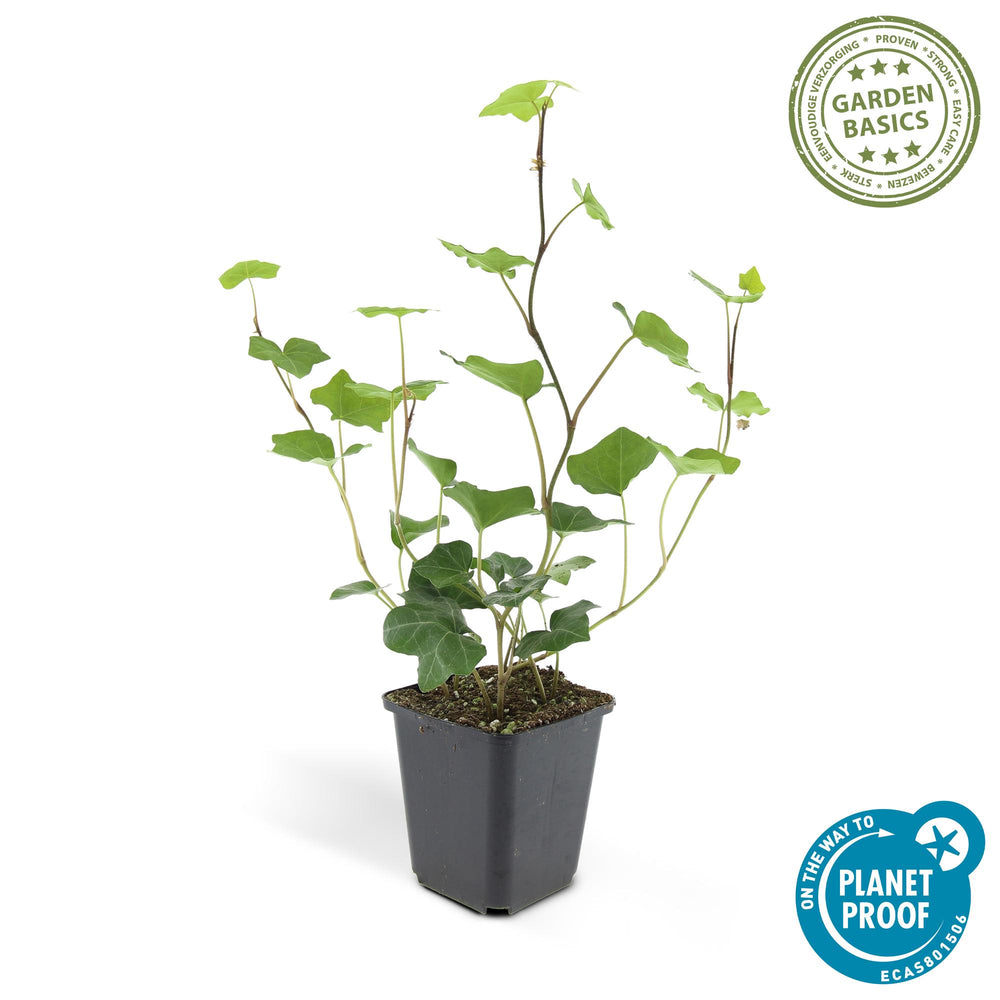
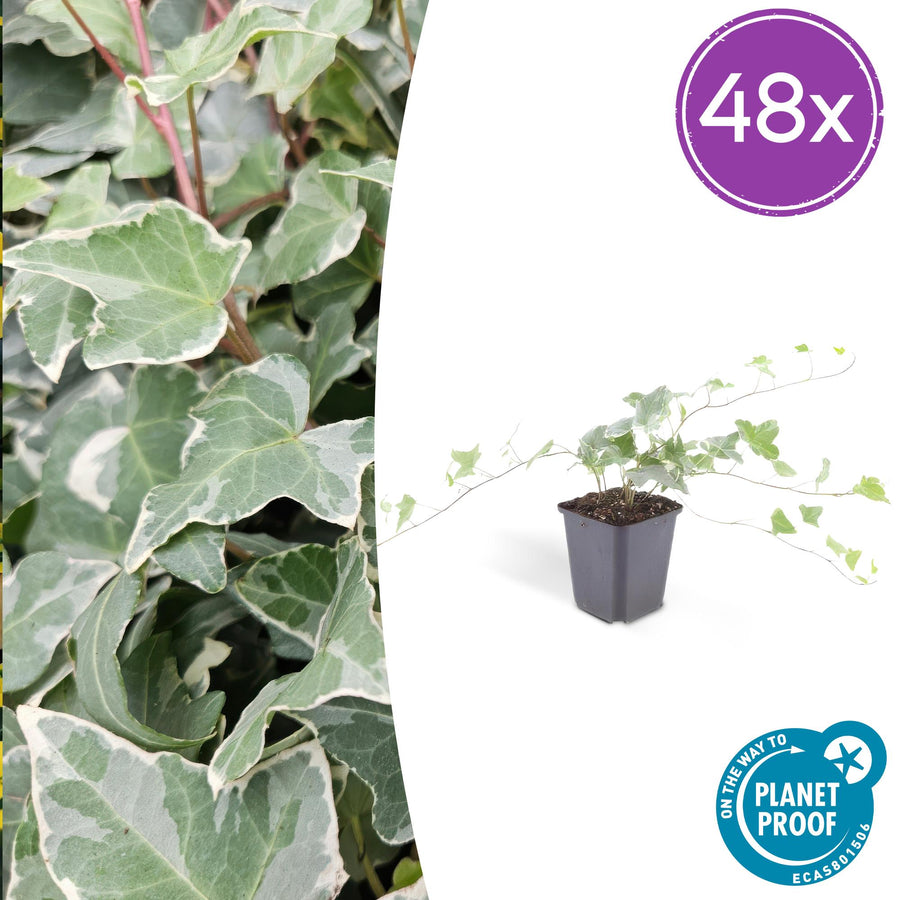
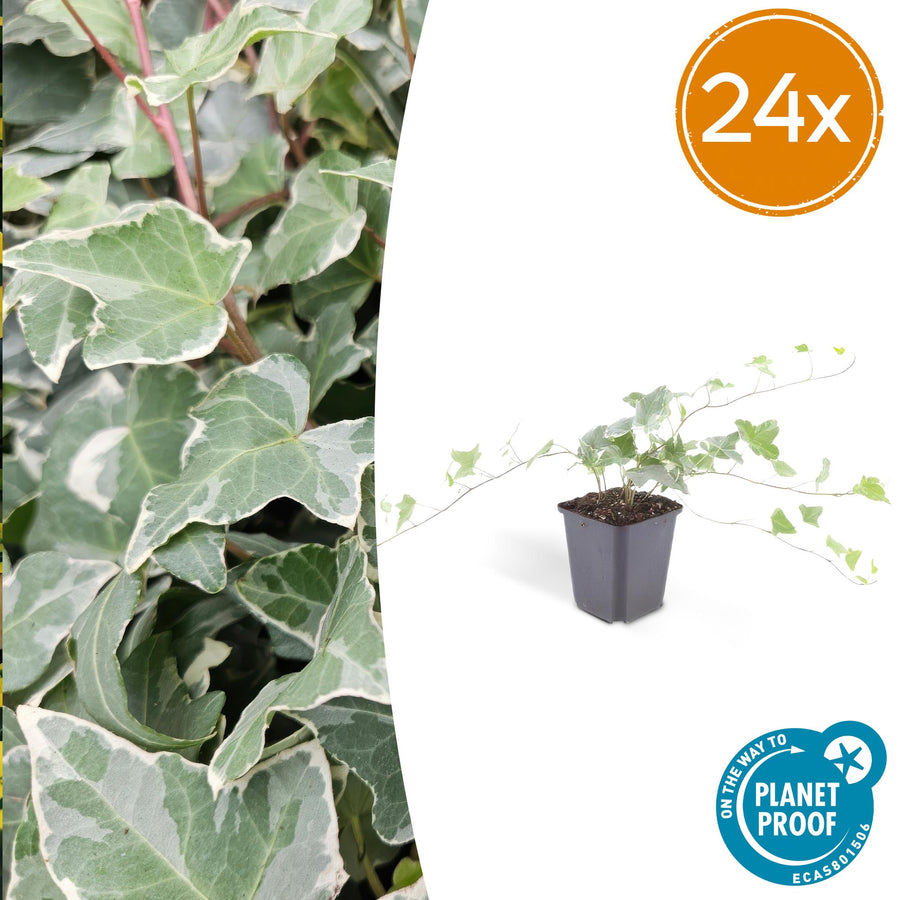
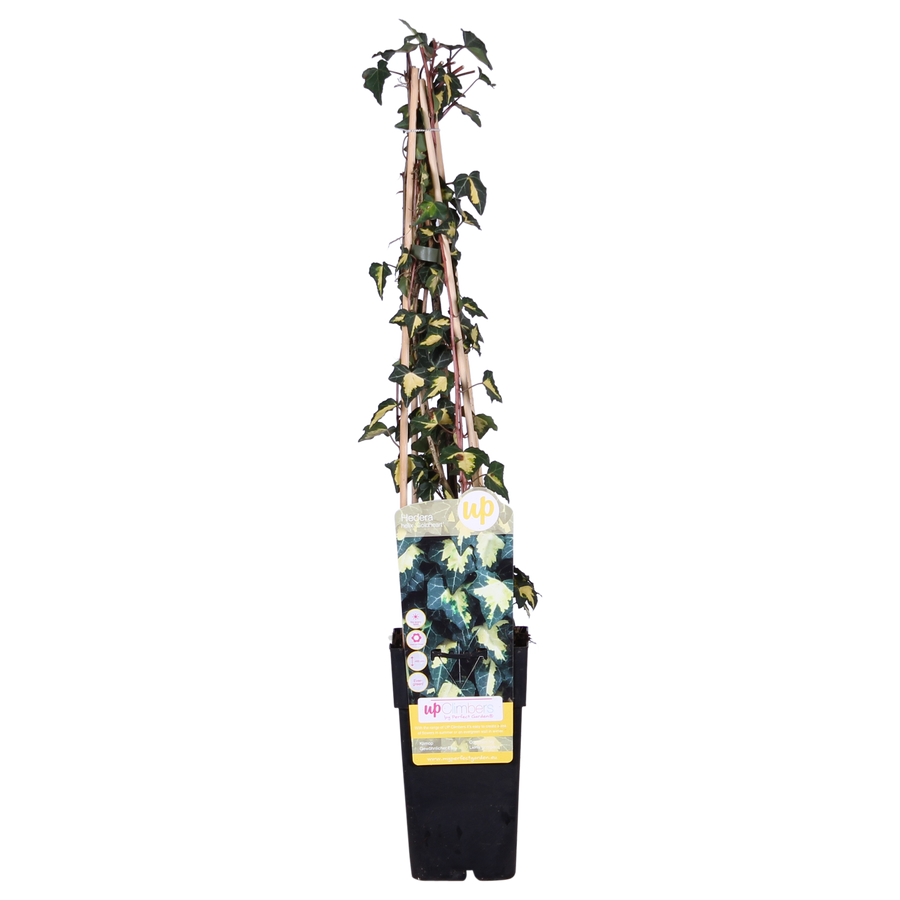
For fast, dark green cover on walls, fences and banks, choose Irish ivy (Hedera hibernica); for brighter, variegated leaves in window boxes, containers or ground cover, choose Hedera helix 'Glacier' or 'Goldheart'. Both species are native Irish plants, evergreen, self-clinging and hardy in Irish gardens, and both grow in sun or shade.
| Ivy | Leaves | Best for | Vigour |
|---|---|---|---|
| Irish ivy (Hedera hibernica) | Large, glossy dark green | Walls, fences, banks, ground cover under trees | Vigorous |
| Common ivy (Hedera helix) | Classic lobed dark green | Fences, walls, pergola posts | Vigorous |
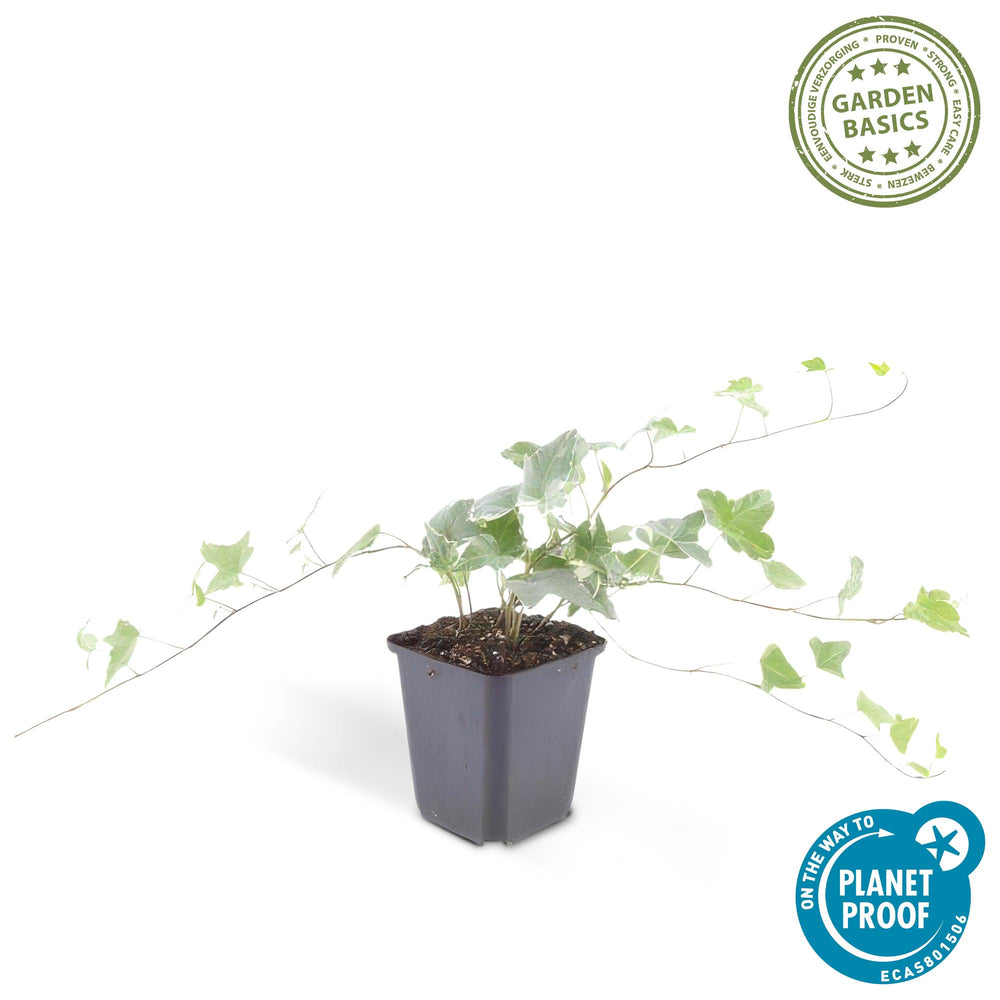
| 'Glacier' (Hedera helix 'Glacier') | Small, grey-green edged cream | Ground cover, window boxes, containers | Moderate |
| 'Goldheart' (Hedera helix 'Goldheart') | Dark green with a gold centre | Brightening a dull wall or fence | Moderate |
Growing ivy on walls
Ivy climbs with small aerial roots, so it needs no wires or trellis. Self-clinging ivy suits sound masonry in good repair; avoid crumbling mortar, failing render and timber cladding, where roots can work into gaps. Keep it trimmed back from gutters, windows and roof slates, and check for nesting birds before cutting in spring and summer. Plant in autumn (September to November) or spring (March to May), or at other times if you water, avoiding frozen or waterlogged ground. Ivy tolerates heavy clay better than most plants, though loosening compacted soil at planting helps it settle faster.
Why ivy is good for wildlife
As a native Irish plant, ivy is one of the most valuable wildlife plants you can grow. Its late autumn flowers are an important nectar source for bees and hoverflies when little else is in bloom, its winter berries feed birds, and its dense evergreen cover shelters nesting birds and overwintering insects.
Frequently asked questions
Will ivy damage my wall?
On sound brick or stone in good condition, ivy is generally not a problem. On weak mortar, cracked render or wooden surfaces it can widen gaps, so choose a freestanding fence or ground cover there instead.
Is Irish ivy good for ground cover?
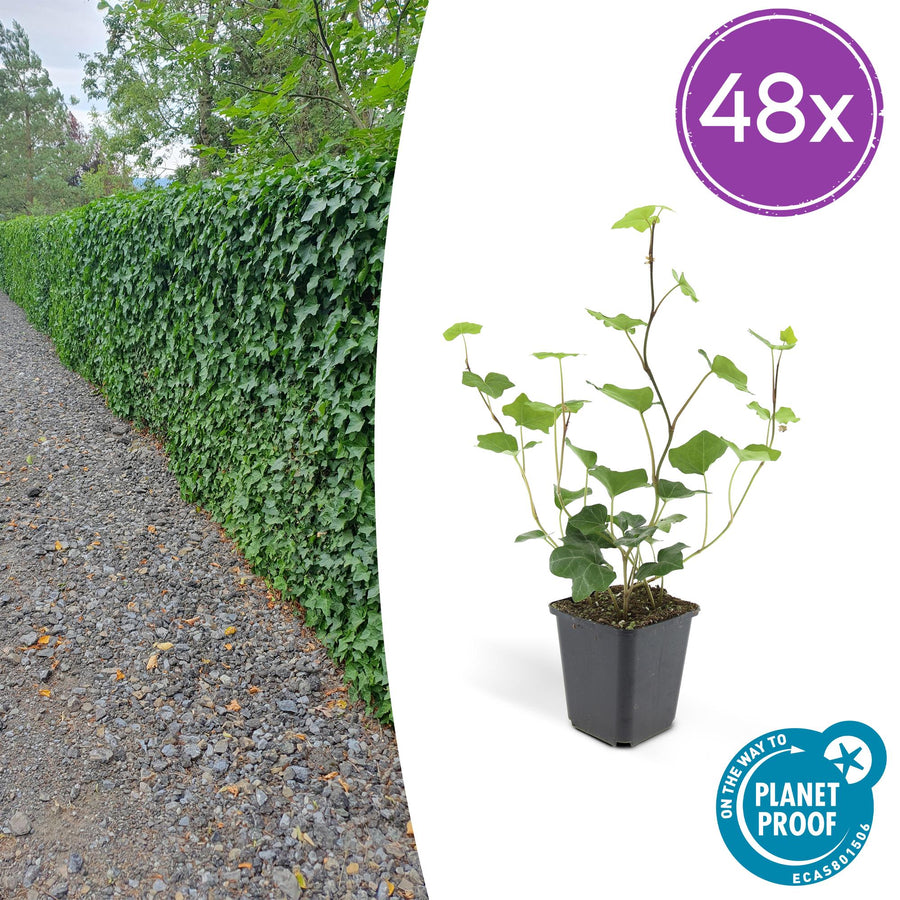
Yes. Planted in groups, Irish ivy knits into a dense evergreen carpet that suppresses weeds, including in dry shade under trees where grass struggles. It takes a season to settle, then spreads steadily.
Is ivy poisonous to dogs and cats?
Yes, ivy is toxic to pets if eaten (ASPCA), and the sap can irritate skin, so wear gloves when pruning and clear away clippings.
Keep exploring: climbing plants, garden plants and our landscaping service.