



Christmas Plant Care Checklist: A December Guide for Irish Homes
Looking after plants at Christmas comes down to four habits: warm them up gently when they arrive, keep them away from radiators, fires and cold glass, water less than you think, and make a plan before you travel. December in an Irish home is hard on plants, with short grey days, the heating turned up and a room rearranged around a tree. This Christmas plant care checklist takes you through the month week by week, with short sections on outdoor festive plants and on plants you send to someone else.
What does a Christmas plant care checklist look like, week by week?
A good December routine has five stages: arrival, placement, hosting, time away and January recovery. Each has one or two jobs that matter far more than the rest. Thin-leaved tropical plants such as calatheas struggle most, while the ZZ plant and snake plant shrug off most of what a Christmas household throws at them.
| When | Main job | Watch out for |
|---|---|---|
| Day of arrival | Unbox promptly and let the plant warm up slowly | Putting a cold plant straight beside a radiator |
| Early December | Choose a bright spot away from heat and draughts | Leaves touching cold window glass at night |
| Mid-December | Water sparingly, dust leaves, move plants out of reach | Overwatering, curious children and pets, cut berries |
| Christmas week | Set up a watering plan before you travel | Plants left on hot sills with the heating on a timer |
| January | Give maximum light and be patient | Repotting or feeding too early |
What should you do when a plant arrives by courier in cold weather?
Open the box within a few hours, unwrap the plant in a cool room and let it warm up gradually rather than placing it beside a radiator. A sudden jump from a cold van to a hot spot causes most arrival stress. Deliveries are tracked and usually take 5-8 working days, so watch the tracking and ask a neighbour to take the parcel in rather than leaving it on a cold doorstep.
- Keep the box upright and support stems, not leaves, as you unwrap.
- Check the compost with a finger and water only if the top few centimetres are dry.
- Do not repot or feed. The plant has enough to adjust to.
- Keep it slightly apart from other plants for a week or two and check the leaf undersides for pests.
A yellow leaf or two in the first fortnight is normal adjustment. Chill damage looks different: dark, glassy or limp patches within a day or two. If a plant arrives damaged, diseased or in poor condition, our healthy-arrival guarantee means it will be replaced or refunded, so get in touch with us.
Where should you put houseplants in December?
Put houseplants in the brightest spot you have that is away from direct heat, cold glass and draughts, which in most Irish homes means a metre or so back from a window rather than on a sill above a radiator. Most common houseplants are happiest between about 15 and 21°C.
- Radiators, fires and stoves dry the compost and turn leaf tips brown and crisp.
- Cold glass can be close to outdoor temperature on a frosty night. Pull plants back before closing curtains so they are not trapped against the window.
- Door draughts cause sudden temperature drops and leaf fall, so halls and porches are poor spots for tropical plants.
Turn plants a quarter turn each week so they do not lean towards the window. To offset dry air from the heating, group plants together or stand them on a tray of damp pebbles. The ZZ plant, snake plant and cast iron plant cope with dimmer corners.


Are candles, fairy lights and Christmas trees a problem for houseplants?
They can be, so keep naked flames well clear of foliage and do not let the tree take your plants' best window. Dry palm fronds and papery leaves can catch light, so never put lit candles among plants or on a sill beside them.
- Fairy lights: LED lights run cool and are fine draped loosely near a large plant. Never wind lights tightly around stems.
- The tree often goes in front of the brightest window. Move light-hungry plants to another bright room rather than squeezing them behind it.
- Spacing: leave about a metre between the tree and nearby plants so you can reach them to water and needles do not pile up on the compost.
How often should you water houseplants in December?
Water only when the top few centimetres of compost are dry, which in many homes means every two to three weeks rather than weekly. Short days slow growth, and soggy compost is the most common reason plants fail over Christmas.
- Water thoroughly, then drain: tip away water left in the saucer or outer pot after half an hour.
- Use room-temperature water: cold water can shock sensitive plants such as calatheas.
- Check each plant: one in a heated room dries faster than one in a cool spare room.
Succulents, ZZ plants and snake plants may need water only once a month. Palms, ferns and calatheas prefer compost that stays lightly moist but never wet.


How do you keep plants looking good when you are hosting at Christmas?
Give them a quick clean, lift them out of busy traffic and keep their routine steady. Wipe broad leaves such as those of the ZZ plant and kentia palm with a soft, damp cloth, as dust blocks some of the little light they get.
- Move plants off the floor in busy rooms and make sure tall plants stand level and stable.
- Keep drinks away: spilt wine or tea in the compost does no plant any good.
- Keep aerosols away: spray-on snow, air freshener and hairspray clog leaves.
- Do not water extra because a plant is on show. Overwatering before a party often leads to root rot by January.
Which Christmas plants and decorations are harmful to pets and children?
Cut holly and mistletoe berries, ivy, Christmas rose and skimmia are all harmful if eaten, so keep them out of reach of children and pets. Cover the water in a tree stand, and sweep up fallen needles, which can irritate mouths and paws.
Keep the ZZ plant, snake plant, dracaena, peace lily, monstera and citrus trees away from pets that chew plants. If your cat or dog nibbles leaves, choose species on the ASPCA non-toxic list, such as the kentia palm, parlour palm, areca palm, ponytail palm, calathea, fittonia and bird's nest fern. Our guide to pet-safe houseplants has more detail.


If you think a child or pet has eaten part of a plant, contact your GP, the National Poisons Information Centre or your vet, with the plant's name to hand.
How do you keep houseplants alive while you are away for Christmas?
Water thoroughly the day before you leave, let the pots drain, then group the plants in a cool, bright room away from radiators. Most established houseplants then cope with one to two weeks alone, and succulents, ZZ plants and snake plants longer. You do not need special self-watering pots.
- Turn the heating down in that room if you can, but not below about 10°C.
- Use a wick: run cotton cord from a jug of water into the compost of thirsty plants. Test it a few days before you go.
- Try the bath method for longer trips: stand pots with drainage holes on a towel soaked in a few centimetres of water. Not for succulents or cacti.
- Ask a neighbour for trips over two weeks, and leave a note of which plants need water and which to skip.
Why are my plants dropping leaves in January, and should I repot them?
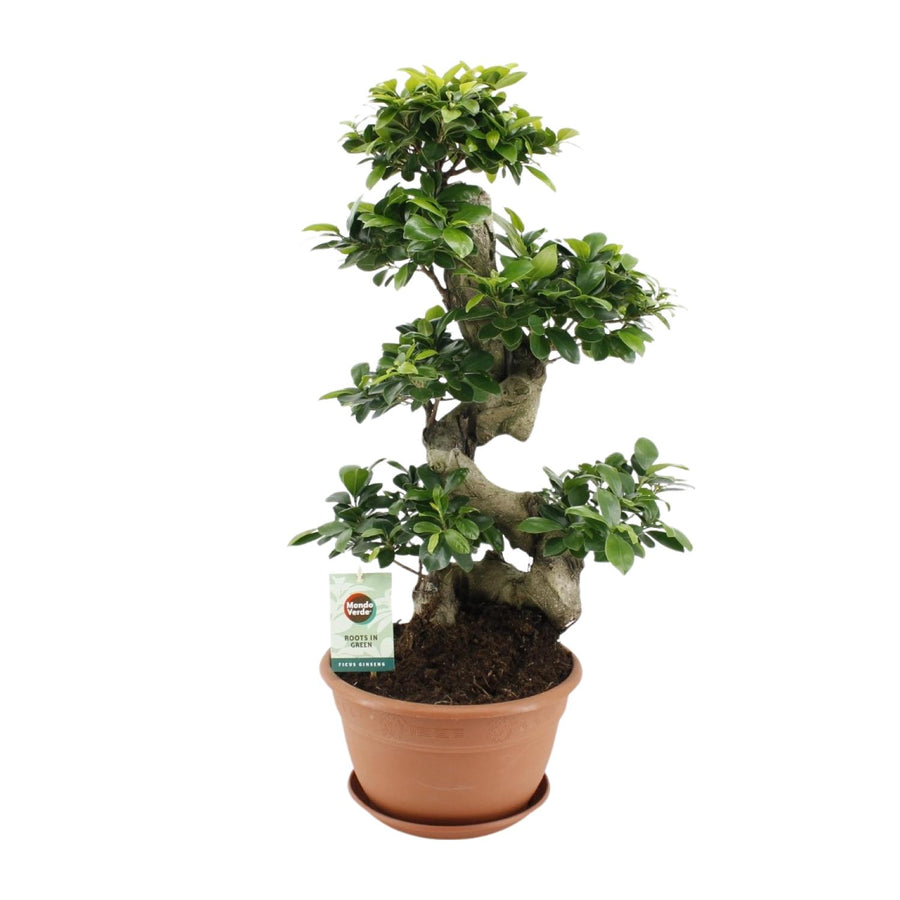
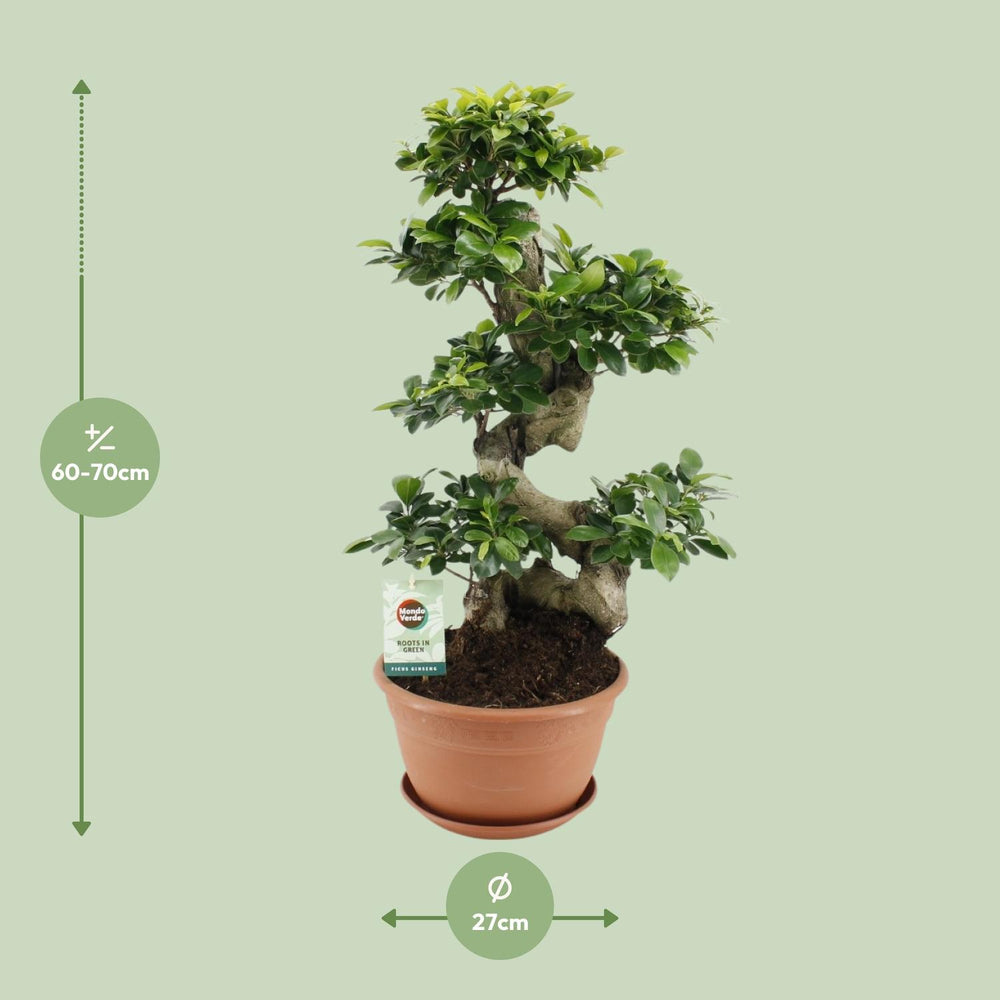
Leaf drop in January is usually a reaction to low light, dry heated air or a recent move rather than a sign the plant is dying. Ficus plants such as the weeping fig shed leaves when moved, and citrus trees drop leaves in warm, dry rooms.
- Give maximum light: once the tree is down, move plants back to the brightest window and clean the glass.
- Check the roots: wet, sour-smelling compost means overwatering.
- Look for spider mites, which leave fine webbing and speckled leaves in dry air.
Wait until March or April before repotting or feeding. Growth is slow in winter, so fresh compost stays wet and fertiliser is not used. The only exception is a plant sitting in water in a pot with no drainage holes. Our ficus guide explains what to expect from figs in winter.

How do you look after outdoor festive plants like Christmas rose and skimmia?
Treat them as outdoor plants that can visit indoors for a few days in a cool room, not as houseplants. They are hardy outdoors in most Irish gardens but fade quickly in central heating.
- Christmas rose (Helleborus niger): white winter flowers. After a few days indoors, plant it in a shady border or outdoor container. Harmful if eaten.
- Skimmia 'Rubella': red flower buds all winter. Prefers part shade and moist, neutral to acidic soil.
- Ivy: 'Glacier' has grey-green and cream leaves for trailing over pot edges, and Irish ivy (Hedera hibernica) is native to Ireland. Harmful if eaten.
For pot combinations, see our outdoor Christmas planters guide and the Christmas rose collection.


How long can a living Christmas tree stay indoors?
A potted dwarf spruce or other living conifer should stay indoors for no more than about 10-12 days, in the coolest room and away from radiators and fires. Longer, and the warmth can trigger soft growth that is damaged when the tree goes back out.
- Acclimatise both ways: give it a few days in a porch or unheated room before bringing it in and before putting it out.
- Keep the compost moist, checking every couple of days.
- Use LED lights, draped loosely.
- After Christmas, keep it in its pot in a sheltered spot outside, ready for next December.
How do you make sure a plant you give as a Christmas gift arrives healthy?
Order by 10 December for Christmas delivery, choose a forgiving plant and tell the recipient it is on the way. Delivery is free and tracked to 25 EU countries and usually takes 5-8 working days, so a heads-up means the box will not sit on a cold doorstep.
- Pick a forgiving plant: a kentia palm, parlour palm, ZZ plant or snake plant copes with low light and the odd missed watering better than a calathea.
- Send a short care note by text or email: where to put it and how often to water in winter.
- Check for pets: if the recipient's cat or dog chews plants, choose from the ASPCA non-toxic list.
See our indoor plant gifts guide and our guide to sending plants as gifts across Europe.


Frequently Asked Questions
Explore More Guides
- Christmas plants buying guide - Which festive plants to choose and when to order them.
- Winter garden plants - Hardy plants that keep Irish gardens and pots looking good all winter.
- Pet-safe plants - Houseplants from the ASPCA non-toxic list for homes with cats and dogs.
- Plants for winter pots - Evergreens, grasses and winter colour for doorstep containers.
- Potted plant gifts - Indoor plants that make easy, lasting Christmas presents.
Related winter plants and guides: winter colour plants for pots and borders, living Christmas trees and dwarf conifers, festive foliage and berries, winter houseplant care guide.
Leave a comment