








Pollinator & Wildlife Plants — Bee & Butterfly Garden
18 artículos
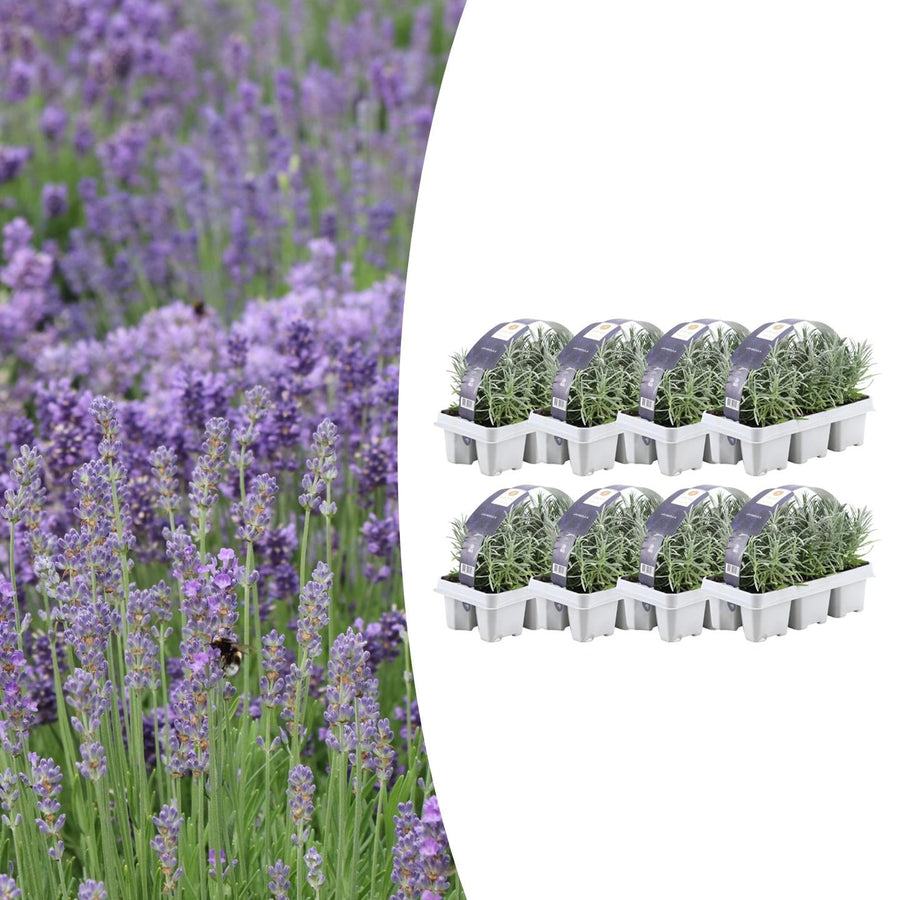
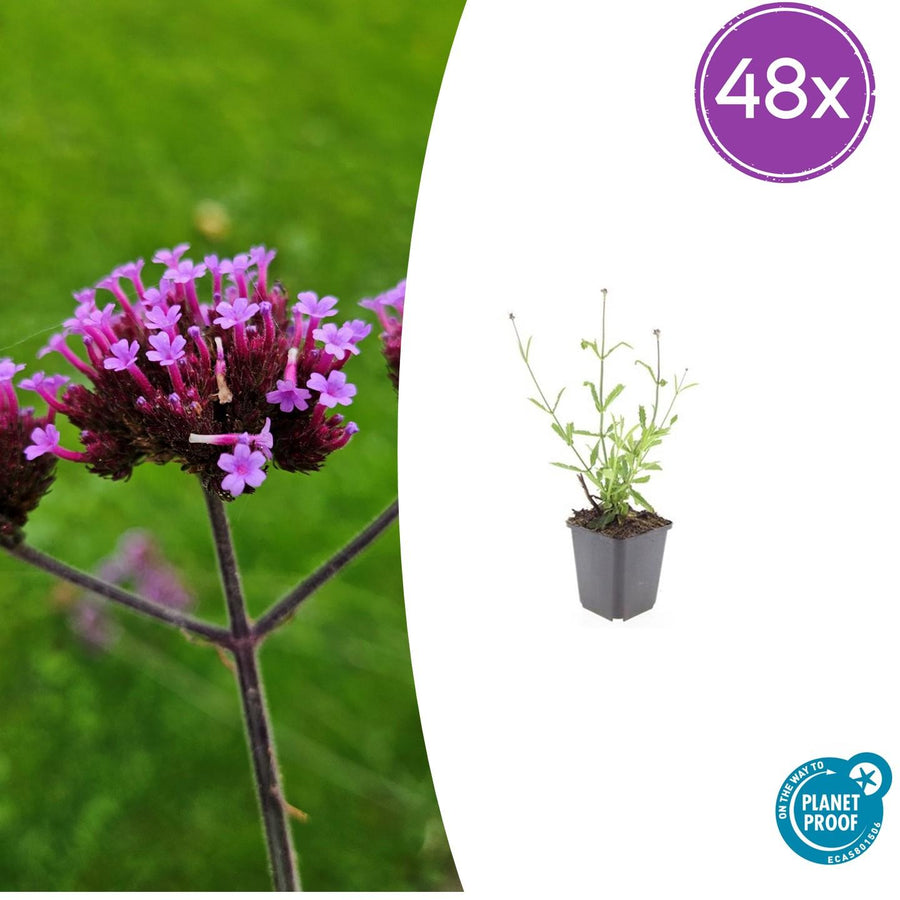
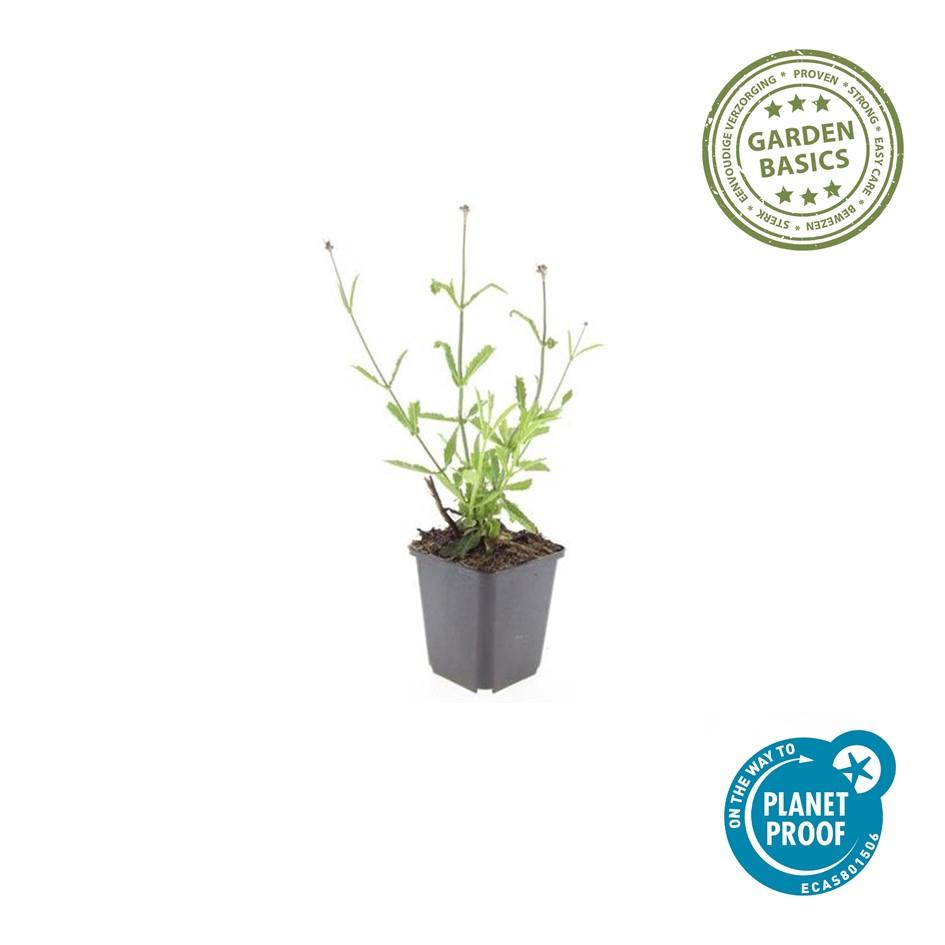
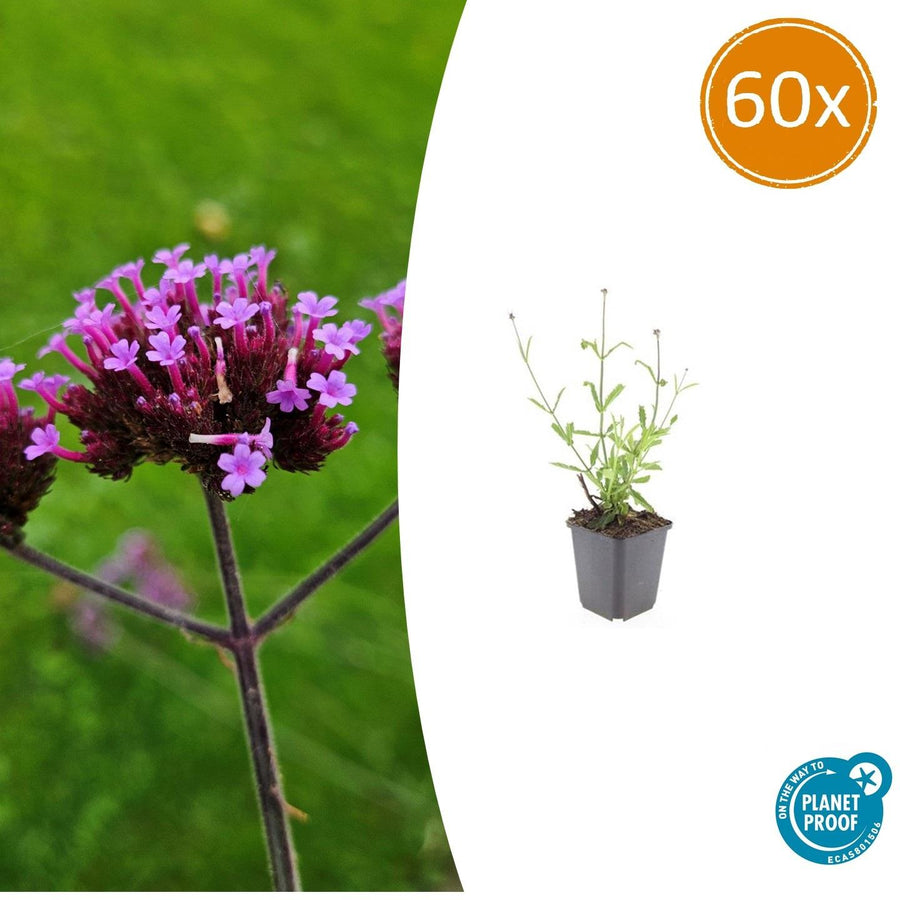
The best pollinator plants for European gardens are Lavender (Lavandula angustifolia), Echinacea, Salvia nemorosa, Verbena bonariensis, and Buddleja (Butterfly Bush) — flowering perennials and shrubs that provide nectar and pollen from spring through to late autumn. Browse our pollinator plant collection with delivery across Ireland and 24 more EU countries.
Why Are Pollinators Important?
Approximately 75% of the world's flowering plants depend on animal pollinators — primarily bees, butterflies, moths, hoverflies, and beetles. In Europe, wild bee populations have declined by up to 40% in some regions due to habitat loss and pesticide use. A garden planted with high-nectar species can support up to 4,000 bee visits per day during peak season, providing a significant contribution to local pollinator populations.
Best Pollinator Plants by Flowering Season
- Spring (March–May) — Crocus, Hellebore, Pulmonaria (Lungwort), Muscari; critical early-season nectar when bumblebee queens emerge from hibernation
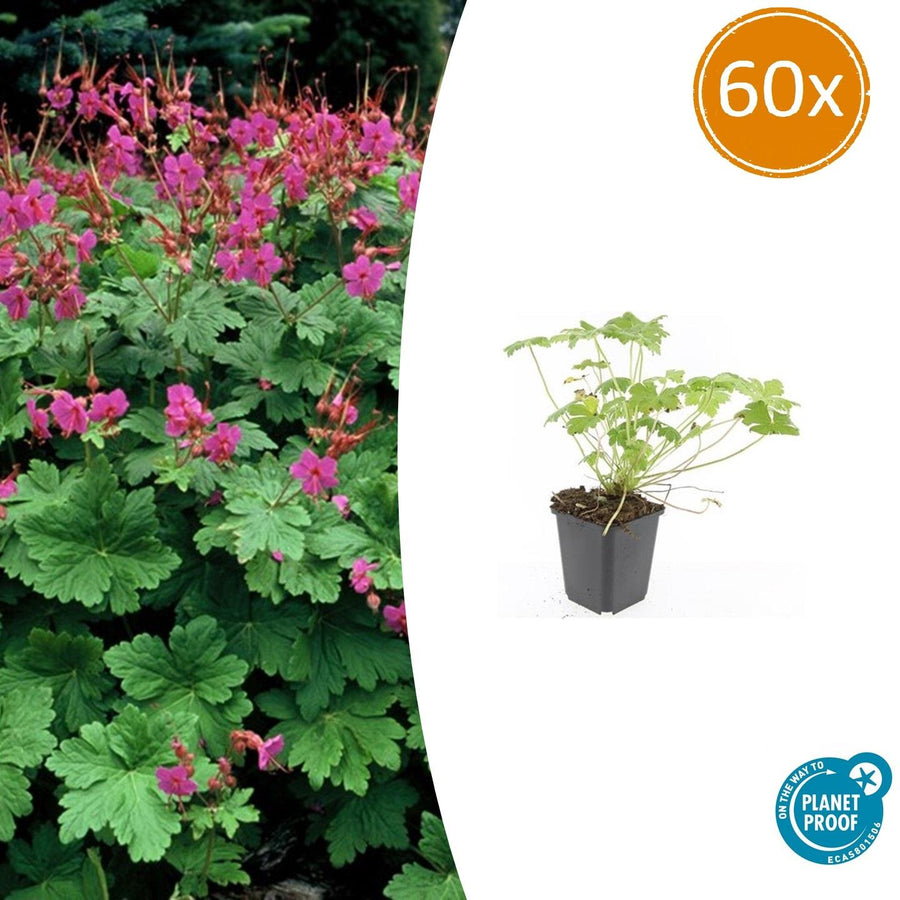
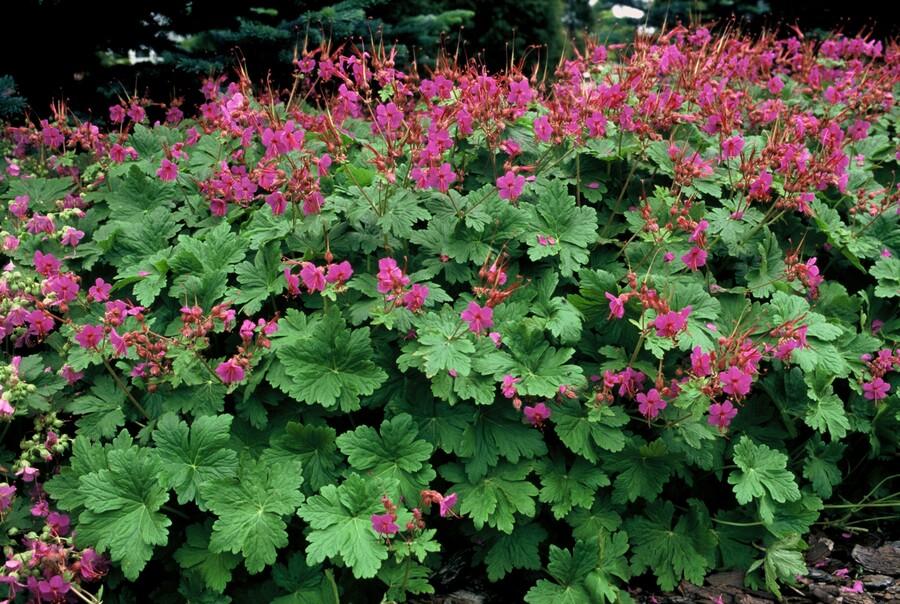
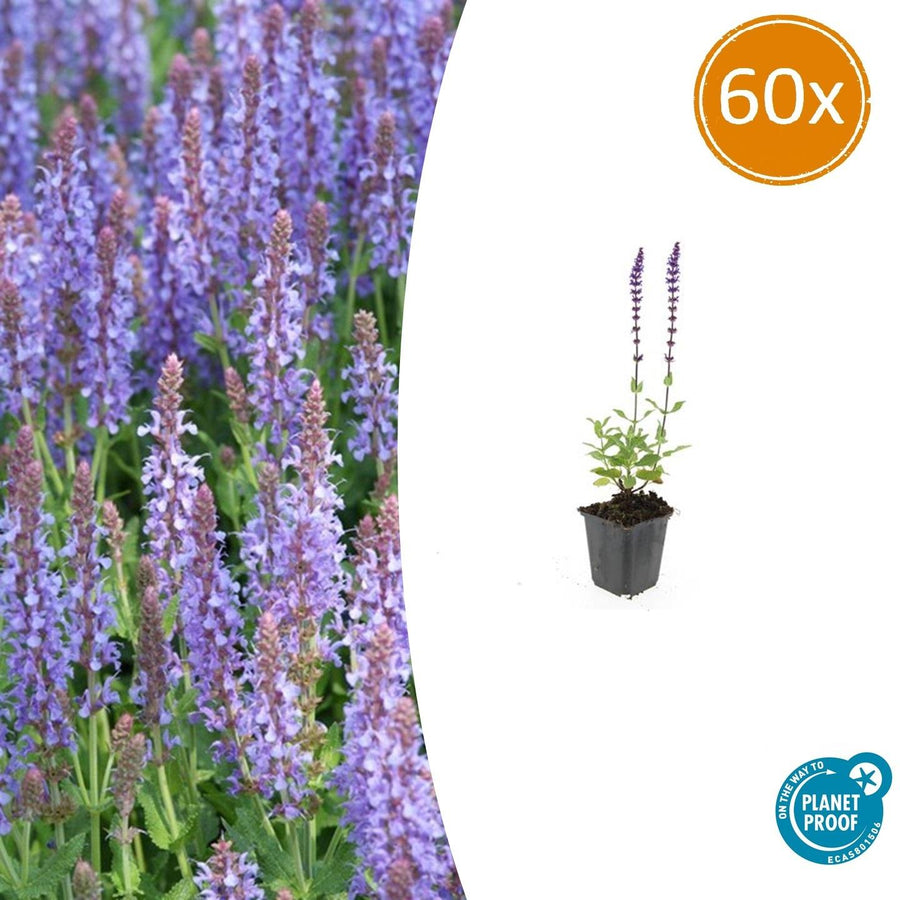
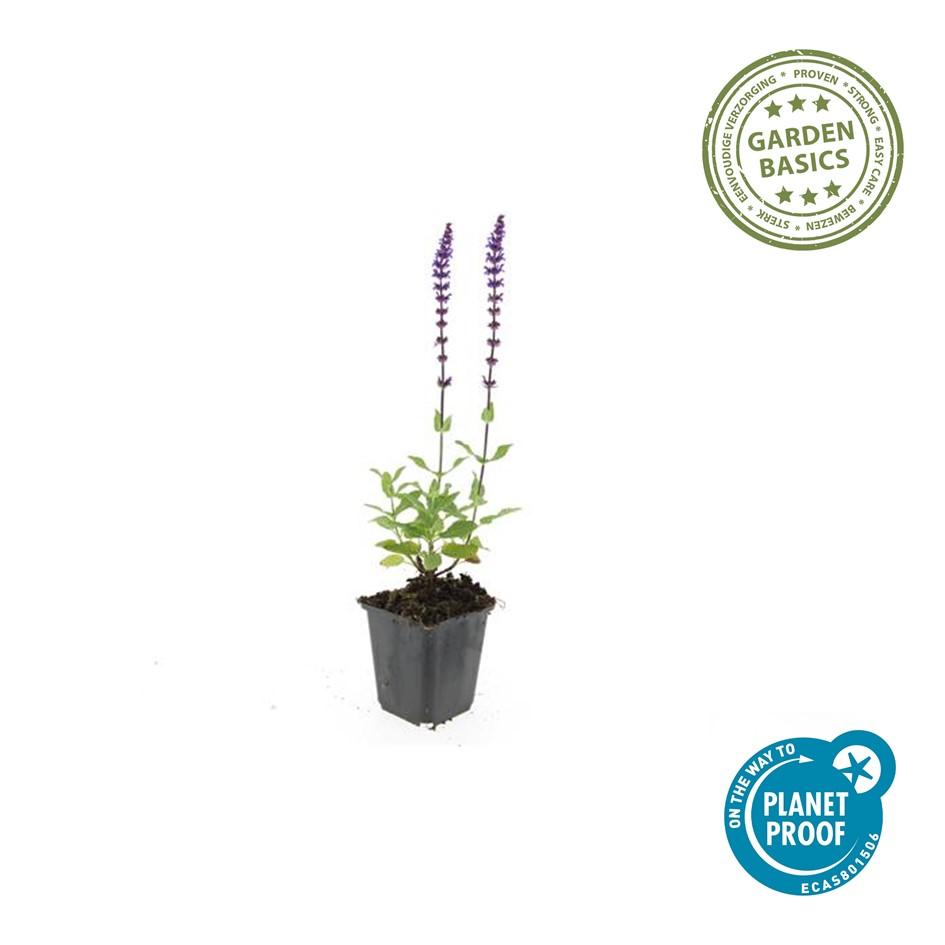
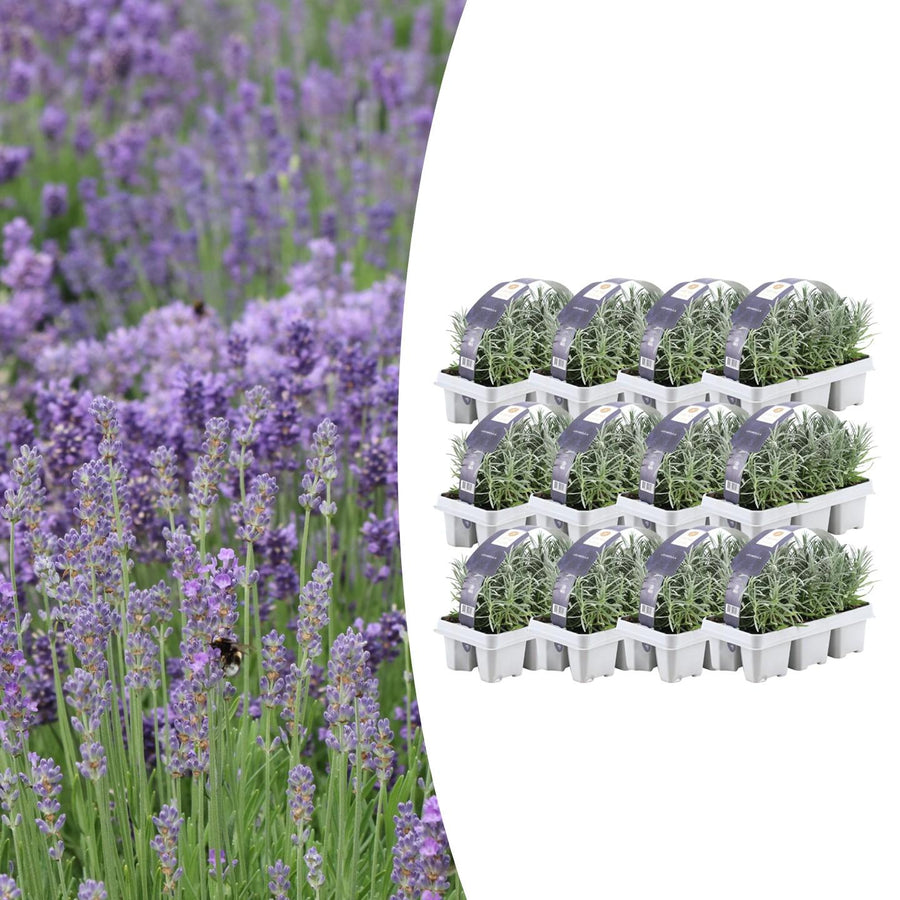
- Early summer (June–July) — Lavender, Salvia nemorosa, Allium, Geranium; peak pollinator activity period
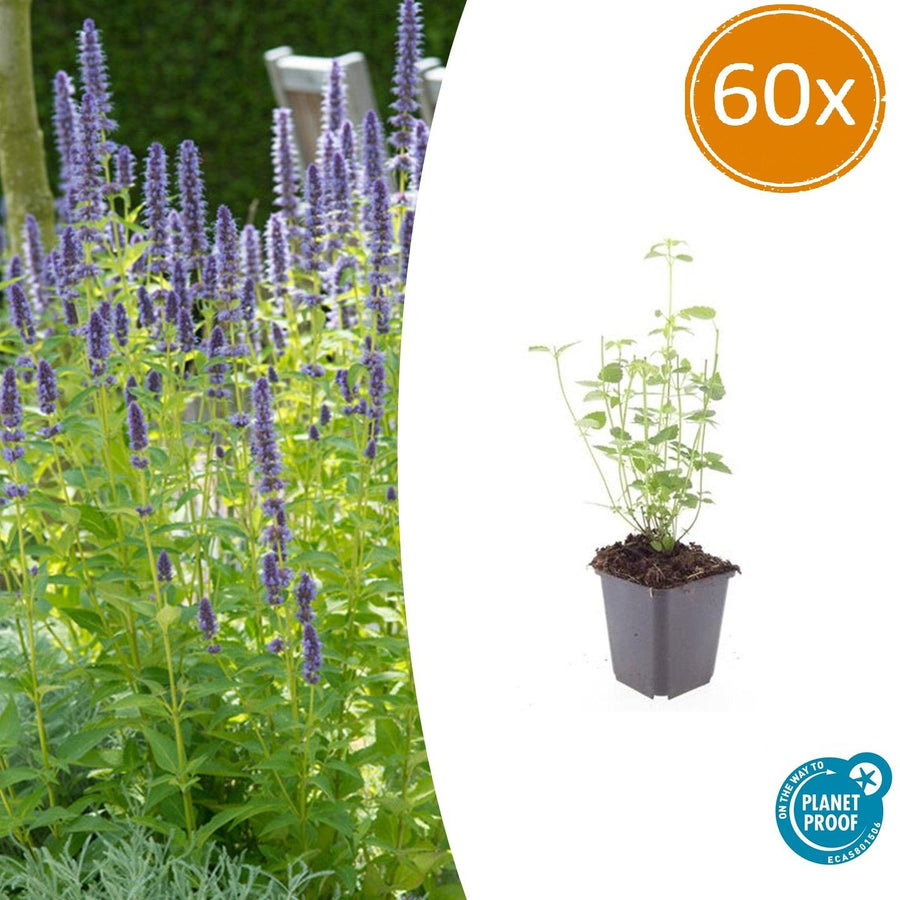
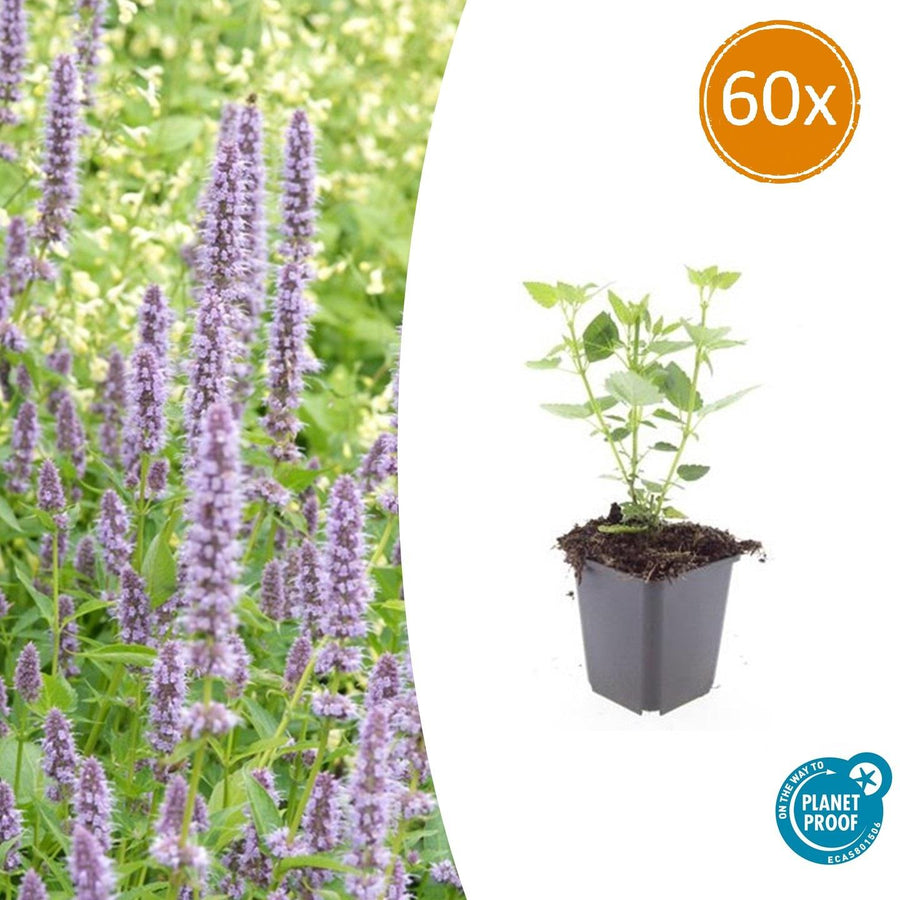
- Late summer (August–September) — Echinacea, Rudbeckia, Verbena bonariensis, Agastache; essential for bees building winter stores
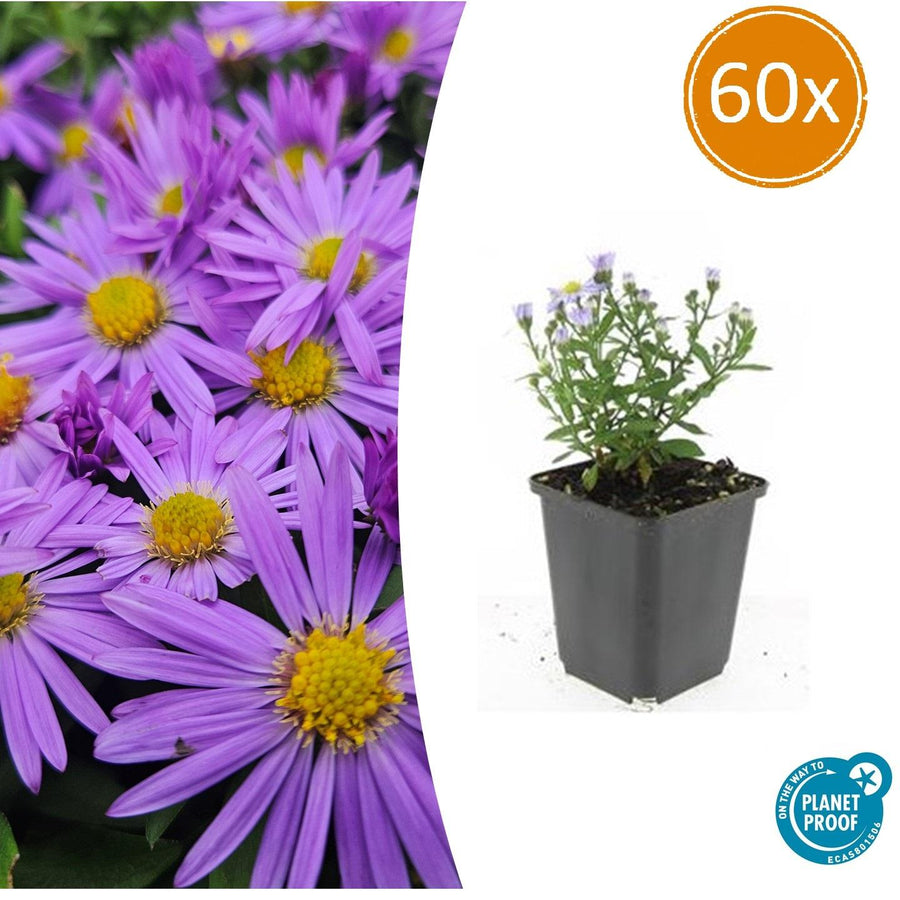
- Autumn (October–November) — Persicaria, Aster, Sedum spectabile; vital for late-flying species including ivy bees
How to Create a Pollinator Garden
Plant in blocks of at least 5–10 plants of each species — pollinators locate food sources more efficiently when flowers are grouped together. Aim for a minimum of 5 different species flowering at any one time from March to November. Leave areas of bare soil or short grass for ground-nesting bees, and avoid mulching densely — 70% of UK and European bee species nest in the ground.
Explore related: Lavender Plants · Cottage Garden Plants · Outdoor Plants