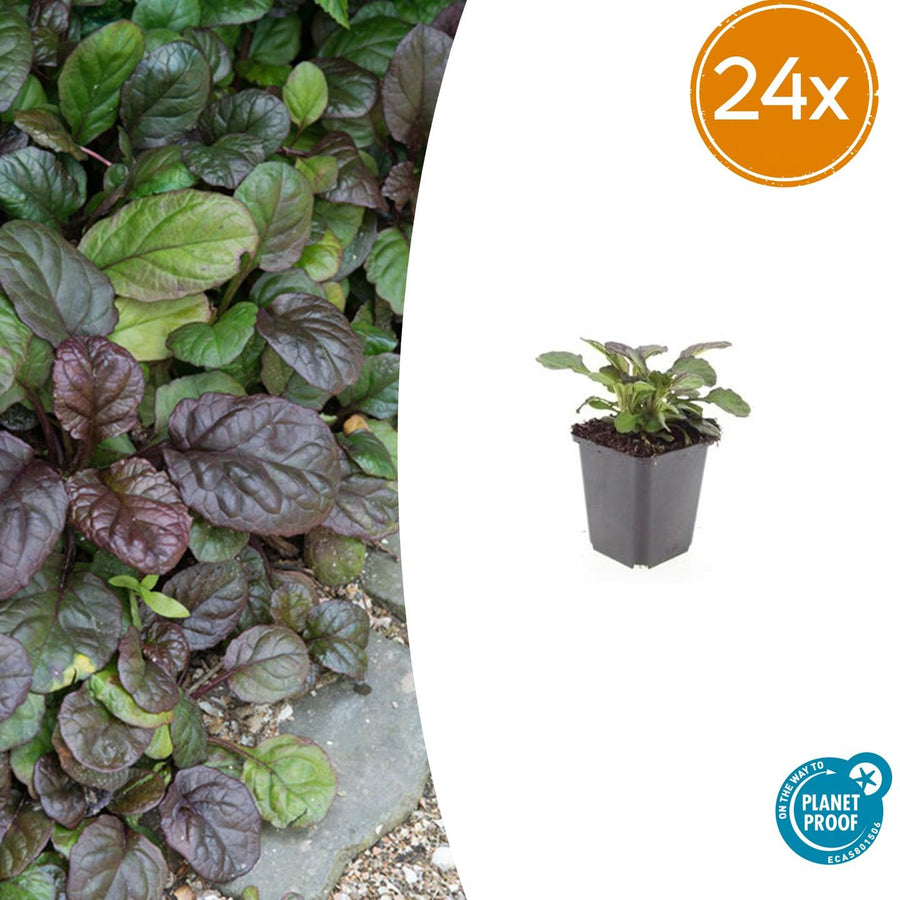
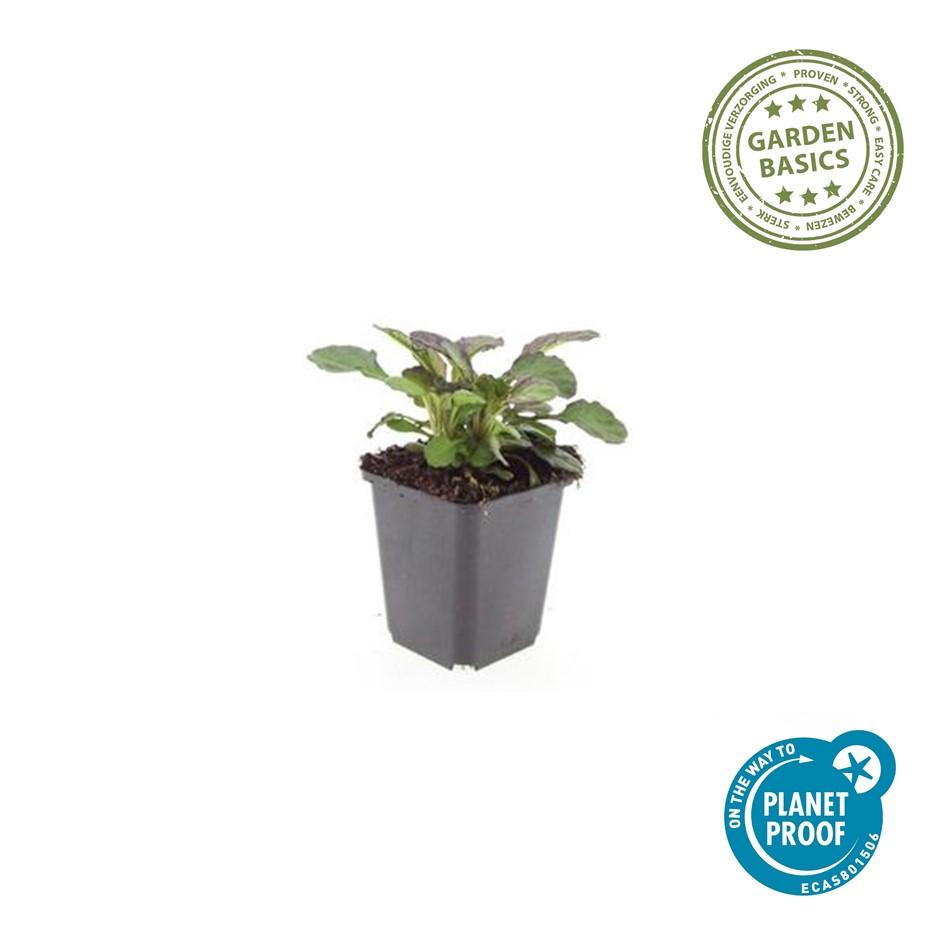
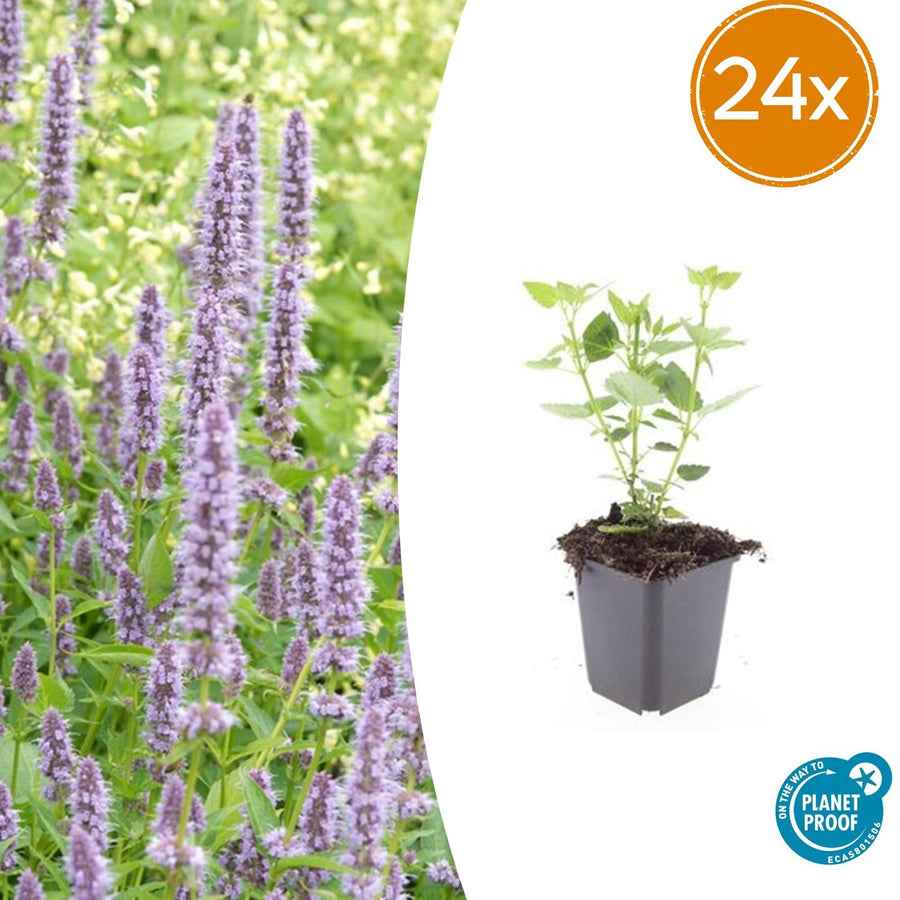
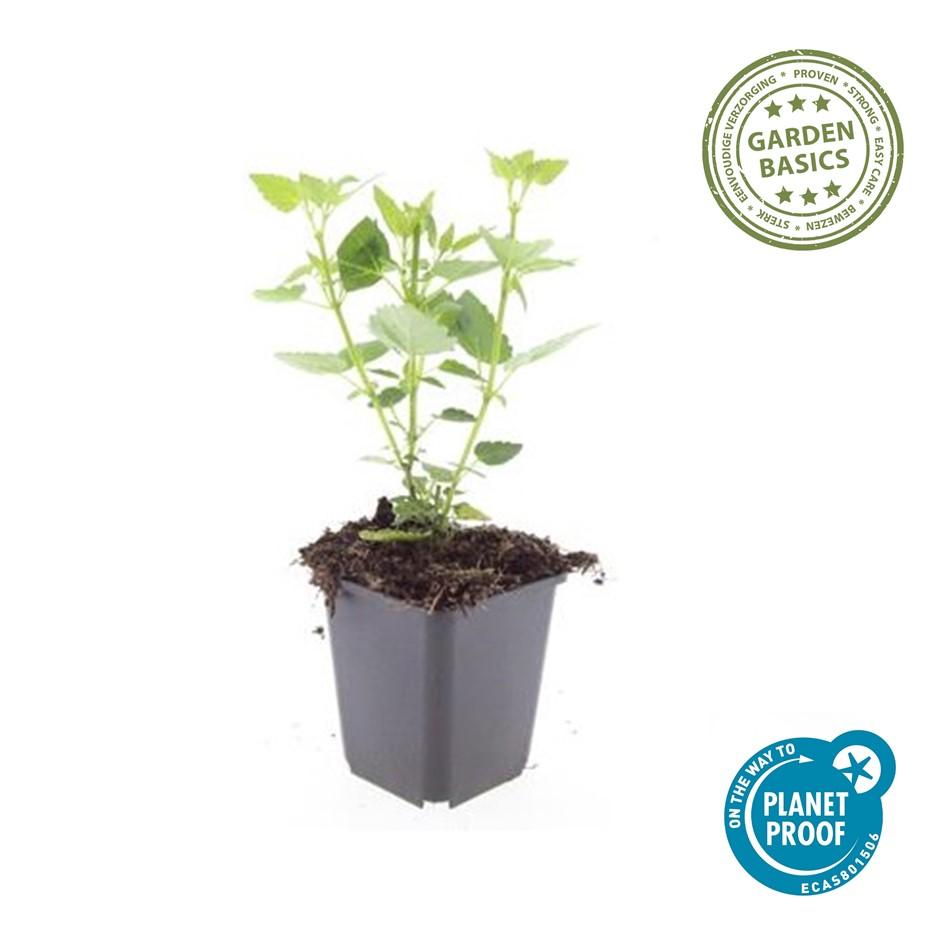
Transforme su jardín en un auténtico santuario de vida silvestre con nuestra colección cuidadosamente seleccionada de las mejores plantas para atraer y apoyar a polinizadores, insectos beneficiosos, aves y otra fauna del jardín. Cada planta de esta colección ha sido elegida por su capacidad probada de aportar néctar, polen, refugio y hábitat esenciales a una gran diversidad de especies a lo largo de la temporada de crecimiento. Desde el premiado Geranium Rozanne, de floración continua, que alimenta a los polinizadores desde la primavera hasta el otoño, hasta la aromática Agastache 'Blue Fortune', tan querida por abejas y mariposas, estas perennes rústicas ofrecen tanto un excelente valor para la fauna como espectaculares efectos decorativos en el jardín. Nuestra selección incluye versátiles tapizantes como Ajuga 'Catlin's Giant', que crean hábitats vitales para los insectos que viven a ras de suelo a la vez que frenan las malas hierbas de forma natural, y opciones amantes de la sombra como Cornus Canadensis, que aportan beneficios para la fauna a esos rincones más oscuros y difíciles del jardín. Tanto si va a crear un jardín para la fauna desde cero como si desea mejorar un espacio existente con más plantas amigas de los polinizadores, estas perennes robustas y de poco mantenimiento se establecerán con rapidez y le recompensarán con años de hermosas floraciones y abundante actividad de la fauna. Cada planta sostiene la intrincada red de vida que hace que los jardines cobren vida de verdad, desde los visitantes más evidentes, como las mariposas y los abejorros, hasta los héroes ocultos, como las larvas de sírfido que controlan los pulgones y los escarabajos de suelo que patrullan en busca de plagas. Muchas de estas plantas tienen flores ricas en néctar que visitan las abejas y las mariposas, por lo que resultan adecuadas para un jardín para la fauna.
Puntos clave
- Las plantas ricas en néctar, como Geranium Rozanne y Agastache Blue Fortune, ofrecen un néctar que los polinizadores visitan durante toda la temporada de crecimiento
- Los tapizantes como Ajuga y Cornus Canadensis crean hábitats vitales para insectos que viven a ras de suelo y para la pequeña fauna, a la vez que frenan las malas hierbas de forma natural
- Las perennes rústicas de floración prolongada ofrecen un suministro continuo de néctar desde la primavera hasta el otoño y sostienen poblaciones diversas de fauna
- Los jardines amigos de la fauna requieren un mantenimiento mínimo una vez establecidos, lo que los hace prácticos para quienes tienen poco tiempo
¿Qué debe buscar en las plantas para un jardín para la fauna?
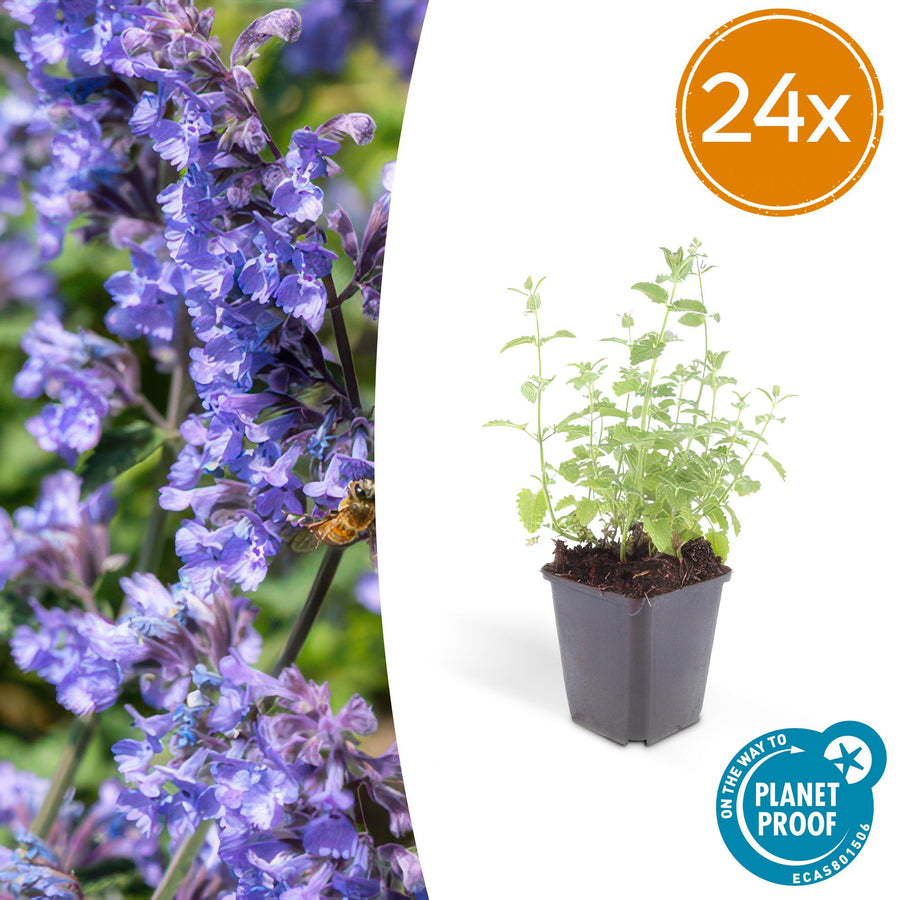
Al elegir plantas para un jardín para la fauna, dé prioridad a las especies que ofrezcan múltiples beneficios a lo largo de las estaciones. Busque plantas de flores abiertas y accesibles que aporten néctar y polen a abejas, mariposas y sírfidos; las flores tubulares como las de Agastache y las flores planas, de tipo margarita, son especialmente valiosas. Elija perennes rústicas que florezcan durante periodos prolongados, para asegurar fuentes de alimento continuas desde principios de la primavera hasta finales del otoño. Las especies autóctonas o naturalizadas suelen sostener la mayor variedad de fauna local, ya que han evolucionado junto a los insectos y las aves de la zona. Los tapizantes como Ajuga no solo ofrecen refugio a los insectos beneficiosos, sino que crean microclimas húmedos que atraen a escarabajos de suelo y a otros depredadores de las plagas del jardín. Considere plantas de distintas alturas y estructuras para crear hábitats por capas: nepetas altas para las abejas que buscan alimento, geranios de altura media para las mariposas y tapizantes bajos para escarabajos y pequeños mamíferos. Por último, opte por plantas que requieran una intervención mínima y evite las que necesitan despuntes frecuentes o tratamientos químicos que podrían perjudicar a la fauna.
¿Cómo elegir las plantas para la fauna según las condiciones de su jardín?
- Evalúe el tipo de suelo y el drenaje: plantas como Nepeta prosperan en suelos bien drenados, mientras que Cornus Canadensis prefiere condiciones ácidas y que retengan la humedad, ideales para zonas de sombra
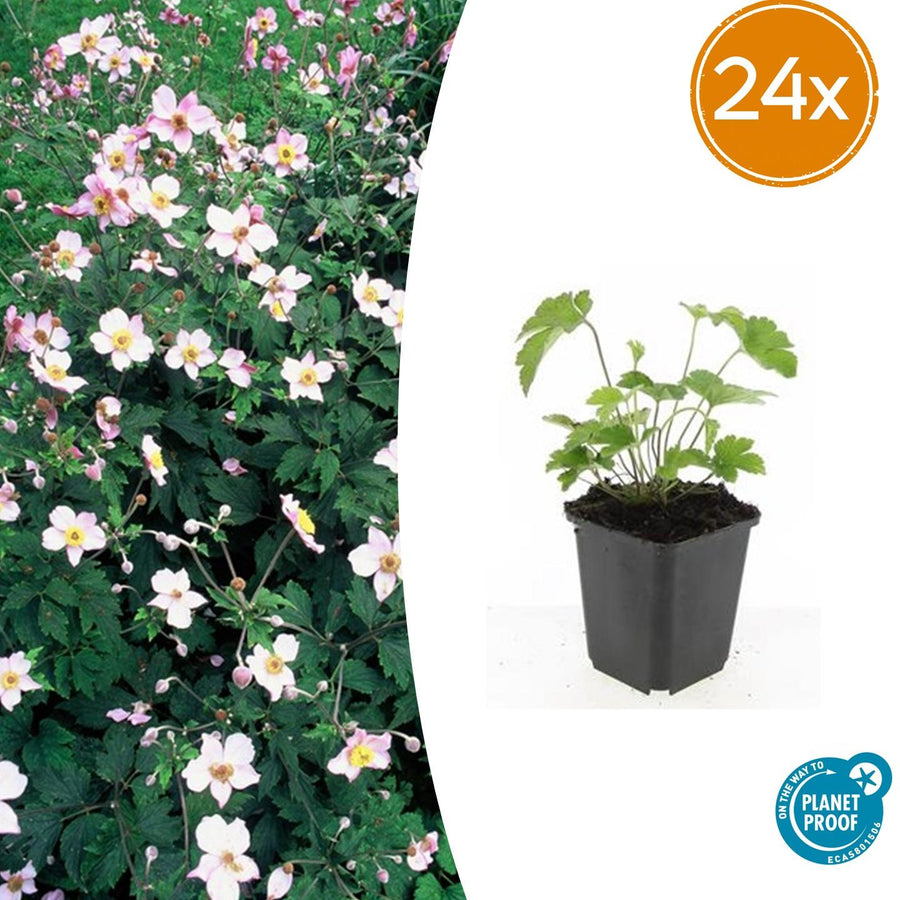
- Evalúe la exposición solar en todo el jardín; Agastache y Geranium, amantes del sol, necesitan más de 6 horas de luz directa, mientras que Anemone 'Robustissima' y Cornus, tolerantes a la sombra, destacan bajo las copas de los árboles
- Tenga en cuenta su zona de rusticidad y su microclima para asegurarse de que las plantas soportarán las temperaturas invernales y el clima local sin necesidad de medidas de protección
- Planifique una plantación escalonada con especies de floración temprana, media y tardía para ofrecer apoyo a la fauna durante todo el año y mantener el interés visual del jardín
- Adapte el vigor de las plantas al espacio disponible: los tapizantes expansivos como Ajuga funcionan perfectamente en áreas amplias, mientras que las perennes en mata se adaptan mejor a parterres más pequeños y definidos
Preguntas frecuentes
¿Cuál es la mejor planta para la fauna?
Aunque ninguna planta puede reclamar el título de «mejor» para toda la fauna, Geranium Rozanne destaca como una excelente opción polivalente para jardines para la fauna. Esta perenne rústica premiada produce flores de color azul violáceo de forma continua desde finales de la primavera hasta las primeras heladas, y aporta néctar a una enorme variedad de polinizadores, entre ellos abejorros, abejas melíferas, sírfidos y mariposas. Su larga floración le permite cubrir el crucial «vacío de néctar» de mediados del verano, cuando muchas otras plantas han terminado de florecer. Para obtener el máximo beneficio para la fauna, cree un esquema de plantación diverso que incluya flores ricas en néctar como Agastache y Nepeta para los polinizadores, arbustos de bayas para las aves y tapizantes como Ajuga que ofrezcan refugio a los insectos beneficiosos. Las plantas autóctonas adaptadas a su zona siempre sostendrán la mayor variedad de especies de fauna local, ya que han coevolucionado con los insectos y animales de la zona durante miles de años.
¿Qué es la regla 70/30 en jardinería?
La regla 70/30 en jardinería se refiere al principio de plantar un 70 % de especies autóctonas y un 30 % de plantas ornamentales no autóctonas para crear un jardín equilibrado, amigo de la fauna y a la vez visualmente atractivo. Este enfoque garantiza que su jardín ofrezca un apoyo óptimo a la fauna local (en particular a los insectos especialistas que dependen de las plantas autóctonas) y deje margen de flexibilidad en el diseño y de interés durante todo el año. Las plantas autóctonas han evolucionado junto a los polinizadores, las aves y otra fauna local, y ofrecen el polen y el néctar más nutritivos, además de plantas nutricias adecuadas para orugas y larvas. El 30 % no autóctono puede incluir especies naturalizadas y cultivares amigos de la fauna como Geranium Rozanne o Agastache 'Blue Fortune' que, aunque no son autóctonos, siguen siendo excelentes fuentes de néctar y no suponen un riesgo de invasión. Este enfoque equilibrado crea ecosistemas resilientes en su jardín sin renunciar al atractivo estético. Al aplicar esta regla, utilice tapizantes autóctonos, plantas de sotobosque y arbustos estructurales para su 70 %, y complételos con perennes de floración prolongada para el 30 % restante.
¿Cuáles son los mejores arbustos para plantar por la fauna?
Los mejores arbustos para la fauna son los que ofrecen varios beneficios a la vez: flores ricas en néctar, bayas o semillas como alimento y una estructura densa para refugio y nidificación. Los arbustos autóctonos deben ser la base de cualquier jardín para la fauna. Las especies de Cornus (cornejos) son opciones sobresalientes: Cornus Canadensis (Bunchberry) produce flores blancas muy queridas por los polinizadores, seguidas de bayas rojas brillantes que alimentan a aves y pequeños mamíferos, además de ofrecer una excelente cobertura a ras de suelo. Entre los arbustos más grandes, considere el espino albar, el endrino y el avellano autóctonos, que sostienen a cientos de especies de insectos y aportan bayas en otoño. La budleya (arbusto de las mariposas) atrae a numerosas especies de mariposas con sus espigas florales ricas en néctar. Las variedades de viburnum ofrecen flores primaverales para los primeros polinizadores y bayas otoñales para los zorzales y los mirlos. La lavanda y las nepetas más grandes, como Nepeta 'Six Hills Giant', aunque técnicamente son subarbustos, forman estructuras leñosas que ofrecen refugio durante todo el año, mientras que sus flores atraen a las abejas durante el verano. Al elegir arbustos, escoja una mezcla de especies perennifolias para el refugio invernal y de variedades caducifolias para el interés estacional, de modo que haya plantas en flor en diferentes estaciones que apoyen a la fauna de forma continua.
¿Cómo crear un jardín silvestre de poco mantenimiento?
Crear un jardín silvestre de poco mantenimiento empieza por elegir las plantas adecuadas y establecerlas correctamente. Seleccione perennes y tapizantes rústicos y autosuficientes como Geranium Rozanne, Ajuga 'Catlin's Giant' y Nepeta 'Six Hills Giant', que prosperan en sus condiciones locales sin requerir atención constante. Prepare bien el suelo antes de plantar eliminando las malas hierbas perennes e incorporando materia orgánica, lo que reduce de forma notable el mantenimiento futuro. Plante en grandes grupos en lugar de ejemplares sueltos: esto crea un aspecto naturalista, frena las malas hierbas gracias a la cobertura densa y reduce la necesidad de cuidar cada planta de forma individual. Utilice tapizantes de forma estratégica para crear un acolchado vivo que evite el crecimiento de malas hierbas y conserve la humedad del suelo. Una vez establecidas, deje que las plantas se resiembren y se extiendan de forma natural, creando un jardín dinámico y en evolución que requiere una intervención mínima. Evite los diseños formales que exigen bordes precisos y despuntes constantes; en su lugar, adopte una estética relajada en la que las plantas se entremezclan. Deje las cabezuelas con semillas en pie durante el invierno para alimentar a las aves y refugiar a los insectos que pasan el invierno, y pode solo a principios de la primavera. Riegue regularmente las nuevas plantaciones durante la primera temporada para que desarrollen raíces profundas; después, la mayoría de las perennes rústicas sobrevivirán solo con la lluvia. Elija variedades robustas que no requieran tratamientos químicos y acepte que unas pocas hojas mordisqueadas son señal de un ecosistema sano, no de problemas que haya que solucionar.
¿Qué plantas atraen a más polinizadores a los jardines?
Las plantas más eficaces para atraer polinizadores combinan una abundante producción de néctar, estructuras florales accesibles y periodos de floración prolongados. Agastache 'Blue Fortune' es excepcional: sus espigas florales de color azul lavanda atraen a abejas, mariposas y colibríes (en las regiones donde existen) desde mediados del verano hasta el otoño. Nepeta 'Six Hills Giant' produce nubes de flores de color azul lila que son un imán para abejorros y abejas melíferas, y florece profusamente si se poda tras la primera floración. Geranium Rozanne ofrece flores abiertas y fácilmente accesibles, adecuadas para abejas de lengua corta y sírfidos, y florece de forma continua durante meses. Las variedades de flor sencilla siempre superan a las dobles para los polinizadores, ya que ofrecen polen y néctar accesibles en lugar de pétalos decorativos estériles. Las flores moradas y azules suelen ser especialmente atractivas para las abejas, mientras que las mariposas prefieren las flores rosas, rojas y moradas. Plante en grupos amplios en lugar de ejemplares dispersos: los polinizadores localizan y aprovechan con más eficacia los grandes macizos que las plantas aisladas. Cree una sucesión de floraciones desde los bulbos de principios de la primavera hasta las perennes del otoño, para que los polinizadores tengan fuentes de alimento durante toda su temporada de actividad. Incluya plantas con diferentes estructuras florales: flores tubulares para abejas de lengua larga, plataformas planas de aterrizaje para mariposas y flores abiertas para sírfidos y escarabajos. Las plantas autóctonas deben ser la base, ya que sostienen a polinizadores especialistas que han evolucionado con especies vegetales concretas.
Sources
- Garden for Wildlife by NWF: Shop Plants to Save Wildlife — gardenforwildlife.com
- Best plants to grow for pollinators in your wildlife garden — www.discoverwildlife.com
- Native Plant Favorites by State for 2022 — gardenforwildlife.com
- Favorite native plant for wildlife support? - Facebook — www.facebook.com
- Which Plants attract the most wildlife to your garden? — www.gardenweb.com