Creating a thriving garden in dry shade is one of horticulture's greatest challenges, but with the right plant selection, these difficult areas can become lush, low-maintenance havens of greenery. Our carefully curated collection of best plants for dry shade gardens features proven performers that excel where most plants struggle - under trees, along north-facing walls, and in areas with both limited light and moisture. Hardy geraniums form the backbone of this collection, offering reliable ground cover with attractive foliage and charming flowers that brighten shaded spaces from spring through autumn. Varieties like Geranium macrorrhizum, Geranium nodosum Purple, Geranium 'Ingwersen's Variety', and Geranium 'Spessart White' provide options in pink, purple, and white, all sharing exceptional drought tolerance once established. Complementing these are evergreen liriope varieties, including the classic Liriope muscari 'Ingwersen' and the striking white-flowered Liriope 'Monroe White', which bring year-round structure with grass-like foliage and elegant flower spikes that emerge in late summer. These clump-forming plants create natural weed barriers while requiring minimal maintenance, making them ideal for challenging areas where regular care is impractical. Whether you're dealing with root-filled soil beneath mature trees, dry shade along building foundations, or woodland garden edges, this collection provides the resilient, attractive plants you need to transform problem areas into garden assets that improve with each passing season.

Key Takeaways

  • Geraniums and liriope are among the most reliable plants for dry shade, offering year-round interest with minimal maintenance
  • Clump-forming plants like lilyturf create natural barriers against weeds while tolerating drought and shade simultaneously
  • Evergreen varieties provide structure and color throughout winter when many shade plants go dormant
  • Establishing plants with adequate watering in the first season ensures long-term drought tolerance in dry shade conditions

What should you look for in plants for dry shade gardens?

The ideal plants for dry shade gardens must possess a unique combination of adaptations that allow them to thrive in one of gardening's most challenging environments. Look for plants with deep or fibrous root systems that can access moisture from lower soil levels, such as hardy geraniums and liriope varieties. Evergreen foliage is particularly valuable as it provides year-round structure and continues photosynthesizing during cooler months when moisture is more available. Ground-covering growth habits are essential, as they create a living mulch that conserves soil moisture and suppresses competing weeds. The best performers typically have thick, leathery, or waxy leaves that reduce water loss through transpiration. Plants native to woodland edges or Mediterranean climates often excel in these conditions, having evolved mechanisms to cope with both shade and periodic drought. Additionally, consider plants that spread gradually to fill spaces without becoming invasive, creating a self-sustaining ecosystem that improves over time.

How do you choose the right plants for dry shade areas in your garden?

  • Assess your specific shade type - dappled shade under deciduous trees differs from dense evergreen shade, with the former offering spring sunlight before leaf-out
  • Evaluate soil conditions including drainage, pH, and existing root competition from trees and shrubs that may be depleting moisture
  • Select plants with proven track records in similar conditions, prioritizing varieties like Geranium macrorrhizum and Liriope muscari that are specifically bred for dry shade tolerance
  • Consider seasonal interest and layering different heights, from low ground covers like Geranium Spessart to taller clumping plants like Liriope Monroe White
  • Plan for establishment watering during the first growing season, as even drought-tolerant plants need moisture to develop the root systems that will sustain them long-term
  • Choose complementary foliage textures and colors to create visual interest where flowering may be less prolific than in sunny borders

Frequently Asked Questions

What plants are good for dry shady areas?
The best plants for dry shady areas include hardy geraniums (Geranium macrorrhizum, G. nodosum, and cultivars like 'Ingwersen's Variety' and 'Spessart White'), which offer excellent ground cover with attractive foliage and delicate flowers. Liriope varieties, including Liriope muscari 'Ingwersen' and Liriope 'Monroe White', are exceptional choices with their grass-like evergreen foliage and spikes of purple or white flowers. These plants have evolved to tolerate the double challenge of limited light and moisture, developing deep root systems and efficient water-use strategies. Other excellent options include epimediums, hardy ferns once established, hellebores, and certain hostas. The key is selecting plants that naturally occur in woodland edges or Mediterranean climates where they've adapted to shade and seasonal drought. When establishing these plants, provide regular watering for the first season to help them develop the robust root systems that will make them truly drought-tolerant in subsequent years.
Which plants can survive in a very dry place?
Plants that survive in very dry places have specialized adaptations including deep taproots, water-storing tissues, reduced leaf surface area, or dormancy strategies. For dry shade specifically, hardy geraniums are remarkably resilient, with varieties like Geranium macrorrhizum producing aromatic, semi-evergreen foliage that persists through drought. Liriope species are equally tough, with their rhizomatous root systems allowing them to access deep moisture while their narrow leaves minimize water loss. These plants enter a state of semi-dormancy during extreme drought, slowing growth but surviving until conditions improve. In sunny dry areas, Mediterranean herbs (lavender, rosemary, thyme), sedums, sempervivums, and ornamental grasses excel. The critical factor is matching plant selection to your specific conditions - a plant thriving in dry sun may struggle in dry shade and vice versa. Soil improvement with organic matter helps retain what moisture is available, while mulching reduces evaporation. Even drought-tolerant plants benefit from occasional deep watering during extended dry periods, especially when newly planted.
What plants grow best in heavy shade?
Plants that grow best in heavy shade are typically woodland natives adapted to forest floor conditions where sunlight is filtered through dense canopy layers. For dry heavy shade, your options are more limited but include several outstanding performers. Hardy geraniums, particularly Geranium nodosum and Geranium macrorrhizum, tolerate deep shade remarkably well, though flowering may be reduced compared to lighter conditions. Liriope varieties are among the most shade-tolerant plants available, thriving even under evergreen trees where few other plants survive. Their evergreen foliage provides year-round interest, and they produce attractive flower spikes even in low light. Other heavy shade champions include Pachysandra terminalis, Vinca minor, certain ferns (once established with adequate moisture), and Asarum (wild ginger). In heavy shade, focus on plants with attractive foliage rather than expecting abundant flowers, as most plants require some light for prolific blooming. The darkest areas benefit from variegated or lighter-colored foliage to brighten the space. Improving soil with compost and providing establishment watering gives plants the best start in these challenging conditions.
What plants only need 3-4 hours of sun?
Plants requiring only 3-4 hours of sun daily are classified as partial shade plants, and this category offers tremendous variety for gardeners. The geranium varieties in this collection, including Geranium 'Ingwersen's Variety', G. nodosum Purple, and Geranium 'Spessart White', perform beautifully with 3-4 hours of morning or dappled sunlight, producing more flowers than in full shade while tolerating the reduced light. Liriope species also thrive in these conditions, often showing their best flowering with a few hours of sun. Other excellent choices include astilbes, hostas, heucheras, Japanese anemones, bleeding hearts, and many ferns. Morning sun is generally preferable to hot afternoon sun, as it's less intense and allows plants to photosynthesize during cooler hours. These conditions are common on the east or north sides of buildings, under high tree canopies, or in areas shaded by structures for part of the day. When plants receive some direct sun, they typically develop stronger stems, more compact growth, and better flowering compared to full shade, making this light level ideal for many ornamental perennials. The key is ensuring adequate moisture, as partial sun increases water needs compared to full shade.
How do I prepare soil for dry shade planting?
Preparing soil for dry shade planting is crucial for long-term success, as you're creating conditions that help plants establish before they must rely on their drought tolerance. Begin by incorporating generous amounts of organic matter - compost, leaf mold, or well-rotted manure - to improve both water retention and drainage, which may seem contradictory but allows soil to hold moisture while preventing waterlogging during wetter periods. In areas with tree root competition, you may need to create planting pockets with improved soil, though avoid raising beds significantly as this can dry out faster. Add a slow-release fertilizer to support establishment growth. If soil is compacted, gentle loosening improves root penetration, but avoid excessive cultivation near tree roots. After planting geraniums, liriope, and other dry shade plants, apply a 5-7cm layer of organic mulch, keeping it away from plant crowns to prevent rot. This mulch conserves moisture, moderates soil temperature, and gradually breaks down to improve soil structure. Water thoroughly after planting and maintain consistent moisture through the first growing season, gradually reducing frequency to encourage deep rooting. Once established, these plants become remarkably self-sufficient in dry shade conditions.

Sources

  • 25 Best Plants For Dry Shade Gardens - Epic Gardening — www.epicgardening.com
  • 10 Best Plants for a Dry Shade Garden with Shrubs — www.missouribotanicalgarden.org
  • 20 Tough Plants for Dry Shade - Better Homes & Gardens — www.bhg.com
  • Perfect Plants for Dry Shade — www.monrovia.com
  • Best Plants to Grow Under Trees in Shade | Almanac.com — www.almanac.com
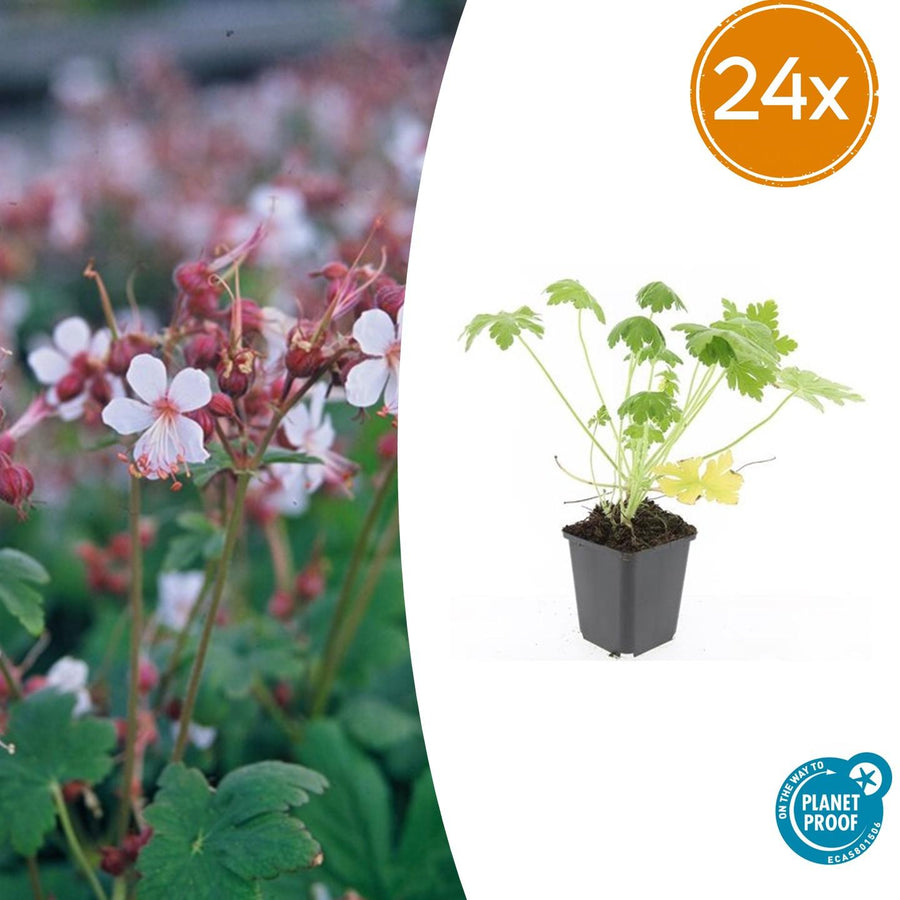
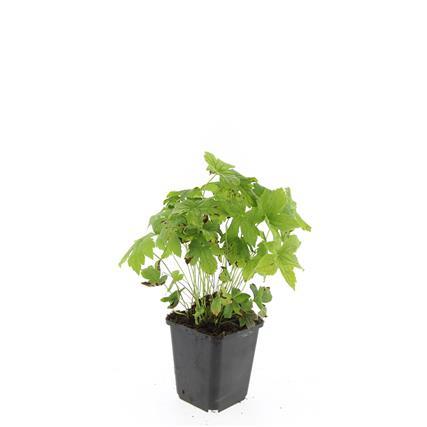
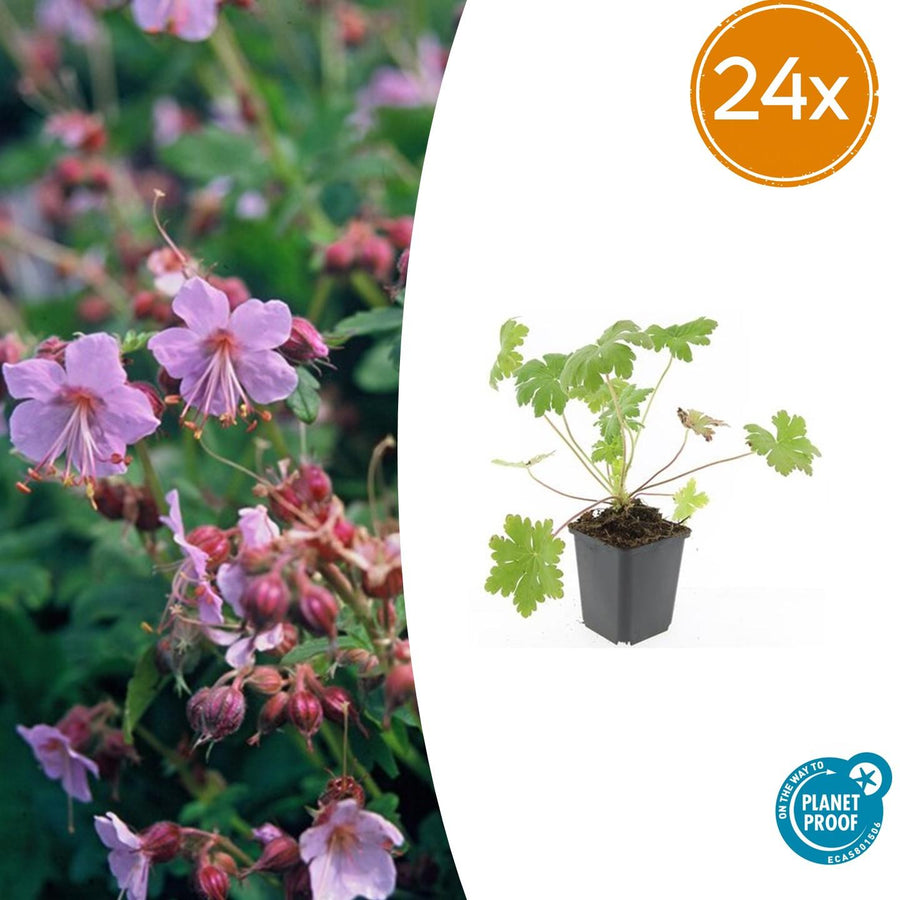
Hardy geranium with pale lilac flowers and red buds on green foliage, shown in black 9cm pot with visible rootball and…
Blue-violet garden flowers and soft foliage close-up of 24x Geranium macrorrhizum 9cm Pot

24x Geranium macrorrhizum 9cm Pot - Hardy Ground Cover Plants

€87.95
Liriope with narrow green strap-like leaves and pale purple flower spikes in grey pot, shown as 9cm young plant, 12x pack
Healthy foliage and strong roots close-up of 12x Liriope Monroe White - Evergreen Clump-Forming Lilyturf 9cm Pots

12x Liriope Monroe White - Liriope perenne de follaje perenne 9cm

€124.95
Liriope muscari 'Ingwersen' lily turf with purple flower spikes and narrow green arching leaves in grey 9cm pot
Healthy foliage and strong roots close-up of 24x Liriope muscari 'Ingwersen' Lily Turf - Clumping Border Plants 9cm

24x Liriope muscari 'Ingwersen' Lily Turf - Clumping Border Plants 9cm

€107.95
Young Geranium Spessart ground cover in grey pot showing pink buds and white flowers with deeply lobed green foliage
Blue-violet garden flowers and soft foliage close-up of 24x Geranium Spessart White Ground Cover

24x Geranium Spessart White Ground Cover - Hardy Perennial 10-25cm

€97.95
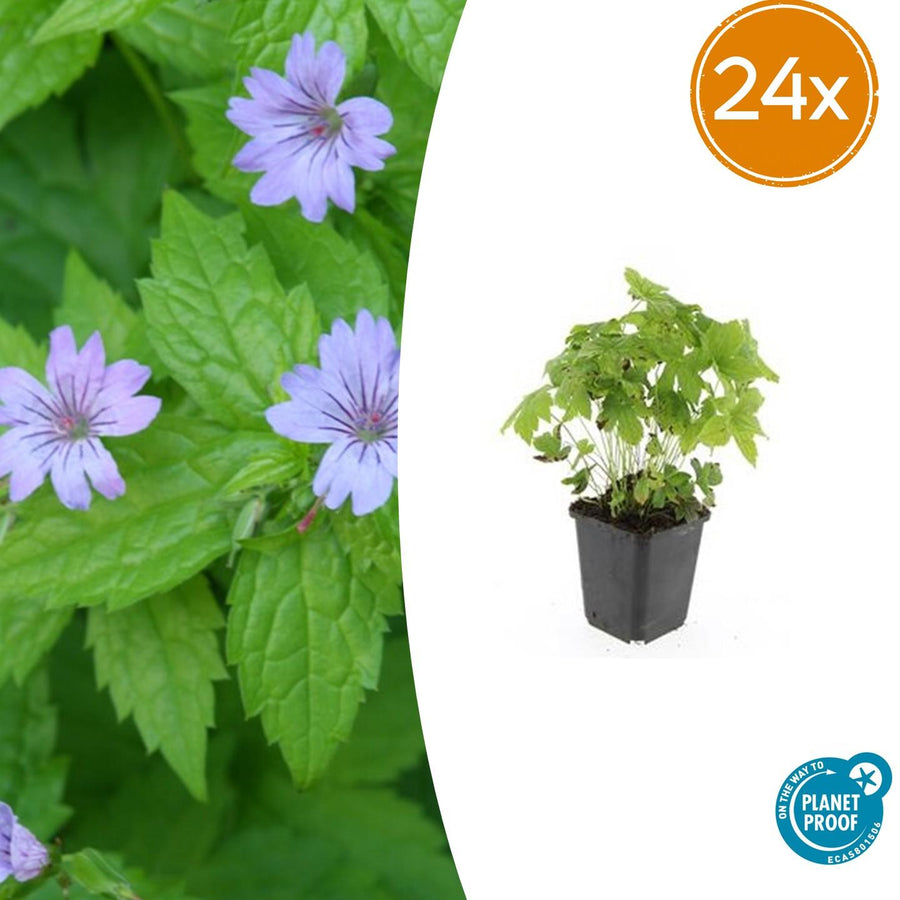
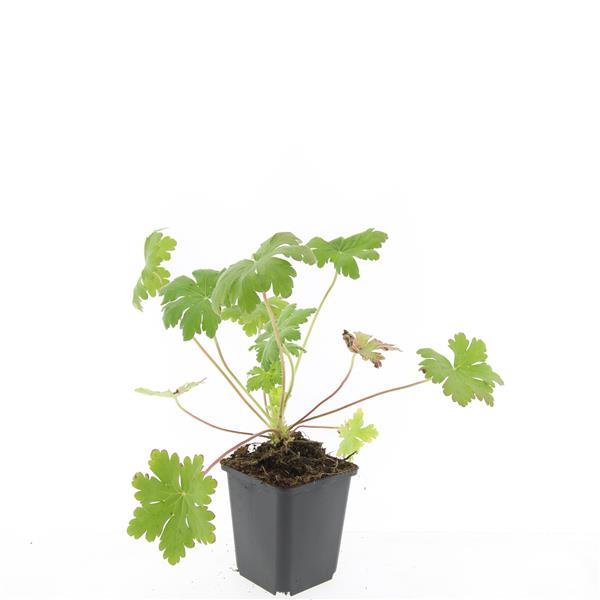
Hardy geranium nodosum with purple flowers and green textured foliage in black plastic pot
Blue-violet garden flowers and soft foliage close-up of 24x Geranium nodosum Purple

24x Geranium nodosum Purple - Hardy Ground Cover - 10-25cm

€96.95
Hardy geranium with pale pink flowers and reddish buds in small black pot, showing deeply lobed green foliage
Blue-violet garden flowers and soft foliage close-up of 24x Geranium Ingwersen's Variety

24x Geranium Ingwersen's Variety - Hardy Pink Ground Cover - 10-25cm

€79.95

Best Plants for Dry Shade Gardens - Premium Hardy Ground Cover

6 artículos

Creating a thriving garden in dry shade is one of horticulture's greatest challenges, but with the right plant selection, these difficult areas can become lush, low-maintenance havens of greenery. Our carefully curated collection of best plants for dry shade gardens features proven performers that excel where most plants struggle - under trees, along north-facing walls, and in areas with both limited light and moisture. Hardy geraniums form the backbone of this collection, offering reliable ground cover with attractive foliage and charming flowers that brighten shaded spaces from spring through autumn. Varieties like Geranium macrorrhizum, Geranium nodosum Purple, Geranium 'Ingwersen's Variety', and Geranium 'Spessart White' provide options in pink, purple, and white, all sharing exceptional drought tolerance once established. Complementing these are evergreen liriope varieties, including the classic Liriope muscari 'Ingwersen' and the striking white-flowered Liriope 'Monroe White', which bring year-round structure with grass-like foliage and elegant flower spikes that emerge in late summer. These clump-forming plants create natural weed barriers while requiring minimal maintenance, making them ideal for challenging areas where regular care is impractical. Whether you're dealing with root-filled soil beneath mature trees, dry shade along building foundations, or woodland garden edges, this collection provides the resilient, attractive plants you need to transform problem areas into garden assets that improve with each passing season.

Key Takeaways

  • Geraniums and liriope are among the most reliable plants for dry shade, offering year-round interest with minimal maintenance
  • Clump-forming plants like lilyturf create natural barriers against weeds while tolerating drought and shade simultaneously
  • Evergreen varieties provide structure and color throughout winter when many shade plants go dormant
  • Establishing plants with adequate watering in the first season ensures long-term drought tolerance in dry shade conditions

What should you look for in plants for dry shade gardens?

The ideal plants for dry shade gardens must possess a unique combination of adaptations that allow them to thrive in one of gardening's most challenging environments. Look for plants with deep or fibrous root systems that can access moisture from lower soil levels, such as hardy geraniums and liriope varieties. Evergreen foliage is particularly valuable as it provides year-round structure and continues photosynthesizing during cooler months when moisture is more available. Ground-covering growth habits are essential, as they create a living mulch that conserves soil moisture and suppresses competing weeds. The best performers typically have thick, leathery, or waxy leaves that reduce water loss through transpiration. Plants native to woodland edges or Mediterranean climates often excel in these conditions, having evolved mechanisms to cope with both shade and periodic drought. Additionally, consider plants that spread gradually to fill spaces without becoming invasive, creating a self-sustaining ecosystem that improves over time.

How do you choose the right plants for dry shade areas in your garden?

  • Assess your specific shade type - dappled shade under deciduous trees differs from dense evergreen shade, with the former offering spring sunlight before leaf-out
  • Evaluate soil conditions including drainage, pH, and existing root competition from trees and shrubs that may be depleting moisture
  • Select plants with proven track records in similar conditions, prioritizing varieties like Geranium macrorrhizum and Liriope muscari that are specifically bred for dry shade tolerance
  • Consider seasonal interest and layering different heights, from low ground covers like Geranium Spessart to taller clumping plants like Liriope Monroe White
  • Plan for establishment watering during the first growing season, as even drought-tolerant plants need moisture to develop the root systems that will sustain them long-term
  • Choose complementary foliage textures and colors to create visual interest where flowering may be less prolific than in sunny borders

Frequently Asked Questions

What plants are good for dry shady areas?
The best plants for dry shady areas include hardy geraniums (Geranium macrorrhizum, G. nodosum, and cultivars like 'Ingwersen's Variety' and 'Spessart White'), which offer excellent ground cover with attractive foliage and delicate flowers. Liriope varieties, including Liriope muscari 'Ingwersen' and Liriope 'Monroe White', are exceptional choices with their grass-like evergreen foliage and spikes of purple or white flowers. These plants have evolved to tolerate the double challenge of limited light and moisture, developing deep root systems and efficient water-use strategies. Other excellent options include epimediums, hardy ferns once established, hellebores, and certain hostas. The key is selecting plants that naturally occur in woodland edges or Mediterranean climates where they've adapted to shade and seasonal drought. When establishing these plants, provide regular watering for the first season to help them develop the robust root systems that will make them truly drought-tolerant in subsequent years.
Which plants can survive in a very dry place?
Plants that survive in very dry places have specialized adaptations including deep taproots, water-storing tissues, reduced leaf surface area, or dormancy strategies. For dry shade specifically, hardy geraniums are remarkably resilient, with varieties like Geranium macrorrhizum producing aromatic, semi-evergreen foliage that persists through drought. Liriope species are equally tough, with their rhizomatous root systems allowing them to access deep moisture while their narrow leaves minimize water loss. These plants enter a state of semi-dormancy during extreme drought, slowing growth but surviving until conditions improve. In sunny dry areas, Mediterranean herbs (lavender, rosemary, thyme), sedums, sempervivums, and ornamental grasses excel. The critical factor is matching plant selection to your specific conditions - a plant thriving in dry sun may struggle in dry shade and vice versa. Soil improvement with organic matter helps retain what moisture is available, while mulching reduces evaporation. Even drought-tolerant plants benefit from occasional deep watering during extended dry periods, especially when newly planted.
What plants grow best in heavy shade?
Plants that grow best in heavy shade are typically woodland natives adapted to forest floor conditions where sunlight is filtered through dense canopy layers. For dry heavy shade, your options are more limited but include several outstanding performers. Hardy geraniums, particularly Geranium nodosum and Geranium macrorrhizum, tolerate deep shade remarkably well, though flowering may be reduced compared to lighter conditions. Liriope varieties are among the most shade-tolerant plants available, thriving even under evergreen trees where few other plants survive. Their evergreen foliage provides year-round interest, and they produce attractive flower spikes even in low light. Other heavy shade champions include Pachysandra terminalis, Vinca minor, certain ferns (once established with adequate moisture), and Asarum (wild ginger). In heavy shade, focus on plants with attractive foliage rather than expecting abundant flowers, as most plants require some light for prolific blooming. The darkest areas benefit from variegated or lighter-colored foliage to brighten the space. Improving soil with compost and providing establishment watering gives plants the best start in these challenging conditions.
What plants only need 3-4 hours of sun?
Plants requiring only 3-4 hours of sun daily are classified as partial shade plants, and this category offers tremendous variety for gardeners. The geranium varieties in this collection, including Geranium 'Ingwersen's Variety', G. nodosum Purple, and Geranium 'Spessart White', perform beautifully with 3-4 hours of morning or dappled sunlight, producing more flowers than in full shade while tolerating the reduced light. Liriope species also thrive in these conditions, often showing their best flowering with a few hours of sun. Other excellent choices include astilbes, hostas, heucheras, Japanese anemones, bleeding hearts, and many ferns. Morning sun is generally preferable to hot afternoon sun, as it's less intense and allows plants to photosynthesize during cooler hours. These conditions are common on the east or north sides of buildings, under high tree canopies, or in areas shaded by structures for part of the day. When plants receive some direct sun, they typically develop stronger stems, more compact growth, and better flowering compared to full shade, making this light level ideal for many ornamental perennials. The key is ensuring adequate moisture, as partial sun increases water needs compared to full shade.
How do I prepare soil for dry shade planting?
Preparing soil for dry shade planting is crucial for long-term success, as you're creating conditions that help plants establish before they must rely on their drought tolerance. Begin by incorporating generous amounts of organic matter - compost, leaf mold, or well-rotted manure - to improve both water retention and drainage, which may seem contradictory but allows soil to hold moisture while preventing waterlogging during wetter periods. In areas with tree root competition, you may need to create planting pockets with improved soil, though avoid raising beds significantly as this can dry out faster. Add a slow-release fertilizer to support establishment growth. If soil is compacted, gentle loosening improves root penetration, but avoid excessive cultivation near tree roots. After planting geraniums, liriope, and other dry shade plants, apply a 5-7cm layer of organic mulch, keeping it away from plant crowns to prevent rot. This mulch conserves moisture, moderates soil temperature, and gradually breaks down to improve soil structure. Water thoroughly after planting and maintain consistent moisture through the first growing season, gradually reducing frequency to encourage deep rooting. Once established, these plants become remarkably self-sufficient in dry shade conditions.
Sources

  • 25 Best Plants For Dry Shade Gardens - Epic Gardening — www.epicgardening.com
  • 10 Best Plants for a Dry Shade Garden with Shrubs — www.missouribotanicalgarden.org
  • 20 Tough Plants for Dry Shade - Better Homes & Gardens — www.bhg.com
  • Perfect Plants for Dry Shade — www.monrovia.com
  • Best Plants to Grow Under Trees in Shade | Almanac.com — www.almanac.com
Visto recientemente