






Byliny ogrodowe i rabatowe — wytrzymałe i niezawodne
437 produktów
Wytrzymałe byliny ogrodowe to podstawa każdego łatwego w pielęgnacji europejskiego ogrodu — posadzone raz, powracają co roku, z każdym sezonem rosnąc mocniej i kwitnąc obficiej. Do najbardziej niezawodnych bylin rabatowych należą jeżówka (Echinacea), rudbekia (Rudbeckia), szałwia omszona (Salvia nemorosa), bodziszek (Geranium), tawułka (Astilbe) i dzielżan (Helenium). Przeglądaj naszą kolekcję bylin ogrodowych z dostawą na terenie Europy.
Czym różnią się rośliny jednoroczne, dwuletnie i byliny?
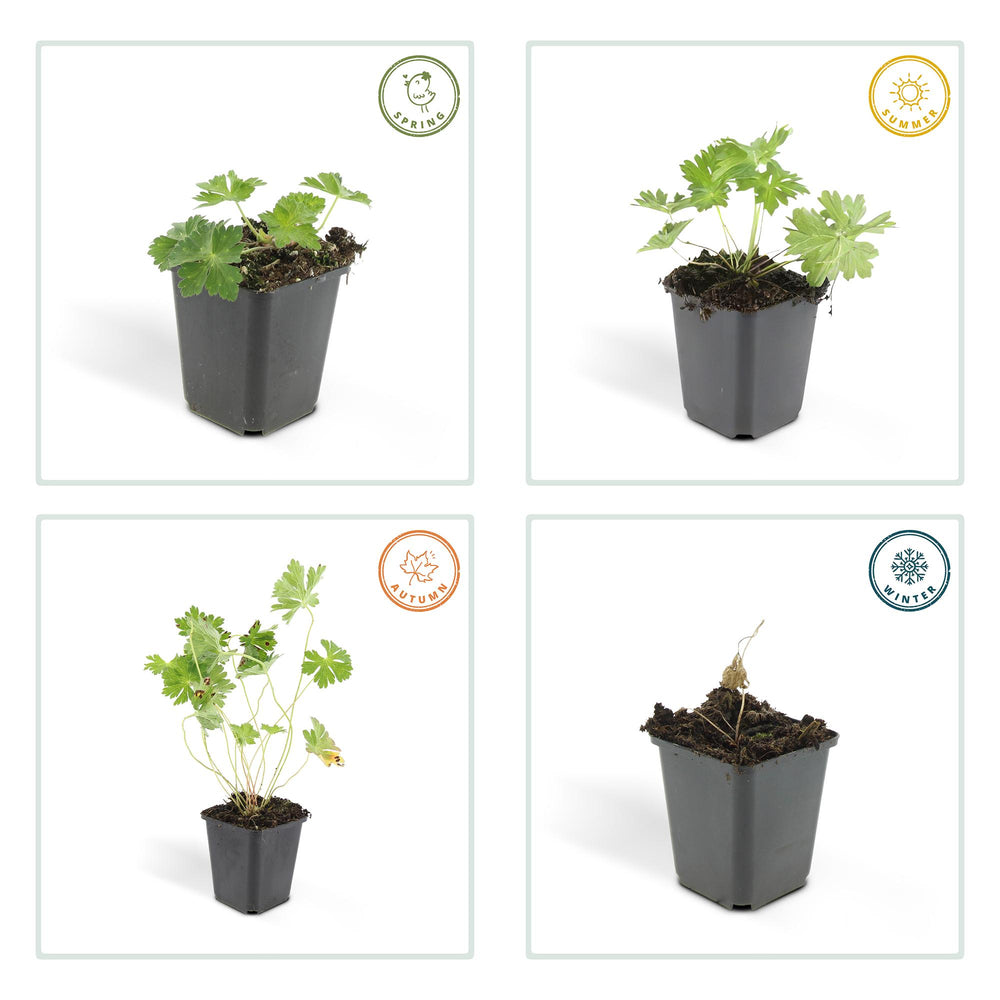
Rośliny jednoroczne przechodzą cały cykl życiowy — kiełkują, kwitną, zawiązują nasiona i obumierają — w ciągu jednego sezonu wegetacyjnego (np. aksamitka, nasturcja, groszek pachnący). Rośliny dwuletnie potrzebują dwóch lat: rozeta liści w pierwszym roku, kwitnienie i nasiona w drugim, po czym obumierają (np. naparstnica, lak). Byliny żyją 3 lata lub dłużej, zamierając zimą, lecz odrastając z korony korzeniowej każdej wiosny (np. jeżówka, szałwia, bodziszek). „Wytrzymała” oznacza, że bylina przeżywa europejskie zimowe temperatury bez osłony — zwykle oceniana na RHS H4–H7 (do -10°C lub niżej).
Najlepsze wytrzymałe byliny do europejskich ogrodów
- Jeżówka (Echinacea) — wyraziste, stokrotkowate kwiaty od lipca do września; główki nasienne atrakcyjne dla ptaków zimą; w pełni mrozoodporna (RHS H7); odporna na suszę po ukorzenieniu
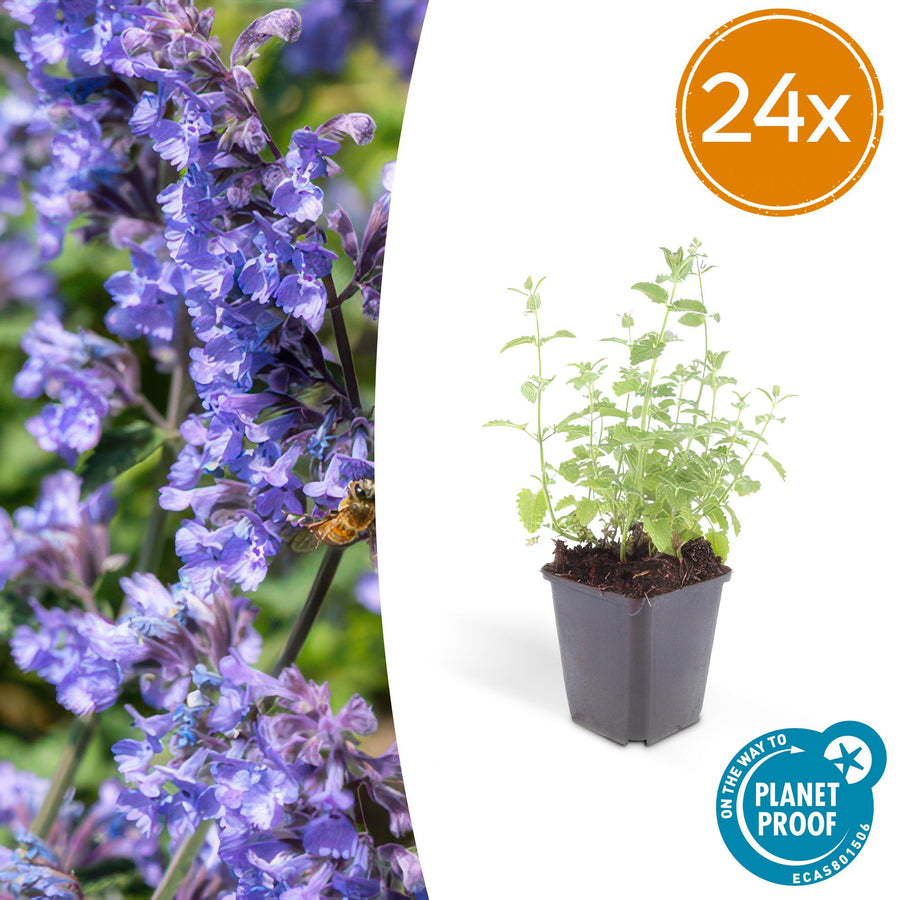
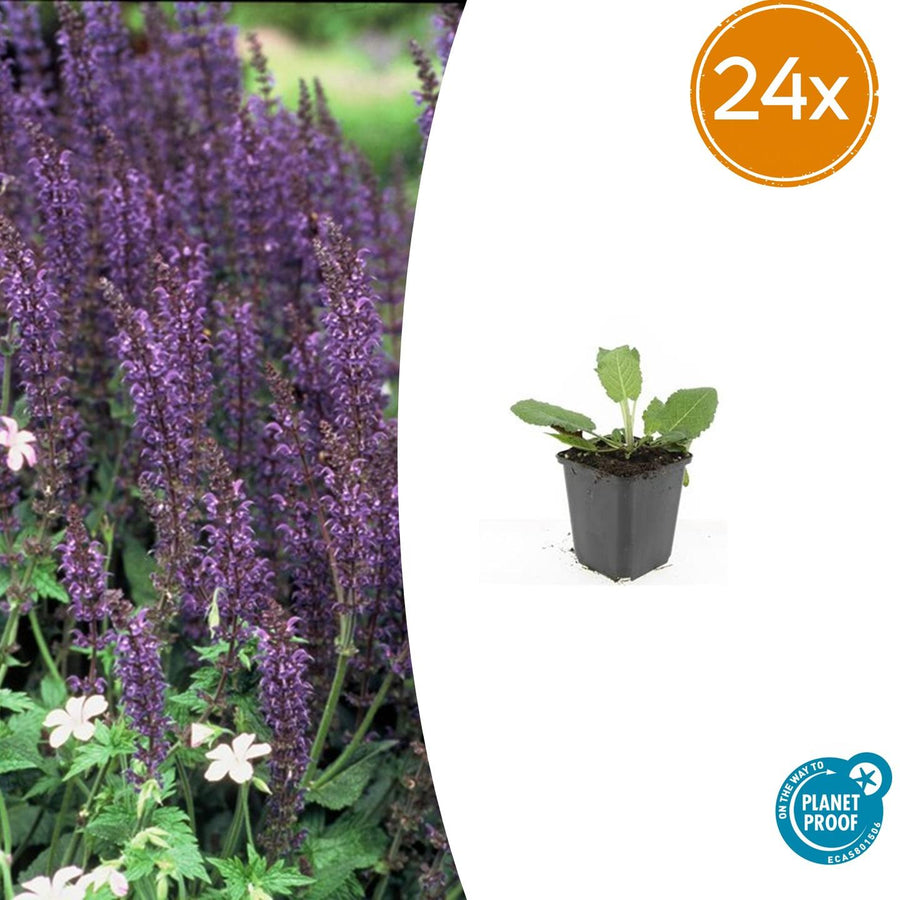
- Szałwia omszona (Salvia nemorosa) — intensywnie fioletowoniebieskie kłosy od maja do sierpnia; kwitnie ponownie po usuwaniu przekwitłych kwiatów; bardzo atrakcyjna dla pszczół; w pełni mrozoodporna; rośnie do 40–60cm
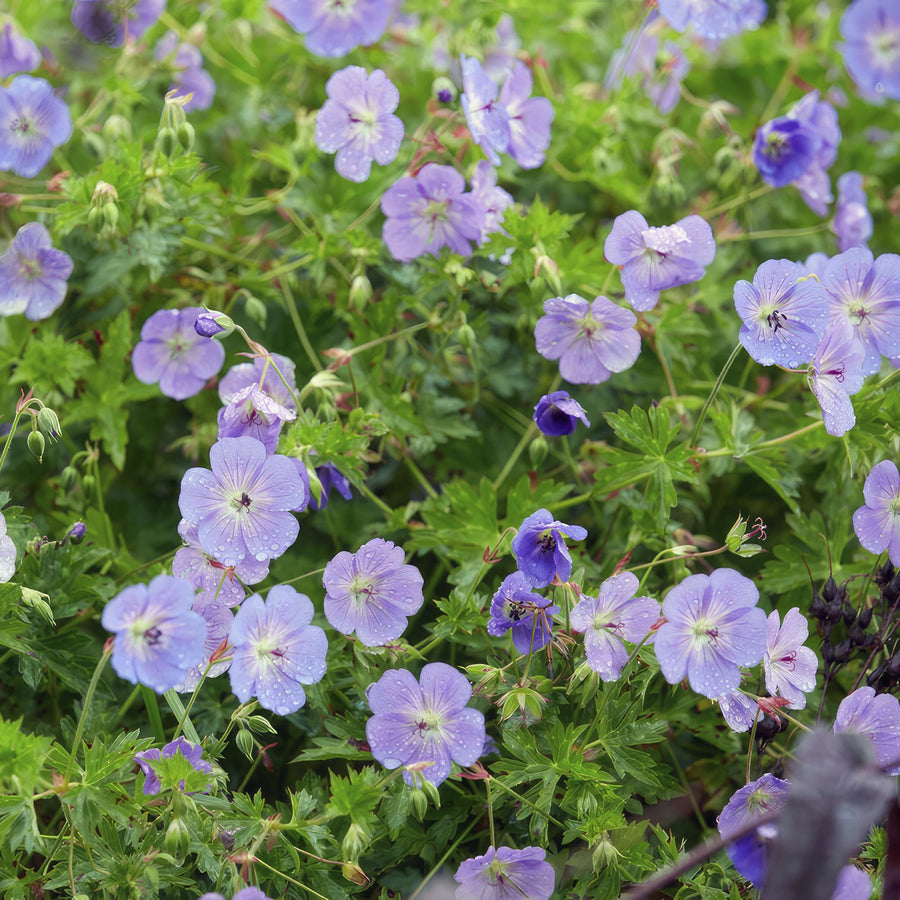
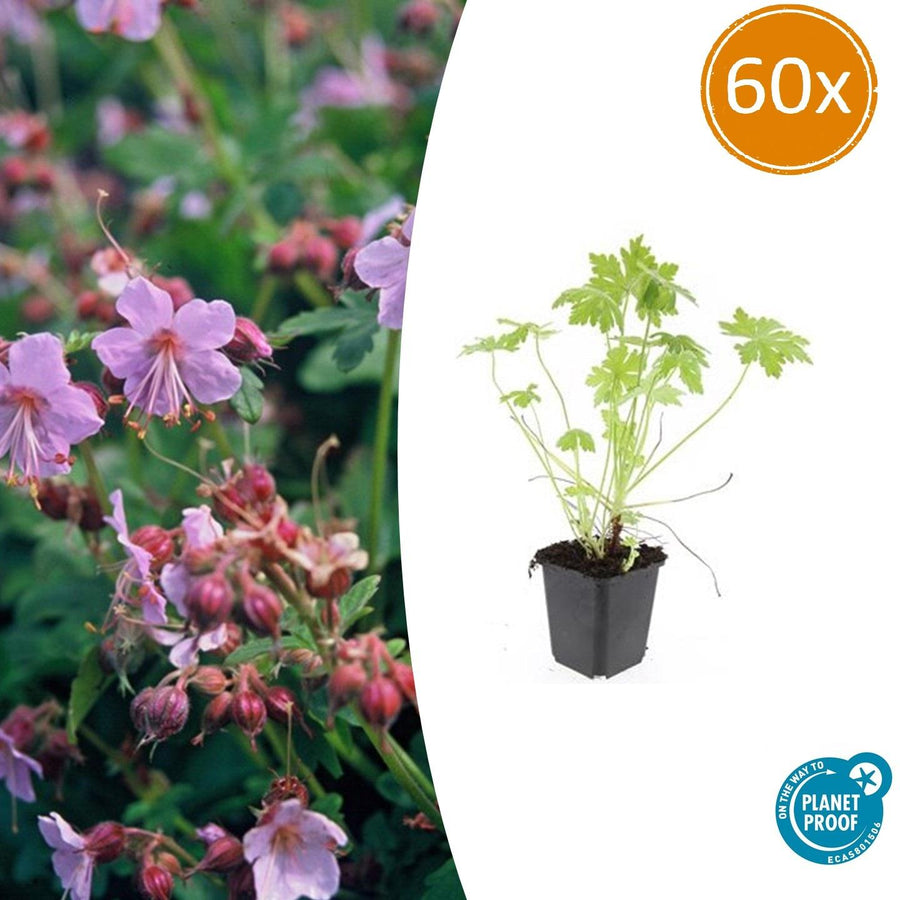
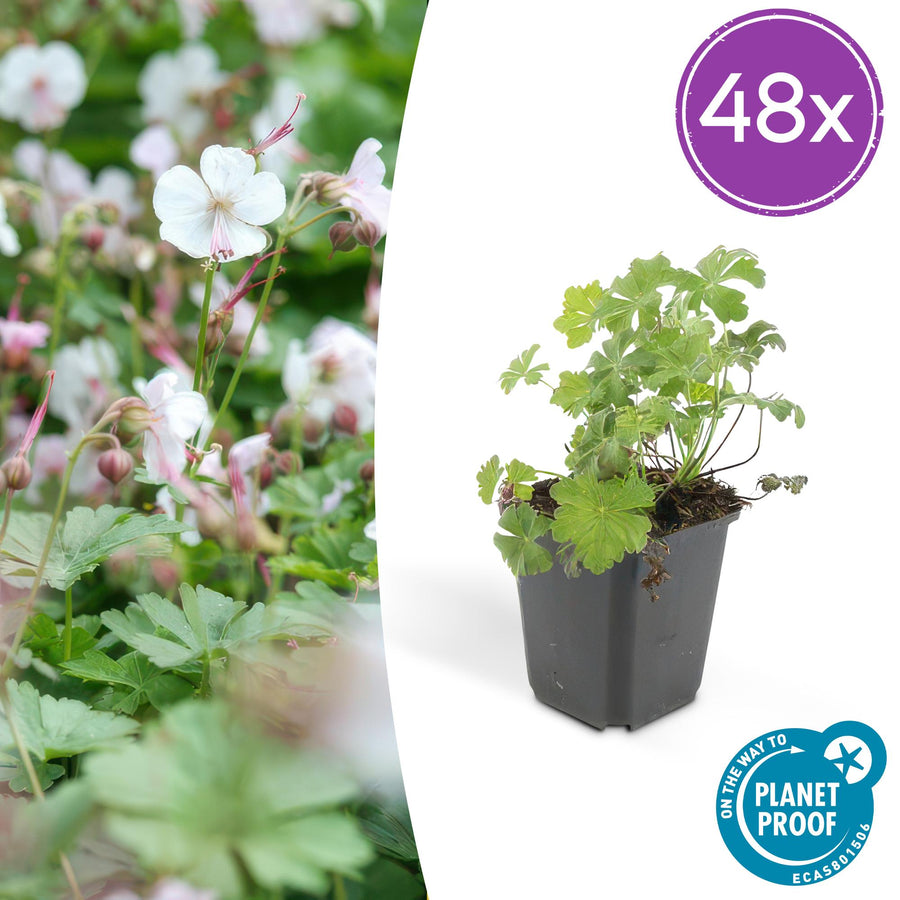
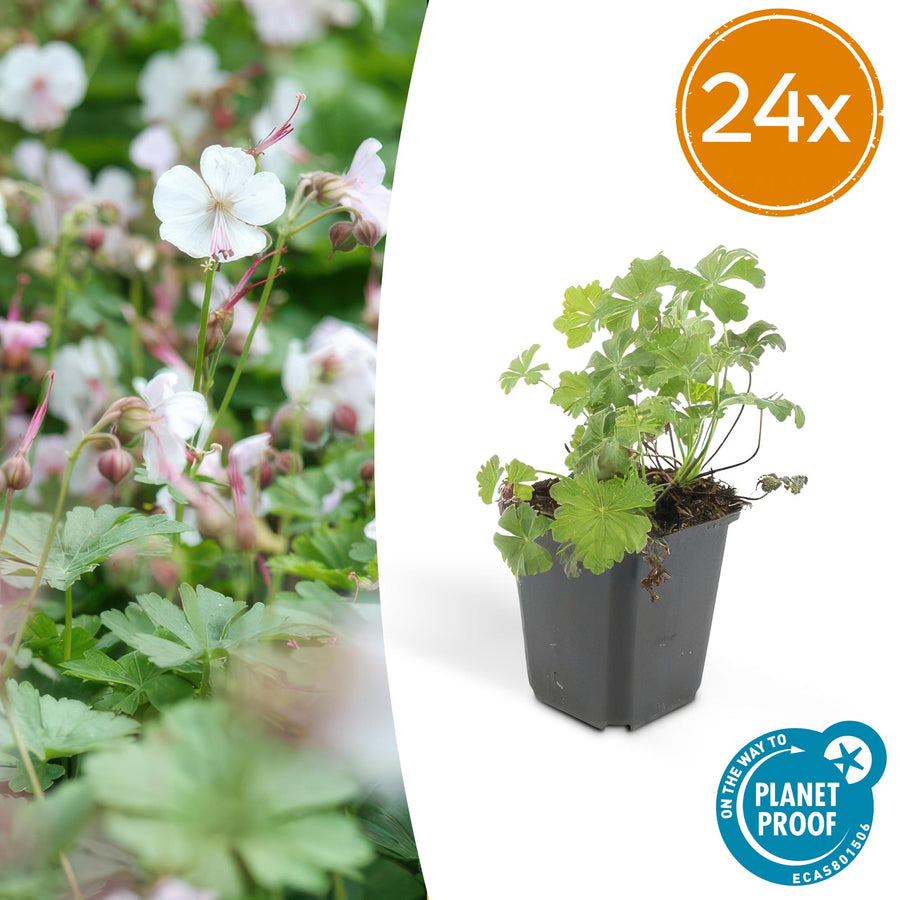
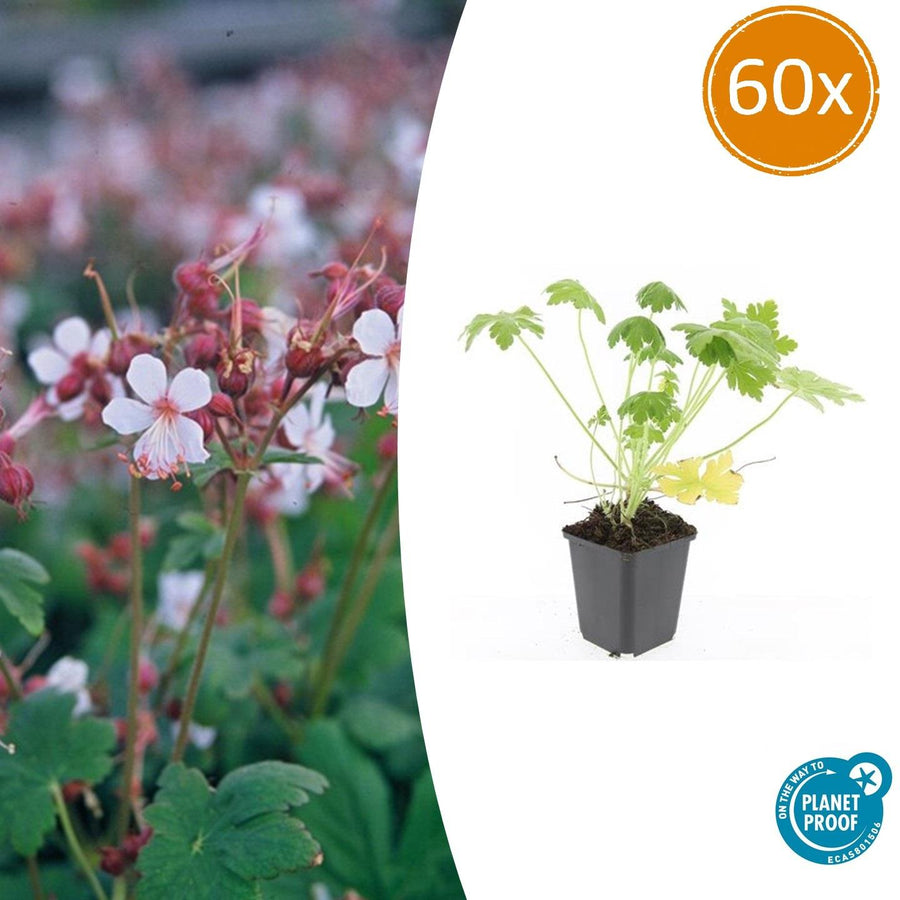
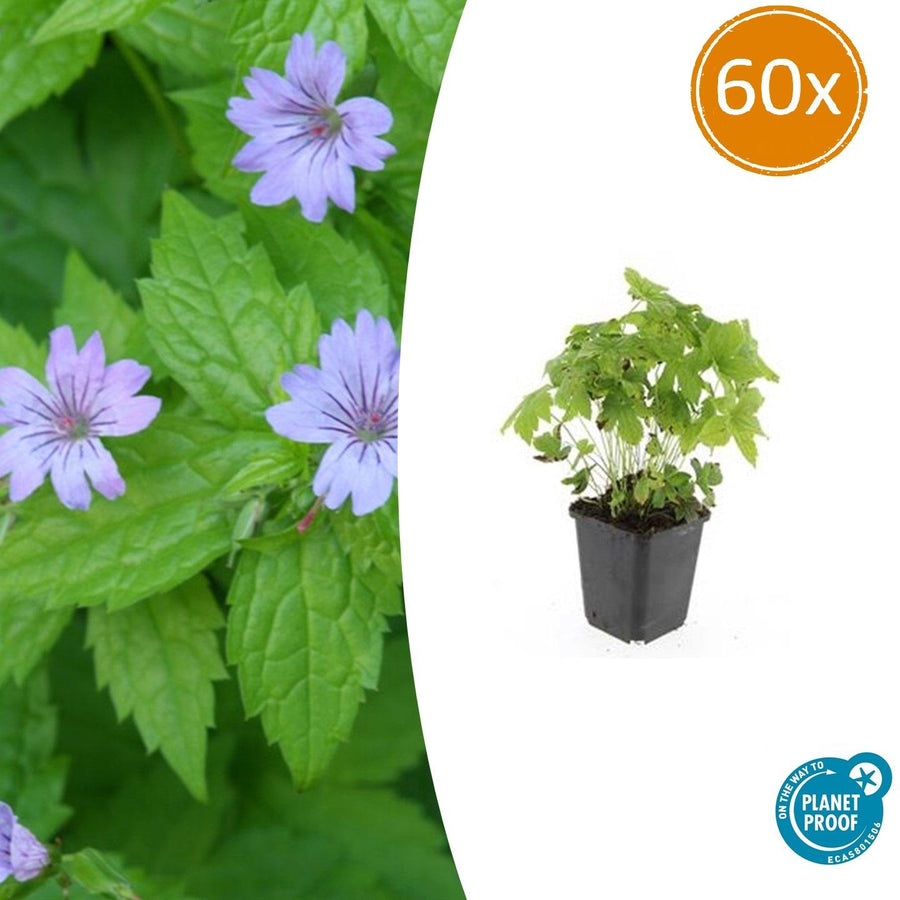
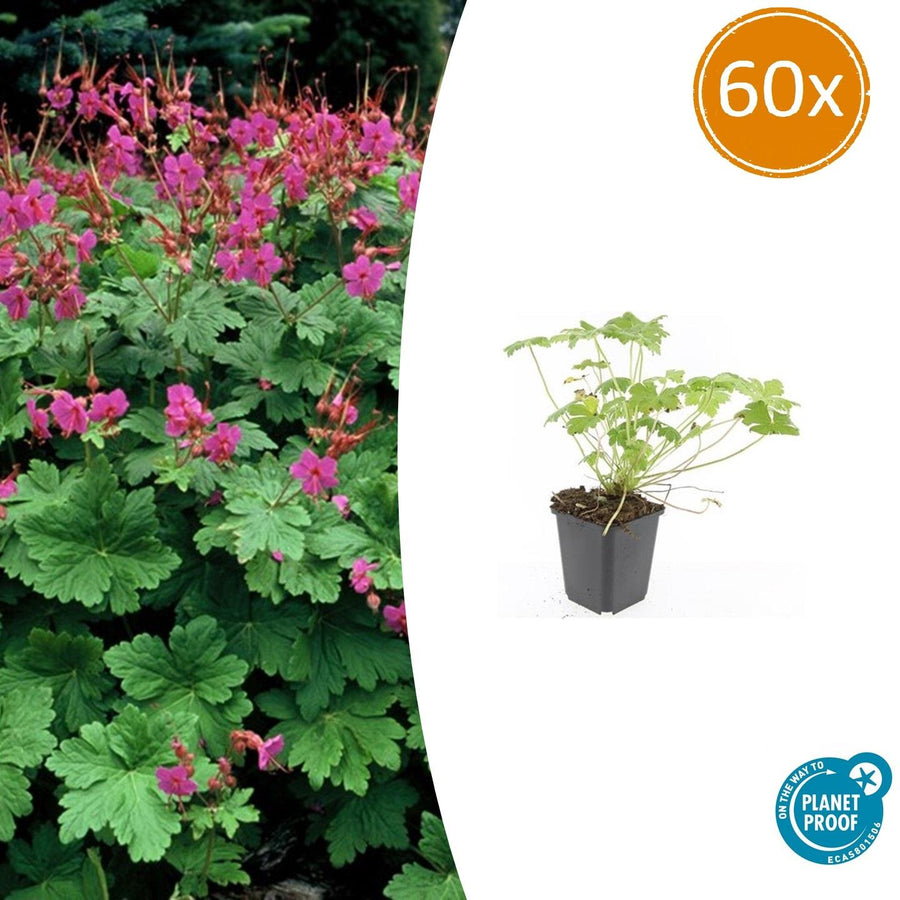
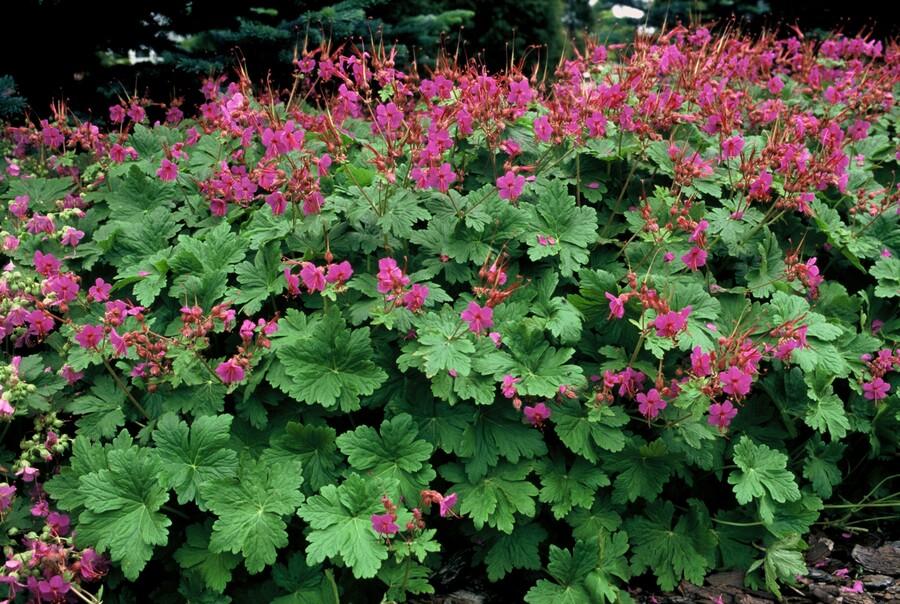
- Bodziszek ogrodowy (Geranium) — najbardziej wszechstronna bylina; okrywowa; kwitnie od maja do września; znosi cień i suszę; łatwo się dzieli; ponad 100 odmian ogrodowych
- Rudbekia (Rudbeckia) — złocistożółte stokrotki od sierpnia do października; przedłuża kolor do późnego sezonu; bardzo łatwa; w pełni mrozoodporna; umiarkowanie się wysiewa
- Tawułka (Astilbe) — pierzaste wiechy w kolorze różowym, czerwonym lub białym; niezbędna do wilgotnego cienia; od czerwca do sierpnia; zachwycająca przy oczkach wodnych i w ogrodach leśnych
Kiedy dzielić byliny ogrodowe
Większość bylin korzysta z podziału co 3–5 lat — zagęszczają się i słabiej kwitną w środku kępy. Dziel je wczesną wiosną (marzec–kwiecień), gdy dopiero pojawiają się nowe pędy, lub wczesną jesienią (wrzesień). Wykop kępę, rozdziel dwoma widłami ustawionymi grzbietami do siebie lub ostrym szpadlem, posadź ponownie zdrowe zewnętrzne fragmenty z dodatkiem świeżego kompostu, a wyczerpany środek odrzuć. Z jednej rośliny można uzyskać 5–10 nowych roślin z jednego podziału.
Zobacz powiązane: Rośliny miododajne · Rośliny do ogrodu wiejskiego · Rośliny ogrodowe
🌿 Przeglądaj powiązane kolekcje do aranżacji krajobrazu
- Rośliny okrywowe — 173 chwastochłonne byliny
- Żywopłoty i obrzeża
- Rośliny na żywopłot — osłona prywatności i obrzeża
- Rośliny hurtowo — ilości handlowe i hurtowe
Planujesz większy projekt ogrodowy? Odwiedź nasze centrum aranżacji krajobrazu lub poproś o wycenę hurtową — ceny handlowe dla wykonawców ogrodów i projektantów w Irlandii i UE.