Transform your garden into a thriving pollinator haven with our carefully curated collection of the best perennial plants for bees, butterflies, and beneficial insects. These exceptional hardy perennials combine stunning beauty with ecological value, providing essential nectar and pollen sources that support pollinator populations throughout the growing season. Each variety in this collection has been selected for its proven ability to attract and nourish pollinators while offering gardeners the benefits of low-maintenance, long-lived plants that return stronger and more beautiful each year. From the award-winning Geranium Rozanne with its months-long violet-blue display to the fragrant spikes of Agastache Blue Fortune beloved by hummingbirds and bees alike, these plants create a garden that buzzes with life. Whether you're establishing a dedicated pollinator garden, enhancing existing borders, or creating ground cover that works as hard as it looks beautiful, these perennials deliver exceptional performance with minimal care. Discover how easy it is to support declining pollinator populations while enjoying a garden filled with color, movement, and the gentle hum of nature at work.

Key Takeaways

  • Pollinator-friendly perennials provide essential nectar and pollen sources throughout the growing season while returning year after year
  • Blue and purple flowering perennials like Geranium Rozanne, Nepeta, and Agastache are particularly attractive to bees and butterflies
  • Ground cover perennials such as Ajuga and Geranium Biokovo offer low-maintenance pollinator support while suppressing weeds
  • Planting diverse perennials with staggered bloom times ensures continuous food sources for pollinators from spring through fall

What should you look for in pollinator-friendly perennial plants?

When selecting perennial plants for pollinators, prioritize species with open, accessible flower structures that allow bees, butterflies, and other beneficial insects to easily reach nectar and pollen. Look for plants with extended bloom periods or repeat flowering capabilities, as these provide sustained food sources throughout the season. Native or well-adapted perennials are ideal because they've evolved alongside local pollinator populations and require less maintenance. Flower color matters too—pollinators are particularly drawn to blue, purple, pink, and white blooms. Choose plants with varying heights and bloom times to create a diverse pollinator habitat that supports different species from early spring through late fall. Hardy perennials that establish robust root systems will return stronger each year, creating increasingly valuable pollinator resources while requiring minimal intervention once established.

How do you choose the right perennial plants for a pollinator garden?

  • Bloom succession: Select varieties that flower at different times to provide continuous nectar from spring through fall, ensuring pollinators have consistent food sources
  • Growing conditions: Match plants to your garden's light, soil, and moisture conditions—Agastache thrives in full sun with good drainage, while Anemone tolerates partial shade
  • Pollinator preferences: Include diverse flower shapes and sizes to attract various pollinators—tubular flowers for hummingbirds, flat landing platforms for butterflies, and clustered blooms for bees
  • Maintenance level: Choose low-maintenance perennials like Nepeta and Geranium that naturalize easily and don't require deadheading to continue blooming
  • Garden design: Incorporate ground covers like Ajuga for layered planting that maximizes pollinator habitat while creating visual interest at multiple heights

Frequently Asked Questions

What are the best perennials for pollinators?
The best perennials for pollinators combine long bloom periods, accessible flower structures, and high nectar production. Top performers include Geranium Rozanne, which blooms for months with violet-blue flowers that bees adore, and Agastache (Hyssop), whose fragrant spikes attract bees, butterflies, and hummingbirds. Nepeta (Catmint) is exceptional for its continuous lilac-blue blooms that draw numerous bee species. Ajuga provides early-season nectar when food sources are scarce, while Anemone offers late-season blooms crucial for pollinators preparing for winter. Ground cover geraniums like 'Biokovo' create pollinator-friendly carpets that require minimal care. The most effective pollinator gardens include 3-5 different perennial species with overlapping bloom times, ensuring that at least one plant is flowering throughout the growing season. Native perennials are particularly valuable as they've co-evolved with local pollinator populations and often provide superior nutrition compared to exotic species.
What is the 3 year rule for perennials?
The 3-year rule for perennials refers to the common gardening wisdom: 'First year they sleep, second year they creep, third year they leap.' This principle describes the typical establishment pattern of perennial plants. In the first year after planting, perennials focus energy on developing extensive root systems rather than producing abundant foliage or flowers—they're 'sleeping' above ground while working below. During the second year, plants begin spreading modestly and producing more growth, but still aren't at full potential—they 'creep' along. By the third year, with well-established roots, perennials typically reach mature size and produce their most impressive displays—they 'leap' into full glory. This timeline is important for pollinator gardens because it means your plants will become increasingly valuable wildlife resources over time. Patience during establishment pays off with robust, long-lived plants that support larger pollinator populations each successive year. Some vigorous perennials like Geranium Rozanne and Nepeta may bloom well even in their first year, but will still improve significantly by year three.
What plant attracts the most pollinators?
While no single plant attracts all pollinators, certain perennials are exceptional pollinator magnets. Agastache (Anise Hyssop) consistently ranks among the top performers, attracting bees, butterflies, hummingbirds, and beneficial insects with its abundant nectar-rich flower spikes that bloom for months. Its tubular flowers and minty-licorice fragrance make it irresistible to diverse pollinator species. Nepeta (Catmint) is another powerhouse, particularly for bumblebees and honeybees, which visit constantly throughout its extended bloom period. Geranium Rozanne attracts numerous bee species with its violet-blue flowers that produce fresh blooms continuously from June through frost. For butterflies specifically, Anemone varieties provide crucial late-season nectar when other sources decline. The most effective approach is planting multiple pollinator-friendly perennials together—a diverse garden with Agastache, Nepeta, Geranium, and Ajuga will attract far more pollinators than any single species alone. Mass plantings of 3-5 of the same plant also create visual targets that pollinators can spot from greater distances, increasing garden visits.
What are the best perennials to attract butterflies?
The best perennials for attracting butterflies offer abundant nectar, flat or clustered flower structures for landing platforms, and bloom during peak butterfly activity from mid-summer through fall. Agastache is outstanding for butterflies, with its tall flower spikes attracting swallowtails, painted ladies, and fritillaries. Geranium varieties provide accessible, open flowers that butterflies can easily feed from, with 'Rozanne' being particularly attractive to various species. Anemone 'Robustissima' is invaluable for late-season butterfly support, blooming August through October when monarchs and other species are migrating or preparing for winter. Nepeta attracts numerous butterfly species, especially skippers and small blues, which appreciate its clustered flowers. For a complete butterfly garden, include both nectar plants (like these perennials) and host plants where butterflies lay eggs. Create sunny, sheltered areas since butterflies need warmth to fly, and plant in groups of at least three to five of each species—butterflies are more attracted to mass plantings. Avoid pesticides, provide water sources, and allow some areas to remain slightly wild, as many butterfly species need undisturbed spots for chrysalis formation.
When should I plant perennials for pollinators?
The ideal time to plant perennials for pollinators is spring after the last frost date or early fall, giving plants time to establish before extreme weather. Spring planting (April-May in most regions) allows perennials to develop strong root systems throughout the growing season, though they may bloom modestly the first year. Fall planting (September-October) takes advantage of warm soil and cooler air temperatures, reducing transplant stress while allowing root development before winter dormancy. Container-grown perennials like those in 9cm pots can technically be planted throughout the growing season if properly watered, but avoid planting during peak summer heat. For pollinator gardens, spring planting is often preferred because it allows you to see exactly when each plant blooms, helping you identify any gaps in seasonal nectar availability. Plant on overcast days or in evening to minimize transplant shock, water thoroughly, and apply mulch to retain moisture and suppress weeds. Even if planted late in the season, these hardy perennials will establish and begin supporting pollinator populations, with their value increasing significantly each subsequent year as plants mature.

Sources

  • 10 Perennials for a Pollinator Garden — www.gardendesign.com
  • Perennials for Pollinators — thistlebetheday.com
  • Gardening in Klamath Falls Oregon | Wanting to start some flower rows at our house for pollinators by our garden | Facebook — www.facebook.com
  • Bee-Friendly Perennials | Essential Plants for Pollinators — www.americanmeadows.com
  • How to pick cultivars for pollinators — sites.tufts.edu
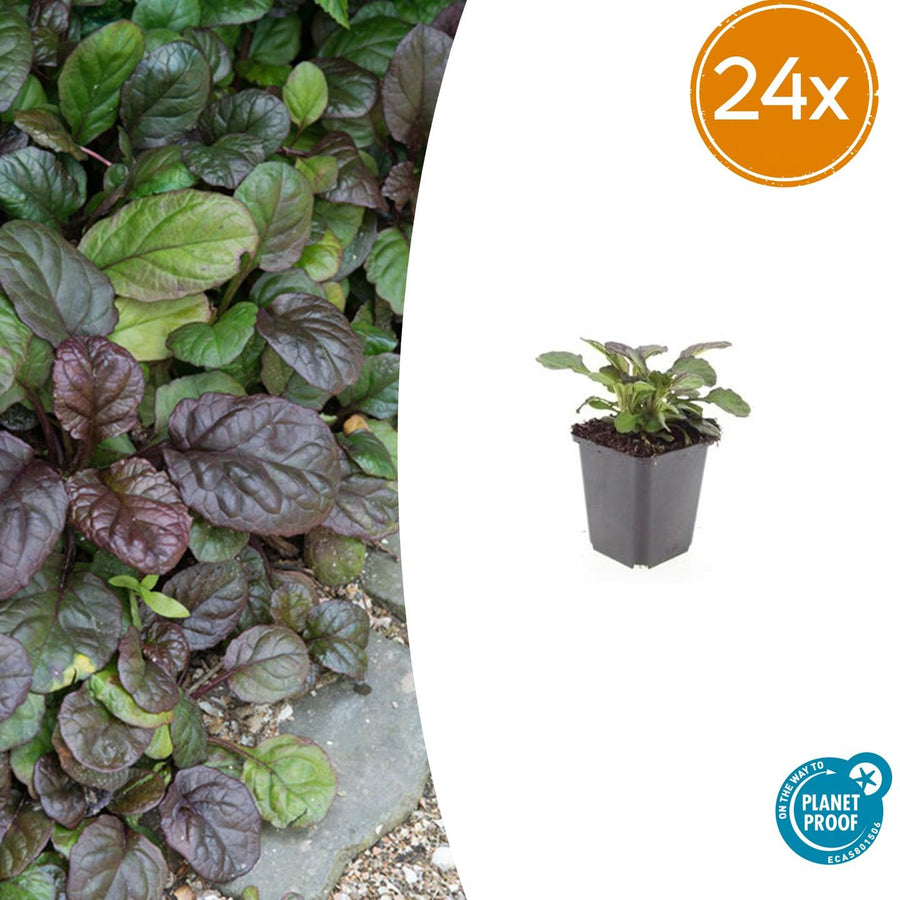
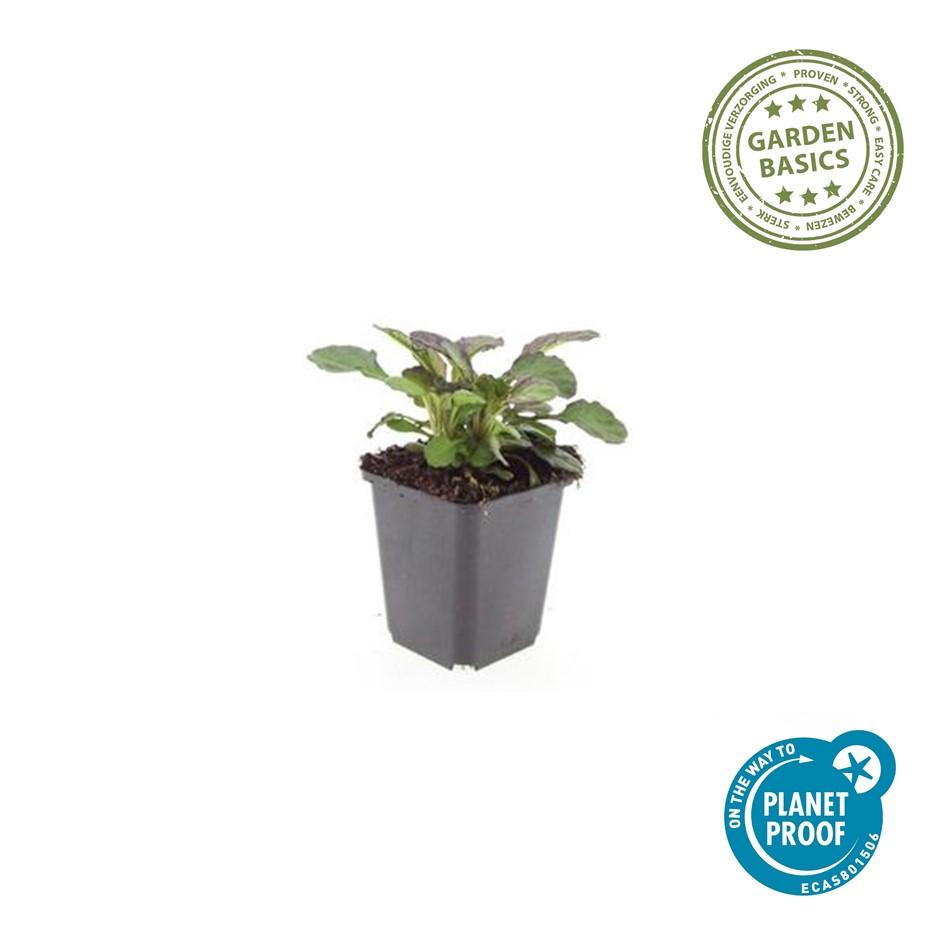
Ajuga Catlin's Giant with dark purple and green heart-shaped leaves in grey plastic pot, shown as small potted plant
Healthy foliage and strong roots close-up of 24x Ajuga Catlin's Giant

24x Ajuga Catlin's Giant - Sterke Bodembedekker - 10-25cm

€88.95
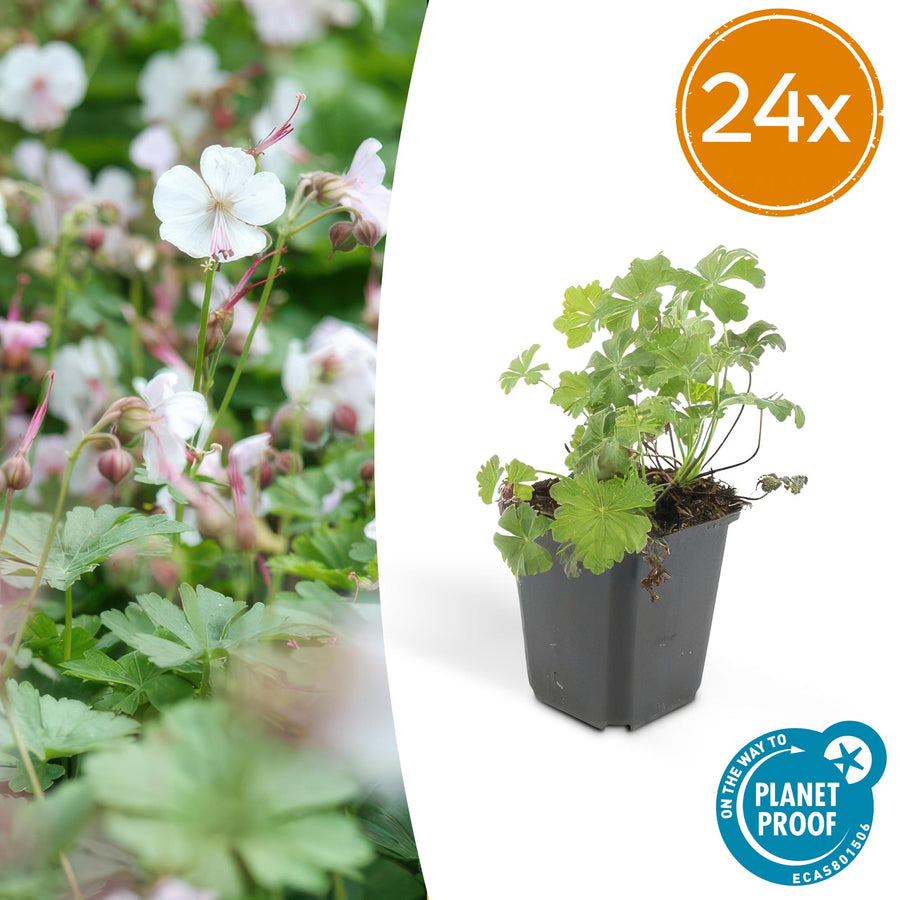
Geranium Biokovo ground cover with white-pink flowers and deeply lobed green foliage in grey pot, 24-pack, 10-25cm
Blue-violet garden flowers and soft foliage close-up of 24x Geranium Biokovo Ground Cover - White-Pink Flowers - 10-25cm

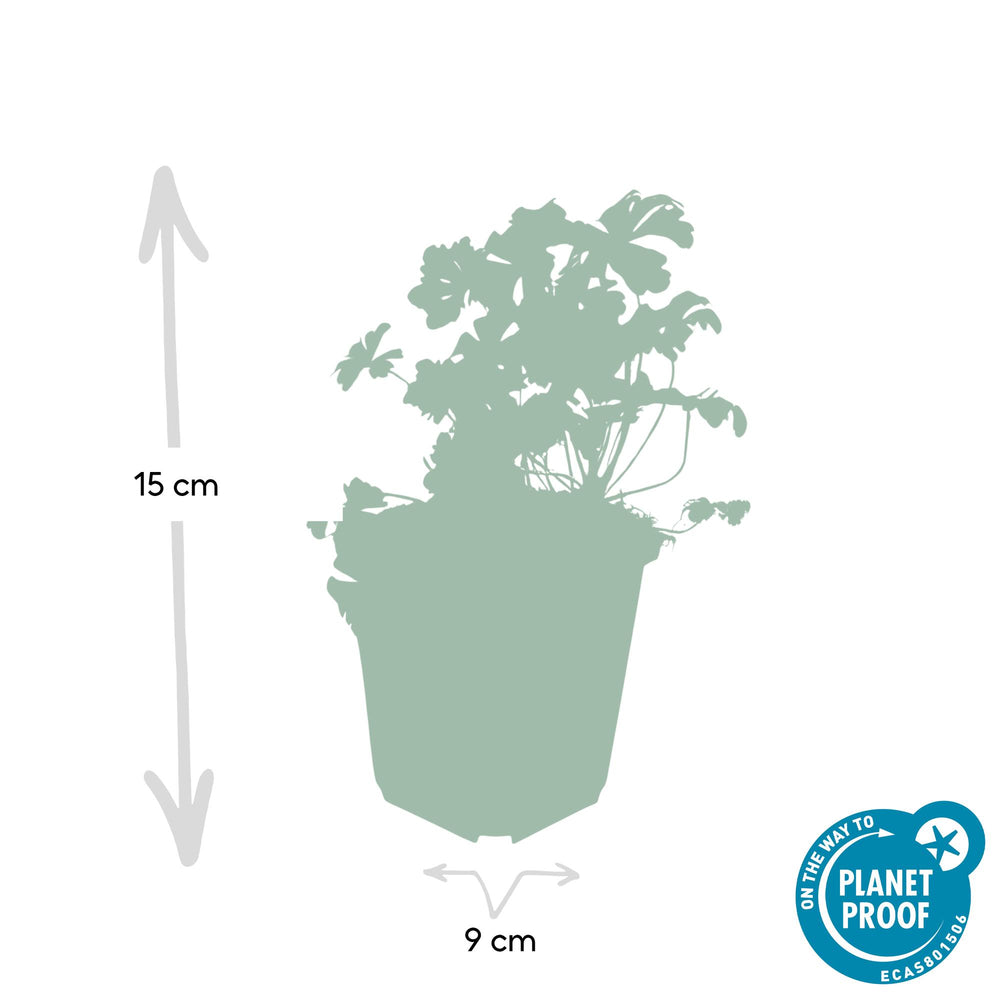
24x Geranium Biokovo Ground Cover - White-Pink Flowers - 10-25cm

€95.95
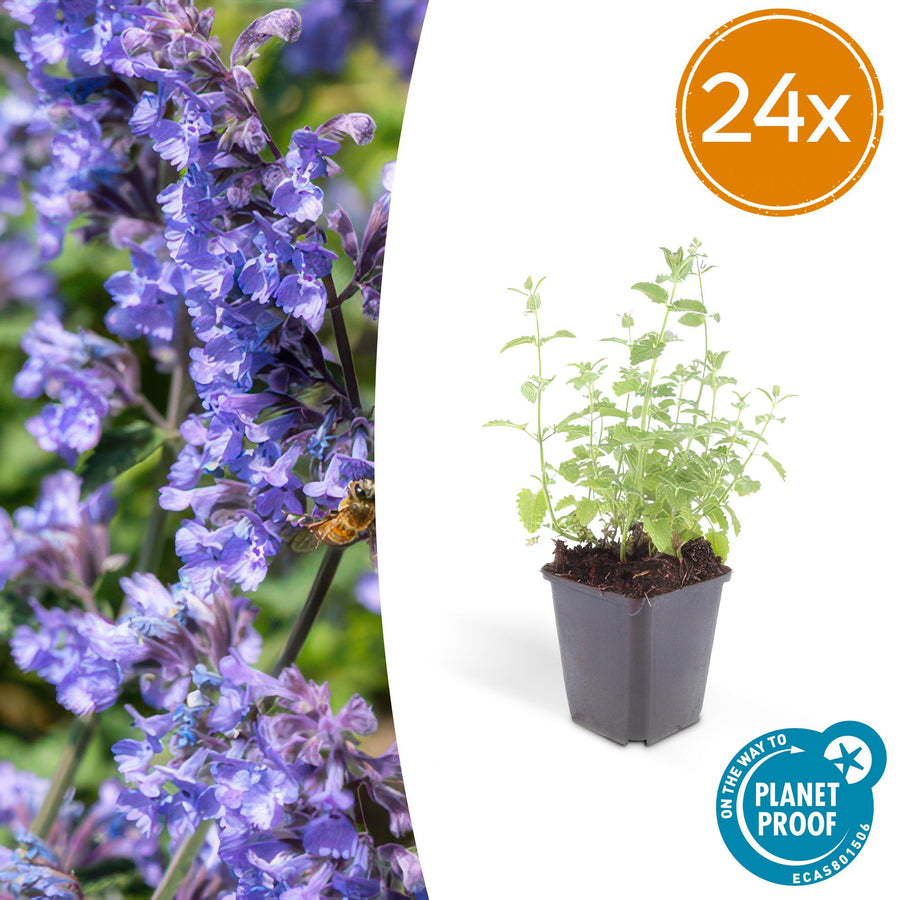
Nepeta Six Hills Giant catmint with dense spikes of lilac-blue flowers and bee, plus potted young catmint plant in grey…
Aromatic catmint foliage and purple flower spikes close-up of 24x Nepeta Six Hills Giant - Lilac-Blue Catmint Plants -…

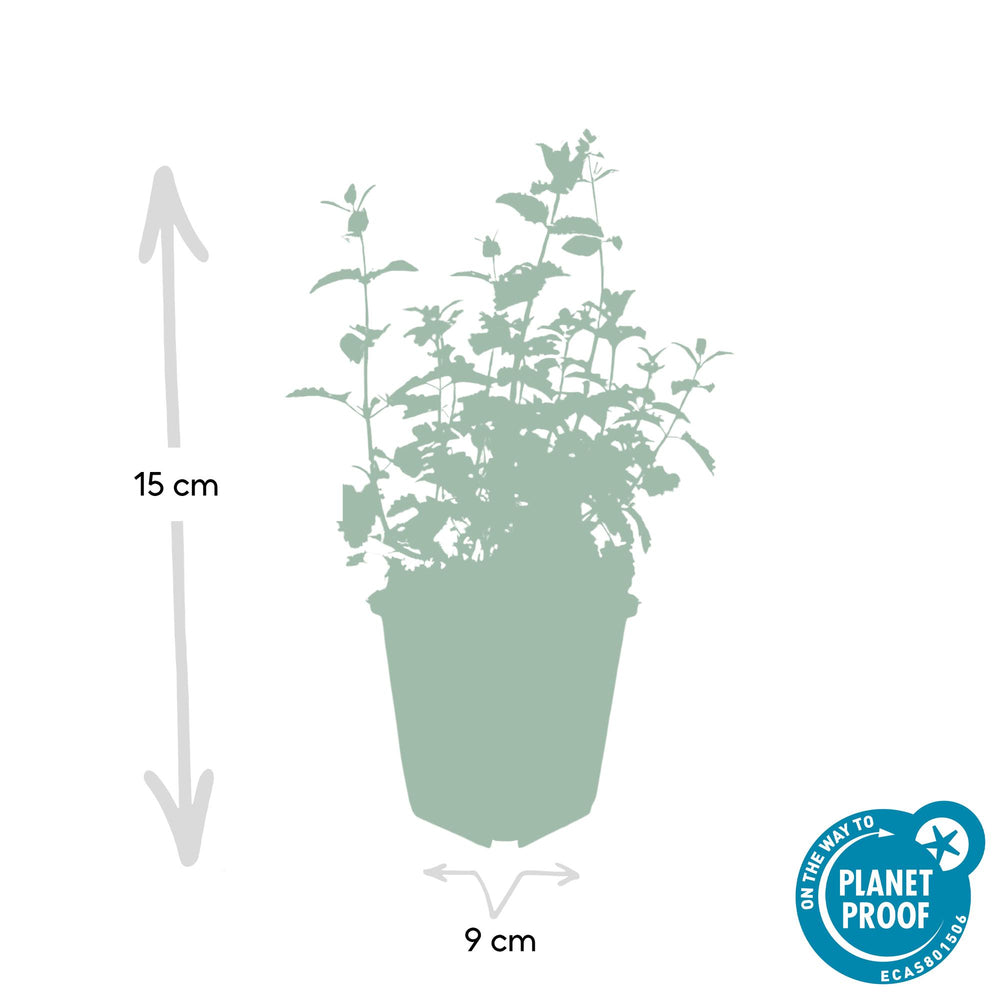
24x Nepeta Six Hills Giant - Lilac-Blue Catmint Plants - 9cm Pots

€88.95
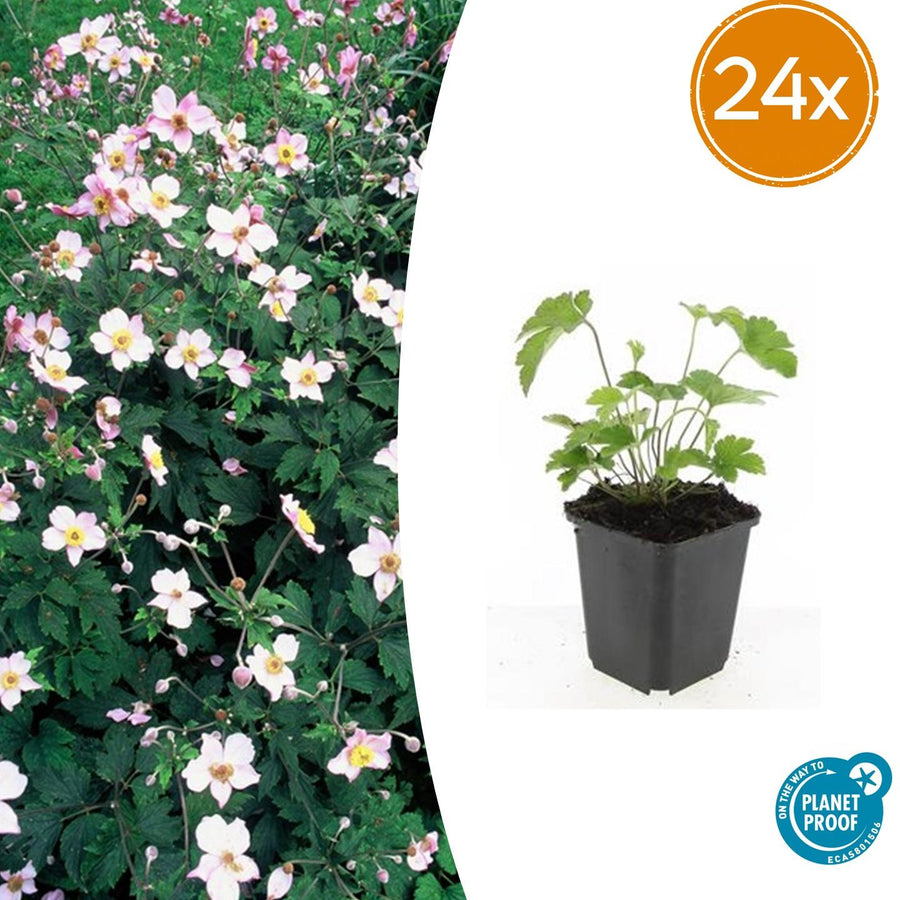
Anemone 'Robustissima' with pink and white flowers and yellow centres in black plastic pot, 24 pack quantity shown
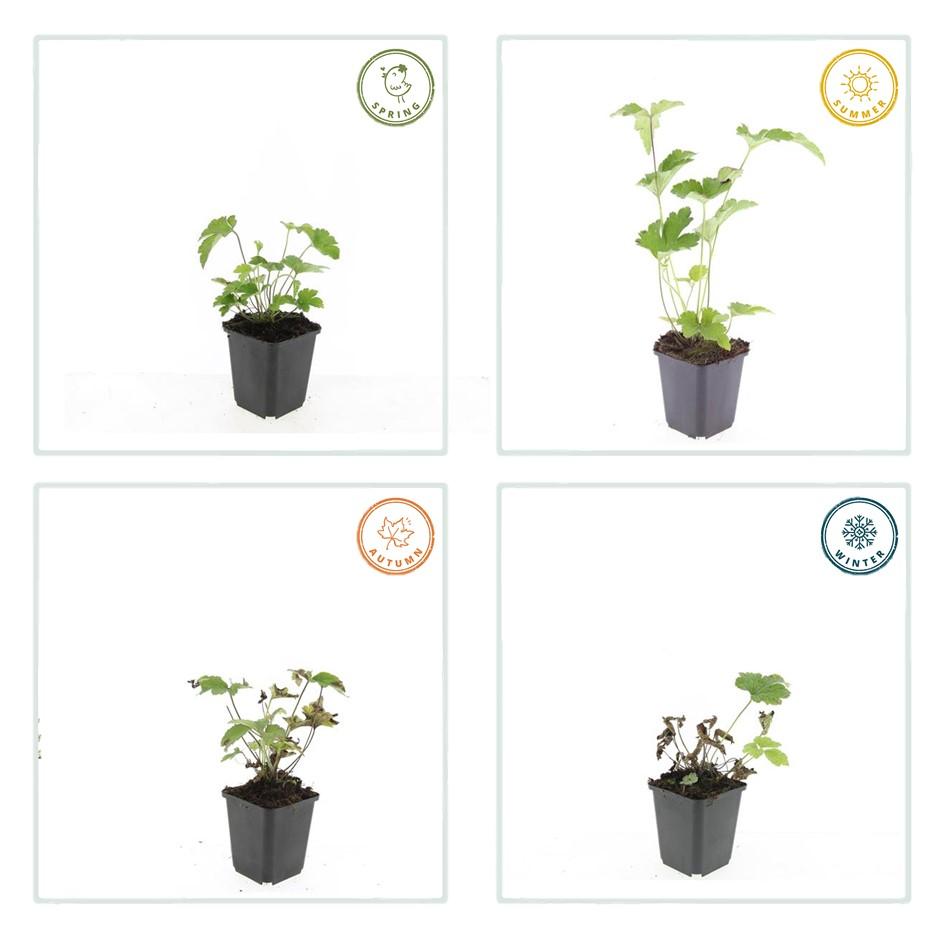
Healthy foliage and strong roots close-up of 24x Anemone 'Robustissima' Purple-Blue Perennial - 10-25cm Ø9cm

24x Anemoon 'Robustissima' Paars-Blauw Vastplant - 10-25cm Ø9cm

€81.95

Best Perennial Plants for Pollinators - Garden Collection

6 producten

Transform your garden into a thriving pollinator haven with our carefully curated collection of the best perennial plants for bees, butterflies, and beneficial insects. These exceptional hardy perennials combine stunning beauty with ecological value, providing essential nectar and pollen sources that support pollinator populations throughout the growing season. Each variety in this collection has been selected for its proven ability to attract and nourish pollinators while offering gardeners the benefits of low-maintenance, long-lived plants that return stronger and more beautiful each year. From the award-winning Geranium Rozanne with its months-long violet-blue display to the fragrant spikes of Agastache Blue Fortune beloved by hummingbirds and bees alike, these plants create a garden that buzzes with life. Whether you're establishing a dedicated pollinator garden, enhancing existing borders, or creating ground cover that works as hard as it looks beautiful, these perennials deliver exceptional performance with minimal care. Discover how easy it is to support declining pollinator populations while enjoying a garden filled with color, movement, and the gentle hum of nature at work.

Key Takeaways

  • Pollinator-friendly perennials provide essential nectar and pollen sources throughout the growing season while returning year after year
  • Blue and purple flowering perennials like Geranium Rozanne, Nepeta, and Agastache are particularly attractive to bees and butterflies
  • Ground cover perennials such as Ajuga and Geranium Biokovo offer low-maintenance pollinator support while suppressing weeds
  • Planting diverse perennials with staggered bloom times ensures continuous food sources for pollinators from spring through fall

What should you look for in pollinator-friendly perennial plants?

When selecting perennial plants for pollinators, prioritize species with open, accessible flower structures that allow bees, butterflies, and other beneficial insects to easily reach nectar and pollen. Look for plants with extended bloom periods or repeat flowering capabilities, as these provide sustained food sources throughout the season. Native or well-adapted perennials are ideal because they've evolved alongside local pollinator populations and require less maintenance. Flower color matters too—pollinators are particularly drawn to blue, purple, pink, and white blooms. Choose plants with varying heights and bloom times to create a diverse pollinator habitat that supports different species from early spring through late fall. Hardy perennials that establish robust root systems will return stronger each year, creating increasingly valuable pollinator resources while requiring minimal intervention once established.

How do you choose the right perennial plants for a pollinator garden?

  • Bloom succession: Select varieties that flower at different times to provide continuous nectar from spring through fall, ensuring pollinators have consistent food sources
  • Growing conditions: Match plants to your garden's light, soil, and moisture conditions—Agastache thrives in full sun with good drainage, while Anemone tolerates partial shade
  • Pollinator preferences: Include diverse flower shapes and sizes to attract various pollinators—tubular flowers for hummingbirds, flat landing platforms for butterflies, and clustered blooms for bees
  • Maintenance level: Choose low-maintenance perennials like Nepeta and Geranium that naturalize easily and don't require deadheading to continue blooming
  • Garden design: Incorporate ground covers like Ajuga for layered planting that maximizes pollinator habitat while creating visual interest at multiple heights

Frequently Asked Questions

What are the best perennials for pollinators?
The best perennials for pollinators combine long bloom periods, accessible flower structures, and high nectar production. Top performers include Geranium Rozanne, which blooms for months with violet-blue flowers that bees adore, and Agastache (Hyssop), whose fragrant spikes attract bees, butterflies, and hummingbirds. Nepeta (Catmint) is exceptional for its continuous lilac-blue blooms that draw numerous bee species. Ajuga provides early-season nectar when food sources are scarce, while Anemone offers late-season blooms crucial for pollinators preparing for winter. Ground cover geraniums like 'Biokovo' create pollinator-friendly carpets that require minimal care. The most effective pollinator gardens include 3-5 different perennial species with overlapping bloom times, ensuring that at least one plant is flowering throughout the growing season. Native perennials are particularly valuable as they've co-evolved with local pollinator populations and often provide superior nutrition compared to exotic species.
What is the 3 year rule for perennials?
The 3-year rule for perennials refers to the common gardening wisdom: 'First year they sleep, second year they creep, third year they leap.' This principle describes the typical establishment pattern of perennial plants. In the first year after planting, perennials focus energy on developing extensive root systems rather than producing abundant foliage or flowers—they're 'sleeping' above ground while working below. During the second year, plants begin spreading modestly and producing more growth, but still aren't at full potential—they 'creep' along. By the third year, with well-established roots, perennials typically reach mature size and produce their most impressive displays—they 'leap' into full glory. This timeline is important for pollinator gardens because it means your plants will become increasingly valuable wildlife resources over time. Patience during establishment pays off with robust, long-lived plants that support larger pollinator populations each successive year. Some vigorous perennials like Geranium Rozanne and Nepeta may bloom well even in their first year, but will still improve significantly by year three.
What plant attracts the most pollinators?
While no single plant attracts all pollinators, certain perennials are exceptional pollinator magnets. Agastache (Anise Hyssop) consistently ranks among the top performers, attracting bees, butterflies, hummingbirds, and beneficial insects with its abundant nectar-rich flower spikes that bloom for months. Its tubular flowers and minty-licorice fragrance make it irresistible to diverse pollinator species. Nepeta (Catmint) is another powerhouse, particularly for bumblebees and honeybees, which visit constantly throughout its extended bloom period. Geranium Rozanne attracts numerous bee species with its violet-blue flowers that produce fresh blooms continuously from June through frost. For butterflies specifically, Anemone varieties provide crucial late-season nectar when other sources decline. The most effective approach is planting multiple pollinator-friendly perennials together—a diverse garden with Agastache, Nepeta, Geranium, and Ajuga will attract far more pollinators than any single species alone. Mass plantings of 3-5 of the same plant also create visual targets that pollinators can spot from greater distances, increasing garden visits.
What are the best perennials to attract butterflies?
The best perennials for attracting butterflies offer abundant nectar, flat or clustered flower structures for landing platforms, and bloom during peak butterfly activity from mid-summer through fall. Agastache is outstanding for butterflies, with its tall flower spikes attracting swallowtails, painted ladies, and fritillaries. Geranium varieties provide accessible, open flowers that butterflies can easily feed from, with 'Rozanne' being particularly attractive to various species. Anemone 'Robustissima' is invaluable for late-season butterfly support, blooming August through October when monarchs and other species are migrating or preparing for winter. Nepeta attracts numerous butterfly species, especially skippers and small blues, which appreciate its clustered flowers. For a complete butterfly garden, include both nectar plants (like these perennials) and host plants where butterflies lay eggs. Create sunny, sheltered areas since butterflies need warmth to fly, and plant in groups of at least three to five of each species—butterflies are more attracted to mass plantings. Avoid pesticides, provide water sources, and allow some areas to remain slightly wild, as many butterfly species need undisturbed spots for chrysalis formation.
When should I plant perennials for pollinators?
The ideal time to plant perennials for pollinators is spring after the last frost date or early fall, giving plants time to establish before extreme weather. Spring planting (April-May in most regions) allows perennials to develop strong root systems throughout the growing season, though they may bloom modestly the first year. Fall planting (September-October) takes advantage of warm soil and cooler air temperatures, reducing transplant stress while allowing root development before winter dormancy. Container-grown perennials like those in 9cm pots can technically be planted throughout the growing season if properly watered, but avoid planting during peak summer heat. For pollinator gardens, spring planting is often preferred because it allows you to see exactly when each plant blooms, helping you identify any gaps in seasonal nectar availability. Plant on overcast days or in evening to minimize transplant shock, water thoroughly, and apply mulch to retain moisture and suppress weeds. Even if planted late in the season, these hardy perennials will establish and begin supporting pollinator populations, with their value increasing significantly each subsequent year as plants mature.

Sources

  • 10 Perennials for a Pollinator Garden — www.gardendesign.com
  • Perennials for Pollinators — thistlebetheday.com
  • Gardening in Klamath Falls Oregon | Wanting to start some flower rows at our house for pollinators by our garden | Facebook — www.facebook.com
  • Bee-Friendly Perennials | Essential Plants for Pollinators — www.americanmeadows.com
  • How to pick cultivars for pollinators — sites.tufts.edu
Recent bekeken