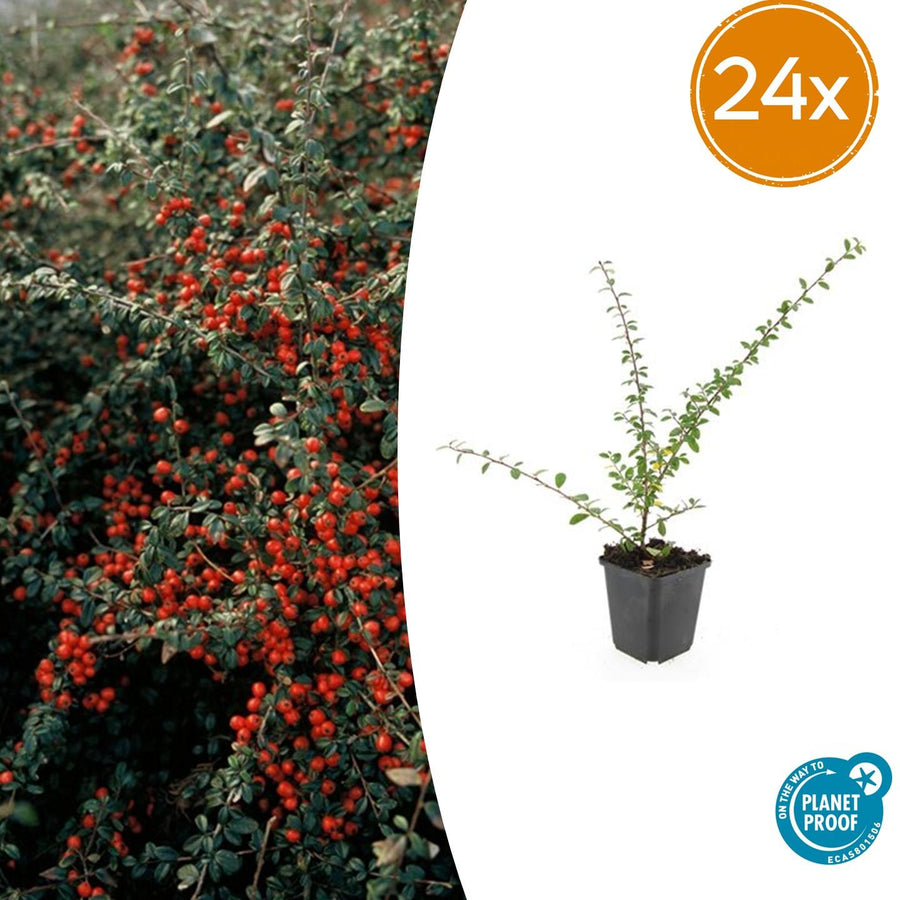
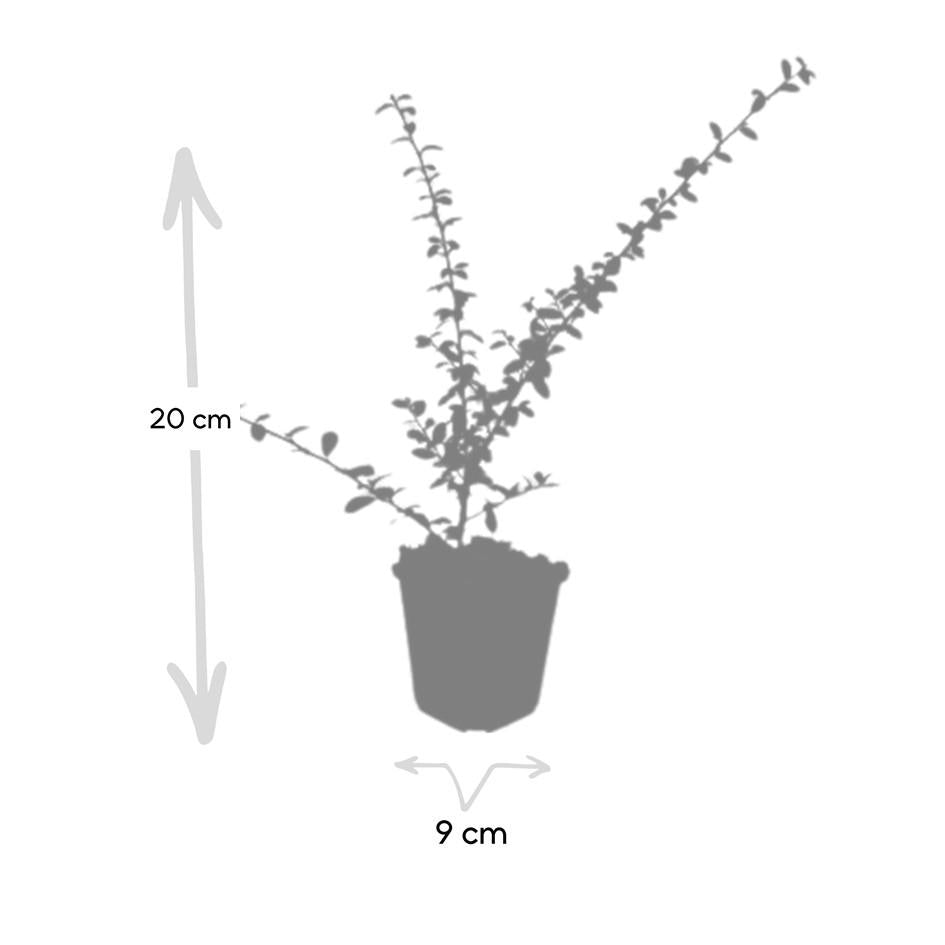
Maak van lastige hellingen en taluds prachtige, onderhoudsarme landschappen met onze zorgvuldig geselecteerde collectie bodembedekkers. Steile hellingen brengen unieke uitdagingen met zich mee: ze zijn moeilijk te maaien, gevoelig voor erosie en houden vaak slecht water vast. Maar met de juiste bodembedekkers worden deze probleemplekken juist een troef in je tuin. Onze collectie bevat beproefde soorten die krachtige groei combineren met uitgebreide wortelstelsels, zodat de grond van nature wordt vastgehouden en erosie wordt tegengegaan. Van de spectaculaire violetblauwe bloemen van Geranium Rozanne, die maandenlang bloeit, tot de wintergroene betrouwbaarheid van Liriope Big Blue en de overhangende schoonheid van Cotoneaster 'Coral Beauty': elke soort is gekozen vanwege zijn vermogen om op hellingen te gedijen en na het aanslaan minimaal onderhoud te vragen. Of je nu een zonnig talud wilt bedekken, een beschaduwde helling wilt vastleggen of een kleurrijk alternatief zoekt voor moeilijk te onderhouden gras: deze winterharde bodembedekkers slaan snel aan, breiden zich betrouwbaar uit en leveren jaar na jaar moeiteloze schoonheid. Onze collectie is verkrijgbaar in handige pakketten met meerdere planten, zodat je de hoeveelheid hebt voor een volledige bedekking en een prima prijs-kwaliteitverhouding voor grotere hellingprojecten.
Belangrijkste punten
- Bodembedekkers met diepe wortelstelsels voorkomen effectief grondafspoeling op hellingen en zorgen voor mooie, onderhoudsarme landschappen
- Wintergroene soorten zoals Liriope en Cotoneaster geven het hele jaar bedekking en stabiliteit op steile hellingen
- Winterharde geraniums en Ajuga breiden snel uit tot dichte matten die onkruid onderdrukken en het onderhoud verminderen
- Met droogtetolerante planten die geschikt zijn voor hellingen hoef je niet meer lastig op een helling te maaien en heb je minder water nodig
Waar let je op bij bodembedekkers voor hellingen?
Kies voor hellingen bij voorkeur soorten met uitgebreide, vezelige wortelstelsels die de grond vastzetten en erosie voorkomen. De ideale bodembedekker voor een helling breidt zich horizontaal uit tot dichte matten die onkruid onderdrukken en snel aanslaan om de helling te stabiliseren. Zoek winterharde, droogtetolerante soorten die in jouw klimaat goed groeien zonder voortdurende bewatering, want water geven op een helling is lastig. Wintergroene soorten beschermen de grond het hele jaar en zijn altijd mooi om te zien, terwijl bladverliezende soorten vaak seizoensgebonden kleurwisselingen bieden. Kijk naar de zonligging, de grondsoort en de afwatering van de helling: de meeste hellingen draineren snel en zijn vaak droger. Planten moeten laag blijven (meestal onder 30 cm) voor een verzorgd uiterlijk zonder vaak snoeien, en krachtig genoeg zijn om onkruid te overgroeien zodra ze zijn aangeslagen. Inheemse of goed aangepaste soorten vragen doorgaans minder onderhoud en hebben minder last van plaatselijke plagen en ziekten.
Hoe kies je de juiste bodembedekker tegen erosie op een helling?
- Bekijk de steilte en zonligging van de helling: steile hellingen (meer dan 30 graden) vragen om planten met bijzonder krachtige wortelstelsels zoals Cotoneaster of Ajuga, terwijl je bij mildere hellingen meer keuze hebt
- Stem de winterhardheid af op jouw klimaatzone en houd rekening met factoren als windbelasting en vorstkuilen, die vaak spelen bij beplanting op hellingen
- Kijk naar de aanslagsnelheid en uitbreiding: snelgroeiende soorten als Geranium Rozanne bieden sneller erosiebescherming, maar moeten soms af en toe worden bijgehouden om ongewenste uitbreiding te voorkomen
- Denk aan de bereikbaarheid en jouw zorgcapaciteit op lange termijn: hellingen zijn lastig te betreden, dus kies echt onderhoudsarme planten die niet vaak hoeven te worden uitgeknipt, gesnoeid of gedeeld
- Plan de zichtbare aantrekkingskracht per seizoen: combineer wintergroene structuurplanten zoals Liriope met bloeiende soorten zoals Geranium voor het hele jaar interesse en een doorlopende bodembedekking
Veelgestelde vragen
Wat is de beste bodembedekker voor een steile helling?
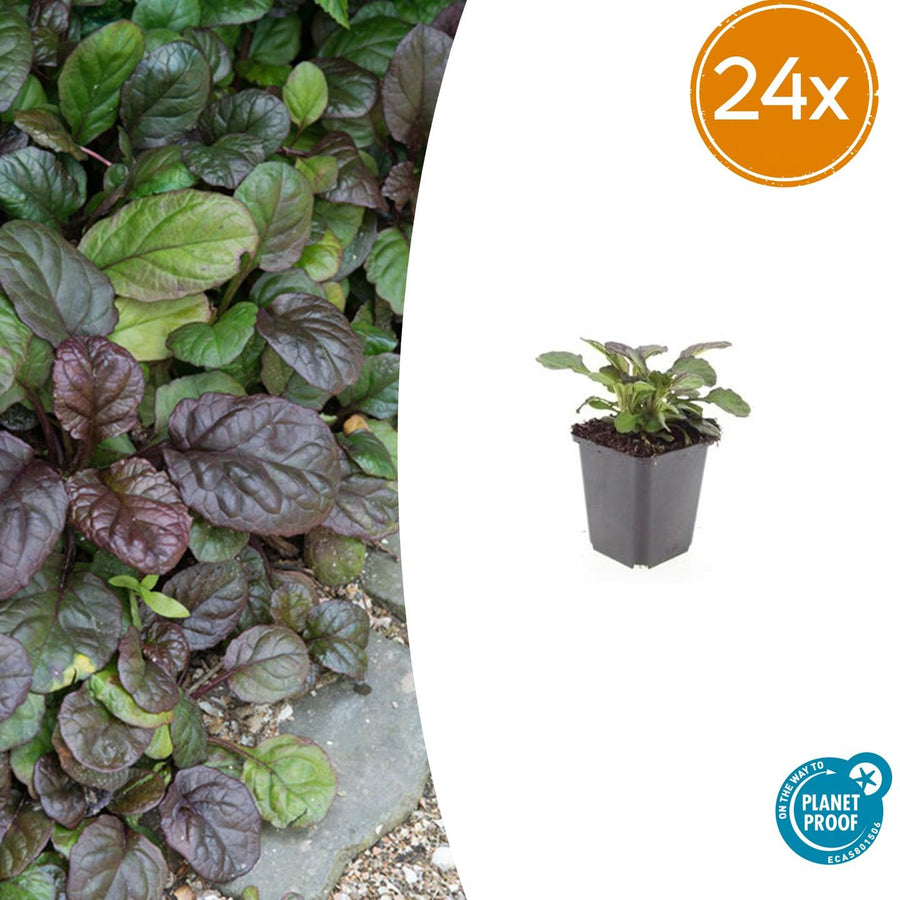
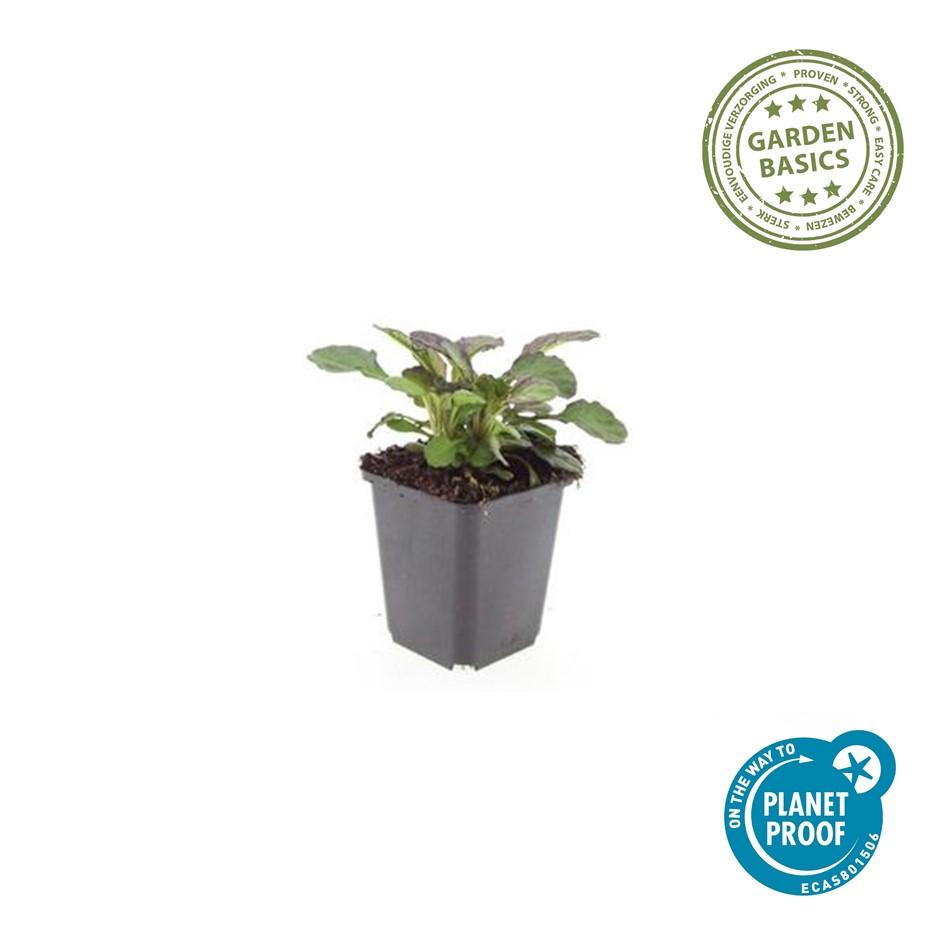
De beste bodembedekkers voor steile hellingen zijn krachtige, mattenvormende planten met uitgebreide wortelstelsels die de grond goed vasthouden. Cotoneaster 'Coral Beauty' is uitstekend voor steile hellingen, met afhangende takken die over de helling stromen en diepe wortels die erosie tegengaan. Ajuga Catlin's Giant breidt zich snel uit via uitlopers en vormt een dicht tapijt dat de grond binnen één groeiseizoen stabiliseert. Als bloeiende optie combineren geraniums als Rozanne en Czakor mooie bloemen met stevige wortelnetwerken. Liriope Big Blue heeft wintergroen blad en na het aanslaan uitzonderlijke droogtetolerantie. De ideale keuze hangt af van jouw omstandigheden: Cotoneaster doet het uitstekend in volle zon, Ajuga verdraagt halfschaduw en geraniums passen zich aan verschillende standplaatsen aan. Plant voor maximale erosiebestrijding op zeer steile hellingen verspringend met een plantafstand van 20-30 cm, zodat de planten bij het volwassen worden in elkaar grijpen en een ondoordringbaar wortelweb vormen dat de grond zelfs bij zware regen vasthoudt.
Wat is de beste onderhoudsarme beplanting voor een helling?
De beste onderhoudsarme beplanting voor een helling combineert winterharde bodembedekkers die na het aanslaan weinig zorg nodig hebben. Werk gelaagd: gebruik wintergroene structuurplanten als Liriope Big Blue als basis; die vragen vrijwel geen onderhoud, behalve eventueel een snoeibeurt in het vroege voorjaar. Vul aan met zelfvoorzienende bloeiende vaste planten zoals Geranium Rozanne, die maandenlang bloeit zonder dat je verwelkte bloemen hoeft te verwijderen en van nature onkruid onderdrukt. Cotoneaster 'Coral Beauty' biedt het hele jaar sierwaarde met voorjaarsbloemen, mooi blad en herfstbessen, en hoeft niet te worden gesnoeid. Leg tijdens het aanslaan worteldoek of mulch aan om in het begin minder te hoeven wieden, en laat de bodembedekkers daarna zelf de ruimte vullen voor een zelfvoorzienend geheel. Kies droogtetolerante soorten, zodat je na het eerste seizoen niet meer hoeft te sproeien. Vermijd onderhoudsintensieve grasvelden op hellingen: maaien is daar gevaarlijk en ze vragen regelmatig water. Plant bodembedekkers liever in groepen van 20-24 planten voor snelle bedekking en visueel effect. Zo verander je lastige hellingen in aantrekkelijke, stabiele landschappen die zichzelf redden en tegelijk erosie van nature tegengaan.
Welk type bodembedekker remt grondafspoeling het best?
Bodembedekkers met vezelige, mattenvormende wortelstelsels remmen grondafspoeling op hellingen het best. Ajuga Catlin's Giant hoort tot de beste planten tegen erosie: ze vormt een dicht netwerk van ondiepe wortels dat de bovengrond bindt, terwijl haar snelle uitbreiding kale grond die kwetsbaar is voor afspoeling snel bedekt. Cotoneaster-soorten ontwikkelen zowel diepe verankeringswortels als horizontale oppervlaktewortels die samen een meerlaagse grondstabilisatie vormen. Hun wintergroene blad vangt bovendien regenwater op, waardoor de inslag op de grond afneemt. Bodembedekkende geraniums als Biokovo en Czakor vormen dikke matten van verweven stengels en wortels die de waterstroom vertragen en sediment vasthouden. De grasachtige wortelstructuur van Liriope dringt diep door, terwijl de pollenvormende groei talloze afzonderlijke verankeringspunten oplevert. De effectiefste aanpak combineert meerdere soorten: plant snel uitbreidende soorten als Ajuga voor een snelle oppervlaktebedekking, samen met diepwortelende structuurplanten als Cotoneaster voor stabiliteit op lange termijn. Dichte beplanting (planten op 20-30 cm van elkaar) slaat sneller aan en geeft betere bescherming tegen erosie dan een ijle bedekking. Binnen 12-18 maanden vormen goed geplante bodembedekkers een levend erosiebestrijdingssysteem dat effectiever en mooier is dan traditionele methoden zoals stortsteen of erosiematten.
Wat plant je op een helling in plaats van gras?
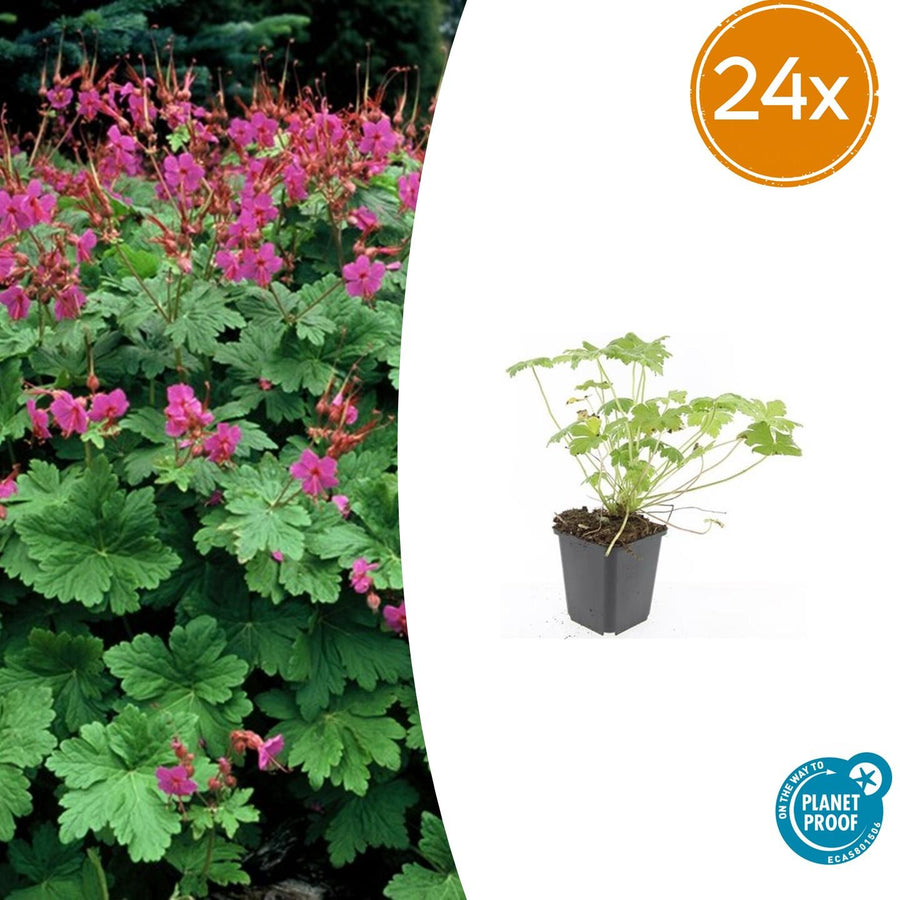
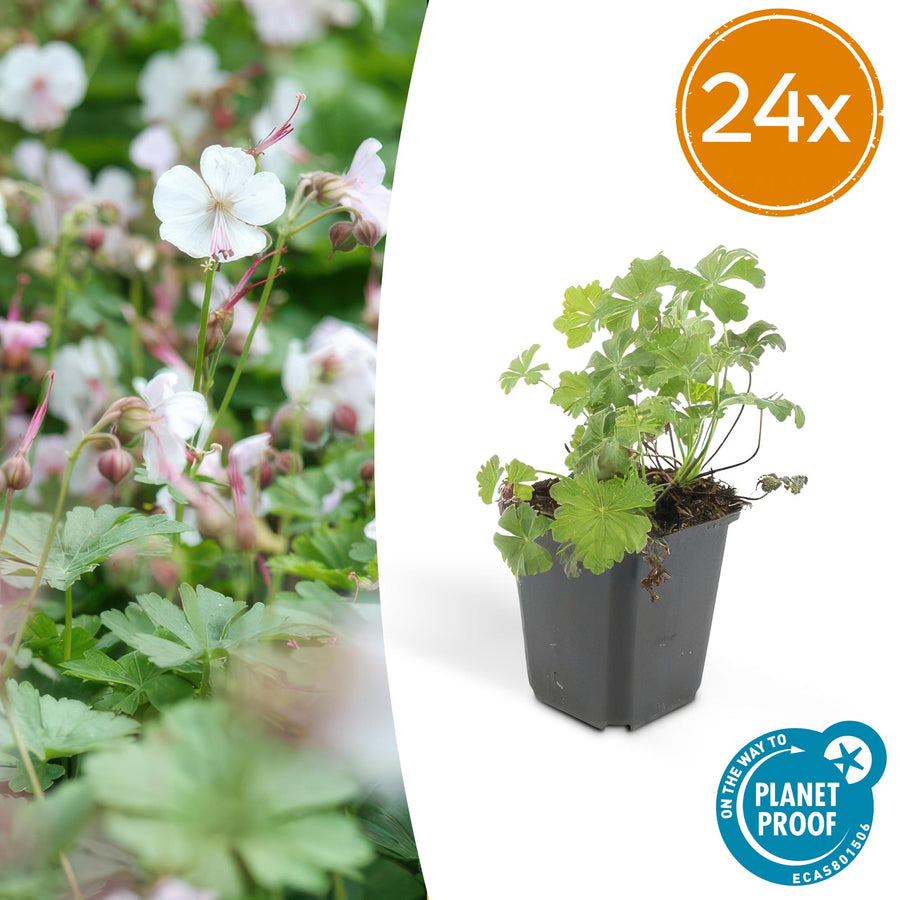
Plant in plaats van moeilijk te onderhouden gras op hellingen laagblijvende, bodembedekkende vaste planten die betere erosiebescherming bieden, geen maaiwerk vragen en meer sierwaarde hebben. Bloeiende bodembedekkers als Geranium Rozanne, Biokovo en Czakor zorgen van lente tot herfst voor kleurrijke helling, en door hun uitlopende groeiwijze blijft er geen kale grond over. Voor wintergroene bedekking het hele jaar levert Liriope Big Blue mooi grasachtig blad en paarse bloemaren zonder dat je hoeft te maaien. Cotoneaster 'Coral Beauty' biedt sierwaarde in meerdere seizoenen met voorjaarsbloei, glanzend blad en rode bessen, en zijn overhangende groeiwijze past perfect bij beplanting op hellingen. Ajuga Catlin's Giant zorgt voor snelle bedekking met bronspaars blad en blauwe bloemaren. Creëer een natuurlijk weide-effect door meerdere soorten te combineren in ruime vlakken, of ontwerp formele patronen met één soort voor een uniform beeld. Andere alternatieven voor gras op hellingen zijn siergrassen zoals dwergpluimgras, kruipende kruiden als tijm voor zonnige hellingen of inheemse wilde bloemenmengsels die bestuivers ondersteunen. Overweeg voor zeer steile of moeilijk bereikbare hellingen onderhoudsarme struiken zoals jeneverbes of kruipende rozemarijn. Al deze alternatieven maken een einde aan gevaarlijk maaien op hellingen, verminderen het watergebruik en veranderen lastige hellingen in een mooi onderdeel van je tuin.
Hoeveel bodembedekkers heb ik nodig voor mijn helling?
Het aantal bodembedekkers dat je nodig hebt hangt af van de grootte van je helling, de uitbreidingssnelheid van de soort en hoe snel je volledige bedekking wilt. Als algemene regel plant je op 20-30 cm van elkaar voor hellingen die erosiebestrijding nodig hebben: een kleinere afstand geeft snellere bedekking en betere grondstabilisatie. Voor een helling van 10 m² heb je ongeveer 100-150 planten nodig bij 30 cm afstand, of 200-250 planten bij 20 cm. Snel uitbreidende soorten zoals Ajuga en Geranium kun je op ruimere afstanden (30-40 cm) planten en vullen de ruimte binnen een tot twee groeiseizoenen, terwijl langzamer groeiende planten zoals Liriope baat hebben bij een kleinere afstand (20-25 cm). Onze collectiepakketten van 20-24 planten zijn bedoeld voor ongeveer 2-3 m², afhankelijk van de plantafstand. Bereken bij grote hellingen je oppervlakte in m² en deel die door de gewenste plantafstand: bij 25 cm afstand heb je ongeveer 16 planten per m² nodig. Overweeg 10-15% extra planten te bestellen voor oneffenheden in de helling, uitval en de mogelijkheid om in erosiegevoelige zones dichter te planten. Plant verspringend in een driehoekspatroon in plaats van in rijen voor betere bedekking en een natuurlijker uiterlijk. De meeste bodembedekkers koloniseren hun ruimte volledig binnen 2-3 jaar en vormen zo een naadloos, onderhoudsarm hellinglandschap.
Bronnen
- Creative Hillside Landscaping Solutions: 12 Best Groundcover Plant Options for Sloped Yards & Hills — www.kglandscape.com
- 23 Fast Growing Ground Covers For Slopes - Epic Gardening — www.epicgardening.com
- Great Groundcovers for North Texas — shadesofgreeninc.com
- Robot Challenge Screen — blog.greatgardenplants.com
- Buy The Best Groundcover Plants for Erosion Control On Hills, Slopes, and Embankments from Wilson Bros Gardens — www.wilsonbrosgardens.com