


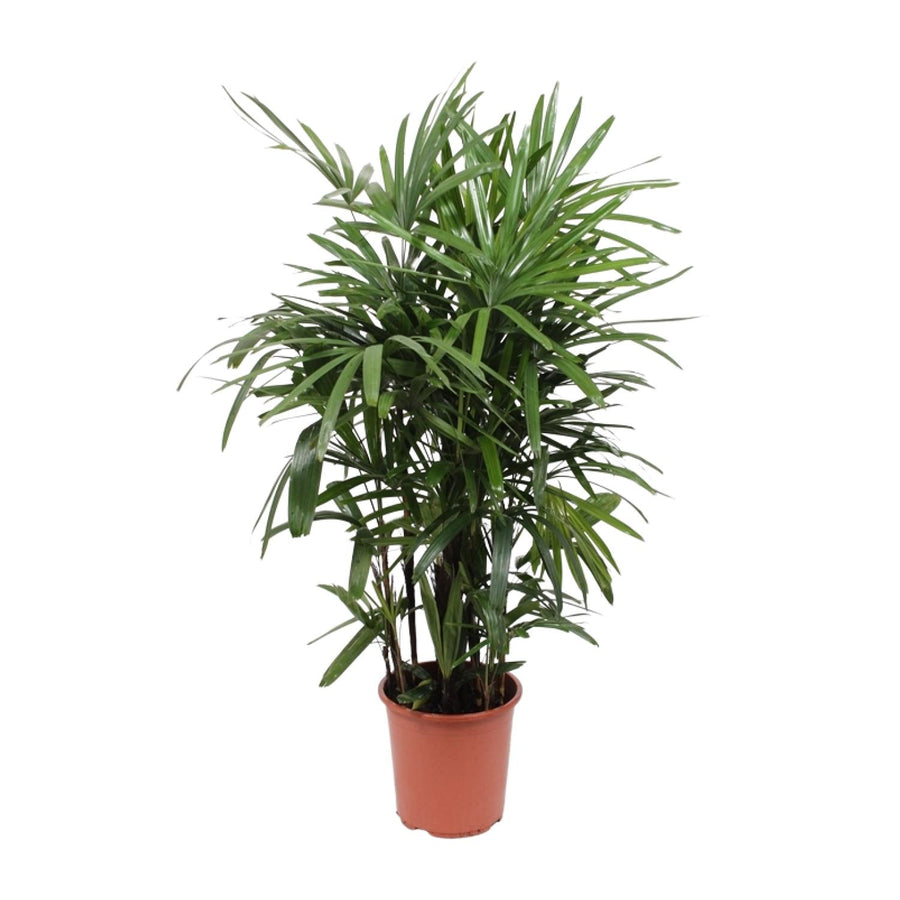
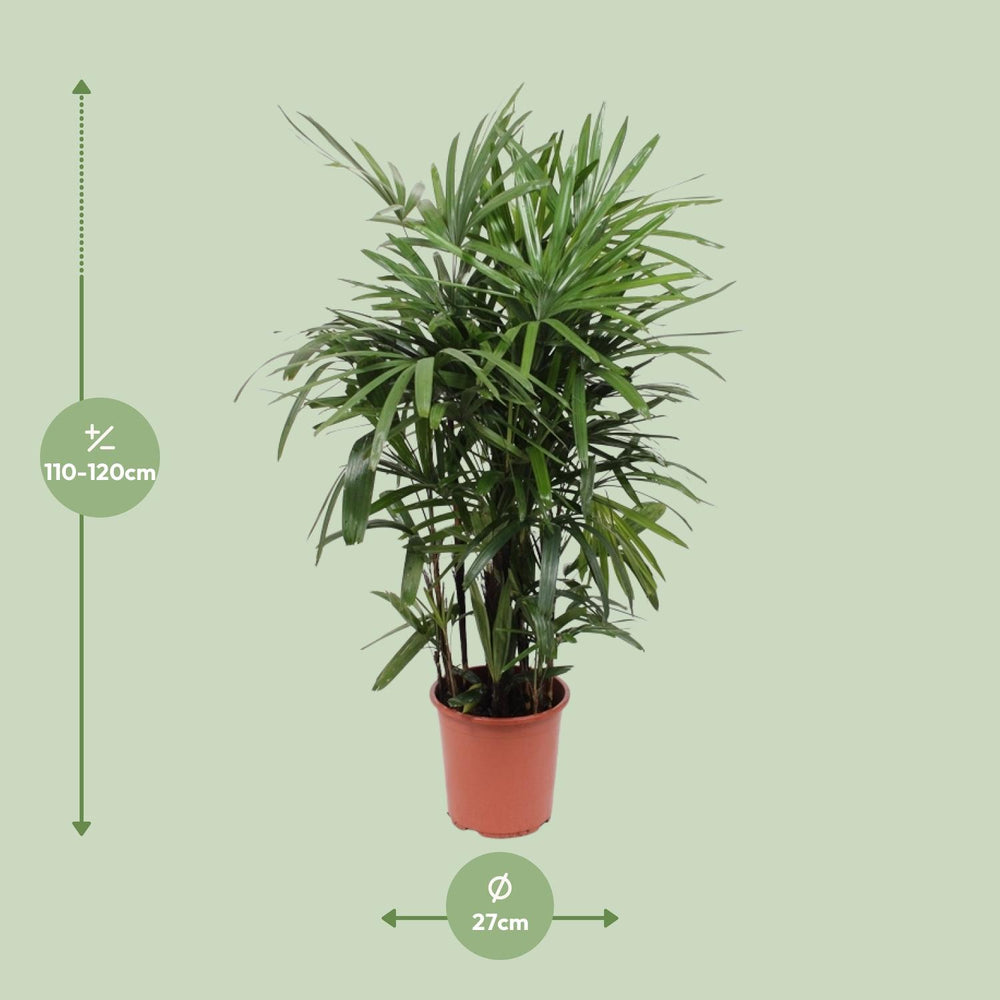


Palmiers — Palmiers d'intérieur & d'extérieur
10 items
Les meilleurs palmiers pour les maisons et les jardins européens sont le Kentia (Howea forsteriana), l'Areca (Dypsis lutescens), le palmier de salon (Chamaedorea elegans) et le palmier de Chine (Trachycarpus fortunei) — des espèces qui allient élégance architecturale et culture d'intérieur vraiment facile. Parcourez notre collection de palmiers, livrée en Irlande et dans 24 autres pays de l'UE.
Palmiers d'intérieur : lequel choisir ?
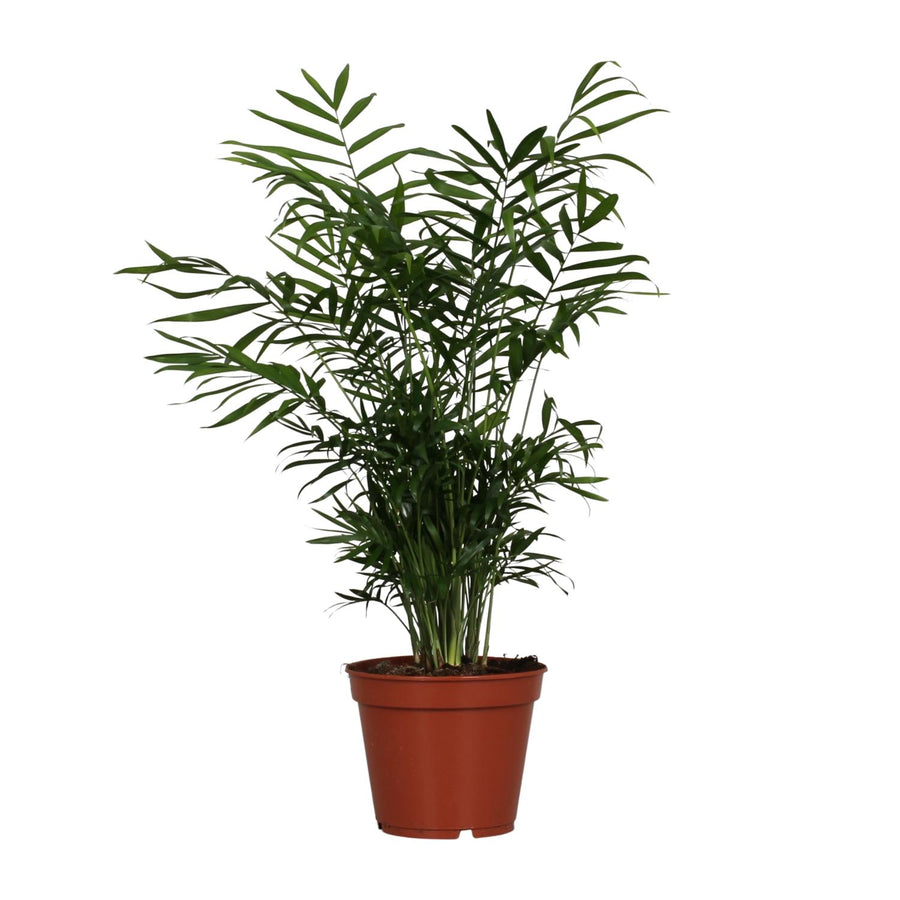
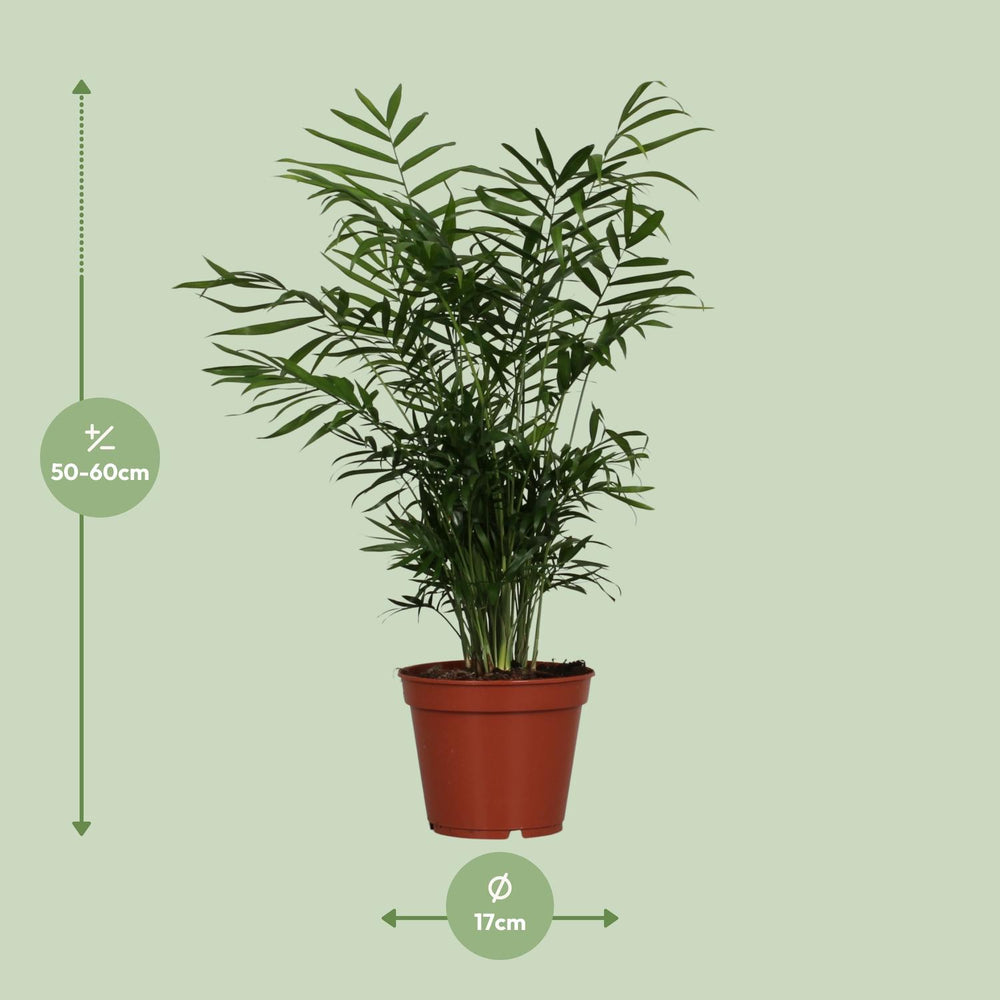
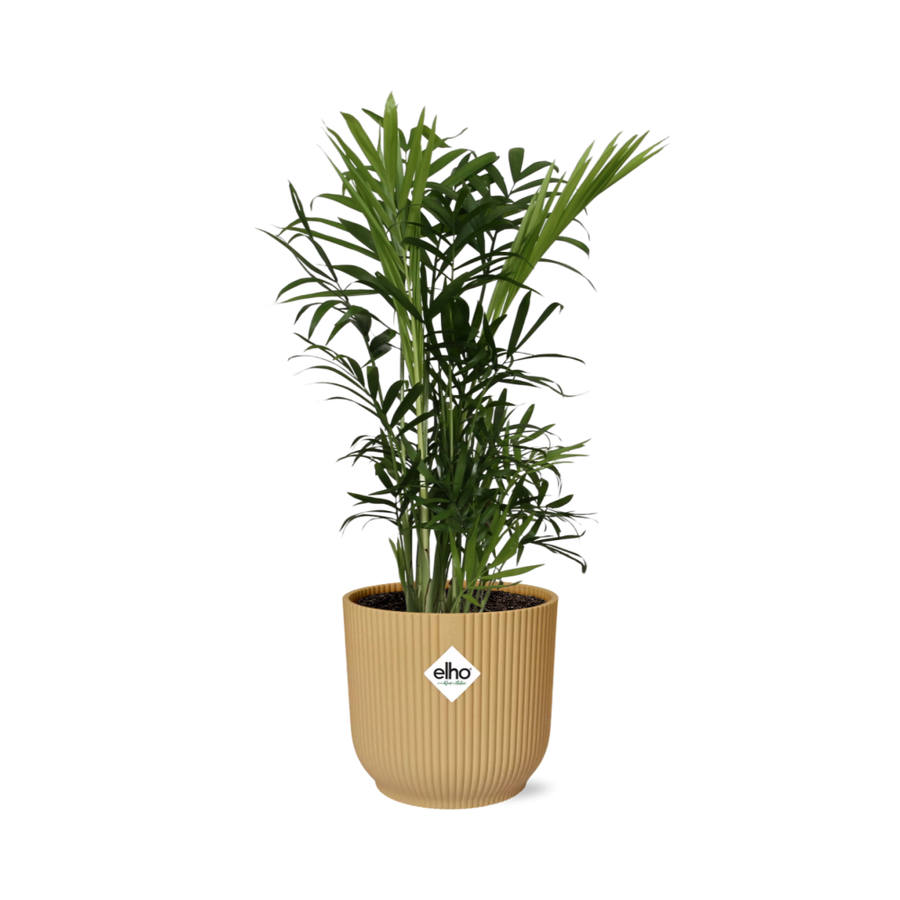
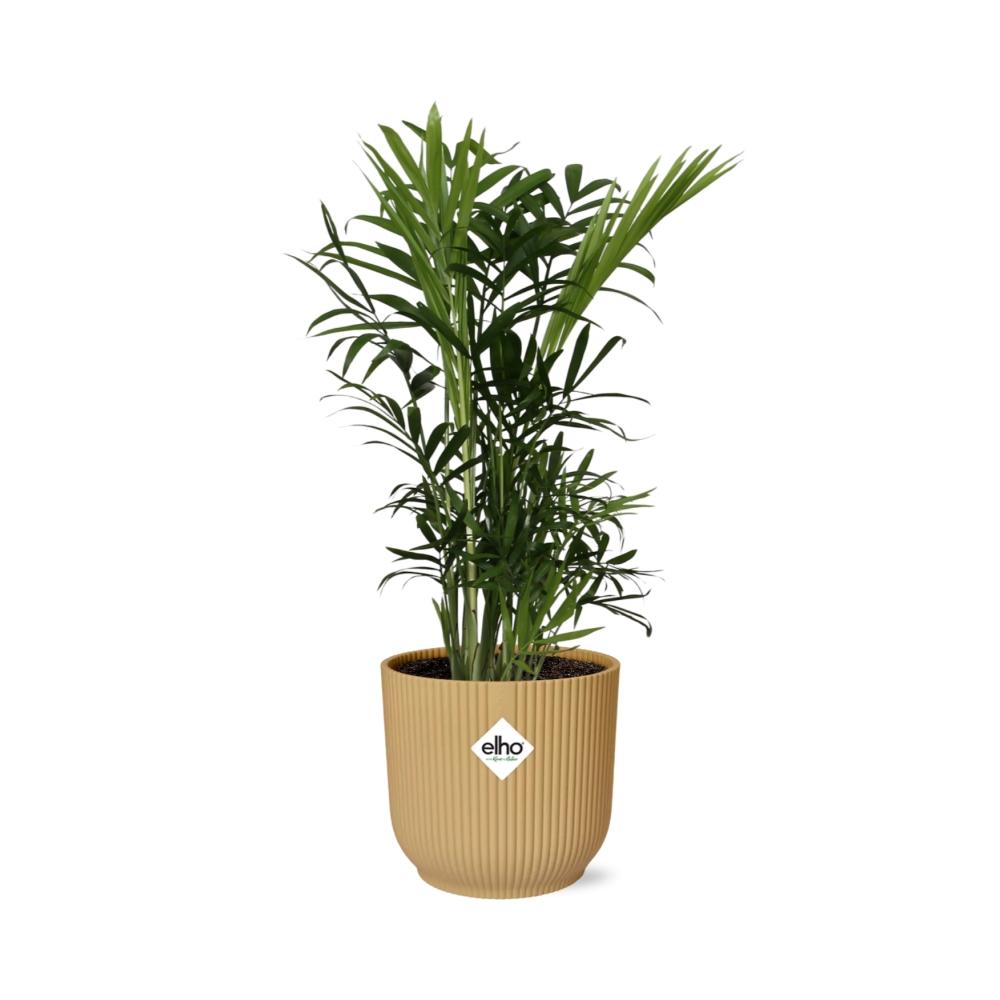
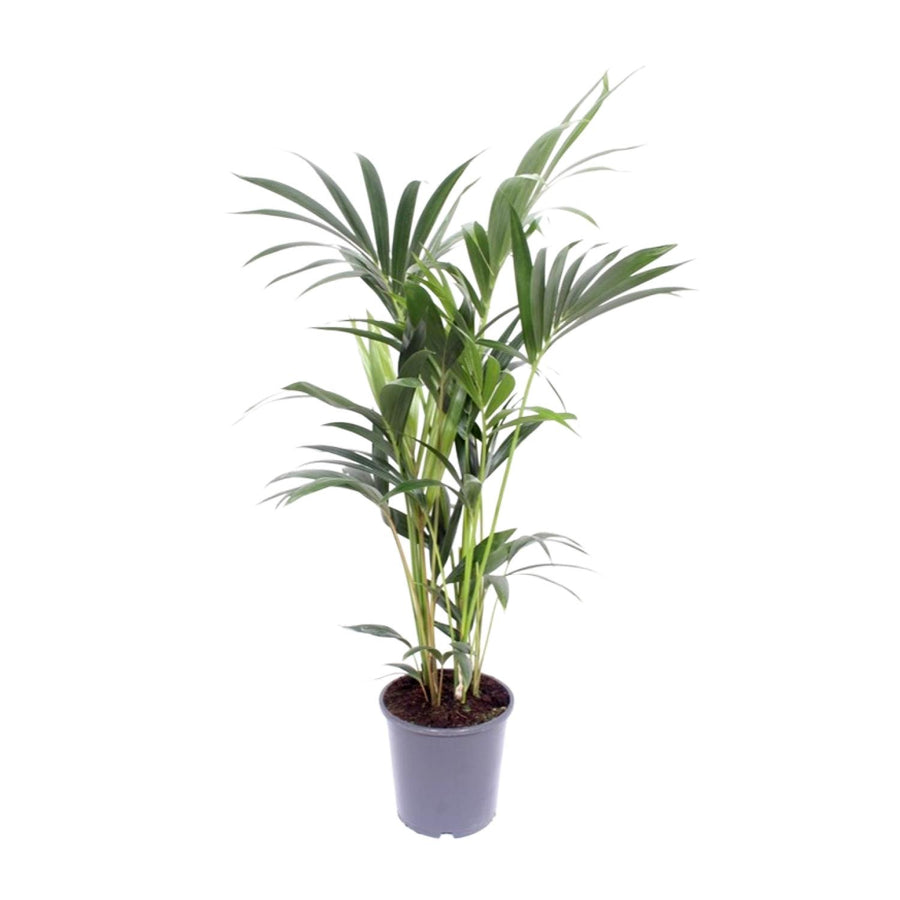
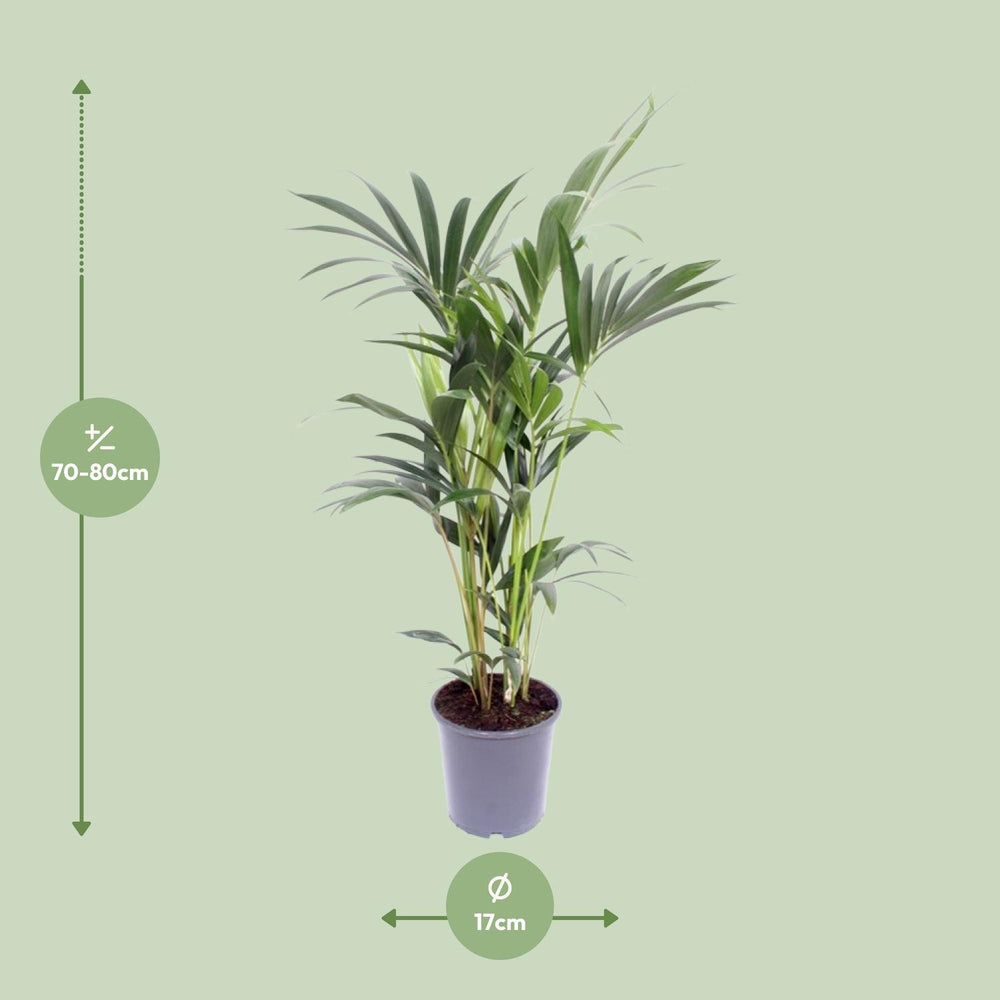
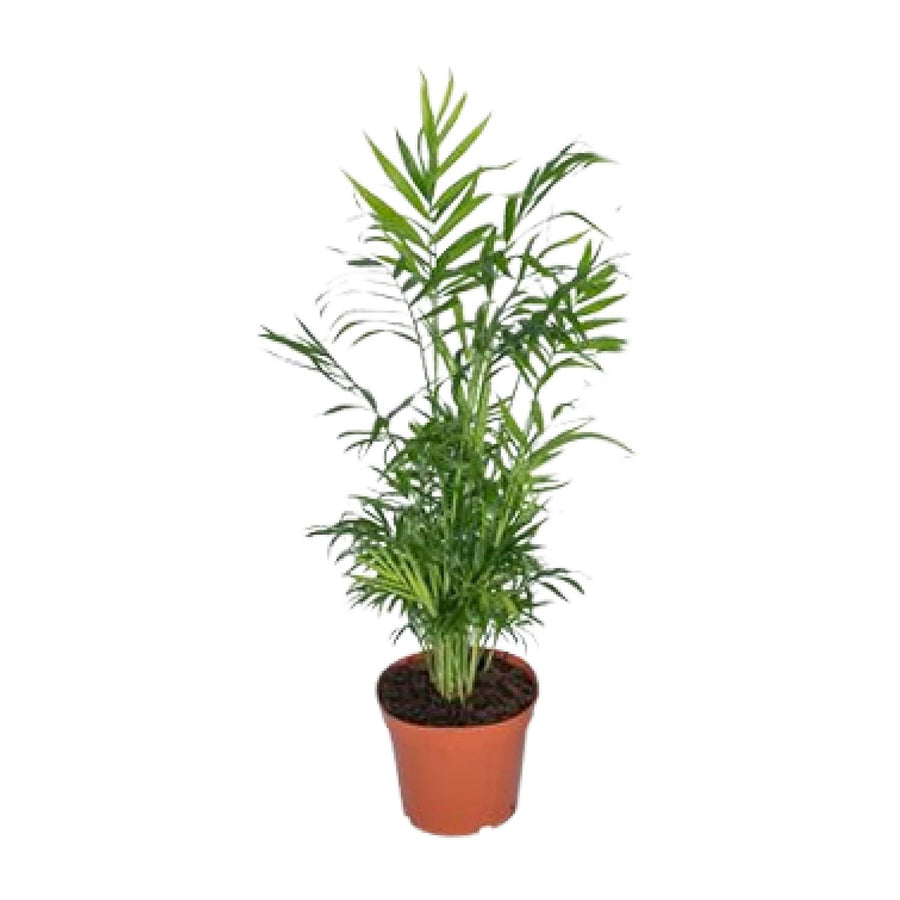
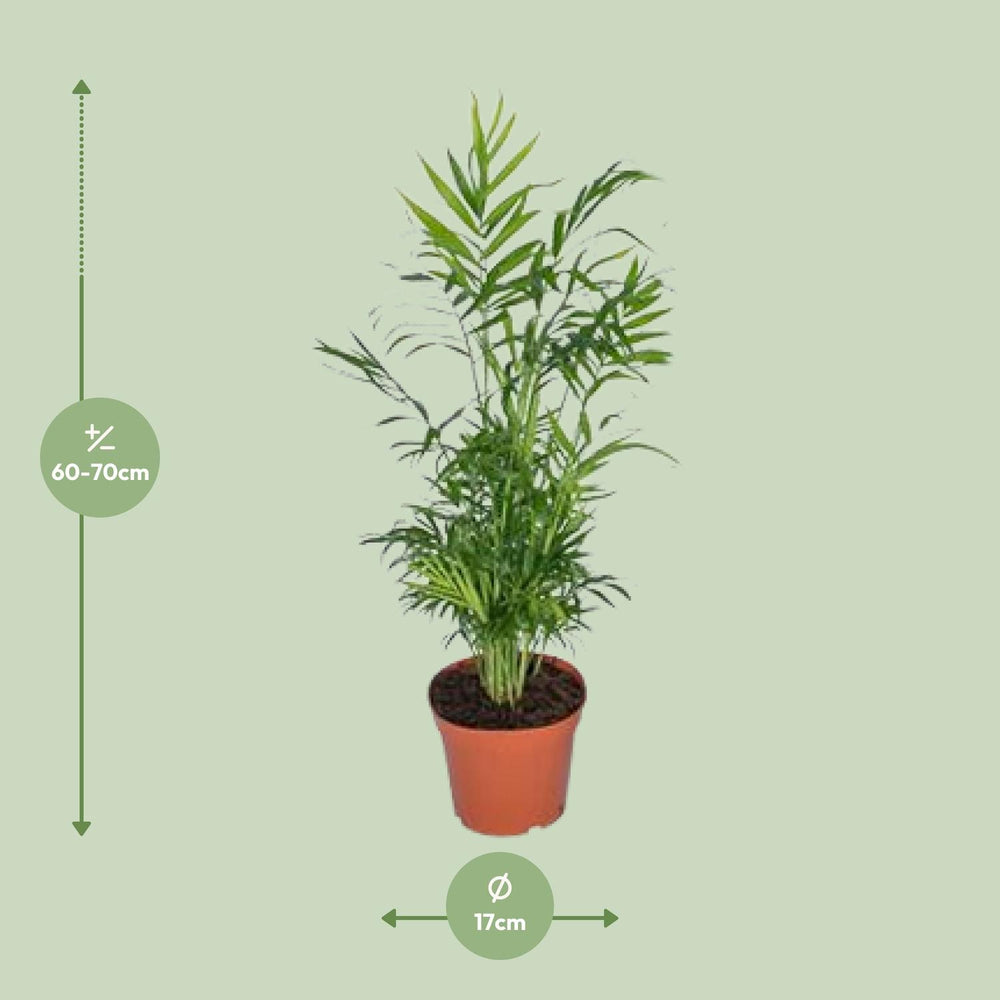
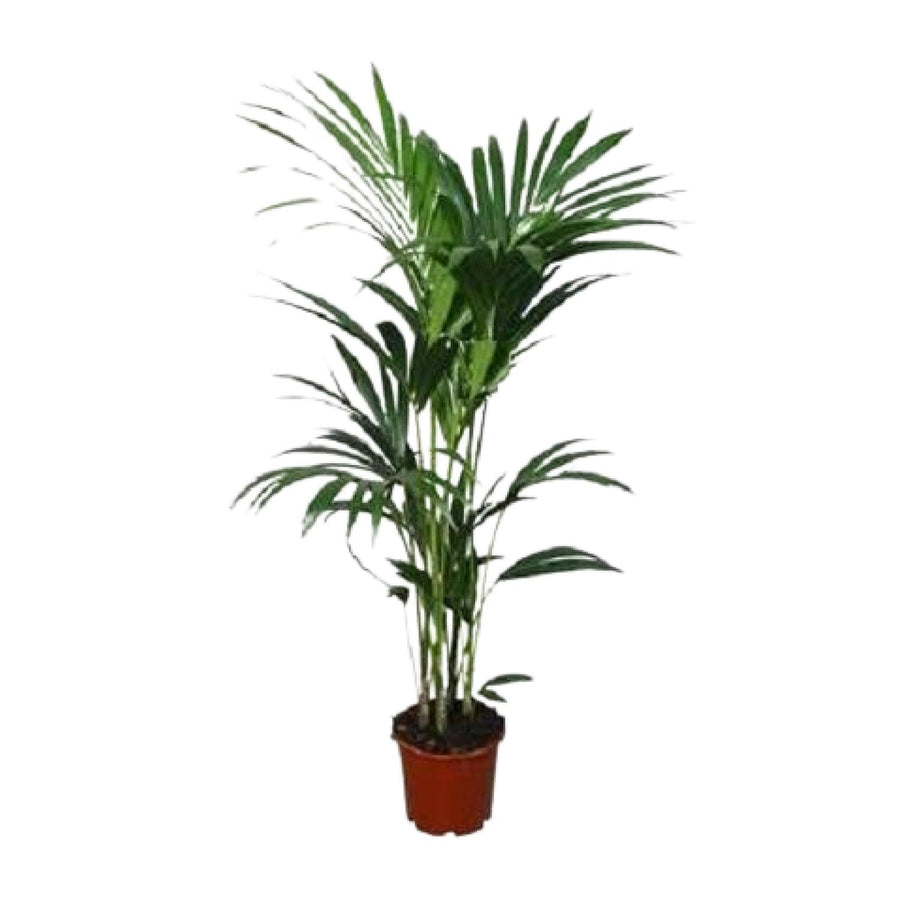
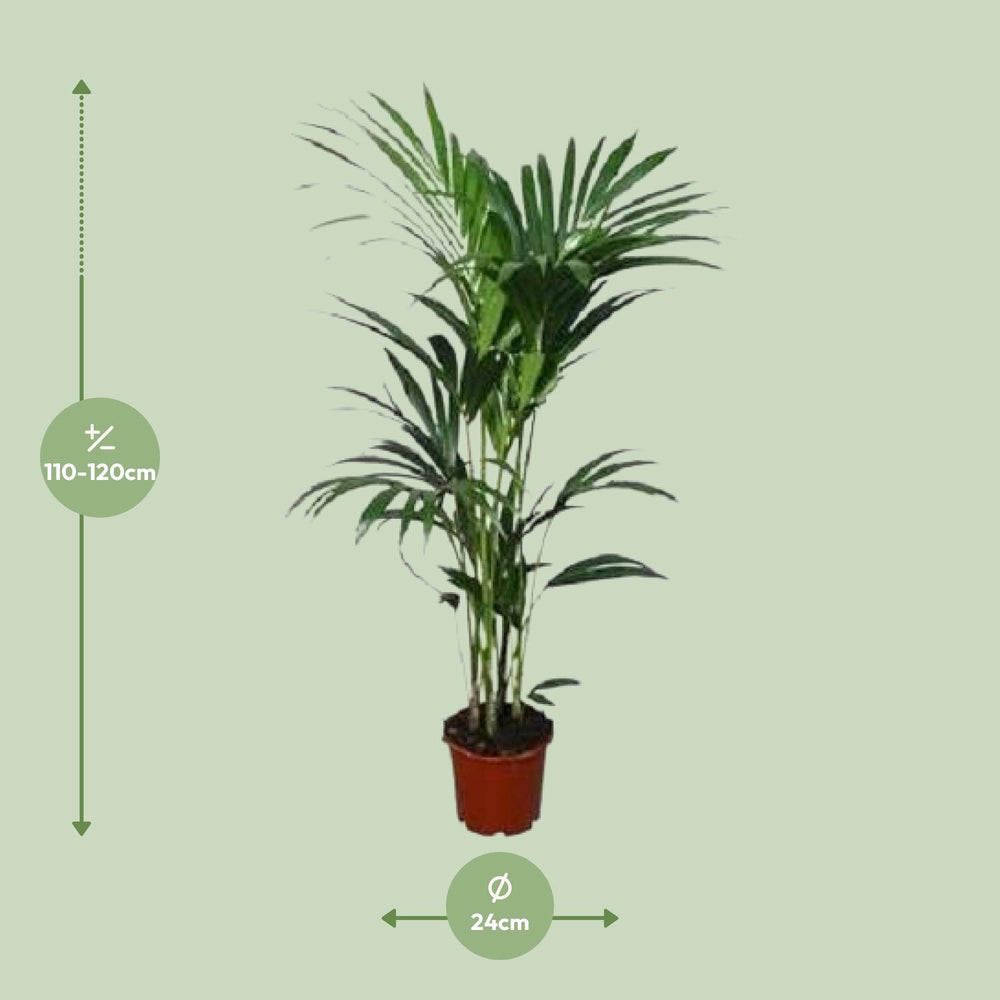
Le Kentia (Howea forsteriana) reste la référence absolue en intérieur : croissance lente, tolérance à la faible lumière et aux arrosages irréguliers, quasi indestructible une fois installé. L'Areca (Dypsis lutescens) est l'une des plantes les plus connues de notre catégorie Plantes pour un air pur ; il pousse plus vite, mais réclame davantage de lumière et une humidité constante. Le palmier de salon (Chamaedorea elegans) est le plus compact — idéal sur un bureau, une étagère ou dans un petit espace — et se plaît à l'ombre.
Palmiers rustiques pour les jardins européens
- Palmier de Chine (Trachycarpus fortunei) — le palmier le plus rustique disponible pour les jardins européens ; résiste à -15 °C ; atteint 5 à 10 m ; parfaitement acclimaté au Royaume-Uni, en France et en Allemagne
- Palmier nain (Chamaerops humilis) — originaire du bassin méditerranéen ; port buissonnant à plusieurs troncs ; rustique jusqu'à -10 °C ; idéal en bac sur une terrasse abritée
- Palmier aiguille (Rhapidophyllum hystrix) — le palmier le plus résistant au froid au monde ; supporte -20 °C ; croissance lente ; convient à la plupart des climats européens
L'essentiel de l'entretien des palmiers
Les palmiers d'intérieur préfèrent une lumière vive et indirecte, un bon drainage et des arrosages réguliers mais mesurés — l'erreur la plus courante reste l'excès d'eau, qui provoque la pourriture des racines et le jaunissement des palmes. Apportez chaque mois, d'avril à septembre, un engrais spécial palmier (riche en potassium, pauvre en azote). En extérieur, un paillis au pied protège les racines l'hiver et conserve la fraîcheur l'été.
À découvrir aussi : Plantes tropicales · Plantes d'intérieur · Plantes d'extérieur