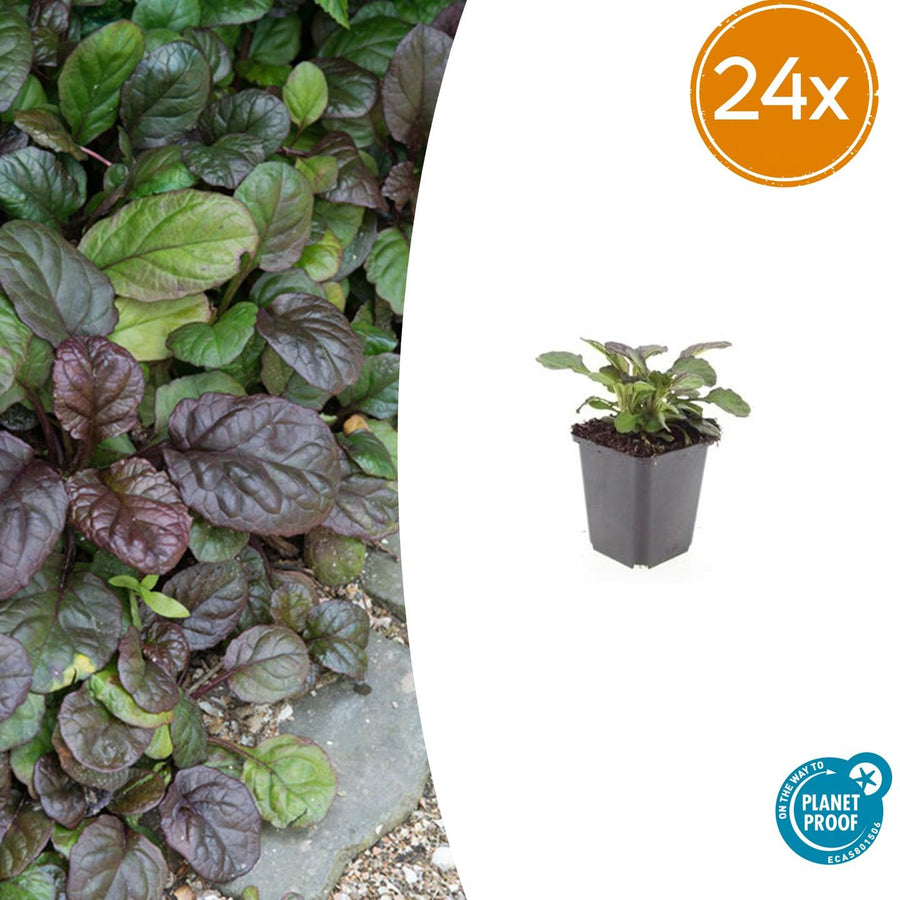
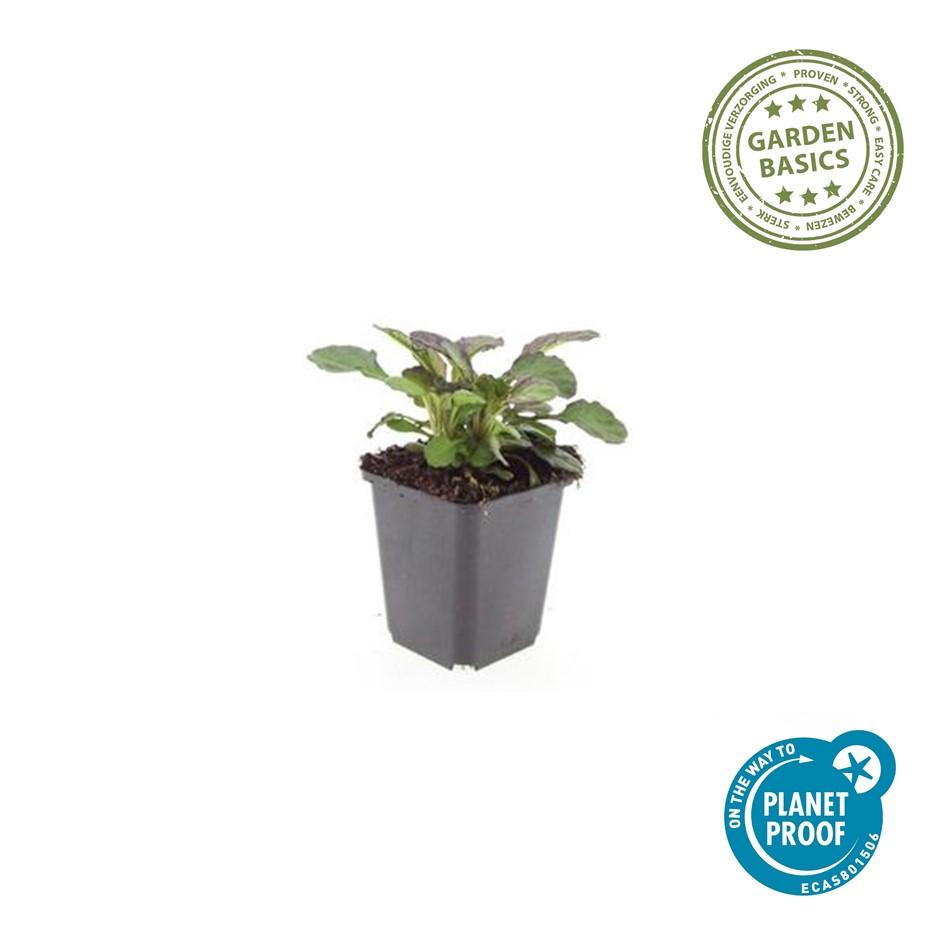
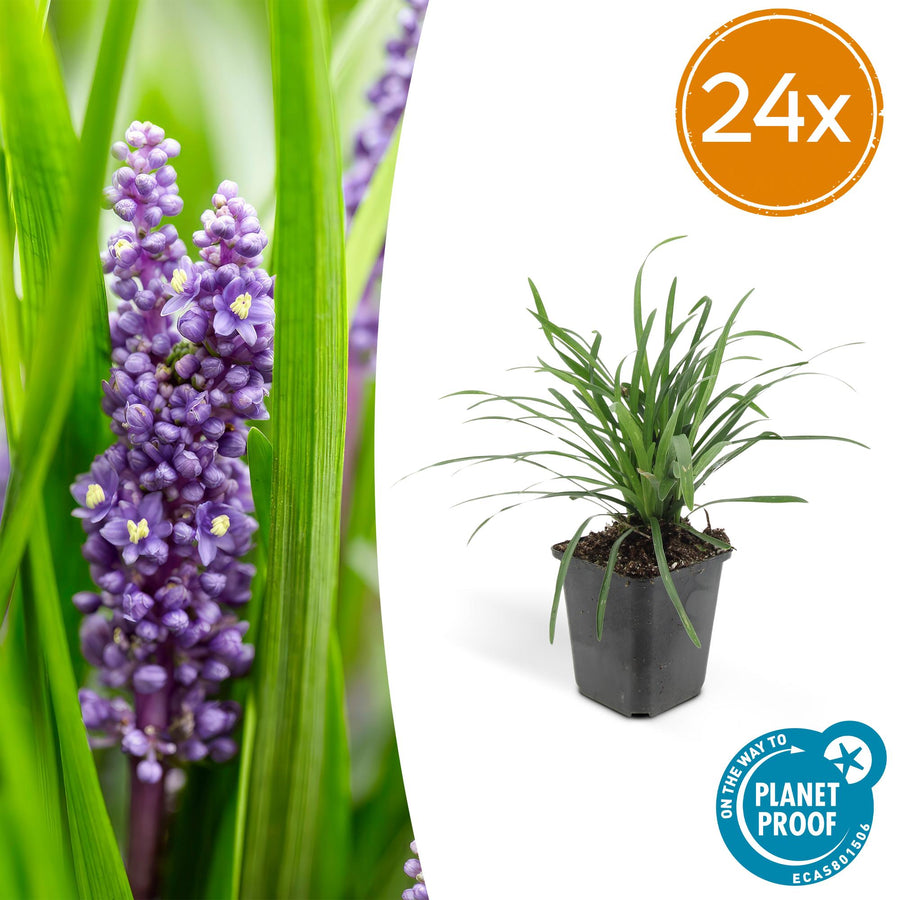
Transformer un jardin en sol argileux, de difficile à spectaculaire, devient possible avec la bonne sélection de vivaces rustiques. Notre collection soigneusement sélectionnée réunit des valeurs sûres qui ne se contentent pas de tolérer l'argile lourde — elles y prospèrent. Ces robustes plantes couvre-sol ont été spécialement choisies pour leur capacité à développer de solides systèmes racinaires dans un sol dense, améliorant progressivement sa structure tout en offrant un attrait visuel remarquable au fil des saisons. Du Geranium Rozanne primé, avec son spectacle continu de fleurs violet-bleu, à l'élégance persistante du Liriope Big Blue, chaque variété apporte des avantages uniques aux jardiniers en sol argileux. Que vous couvriez de grandes surfaces avec la vigoureuse propagation de l'Ajuga Catlin's Giant, créiez des tapis tolérants à l'ombre avec le Cornus canadensis (cornouiller du Canada) ou établissiez un couvre-sol fiable avec le Geranium macrorrhizum, ces vivaces offrent des solutions peu exigeantes qui travaillent avec votre sol plutôt que contre lui. Disponibles en pratiques quantités groupées de 20 à 24 plantes, ces collections garantissent une installation rapide et une couverture marquante, idéales pour les jardiniers souhaitant créer des plantations cohérentes et professionnelles. Chaque espèce a été retenue non seulement pour sa tolérance à l'argile mais aussi pour sa rusticité, sa résistance aux maladies et sa capacité à étouffer les mauvaises herbes une fois installée — des qualités qui les rendent précieuses pour créer de beaux jardins durables, même dans les conditions de sol argileux les plus difficiles.
Points clés à retenir
- Les vivaces tolérantes à l'argile comme le Geranium Rozanne et le Liriope Big Blue développent de solides systèmes racinaires qui améliorent naturellement la structure du sol au fil du temps
- Les couvre-sol rustiques comme l'Ajuga et le Cornus canadensis offrent un intérêt toute l'année tout en demandant un minimum d'entretien une fois installés en conditions argileuses
- Planter par groupes de 20 à 24 plantes garantit une couverture rapide et crée des tableaux marquants qui étouffent les mauvaises herbes et réduisent la compaction du sol
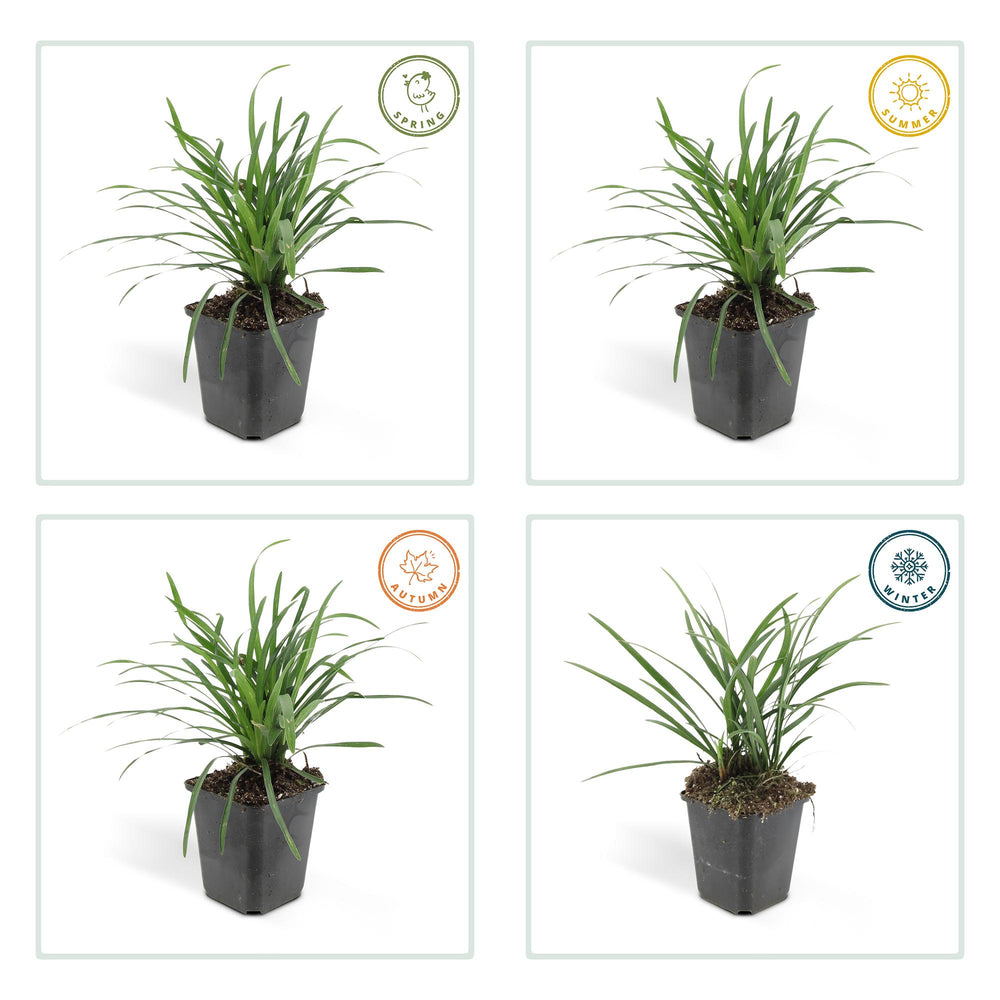
- Les variétés persistantes comme le Liriope et certains géraniums offrent un attrait visuel continu tout l'hiver, quand de nombreuses vivaces entrent en dormance
Que rechercher dans une vivace rustique pour sol argileux ?
Lorsque vous choisissez des vivaces rustiques pour un sol argileux, privilégiez les plantes aux systèmes racinaires robustes capables de pénétrer une terre dense et compactée. Recherchez des espèces réputées tolérantes à l'argile, comme les géraniums, le liriope et l'ajuga, qui ont évolué pour prospérer dans les sols lourds. Les candidats idéaux doivent présenter un port vigoureux qui aide à ameublir naturellement l'argile par l'action des racines. Envisagez des plantes aux structures racinaires fibreuses ou rhizomateuses qui s'étalent horizontalement, car elles fonctionnent particulièrement bien en conditions argileuses. Les variétés persistantes offrent une structure toute l'année et continuent de photosynthétiser durant les hivers doux, améliorant progressivement la qualité du sol. Recherchez aussi des vivaces couvre-sol qui forment des tapis denses, car elles protègent la surface du sol de la compaction due aux fortes pluies et réduisent l'érosion. Les plantes qui demandent un minimum d'amendement du sol sont particulièrement précieuses, car elles s'installent rapidement sans préparation poussée. Enfin, choisissez des variétés à la rusticité éprouvée dans votre zone, capables de supporter à la fois le mauvais drainage souvent associé à l'argile en hiver et les conditions dures comme la pierre qui peuvent survenir lors des sécheresses estivales.
Comment choisir les bonnes vivaces rustiques pour votre jardin en sol argileux ?
- Évaluez vos conditions de lumière — les variétés de Geranium excellent du soleil à la mi-ombre, tandis que le Cornus canadensis prospère dans les coins plus ombragés, d'où l'importance d'accorder les plantes à l'exposition de votre jardin
- Tenez compte de vos objectifs de couverture — les achats groupés de 20 à 24 plantes offrent une installation plus rapide et un impact visuel plus immédiat, idéaux pour garnir de grandes surfaces ou créer des zones de couvre-sol définies
- Évaluez les schémas de drainage — bien que ces vivaces tolèrent l'argile, les zones à eau stagnante requièrent les espèces les plus tolérantes à l'humidité comme le Liriope, tandis que les points légèrement surélevés conviennent mieux à l'Ajuga et aux géraniums
- Prévoyez un intérêt saisonnier — mêlez des options persistantes (Liriope, certains géraniums) à des variétés caduques pour maintenir la structure du jardin toute l'année tout en profitant de systèmes racinaires variés qui améliorent le sol différemment
- Accordez les besoins de hauteur — les options basses (10-25 cm) comme l'Ajuga conviennent bien aux bords d'allées, tandis que les variétés plus hautes créent des plantations en strates et étouffent mieux les mauvaises herbes dans les massifs ouverts
Foire aux questions
Quelles vivaces poussent bien en sol argileux ?
De nombreuses vivaces rustiques prospèrent en conditions de sol argileux. Les géraniums sont d'excellents choix, en particulier le Geranium Rozanne aux fleurs violet-bleu et le Geranium macrorrhizum, tous deux offrant une croissance vigoureuse et une tolérance à l'argile. Le Liriope (lis-gazon), surtout la variété Big Blue, est une vivace persistante qui excelle dans les sols lourds, produisant de jolis épis de fleurs violettes et un feuillage graminéen. L'Ajuga (bugle), comme Catlin's Giant, forme des tapis denses qui étouffent les mauvaises herbes tout en tolérant remarquablement bien l'argile. Le Cornus canadensis (cornouiller du Canada) est parfait pour les zones argileuses ombragées, s'étendant progressivement pour créer un joli couvre-sol. Parmi les autres excellentes vivaces tolérantes à l'argile figurent les hémérocalles (Hemerocallis), les échinacées (Echinacea), les rudbeckies (Rudbeckia), les hostas pour l'ombre, les astilbes et les sedums. Ces plantes ont développé de solides systèmes racinaires capables de pénétrer un sol compacté et améliorent souvent le drainage avec le temps par leurs schémas de croissance naturels. La clé est de choisir des espèces naturellement adaptées aux sols lourds plutôt que de lutter contre votre type de sol.
Quelle est la règle des 3 ans pour les vivaces ?
La règle des 3 ans pour les vivaces est un principe de jardinage qui décrit le calendrier d'installation typique des plantes vivaces : « La première année elles dorment, la deuxième elles rampent, la troisième elles bondissent. » La première année après la plantation, les vivaces concentrent leur énergie sur le développement de systèmes racinaires étendus plutôt que sur la croissance aérienne, ce qui peut paraître décevant aux jardiniers débutants. La deuxième année, les plantes montrent une croissance et une expansion modestes à mesure que leurs racines établies soutiennent davantage de feuillage et parfois quelques fleurs. À la troisième année, les vivaces atteignent leur maturité avec une croissance vigoureuse, une floraison abondante et un plein potentiel de couverture. Cette règle est particulièrement pertinente pour les plantations en sol argileux, où l'enracinement prend plus de temps en raison de la densité du sol. Comprendre ce calendrier aide les jardiniers à garder des attentes réalistes et à éviter l'erreur de retirer des plantes qui semblent lentes à s'installer. Pour les couvre-sol comme le Geranium, le Liriope et l'Ajuga en sol argileux, la patience durant les deux premières années est récompensée par des plantes robustes et autosuffisantes qui demandent un minimum de soins une fois pleinement installées. Les plantations groupées de 20 à 24 plantes aident à créer un impact visuel même pendant la phase d'installation.
Qu'est-ce qui ameublit un sol argileux lourd ?
Ameublir un sol argileux lourd nécessite une combinaison d'amendements physiques et de processus biologiques. La matière organique est la solution la plus efficace à long terme — incorporer du compost bien décomposé, du fumier mûr ou du terreau de feuilles améliore la structure du sol en créant des espaces entre les particules d'argile, favorisant drainage et aération. Les matériaux grossiers comme le gravier horticole ou le sable grossier (pas le sable de maçon) peuvent améliorer le drainage lorsqu'ils sont bien mélangés, même s'il en faut de grandes quantités. Le gypse (sulfate de calcium) aide les particules d'argile à s'agglomérer en agrégats plus gros sans modifier le pH, améliorant la facilité de travail. Cependant, l'approche la plus durable consiste à planter des vivaces tolérantes à l'argile aux systèmes racinaires vigoureux. À mesure que des plantes comme le Geranium, le Liriope et l'Ajuga s'installent, leurs racines pénètrent et ameublissent physiquement les couches compactées, tandis que la matière organique issue de la décomposition des radicelles et des feuilles mortes améliore progressivement la structure du sol. Les vers de terre, attirés par la matière organique et les plantes couvre-sol, creusent des galeries qui améliorent le drainage. Évitez de travailler un sol argileux humide, car cela provoque une compaction supplémentaire. Plantez plutôt dans de bonnes conditions et laissez vos vivaces rustiques accomplir le travail d'amélioration du sol à long terme, naturellement, au fil de leurs cycles de croissance.
Qu'est-ce qui pousse bien en argile lourde ?
Le sol argileux lourd accueille une variété surprenante de plantes une fois que l'on comprend ses caractéristiques. Parmi les vivaces, les géraniums sont d'excellentes performeuses, des variétés comme Rozanne offrant des mois de floraisons violet-bleu. Le Liriope crée une texture persistante et graminéenne avec des épis de fleurs violettes et tolère l'argile exceptionnellement bien. L'Ajuga forme des tapis denses et anti-mauvaises herbes au joli feuillage et aux fleurs printanières. Le Cornus canadensis fait merveille dans les zones argileuses ombragées. Au-delà de ces couvre-sol, de nombreuses autres plantes prospèrent en argile : les hémérocalles offrent une couleur estivale fiable, les échinacées et les rudbeckies apportent un charme de prairie, les hostas excellent dans les jardins argileux ombragés et les astilbes produisent des plumeaux vaporeux en argile fraîche. Des arbustes comme les rosiers, la potentille et le weigela s'adaptent bien aux conditions argileuses. Des arbres indigènes comme les chênes, les érables et les amélanchiers poussent naturellement en sols argileux. Des légumes comme les brassicacées (chou, brocoli), les haricots et les courges peuvent réussir avec une bonne préparation des planches. La clé est de choisir des plantes adaptées aux sols lourds plutôt que celles exigeant un drainage parfait. La forte rétention en nutriments de l'argile profite en réalité à de nombreuses plantes, et sa capacité de rétention d'eau offre une résilience à la sécheresse une fois les systèmes racinaires profonds établis.
Comment préparer un sol argileux pour planter des vivaces ?
Préparer un sol argileux pour les vivaces demande de travailler avec les caractéristiques du sol plutôt que de tenter une transformation complète. Commencez par tester le sol lorsqu'il est modérément humide — ni gorgé d'eau ni complètement sec. Ajoutez une couche de 5 à 8 cm de compost organique ou de fumier bien décomposé sur la zone de plantation et incorporez-la aux 15 à 20 premiers centimètres de sol à l'aide d'une fourche plutôt que d'une bêche, qui peut créer des couches compactées. Évitez de trop travailler l'argile, car cela détruit la structure du sol. Pour les trous de plantation individuels, creusez plus large que profond — deux à trois fois la largeur du pot — pour encourager l'étalement latéral des racines. Mélangez le sol retiré avec un tiers de compost pour améliorer le remblai. Envisagez de créer des massifs légèrement surélevés (10-15 cm) pour améliorer le drainage sans nécessiter un retrait important de sol. Ajoutez une poignée de gravier horticole autour de la motte de chaque plante pour améliorer le drainage local. Plantez de préférence au printemps ou au début de l'automne, lorsque le sol est facile à travailler et que les plantes peuvent s'installer avant les conditions extrêmes. Pour les vivaces rustiques de cette collection, une préparation minimale suffit puisqu'elles sont sélectionnées pour leur tolérance à l'argile. Une fois plantées, appliquez une couche de paillis de 5 cm pour protéger la structure du sol de la compaction par la pluie et des extrêmes de température. Surtout, évitez de marcher sur les massifs argileux lorsqu'ils sont humides, car cela provoque une compaction sévère qui annule vos efforts de préparation.
Sources
- 24 Best Perennial Flowers for Clay Soil Gardens — www.bhg.com
- 10 Perennials for Clay Soil - Clay Tolerant Plants - Proven Winners — www.provenwinners.com
- Clay Soil Struggle? 5 Best Perennials That Actually WORK! — www.youtube.com
- Best Perennial Plants for Clay Soil — www.tnnursery.net
- Des Moines Backyard Gardeners | Hi! Looking for recommendations: | Facebook — www.facebook.com